


The right controller decides how a drone actually feels in the air, and that decision ripples into every flight after. Whether you’re hauling a foldable quadcopter to a weekend trail, packing a full Mavic kit through an airport, or wiring up a micro FPV racer in a workshop, the controller in your hands shapes confidence, range, and creative options. The nine options below cover the most common setups: beginner drones with built-in screens, hard cases that protect premium controllers, full drone-and-controller combos, and the small parts that round out a hobbyist build. Read on for honest trade-offs and clear ownership notes.
The Lineup, Simplified

CHUBORY A70 GPS Drone with EIS 4K Camera, 4.5″ Screen Controller
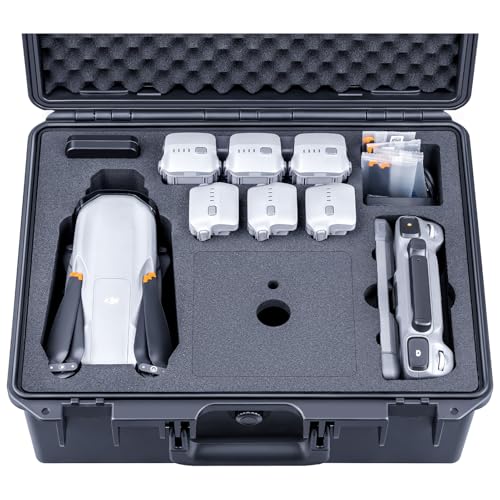
Lykus Titan MA330 Hard Case for DJI Air 3S/3 and RC Pro 2
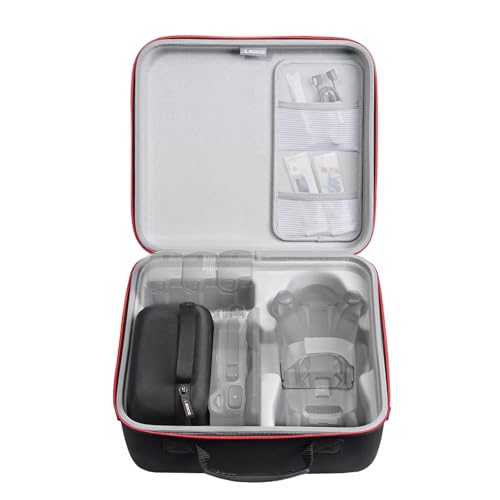
RLSOCO Carrying Case for DJI Mavic 4 Pro Fly More Combo
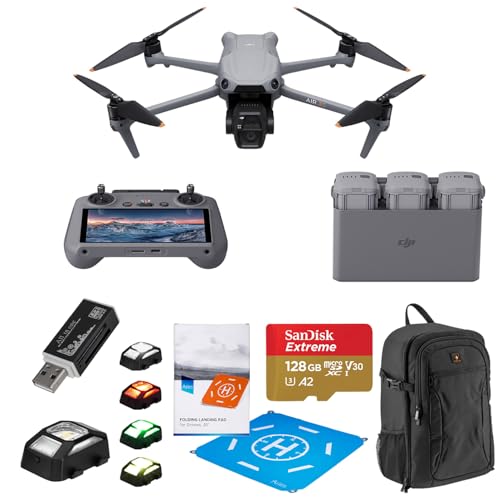
DJI Air 3S Fly More Combo with RC 2 Controller

DJI Motion Controller

DJI RC 2 Smart Controller with 5.5″ FHD Screen

Smatree Professional Backpack for DJI Mavic 4 Pro

Giffke V918M 8K GPS Drone with 5G Screen Controller
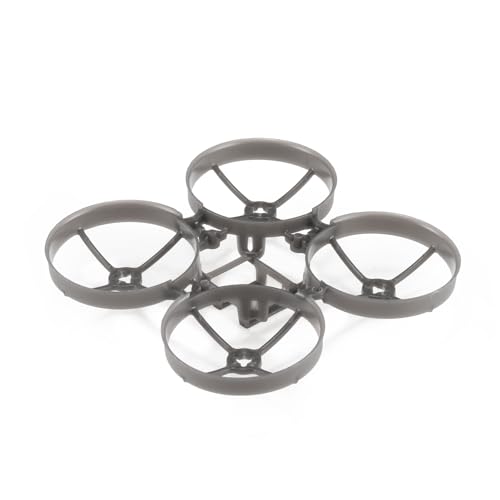
Happymodel Mobula7 V4 Frame 75mm Wheelbase
Meet The Standout Selections
The CHUBORY A70 leans hard into the “no phone required” experience. Its controller carries a 4.5-inch HD screen that streams live FPV (first-person view) footage directly, which means one less thing to set up before a flight. For pilots easing into the hobby, that single decision removes the most common early frustration: fiddling with cables and apps at the park.
The advertised 3280-foot control range and three included batteries stretch a single outing well past the casual session, and EIS (electronic image stabilization) helps keep clips from looking too jittery on the first try. Owners commonly find the auto-return function reassuring on a windy afternoon. The honest read is that this is a confidence-building pick rather than a creative powerhouse.
What Stands Out
- Built-in 4.5-inch screen removes the need to mount a phone mid-flight
- Three batteries extend session time, with auto-return easing low-battery stress
- Under-249g frame keeps things simple in regions with sub-250g rules
- 3280-foot range is generous for a starter kit in this price range
- EIS helps smooth casual video without extra editing
Things To Consider
- Field-of-view and image quality trail dedicated camera drones like the DJI Air 3S
- Beginner smart-flight modes can feel limiting once skills build
- Replacement parts and propellers are less standardized than major-brand ecosystems
Key Product Details
Who It Suits Best
First-time pilots who want a screen-on-controller experience without juggling a smartphone mount.
Consider Something Else When
The DJI Air 3S Fly More Combo is the better match if you plan to shoot serious travel footage and want stronger image quality from day one.
Hard cases rarely get the spotlight, but the Lykus Titan MA330 is the kind of accessory that quietly saves a thousand-dollar kit. It’s a precision-cut shell built specifically around the DJI Air 3S or Air 3 paired with the RC Pro 2 controller, so every component snaps into a foam slot instead of rattling loose in a backpack. For anyone who travels with their gear, that peace of mind alone can justify the bulk.
The internal layout accommodates up to seven batteries, a charging hub, power adapter, cables, filters, and spare propellers, which covers a full Fly More loadout. CNC-cut EVA (ethylene-vinyl acetate) foam absorbs shock better than loose foam blocks tend to. The case is also rated IP67 (protected against full dust ingress and temporary submersion in water), so a sudden rain shower at the trailhead is less of a crisis.
The Good Stuff
- Tailored foam slots hold the drone, RC Pro 2, and accessories in place
- IP67 rating handles splashes, dust, and short submersions
- Space for up to seven batteries plus the full charging kit
- DIY foam section lets you customize room for filters or odd extras
Worth Noting
- Larger and heavier than soft cases, which can matter on long hikes
- Limited to the Air 3S/3 plus RC Pro 2 combo it was cut for
- Custom foam inserts can be awkward to reconfigure once cut
Made For
Traveling Air 3S owners who need weather-sealed, organized transport for a full controller and battery setup.
Where Another Pick Suits Better
The Smatree Professional Backpack for DJI Mavic 4 Pro is the better match if you want a wearable, hands-free carry for longer walks instead of a hard-shell case.
The RLSOCO carrying case is purpose-built around the DJI Mavic 4 Pro Fly More Combo, which makes it one of the most specific fits in this lineup. The interior is divided into clearly labeled sections: a slot for the drone body, a separate spot for the RC Pro 2 or RC 2 controller, and room for three batteries plus a charging hub. That kind of structure turns a chaotic gear bag into something closer to a workstation.
Where this case differs from the Lykus Titan above is the material: it is a molded hard plastic shell rather than a foam-heavy case, which keeps the price approachable while still offering crush resistance. A small inner compartment is reserved for the charger adapter, data cable, and propellers, so small parts stop disappearing. Depending on how you fly, the case may also double as a stable launch pad in a pinch.
A Strong Showing
- Custom-cut compartments for the full Fly More loadout
- Dedicated inner pouch keeps cables and small parts organized
- Molded shell adds crush protection at a more approachable cost than premium hard cases
Trade Offs
- Not waterproof like IP67-rated alternatives, so weather planning still matters
- Form-fit design leaves little room for additional accessories outside the Fly More kit
- Plastic shell can show scuffs on heavy airline use
Right Fit For
Mavic 4 Pro Fly More Combo owners who want a tidy, all-in-one carrier without paying hard-case prices.
Look Elsewhere When
The Lykus Titan MA330 Hard Case is a better fit for anyone flying near water or in genuinely wet environments and needing IP67 protection.
The DJI Air 3S Fly More Combo with the RC 2 controller is the kind of bundle that quietly removes every accessory decision. You get the dual-camera Air 3S body, the RC 2 smart controller with its bright 5.5-inch FHD screen, three batteries for longer shooting days, and a charging hub to top them all up between locations. For travel photographers, that consolidation matters as much as the gear itself.
The Air 3S stands out through its 1-inch CMOS primary sensor (a large imaging chip that captures more light than typical drone sensors), which dramatically improves low-light video and stills compared to smaller-sensor drones. Add the medium tele camera alongside the wide-angle, plus omnidirectional obstacle sensing (the drone sees and avoids hazards from all directions), and the Air 3S earns its reputation as a confident travel tool. You may find the file sizes demanding, so a large memory card is a smart companion.
What Helps Most
- 1-inch CMOS sensor delivers cleaner low-light footage than typical 1/1.3-inch rivals
- Three included batteries and charging hub reduce downtime on day trips
- Omnidirectional obstacle sensing helps in tight or wooded environments
- RC 2 controller cuts out the phone, so setup stays quick
Honest Caveats
- Premium pricing puts it well out of casual-hobbyist territory
- 1-inch sensor footage requires more storage and editing horsepower than smaller-sensor drones
- Bundled accessories rarely include ND filters (lenses that reduce incoming light for proper shutter speeds), so those are a likely follow-up add-on
Technical Highlights
Best Suited To
Travel photographers who want a single purchase that covers drone, controller, and battery headroom in one box.
Skip It When
The CHUBORY A70 GPS Drone is a smarter fit for first-time pilots who would not yet use the Air 3S’s advanced imaging features.
The DJI Motion Controller breaks the mold of twin-stick piloting entirely. It is a single-hand device that translates your natural hand and arm motions into aircraft movement, so tilting your hand forward makes the drone fly forward, and rotating your wrist turns the yaw (the left-right rotation of the aircraft). That intuitive feel is the headline: a new pilot can produce smooth cinematic moves within minutes.
This is the controller that pairs with FPV-compatible DJI drones, which is what makes the experience feel like flight rather than a screen-watching exercise. You may find it is more of a creative tool than a precision piloting device, and it works best as a complement to, not a replacement for, a traditional controller. In a lineup full of conventional options, it is the most playful pick here.
Real Benefits
- Single-hand motion control feels intuitive even for first-time FPV pilots
- Unlocks a more cinematic, immersive flying style than stick inputs allow
- Compact form factor makes it a great travel companion alongside a standard controller
Points To Note
- Not a replacement for precision stick flying on long-range or technical flights
- Compatibility is limited to specific DJI FPV-capable aircraft
- Learning curve is short, but precision maneuvers still take practice
Whose Shelf It Belongs On
FPV-curious owners of compatible DJI drones who want a more cinematic, expressive way to fly.
Reach For A Different Pick When
The DJI RC 2 Smart Controller is the better fit if your priority is long-range, screen-based precision rather than immersive FPV.
The DJI RC 2 is the standalone upgrade that fixes the most common controller complaint: relying on a smartphone. It has a 5.5-inch FHD screen (full high-definition, meaning 1920×1080 resolution) that is daylight-readable, an upgraded next-generation processor, and supports O4 video transmission (DJI’s latest long-range digital video standard) with a range rated up to 20 km in ideal conditions. For pilots who want a clean, always-ready cockpit, this is the most capable general-purpose controller in DJI’s current line.
The 2T4R antenna configuration (two transmitters, four receivers) helps maintain a stable link at distance, which matters for landscape or coastal work. Where it differs from the CHUBORY’s built-in screen is ecosystem: this controller integrates with the full DJI app experience and supports plug-and-play firmware updates. You may find the upfront cost steeper than sticking with a phone, but the long-term convenience compounds quickly.
Useful Touches
- 5.5-inch FHD screen is bright enough for outdoor use
- O4 transmission pushes reliable video well beyond typical recreational distances
- Next-gen processor keeps app navigation snappy even with firmware updates
- Eliminates phone battery drain during long sessions
Some Limits To Know
- Costs more than a phone-as-controller setup, especially for casual users
- Screen and internals are not user-replaceable if damaged
- Compatibility is limited to current-generation DJI drones that support O4
Feature Snapshot
Who Will Love This
Owners of current-generation DJI drones who fly regularly enough to justify leaving the phone out of the loop.
A Better Fit Elsewhere
The DJI Motion Controller is the better choice for FPV-style flying, while the CHUBORY A70 GPS Drone suits someone who wants a controller and drone in one box at a beginner budget.
Backpacks and drones are an awkward pairing unless the bag was actually designed for the job. The Smatree Professional Backpack is one of the few that is: it is laid out around the DJI Mavic 4 Pro drone body, the RC 2 or RC Pro 2 controller, and a generous six intelligent flight batteries. The internal compartments are tuned to the latest Mavic 4 Pro layout, which means nothing rattles in transit.
Beyond the drone itself, the bag leaves room for a parallel charging hub, ND filter sets, a power adapter, a tablet, and even a GoPro and action camera batteries. For day hikers and travel photographers, that capacity is the difference between bringing all your gear or leaving something behind. Depending on your camera setup, you may find it doubles as a competent everyday camera bag once the drone is grounded.
A Favorable Mix
- Holds six intelligent flight batteries, well beyond most casual-day counts
- Custom-shaped inserts cradle the Mavic 4 Pro and its controller securely
- Backpack form keeps hands free on longer walks or public transit
- Doubles as a small camera or action-cam bag for non-flying days
Room For Improvement
- External dimensions are still on the larger side for everyday commuting
- Lacks a hard-shell exterior, so drops onto hard surfaces can stress the contents
- Color and exterior fabric attract scuffs over time
Perfect Match For
Day-trip Mavic 4 Pro flyers who want a hands-free carry that fits drone, controller, and a full battery rotation.
Swap It Out When
The Lykus Titan MA330 Hard Case is the better call for pilots who frequently travel near water or in rough weather and need IP67 protection.
The Giffke V918M is a recreational drone that goes long on paper. With GPS support and a stated 9842-foot control range, it pushes well past the casual backyard flyer category, and the included controller carries a 5G large screen for live FPV without a phone. Auto-return and follow-me mode round out the safety net, which is helpful when the aircraft is farther away than your eye can track.
What separates it from the CHUBORY A70 is the raw range and the larger built-in display, both of which matter for pilots who want a little more headroom than a starter sub-250g drone offers. You may find the 8K image spec more about interpolation than true sensor resolution, so manage expectations on still quality. For outdoor recreational use in open areas, however, the package is generous.
Bright Spots
- Stated 9842-foot range gives room to explore in open terrain
- 5G large-screen controller offers a phone-free flying experience
- GPS-based auto-return helps recover the drone if signal drops
- Follow-me mode adds a hands-free shooting style for action days
Points To Keep In Mind
- 8K capture is typically interpolated rather than native sensor resolution
- Long range depends on open airspace and clean RF (radio frequency) conditions, so urban use may be more limited
- Replacement parts and accessories are less standardized than major-brand drones
Spec Overview
Who Should Grab It
Recreational flyers who want long range and a built-in screen at a friendly entry point, and who mostly shoot in open outdoor spaces.
Another Choice May Suit
The DJI Air 3S Fly More Combo is the better fit for pilots who care about true high-end image quality and DJI’s app ecosystem over headline range numbers.
For FPV hobbyists, frames are the bones of the build, and the Happymodel Mobula7 V4 frame is a meaningful step up from the original Mobula7 chassis. The 75mm wheelbase (the distance between motor centers across the diagonal) keeps it in true micro territory, so it is comfortable indoors and in tight outdoor spaces. The V4 revision is more crash-resistant than the earlier frame, which matters when you are still learning rates (the angle and rotation speeds the aircraft is allowed to perform).
The lower flight-controller mounting position is a small but important detail: with a Diamond F4 flight controller (the small board that runs the aircraft’s stabilization and motor control), the USB port stays clear, so you can flash firmware (update the controller’s software) without disassembly. The frame supports 0703, 0802, and 0803 motor sizes, which is enough flexibility for most micro cinewhoop (a small, ducted-prop drone designed for smooth indoor or proximity filming) builds. This is a parts-bin pick, not a finished product.
The Case For It
- More crash-resistant than the previous Mobula7 frame
- Lower flight-controller mount keeps the USB port accessible
- Supports multiple motor sizes for tuning flexibility
- 75mm wheelbase stays nimble enough for indoor proximity flying
Worth Bearing In Mind
- This is a single frame, not a complete ready-to-fly drone
- Builds require soldering skills, flight controllers, motors, and a battery ecosystem
- Not a fit for anyone looking for a turnkey flying experience
Built With In Mind
Experienced FPV builders upgrading an existing Mobula7 or Moblite7 to a sturdier frame.
Not Your Match When
The CHUBORY A70 GPS Drone is the better starting point if you want something that flies out of the box without a soldering iron.
What Matters Most Before Choosing Your Next Setup
Match the controller to the aircraft first, then the use case. A smart controller is wasted on a micro FPV build, and a motion controller is the wrong tool for long-range landscape work. Start by confirming compatibility with the specific drone you fly, because ecosystem lock-in is real in this category. Pilots with a current-generation DJI drone should anchor their choice around DJI’s own controllers or accessories, while micro FPV builders need frames, flight controllers, and radio gear from the hobby world.
Built-in screens change everything for casual use. Controllers like the CHUBORY A70, the Giffke V918M, and the DJI RC 2 remove the phone from the equation, which means fewer setup steps, no battery drain on your personal device, and a faster path to launch. For pilots who fly in changing light, a daylight-readable screen on a dedicated controller is a quality-of-life upgrade that is easy to underestimate until you try it.
Range and battery headroom shape real-world sessions. Numbers on a box describe ideal conditions. Open fields, low RF interference, and clear line of sight can extend range dramatically, while urban or wooded environments compress it. Aim for a kit that includes at least two to three batteries so a single session isn’t bottlenecked by a 30-minute charge cycle, and consider whether a charging hub is part of the bundle.
Cases and backpacks protect the investment, not just the gear. A drone’s value is often outweighed by its controller, batteries, and accessories, and all of it breaks if it bounces down a trail. The Lykus Titan MA330, RLSOCO carrying case, and Smatree backpack represent three very different approaches: weather-sealed hard case, custom-fit molded shell, and hands-free backpack. Choose based on how and where you actually travel with the kit.
Key Considerations Across These Picks
Traps First Timers Fall Into
The most common mistake is buying a controller before confirming aircraft compatibility. A DJI RC 2 will not drive a Happymodel micro build, and a Diamond F4 flight controller will not run an Air 3S. Equally, picking a controller on advertised range alone tends to disappoint, because real-world range hinges on environment and interference. New pilots also often overlook the value of a quality carrying case, only to regret it after the first transit incident.
Where The Extra Money Goes
Premium controllers and cases cost more because of better internals, stronger materials, and tighter integration. The DJI RC 2’s next-gen processor and O4 transmission translate to a smoother app, a more stable video link, and longer effective range. The Lykus Titan’s IP67 rating and CNC-cut foam represent real engineering, not just branding. For pilots who fly often or in demanding environments, those upgrades pay back through reliability and fewer replacement parts over time.
Frequently Asked Questions
What is a flight controller in the context of drones? A flight controller is the small onboard computer that stabilizes the aircraft, manages motor speeds, and interprets pilot inputs. In FPV hobby builds, it is a separate component you wire into the frame, while in ready-to-fly drones, it is integrated inside the aircraft.
Do I need a smart controller if I already have a smartphone? Smart controllers like the DJI RC 2 are optional, but they remove the need to mount a phone, drain its battery, or fiddle with cables. Frequent flyers usually find the convenience worth it, while occasional pilots can stay with a phone-based setup for less.
What is the difference between a controller and a motion controller? A traditional controller uses two thumb sticks for precise input, while a motion controller like the DJI Motion Controller translates your hand and arm movements into aircraft motion. The motion approach is more intuitive and cinematic; the stick approach is more precise and versatile.
Are hard cases really necessary for drones? Hard cases are not strictly required, but they dramatically reduce the risk of cracked frames, broken gimbals (the motorized camera mount that keeps shots stable), and damaged screens during transport. For owners of premium drones, they are often a wise add-on.
Can a beginner use any of these flight controllers? Yes, but stick to ready-to-fly drone packages with beginner-friendly controllers such as the CHUBORY A70 or the DJI RC 2 paired with a supported aircraft. The Happymodel frame and similar parts are for hobbyists comfortable with soldering and firmware work.
The Takeaway
The right controller depends less on specs on paper and more on what you fly, where you fly, and how often. Beginners get the most from a built-in-screen controller that removes setup friction, while frequent flyers benefit from the range and reliability of a dedicated smart controller. Hobbyists building micro quads live in a different world entirely, where frames and flight controllers are parts to tune rather than products to unbox. Match the tool to the mission, and the rest of the gear falls into place.



