


Flying a drone from a screen on your phone feels small once you’ve strapped on a headset and seen the world from the cockpit. The right FPV setup turns a backyard flight into a soaring run, and the wrong setup just leaves you with a bag of cables and regret. This list focuses on drones that pair cleanly with VR goggles or equivalent first-person gear, balancing immersion with the kind of handling you can actually live with.
The Essentials At A Glance

DJI Avata 2 Fly More Combo (1 Battery)

DJI Mini 3 Fly More Combo with DJI RC

DJI Neo 2 Motion Fly More Combo

DJI Neo Mini Drone with 4K UHD Camera

Ryze Tech Tello Boost Combo

Antigravity A1-360 Drone with 8K Camera
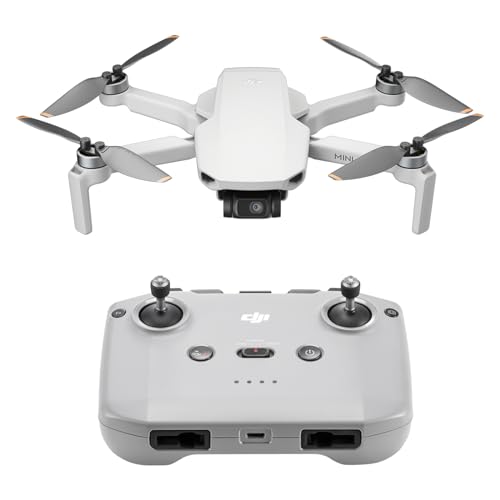
DJI Mini 4K Drone (Under 249 g)

DJI Avata Explorer Combo (FPV, 4K)


HOVERAir X1 Self-Flying Camera Drone
More Details On Our Top Picks
For pilots who want a polished FPV experience out of the box, the Avata 2 stands apart. Its first-person view drone design pairs a 4K camera with stabilized flight that feels locked-in even during aggressive maneuvers, and the single-battery Fly More configuration keeps weight sensible for a day on the trail.
Compared to the older DJI Avata Explorer Combo later in this list, the Avata 2 brings tighter transmission and a more forgiving motion controller. The headset pairing feels like a real upgrade rather than a compromise, which matters when you spend an entire afternoon flying.
What Earns Its Place
- 4K stabilized capture that holds up when you replay clips on a 4K monitor
- Built-in propeller guards let you thread closer to trees without panic
- Headset pairing is essentially plug-and-fly once the firmware syncs
- Tight transmission link keeps the live feed sharp during long runs
Honest Caveats
- Single battery in this combo means you may want spares for long sessions
- Goggles are comfortable but can run warm during summer flights
Feature Snapshot
Who Will Love This
Intermediate hobbyists who want a refined FPV experience and don’t mind carrying a small bag of gear.
Look Elsewhere When
The DJI Neo 2 Motion Fly More Combo is a smarter pick if you want motion control straight from the box and have never flown FPV before.
The Mini 3 leans into the “bring it everywhere” side of flying. Three batteries in this combo translate into roughly an hour of total flight time, and the included DJI RC remote with a built-in screen removes the need to mount your phone every session.
For VR use, you’ll typically mount the screen into a separate headset adapter rather than fly through goggles. That makes the Mini 3 a different flavor than the Avata 2: less true FPV, more “look up and around” cinematic capture. Travelers who want long flights and small packs love that balance.
What Works In Its Favor
- Three batteries mean you can stretch a single outing into real coverage
- Built-in screen on the DJI RC cuts down on phone mount hassle
- Lightweight frame is easier to pack than the larger FPV rigs
Worth Noting
- Not a true FPV headset experience; you view through the controller screen
- Wind handling is decent for the size, but rougher days expose the limits
- Spare props and accessories live in the bag, so check what ships with the bundle
The Right Fit
Vloggers and travelers who want long battery life, simple setup, and crisp daytime footage without strapping on a headset.
Where Another Pick Suits Better
For genuine first-person immersion with goggles, the DJI Avata Explorer Combo delivers a more authentic VR-style flight.
The Neo 2 Motion Combo is what you hand a friend who’s curious about FPV but has never flown anything more ambitious than a toy quad. The RC Motion 3 controller points the way you intend to go, and the bundled Goggles N3 complete the package without a separate shopping list.
You give up some of the raw speed of the Avata line, but for indoor laps and slow outdoor passes, the trade feels fair. The lightweight body and full-coverage prop guards also reduce the stakes when you inevitably bump something.
What Makes Sense
- Bundled Goggles N3 removes the guesswork from buying a headset
- Motion controller makes the first flight feel intuitive instead of intimidating
- Built-in guards soften the learning curve for new pilots
Points To Keep In Mind
- Not as fast as the Avata 2, so pros may outgrow it quickly
- Storage and editing rely on the DJI app, which you may need to sideload on some devices
Feature Snapshot
Who Should Grab It
Newcomers to FPV who want a complete starter kit with motion control and a headset ready to go.
Swap It Out When
The DJI Avata 2 Fly More Combo makes more sense for pilots chasing faster, more cinematic FPV runs.
The original Neo trades bundled goggles for a different kind of convenience: it launches from your palm, follows you with subject tracking, and shoots 4K video at a featherweight 135 grams. The controller-free start point makes the first flight feel closer to grabbing a smartphone than operating aircraft.
For VR-style immersion you’ll need to add a phone-based viewer or stream to a third-party headset, which is one of the honest compromises. Where the Neo shines is quick social-media content: a run, a hike, a beach day, and the drone handles itself while you stay in the moment.
A Few Highlights
- 4K UHD capture in a 135 g body slips into a jacket pocket
- Palm takeoff and built-in prop guards make it friendly to first flights
- Subject tracking follows naturally during walks, cycles, or short hikes
Things To Consider
- No bundled goggles; VR use requires a separate phone viewer
- Wind tolerance is limited, which matters for taller or coastal flights
Perfect Match For
Casual flyers and content creators who want grab-and-go simplicity over true first-person flying.
Skip It When
The Ryze Tech Tello Boost Combo is a better fit if your priority is real headset-style VR on a tight budget.
The Tello has been the entry ticket to FPV for years, and the Boost Combo stretches that value even further. Pair it with a phone-based VR viewer and you get a real first-person feed without the cost of dedicated goggles, which is a quiet win for parents or curious adults.
Powered by DJI internals and an Intel processor, the Tello handles 720p streaming and basic stunts like 8D flips. You’ll notice the lower-resolution camera in side-by-side comparisons with the Avata line, but for short indoor flights and learning the basics, it earns its place.
Noteworthy Benefits
- Real VR headset compatibility with standard phone viewers at a low cost
- Toss-and-go launch and simple stunts keep first flights approachable
- DJI flight tech lends a steady hand for a drone in this price range
Points To Note
- 5MP camera tops out at 720p, so footage looks soft next to modern phones
- 13-minute flight time is real, but batteries are small, so swaps matter
- Open-air performance depends heavily on calm conditions
Best Suited To
First-time FPV flyers who want genuine headset-style flying without committing to a full premium kit.
A Better Fit Elsewhere
The DJI Avata Explorer Combo is a stronger match once you want 4K capture and a wider field of view.
The Antigravity A1 flips the usual FPV script by capturing 8K 360 video that you reframe after the flight. The bundled Vision goggles use dual Micro-OLEDs and pancake optics, which sounds technical but translates to a noticeably wider, sharper window than typical entry-level headsets.
At 249 g, the airframe sits in the sub-registration weight class in many regions, and the foldable layout makes it packable. Point-to-Fly motion control ties the direction of the drone to where you point your hand, which is more natural than expected for new pilots.
Positive Points
- 8K 360 capture means one flight can produce multiple edited angles
- Wide FOV goggles with diopter adjustment suit pilots who don’t wear glasses
- Obstacle avoidance and auto return add peace of mind for newer pilots
Possible Compromises
- Premium position means editing hardware needs to keep up with the files
- 360 workflow has a learning curve compared to a fixed-lens FPV clip
Feature Snapshot
Built With In Mind
Creative FPV enthusiasts who want immersive goggles and 360 capture in a single premium package.
Consider Something Else When
The DJI Avata 2 Fly More Combo is a more natural fit if you prefer traditional fixed-lens FPV filming over 360 reframing.
The Mini 4K is the kind of drone you stop overthinking and just take with you. Under 249 g keeps it on the friendly side of registration in most regions, and the 4K UHD camera delivers footage that looks clean even when evening light gets tricky.
It’s a screen-based flyer, not a true FPV headset, so think of it as a stepping stone. Many pilots who start here later graduate to the Avata line for full immersion, but the Mini 4K does the everyday aerial work in the meantime without much fuss.
Well-Handled Touches
- Sub-249 g weight means fewer registration headaches in most areas
- 4K UHD capture is a real upgrade over older Mini entries
- Compact folding arms fit in small day bags
Trade Offs
- Not a headset-based FPV experience, which limits true immersion
- Wind handling remains the typical small-drone compromise
Right Fit For
Everyday aerial shooters who want 4K clips without committing to a larger FPV rig.
Not Your Match When
The Antigravity A1-360 makes more sense if you want real goggles and 360 capture from day one.
The original Avata still earns a spot thanks to its super-wide 155° FOV and proven motion controller workflow. The Explorer Combo bundles the RC Motion 2 and Goggles Integra in one box, so the path from unboxing to first flight is short and tidy.
Compared to the newer Avata 2 earlier in this list, the Explorer trades some refinement for a friendlier price. If you’re stepping into FPV for the first time, the older Avata remains a confident place to start.
A Favorable Mix
- Wide 155° FOV gives a more cinematic feel in headset
- All-in-one kit with motion controller and goggles included
- 4K capture holds its own for travel and casual vlog work
Small Caveats
- Older transmission and processing compared to the Avata 2
- Goggles Integra are comfortable but lack the diopter range of premium options
Made For
All-in-one FPV starters who want a complete kit and a wide-angle view without chasing the newest model.
Another Choice May Suit
The DJI Avata 2 Fly More Combo fits better if you want newer internals and tighter transmission for longer sessions.
The Hiturbo quadcopter is the kind of gift a curious newcomer unwraps on a birthday and flies before dinner. One-key start, altitude hold, and voice control keep the controls forgiving, and the 1080p camera gives you clips worth sharing without overpromising on detail.
True VR is not the strong suit here; you’d need a separate phone viewer to simulate a headset experience. As a low-stakes way to learn stick feel and orientation, though, it’s a low-pressure trainer that won’t sting the wallet if it hits a tree.
The Value In It
- Two batteries stretch the first day of learning into a full afternoon
- Voice and gesture controls make first flights feel playful
- Foldable frame stows in a small drawer between sessions
Worth Bearing In Mind
- Not designed for wet conditions, so keep flights to dry days
- 1080p clips look fine on a phone, but soft on a large TV
- No native VR support; immersion requires add-on accessories
Whose Shelf It Belongs On
New hobbyists and families who want an easy indoor or backyard trainer before stepping up to real FPV.
Where A Sibling Pick Shines
The Ryze Tech Tello Boost Combo is a smarter choice for actual VR headset compatibility at a similar entry price.
The HOVERAir X1 flips the script on who is in charge: the drone flies itself and follows you while you focus on the activity. Cycling, skating, or trail running all become hands-free shoots, and the pocketable frame means you can take it on trips without thinking about it.
Like the original DJI Neo, the X1 leans more toward a screen-based view than a dedicated headset. For pilots who want a “set it and forget it” follow cam, that trade is a feature, not a compromise.
Points In Its Favor
- Self-flying follow mode tracks reliably during outdoor activities
- Pocketable form factor encourages spontaneous takeoffs
- App-based controls keep the learning curve short
Honest Caveats
- No native VR headset, so true immersion requires separate gear
- Tracking speed has practical limits, depending on your activity
Quick Facts
Who It Suits Best
Active creators who want a follow cam that handles itself during rides, runs, and outdoor sessions.
Reach For A Different Pick When
The DJI Neo 2 Motion Fly More Combo is a smarter match if you want real goggles and motion control in one kit.
What Matters Most Before Choosing Drones With Vr Headset
Match the Kit to the Pilot
The first decision is honest self-assessment. Newcomers benefit from bundles that include the goggles or motion controller, because piecing the kit together later usually costs more and creates compatibility friction. Experienced pilots, on the other hand, often prefer to mix airframes and headsets from different generations, so a Fly More combo without goggles may actually suit them better.
Understand What “VR Headset” Means Here
The term covers everything from phone-based viewers paired with app streams to dedicated Micro-OLED goggles with dual displays. Phone-based setups are cheap and flexible but introduce latency, while dedicated goggles deliver the wide, sharp view that makes FPV feel like flight. Pick the level of immersion that matches your tolerance for fiddling and your budget for accessories.
Weight, Regulation, and Where You’ll Fly
Drones under 249 g sidestep registration in many regions, which simplifies the legal side of flying. Larger FPV rigs can deliver more aggressive performance but often require more setup and clearer airspace. Match the airframe to the spots you actually have access to: open fields, large backyards, or indoor gyms each favor different sizes and propeller guards.
Accessories and Long-Term Costs
Spare batteries, replacement props, and charging hubs add up quickly. Combos that ship with multiple batteries reduce that sting up front, while lighter bundles push the cost to the second purchase. Decide whether you want the all-in-one experience or the lean starter that you build out over time.
Key Considerations Across These Picks
Pitfalls Shoppers Hit
A common slip is treating “VR-compatible” as a single feature when it spans a wide spectrum. A drone that streams to a phone viewer is not the same experience as one shipping with a dedicated Micro-OLED headset, and the comfort, latency, and field of view differ significantly. Another frequent misstep is ignoring the app ecosystem: some DJI products require sideloading the app from the manufacturer site, which catches first-time buyers off guard.
Where The Extra Money Goes
Premium FPV kits typically spend the budget on three things: a wider FOV headset, tighter transmission, and stronger stabilization. These translate into less motion sickness, fewer signal drops, and cleaner footage in challenging light. The upgrade is worth it for pilots who fly weekly, but casual users may find a mid-tier combo covers the same experiences at a friendlier entry point.
Frequently Asked Questions
Do all these drones come with goggles included?
No. Bundled goggles are common with the Avata line and the DJI Neo 2 Motion Combo, but lighter picks like the DJI Mini series and the HOVERAir X1 stream to a phone or screen instead. Phone-based VR viewers work for casual use, while dedicated goggles are better for longer flights.
Can I use my own VR headset with any of these?
Most modern smartphones fit into standard phone-based viewers, so any drone that streams a live feed to your phone can be paired with one. For dedicated goggles like the DJI Goggles line, compatibility depends on the drone’s transmission protocol, so check the manufacturer’s compatibility list before pairing mixed gear.
Are sub-250 g drones really registration-free?
In many regions, drones under 250 g fall outside the registration requirement, but rules change by country and even by state or city. Treat the 249 g threshold as a useful guide, not a guarantee, and verify local rules before flying.
How important is the motion controller?
For first-person flight, a motion controller makes the experience much friendlier than traditional dual sticks. Pilots who want precise manual control often still prefer a standard controller, so the choice depends on whether you value approachability or fine-grained control more.
What is the difference between FPV and screen-based flying?
FPV puts the camera feed inside a headset so you fly from the drone’s perspective, while screen-based flying shows the same feed on a phone or controller screen. FPV feels more immersive but adds a learning curve with orientation, whereas screen-based flying is closer to the experience of a traditional camera drone.
Closing Remarks
The right drone with VR headset capability depends on how much immersion you actually want, where you plan to fly, and how much setup you’re willing to tolerate. Start with the kit that matches your current comfort level, and let the headset, weight, and bundled accessories guide the final call.



