


Cranking up Super Smash Bros. with friends, then getting outplayed because the controller felt awkward? That frustration is real, and it usually comes down to grip, button layout, and how the pad handles long sets. Smash rewards muscle memory and precise inputs, so the hardware in your hands quietly shapes every edgeguard, short hop, and shield drop.
This roundup covers eight solid options for 2026, ranging from competitive-grade adapters that revive your old GameCube controllers, to wireless pads, to Joy-Con grips that finally make handheld sessions bearable. Whether you main on Switch, Switch 2, or still grind on Wii U, there is a pick here that fits how you actually play.
The Picks In Brief

amiibo Rosetta & Chiko (Japanese Import)

Mario No.1 amiibo (Wii U/3DS)
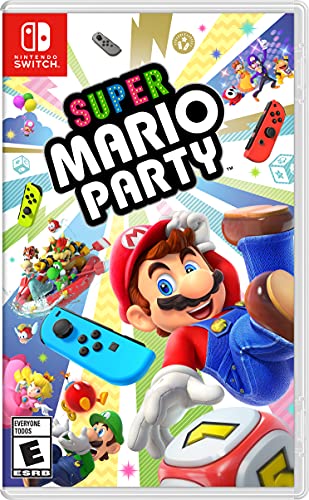
Super Mario Party (US Version)
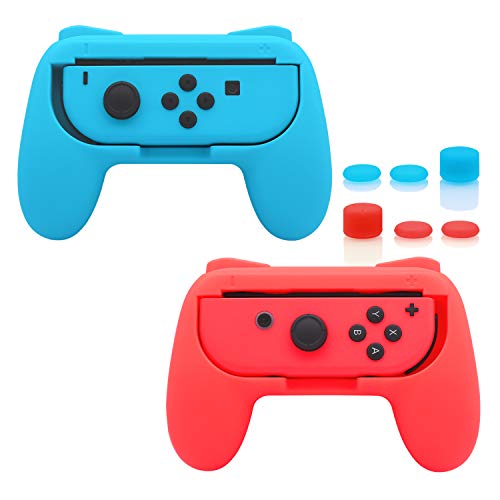
FASTSNAIL Joy-Con Grips (Switch/OLED)

PowerA Pokemon Joy-Con Grip (Pikachu)

MAYFLASH GameCube Adapter (4 Ports)

PowerA Enhanced Wireless Controller (Peely)

Nintendo Switch Pro Controller
The Strengths Of Each Pick
This Japanese-import amiibo set pairs Rosalina with Chiko, a character most Western shelves never carried. For Smash players who also love collecting, that scarcity is the whole appeal: you get a working figure plus a display piece that stands out in a lineup of common imports.
Compatibility is straightforward, since amiibo work with Wii U and 3DS titles that read NFC (near-field communication, the short-range wireless tech that lets the figure talk to your system). Smash Bros. recognises the figure for in-game unlocks, so it earns its keep beyond the shelf.
Useful Strengths
- Rosalina figure with the rare Chiko partner adds display value for amiibo collectors.
- Smash Bros. compatibility grants in-game rewards when scanned.
- Japanese import fills a gap that US and EU releases never covered.
- NFC scanning feels consistent across supported Wii U and 3DS titles.
Things To Consider
- Regional packaging and language labels may bother collectors who want a uniform set.
- Import shipping can take longer than domestic orders, so plan ahead.
Whose Shelf It Belongs On
Collectors who already own the common Smash roster and want a Rosalina-themed figure that nobody else seems to have.
Look Elsewhere When
You only care about the controller and not the amiibo side; the Nintendo Switch Pro Controller suits everyday play better.
The Mario No.1 amiibo is the entry point most newcomers land on, and for good reason. Mario is the most-recognised face in the lineup, so the figure reads as the natural first purchase for someone starting a Smash-friendly amiibo shelf.
It works on Wii U and 3DS through NFC touch, registering on the GamePad or New 3DS with a satisfying tap. You can use it across multiple compatible titles, which spreads the value beyond a single game.
Everyday Wins
- Mario ranks among the most useful amiibo in Smash, so you get steady in-game perks.
- Compatible with both Wii U and 3DS, extending its usefulness across systems.
- The No.1 numbering marks it as part of the original Smash series, which collectors often look for first.
Honest Caveats
- Build quality is the standard plastic amiibo feel, so it can scuff if stored loose on a shelf.
- Wii U and 3DS systems are legacy hardware, so the figure’s main use is on older setups.
Feature Snapshot
Right Fit For
Newcomers building their first amiibo set and anyone who still plays Smash on Wii U or 3DS regularly.
Swap It Out When
You mainly play on Switch and want a controller-focused upgrade, since the PowerA Enhanced Wireless Controller fits that bill.
Super Mario Party is not a Smash Bros. controller, but it earns its place on this list because Smash nights often turn into broader Nintendo party nights. When the lobby wants a break from edgeguards, this game keeps everyone playing together.
It runs on Nintendo Switch, supports four players on one screen, and the online play keeps long-distance groups in the rotation. Compared to the FASTSNAIL grips that focus purely on hardware, this pick adds a software option that fills the gaps between Smash sessions.
Real-World Strengths
- Classic 4-player Mario Party board mode works locally and online, giving you flexible play.
- Character-specific dice blocks add a small strategic layer that keeps matches interesting.
- Toad’s Rec Room mode uses two Switch screens together, which is a fun twist for couch play.
Points To Keep In Mind
- Not a Smash title, so it complements your controller setup rather than replacing Smash sessions.
- Some minigames reward motion controls, so a single Joy-Con in each hand works better than a Pro Controller here.
Who It Suits Best
Households and friend groups who want a varied Switch rotation and need a break from competitive Smash sets.
A Better Fit Elsewhere
Hardcore Smash players wanting pure controller performance should pick the MAYFLASH GameCube Adapter instead.
Stock Joy-Cons get uncomfortable after about an hour of Smash, and that hand cramp is what the FASTSNAIL grip kit fixes. It slides onto each Joy-Con, adding rubberised edges and a wider profile so the controller actually fills your palm.
The kit is also compatible with the OLED model, which is helpful if you have moved up to the newer console. Unlike the PowerA Pokemon grip, this one keeps the Joy-Cons themselves instead of replacing them.
What It Does Well
- Matte rubber surface keeps the Joy-Cons from slipping during sweaty tournament-style sets.
- Wider grip reduces hand fatigue, which matters during two-hour Smash sessions.
- Scratch-free material helps protect the Joy-Con shells from scuffs and table drag.
- Extends SL and SR button accessibility, so you reach them without thumb gymnastics.
Trade Offs
- Adds bulk, so pocket portability takes a small hit compared to bare Joy-Cons.
- Rubber can attract lint over time, especially if tossed into a bag between uses.
Best Suited To
Smash players who play handheld a lot and want longer sessions without the standard Joy-Con hand strain.
Consider Something Else When
You want a full gamepad-style controller; the Nintendo Switch Pro Controller gives a more traditional grip.
The PowerA Pikachu grip is a frame-style comfort grip, meaning you slide each Joy-Con into the ends and end up with a single, full-sized-feeling controller. That alone fixes a lot of handheld ergonomics for Smash players who prefer a traditional shape.
The Pikachu yellow shell makes the grip instantly recognisable on a crowded Switch stand, and the double-injected rubber adds a soft touch on the back. Compared to the FASTSNAIL kit, this option consolidates the Joy-Cons into one unit rather than adding to them.
Points In Its Favor
- Lightweight frame keeps handheld Smash comfortable for longer play stretches.
- Double-injected rubber grips absorb sweat better than hard plastic shells.
- Pikachu theme adds personality for Pokemon fans without screaming “kid toy.”
Some Limits To Know
- Holds Joy-Cons in place but does not charge them, so you still need a dock or cable.
- Frame design blocks the shoulder buttons slightly more than bare Joy-Cons, which can take adjustment.
Quick Facts
Perfect Match For
Pokemon-loving Smash players who want a themed upgrade over bare Joy-Cons without buying a new gamepad.
Skip It When
You want wireless freedom; the PowerA Enhanced Wireless Controller handles that need.
The MAYFLASH adapter is the bridge that lets you use your old GameCube controllers on modern systems, and competitive Smash players treat those pads as the gold standard for a reason. The familiar stick, trigger, and C-stick layout translates directly into muscle memory for wavedashes and shield drops.
It supports up to four controllers, switches between Wii U, PC, and Switch modes, and works with both wired and wireless GameCube pads. That cross-platform flexibility is what separates it from the simple Joy-Con grips earlier in this list.
Good Reasons To Consider
- Four-port design supports full four-player Smash sessions without swapping cables.
- Mode switch on the side lets you jump between Wii U, PC, and Switch setups quickly.
- Maintains vibration feedback, which is rare for a third-party adapter.
- Works with wireless GameCube controllers, so you can keep your play space tidy.
Practical Considerations
- You need to supply your own GameCube controllers, which adds to the total cost.
- Some setups may require a driver download on PC, which can be a small speed bump.
Key Specs
Who Should Grab It
Competitive or tournament-minded Smash players who already own GameCube pads and want a reliable adapter.
Another Choice May Suit
Casual players without legacy pads should look at the Nintendo Switch Pro Controller, since it works out of the box.
The PowerA Enhanced Wireless Controller delivers a full gamepad feel with a banana-themed shell, which is either a selling point or a dealbreaker depending on your taste. The Peely skin comes from Fortnite, and PowerA has officially licensed it for Switch use.
It uses Bluetooth 5.0 (a low-energy wireless standard that improves connection stability and battery life over older Bluetooth versions), which is a step up from the wired grip accessories on this list. The result is a controller that competes with the Pro Controller on flexibility while adding a more playful look.
Positive Takeaways
- Wireless design cuts the cable clutter during long Smash sets on the couch.
- Officially licensed for Switch, Switch Lite, and OLED, plus the newer Switch 2.
- Bluetooth 5.0 keeps the connection stable during fast-paced multiplayer.
- Peely design gives your setup a distinct look without losing standard button layout.
Worth Bearing In Mind
- The C button is not available, so it may not match every Nintendo Switch 2 function.
- Wireless means you need to charge it, and battery life varies by use.
Made For
Switch owners who want a wireless third-party pad and enjoy the Fortnite-inspired Peely design.
Where A Sibling Pick Shines
You want a more neutral, official-feeling pad; the Nintendo Switch Pro Controller fits that profile better.
The Nintendo Switch Pro Controller is the pad most Smash players eventually buy, and for good reason. It feels like a full-sized console controller, the sticks and triggers have a familiar layout, and the wireless range covers a whole living room without lag.
It works with Switch, Switch Lite, and the OLED model, and it comes with a USB-C charging cable ready to go. For anyone stepping up from Joy-Cons, this is the most natural upgrade on the list.
Strong Points
- Standard full-sized gamepad shape reduces hand fatigue compared to small Joy-Cons.
- Wireless design pairs quickly with the Switch, no adapters needed.
- USB-C charging keeps the cable simple if you already own a Switch charger.
- HD rumble and motion controls stay available, so supported games use them fully.
Where It May Fall Short
- Pricier than third-party pads, so it sits at the top of the budget for most shoppers.
- No GameCube-style C-stick or trigger, which some Smash purists still prefer.
At A Glance
Who Will Love This
Daily Switch players who want a comfortable, official pad and do not need a GameCube-style layout.
Not Your Match When
You swear by GameCube controllers; the MAYFLASH adapter is the better bridge for that setup.
Picking The Right Setup For Your Playstyle
Match The Pad To Your System
Start with the console you play on most. Wii U and 3DS owners get real value from amiibo figures like the Mario No.1 or the Rosalina and Chiko import, because those systems read NFC natively. Switch and Switch 2 players should focus on grip and controller upgrades, since the Joy-Cons are the main weak spot for Smash on handheld.
A GameCube-style layout, often called the “GCC layout” in the Smash community, is the long-time competitive favourite. C-stick on top, large main buttons, a real trigger. If that is your reference, the MAYFLASH adapter is the bridge that lets you keep using it on modern consoles.
Weigh Comfort Against Portability
Handheld sessions punish your hands over time, so a grip like the FASTSNAIL kit or the PowerA Pikachu frame is a smart pick. Each one tackles comfort differently: the FASTSNAIL keeps your Joy-Cons separate and adds rubber edges, while the PowerA grip merges them into a single gamepad shape.
For couch play, full-sized wireless pads like the Pro Controller or the PowerA Enhanced reduce strain and free you from cables. The trade-off is cost and the fact that you cannot slip them into a pocket for a commute.
Think About Your Group And Genre
If your Smash nights blend into Mario Party, board games, and other party titles, adding Super Mario Party to the mix keeps the energy varied. The game supports four players locally and online, so it works for both living room sessions and long-distance groups. Competitive-only players can skip it and invest the budget in better hardware instead.
Key Considerations Across These Picks
Wrong Turns To Avoid
A common slip is buying a third-party controller without checking if it works with the Switch 2, especially since newer firmware updates occasionally block older pads. Double-check the listing for Switch 2 compatibility before committing. Another trap is grabbing a wireless controller and forgetting that it still needs charging, so keep a USB-C cable nearby for those longer tournaments.
Where The Extra Money Goes
Spending more on the official Pro Controller mostly buys refined sticks, better triggers, and tighter build quality, all of which matter during long Smash sets where cheap sticks start to drift. The jump from a $20 grip to a $70 controller is really a jump from comfort fixes to full competitive hardware, so match your spend to how seriously you take the game.
Frequently Asked Questions
What Controller Do Most Smash Players Use?
Most competitive Smash players use GameCube-style controllers, often via the MAYFLASH adapter on Switch. Casual players tend to use the Switch Pro Controller or Joy-Cons, depending on whether they play handheld or on the TV.
Are Third-Party Switch Controllers Good For Smash?
Yes, many third-party pads work well for casual and mid-level play. Look for officially licensed models, a comfortable grip, and confirmed Switch or Switch 2 support before buying.
Do Amiibo Actually Help In Smash?
Amiibo can unlock spirits, costumes, and other in-game content in Smash titles that support them. They do not change competitive balance, so their value is more about collection and bonus features.
Can I Use A GameCube Controller On Switch?
Yes, with an adapter like the MAYFLASH 4-port model. Plug the adapter into the Switch dock or PC, then connect your GameCube controllers into the adapter ports.
Is The Pro Controller Better Than Joy-Cons For Smash?
The Pro Controller is generally more comfortable for long sessions and offers a familiar gamepad layout. Joy-Cons are fine for short matches or local multiplayer when you need a second controller quickly.
Final Verdict
The right Smash setup depends on how you actually play. Competitive players running GameCube pads will get the most from the MAYFLASH adapter. Daily Switch players will feel the biggest comfort jump with the Pro Controller. Handheld fans and party hosts have strong options in the FASTSNAIL grips, PowerA Pikachu frame, and Super Mario Party. Pick the one that matches your system, your grip, and the kind of matches you play most, and your hands will thank you after the next long set.



