


Finding a gaming system kids actually love, rather than one parents regret buying, takes more than scanning the first listing you see. Some setups turn the living room into a sweaty dance floor, others deliver quiet puzzles for the back seat, and a few lean on classic 8-bit charm for a screen-free nostalgia hit. The trick is matching the hardware to the child, the household, and the kind of play you want to encourage.
This guide covers nine options worth knowing about, from camera-based motion systems and HDMI retro boxes to pocket-sized handhelds. Each one solves a different problem, so the right pick depends on age, space, and how loud you want weekends to get.
A Fast Comparison Of The Options

Lywjyb Birdgot Gamer Gift Video Game Console Merch

Nex Playground Active Play System for Kids & Families

RRTFV Wireless Retro Game Console
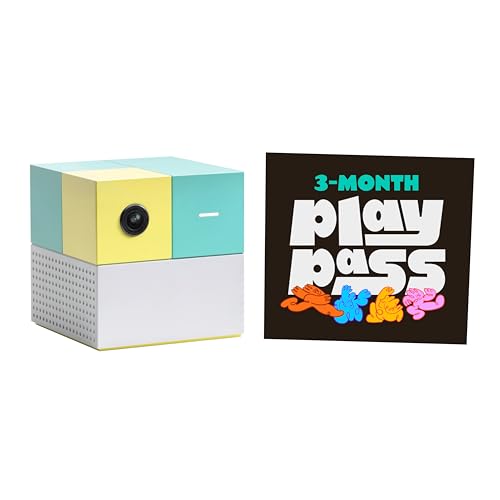
Nex Playground Active Play System + 3-Month Play Pass
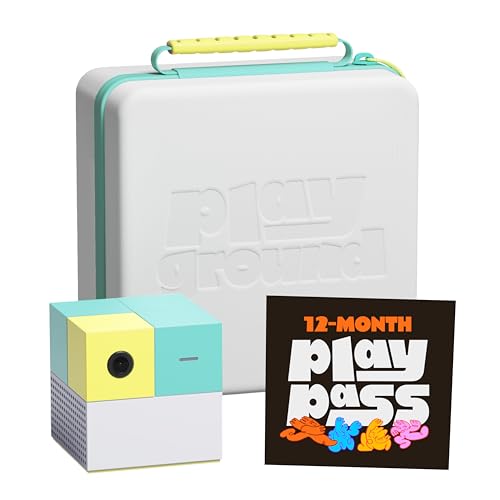
Nex Playground Complete Family Bundle with Travel Case & 12-Month Play Pass

KOQQQ Tic-Tac-Toe Bolt 4-in-1 Handheld Puzzle Console (Cyan)

KOQQQ Rechargeable Tic-Tac-Toe Bolt 4-in-1 Handheld Puzzle Console (Blue)

KOQQQ Rechargeable Tic-Tac-Toe Bolt 4-in-1 Handheld Puzzle Console (Cyan)

KOQQQ Rechargeable Tic-Tac-Toe Bolt 4-in-1 Handheld Puzzle Console (Yellow)
More On The Choices That Made The List
This pick earns its spot mostly on price and simplicity. It is a plug-and-play style item aimed at casual gifting rather than serious gaming sessions, and the appeal is closer to novelty merchandise than a long-term hardware investment. The shape of the unit is small enough to toss in a stocking, which is the main reason anyone considers it in the first place.
It is also the most limited item in this lineup, and that is the honest read. The category here is essentially “kid-friendly electronic that costs very little,” so anyone expecting HDMI output or multi-game libraries should set those expectations aside. For a quick add-on gift or a backup entertainment option, it has a place, but most households will want something with more substance as a primary console.
Everyday Advantages
- Low entry cost makes it an easy impulse or stocking-stuffer gift.
- Plug-and-play setup means zero configuration for kids or parents.
- Compact footprint slips into a drawer or travel bag without effort.
- Fits households that just want a token “gamer” item on the shelf.
Honest Caveats
- Game library and feature set are minimal compared with every other pick here.
- Build and longevity tend to feel closer to a novelty than a long-term console.
Who It Suits Best
Shoppers looking for a tiny token gift rather than a primary gaming system for regular play.
Look Elsewhere When
The Nex Playground family fits better for anyone wanting an actual library of games their child will return to week after week.
The Playground flips the usual console script: instead of a kid sinking into a couch with a gamepad, the system uses a built-in camera and AI to track body movement. Up to four players can jump in at once, which makes it an unusually social piece of hardware for a category that usually rewards solo couch play. Compared with the first pick, this is a real piece of gaming kit, not a novelty.
It ships with five starter games covering a reasonable spread of energy levels, from Fruit Ninja to a more relaxed rhythm title. The trade-off shows up when the family wants more than the bundled set, because a Play Pass subscription is how the rest of the library unlocks. For rainy weekends, indoor playdates, and households that want kids moving rather than sitting, the system earns its place.
Benefits That Matter
- Controller-free design means no lost hardware and faster onboarding for younger kids.
- Multiplayer support for up to four players turns it into a party anchor.
- AI motion tracking gets kids off the couch without forcing structured exercise.
- HDMI hookup keeps the existing TV doing the heavy lifting.
Things To Consider
- The full game library requires a separate Play Pass subscription after the bundled titles wear thin.
- Needs enough open floor space in front of the TV for the camera to track movement reliably.
Key Specs
Made For
Active families who want screen time that involves movement, and households that host regular playdates or gaming nights.
Consider Something Else When
The RRTFV Wireless Retro Game Console suits a different crowd: households that want shared TV sessions built around classic titles rather than motion-based party play.
The RRTFV box leans hard into nostalgia. It plugs into any modern TV via HDMI and supports 4K output, which sounds odd for an 8-bit era library but does keep the picture clean on big living-room sets. The two 2.4GHz wireless controllers free the couch from cable spaghetti, and that detail alone is what makes it work for family co-op nights.
Setup is genuinely short: HDMI out, USB power, and the controllers sync without a pairing dance. Kids who have never seen a side-scrolling platformer will treat these games like novelties, while parents and older siblings will get the throwback appeal. It is a low-fuss way to share a screen across generations, especially for households that want gaming to feel like a group activity rather than a private hobby.
The Helpful Details
- Wireless controllers remove the reach-and-trip hazard that plagues cheaper retro boxes.
- 4K HDMI output keeps visuals crisp on modern living-room TVs.
- Library covers the kind of classic arcade and platformer titles grandparents recognize instantly.
Trade Offs
- The bundled game selection runs leaner than what a subscription-based platform offers.
- Retro visuals and difficulty curves can feel flat to kids raised on modern 3D games.
Feature Snapshot
Right Fit For
Multi-generational households where parents want to introduce kids to the games they grew up playing, no subscription required.
Skip It When
The Nex Playground Complete Family Bundle makes more sense for active homes that want licensed characters and fresh monthly content rather than a fixed retro library.
This bundle pairs the standard Playground console with a 3-month Play Pass, which is the shortest commitment the brand sells. It is the gentlest on-ramp into the system for households that want to test the water before locking in a year of subscription fees. The body-tracking camera still drives everything, so the experience mirrors the standard console on launch day.
What the Play Pass actually adds is the bigger catalog: licensed characters and themed games that go well beyond the five included titles. The short window keeps the experiment honest, and if kids stop asking after a few weeks, you have not committed to a longer plan. It feels like a sensible middle step for first-timers.
Useful Strengths
- Lowest subscription commitment lets you gauge interest before renewing.
- Same controller-free, AI motion experience as the standalone console.
- Four-player support stays intact for siblings and visiting friends.
Points To Note
- After three months the library shrinks back to bundled titles unless you re-subscribe.
- Bundle price runs higher than the bare console, which only makes sense if the catalog will actually get used.
Quick Facts
Who Should Grab It
Households that have never owned a motion-play system and want to trial the concept without a year-long lock-in.
Reach For A Different Pick When
The KOQQQ rechargeable handhelds suit quieter situations like long car rides, where motion tracking would be impossible in a back seat.
This is the most complete package Nex Playground sells: the console, a full year of Play Pass, and an official travel case that protects the unit between destinations. If the family is already convinced motion play fits their routine, skipping straight to the 12-month tier usually pencils out better per month than renewing short passes. The case is the sleeper feature here, because the camera module is the part most likely to suffer in transit.
The library that comes unlocked spans licensed names like Barbie, TMNT, and Peppa Pig, which broadens the appeal across different age groups living in the same house. Compared with the 3-month bundle, this assumes a commitment to the platform. For households that host holidays at grandparents’ houses or have a second TV elsewhere, the case earns its keep quickly.
Reasons It Performs
- 12-month Play Pass gives the lowest per-month cost across the bundle tiers.
- Travel case protects the camera hardware during moves and storage.
- Licensed character games pull in younger siblings who would otherwise lose interest.
Where It Is Less Suited
- Highest upfront cost of the Playground line, so a wrong fit hurts more.
- Subscription is the only way to access the best-known character titles.
At A Glance
Best Suited To
Families who already know motion play fits their home and want the cheapest long-term path to the full library, plus safe transport between locations.
Another Choice May Suit
The 3-month bundle fits shoppers who want to confirm the system holds their kids’ attention before committing to a year of subscription fees.
The Tic-Tac-Toe Bolt trades the spectacle of a TV-bound console for something that fits in a coat pocket. It crams four mini-games into a single handheld: classic tic-tac-toe, a two-player battle mode, a memory flash round, and a whack-a-mole variant. For waiting rooms and long drives it solves the specific problem of needing entertainment that does not require a screen, a controller, or a flat surface bigger than a lap.
The catch with this version is the power source. It runs on two AAA batteries tucked into the underside of the unit, which is fine until you forget to swap them mid-trip. Compared with the Nex Playground family, the experience is far simpler, but that is the entire point. Kids get a small tactile challenge instead of a big-screen production.
Everyday Wins
- Pocketable size makes it a default toss-in for any travel bag.
- Four game modes in one unit extend the novelty beyond tic-tac-toe alone.
- No screen glare or sound bleed, so it works in quiet public settings.
Small Caveats
- Requires two AAA batteries, which die at the worst possible moment on long trips.
- Button-based play feels limited once kids are used to touchscreens or controllers.
Whose Shelf It Belongs On
Parents who want a small, low-stakes entertainment option for car seats, restaurant tables, and any moment screens feel inappropriate.
Swap It Out When
The RRTFV Wireless Retro Game Console fits households that want shared TV sessions instead of solo handheld play.
The rechargeable KOQQQ keeps the same four mini-games as its battery sibling but swaps the AAA dependency for a built-in battery. That single change reshapes the ownership experience: a top-up before bed replaces the steady drip of battery purchases, and parents stop stocking cells they will eventually throw half-used into a drawer.
For a household that already lives with chargers, tablets, and a tangle of USB-C cables, the recharge cycle blends in without adding friction. The games themselves are light puzzles rather than skill tests, so this works best as a between-activities distraction rather than a primary entertainment source. Compared with the first KOQQQ entry, the upgrade is small but very real in daily use.
Why It Works Well
- Rechargeable battery removes the long-term cost and waste of disposable cells.
- Same four game modes as the battery version, so no learning curve for kids.
- Handheld form keeps it useful in restaurants, planes, and waiting rooms.
Things To Weigh
- Game depth is shallow, so attention may drift after a few weeks of regular play.
- You depend on the included cable staying in one piece, which is the usual weak point on small electronics.
Perfect Match For
Families already used to recharging their devices who want a quiet, screen-free toy that does not demand a battery stash.
A Better Fit Elsewhere
The Tic-Tac-Toe Bolt in cyan makes a sensible alternative when the household prefers the option of running on disposable batteries instead of tracking a charging cable.
The cyan rechargeable Bolt is functionally identical to its blue sibling, which makes the buying decision more about taste than specs. Cyan reads as a softer, more neutral color in the hand, and that small detail matters when the device lives on a shared kitchen counter or in a sibling drawer. Both kids can pick the unit without arguing about whose turn it is to choose a color.
For two-child households, the practical ownership question is usually whether to buy one unit or two. One Bolt keeps turn-taking honest, two keeps arguments at bay. The rechargeable build here means the cost of running two units stays low over time compared with battery-powered alternatives, which is the strongest argument for grabbing a pair.
Noteworthy Benefits
- Rechargeable design keeps the ongoing cost low for households that buy more than one.
- Soft cyan finish appeals to kids who prefer cooler tones.
- Turn-based play modes encourage shared play between siblings.
Practical Considerations
- Single unit between two kids can spark the usual sibling disputes.
- Charging cable is shared household infrastructure that tends to wander off.
Who Will Love This
Parents with two or more children who want quiet, shared entertainment and would rather skip disposable batteries.
Where A Sibling Pick Shines
The yellow rechargeable Bolt works better for a household where one child gravitates to brighter, warmer colors and wants their own unit.
The yellow Bolt closes the list on a warm note. It carries the same rechargeable internals and four game modes as the other KOQQQ handhelds, so the only real question is which color sits best in the bag or on the shelf. Yellow tends to win for younger kids, partly because the color is easier to spot at the bottom of a toy bin.
For travel, the bright finish doubles as a visibility hack: a yellow handheld is much harder to leave behind in a rental car or a hotel room. That alone makes it a smart pick for grandparents who watch the grandkids for a weekend and need gear that survives the trip. It is a small, friendly closing entry for a category that otherwise trends toward bigger, louder hardware.
Strengths Worth Knowing
- Yellow color is easy to spot in cluttered bags and busy rooms.
- Rechargeable build avoids the disposable battery treadmill.
- Light puzzles suit younger children still building memory and pattern skills.
Honest Caveats
- Memory and tic-tac-toe loops get predictable faster than bigger console libraries.
- Smaller buttons can frustrate kids whose hands are still growing.
Built With In Mind
Younger kids and travel-ready families who want a visible, easy-to-grab handheld that does not need screen time.
Not Your Match When
The Nex Playground Active Play System is the better fit for kids who need more stimulation than four mini-games can provide.
What Matters Most Before Choosing Consoles For Kids
Age and Skill Range at Home
Start with the youngest regular player, since that profile sets the floor for everything from button complexity to screen time length. A four-year-old and a ten-year-old sharing a TV need very different hardware than a household of all teens. The Playground and Bolt lines both work across wide age ranges, while retro boxes skew toward kids old enough to appreciate the throwback.
Where the Console Will Actually Live
A TV-bound system needs a clear HDMI port, enough floor space in front of the camera, and a household that tolerates living-room chaos. A handheld only needs a pocket and a charging cable. Decide first whether you want a shared centerpiece or a personal item, because that choice narrows the list fast.
Library Size Versus Fixed Content
Subscription-based platforms reward long-term engagement but lock the best characters behind ongoing fees. Fixed-content retro boxes and handhelds cost less over time but lose novelty quicker. The right call depends on how often your kid rotates to new interests, and how comfortable you are with recurring charges.
Build Quality and Ongoing Costs
Cheap plastic and flimsy cables fail at the worst moments, especially on travel-heavy setups. Rechargeable handhelds tend to outlast their battery-powered siblings simply because the charging port becomes a habit. For TV consoles, check whether controllers are replaceable, because lost or broken controllers end up costing more than the console itself in many families.
Key Considerations Across These Picks
Common Buying Traps
It is easy to overbuy on subscription bundles before knowing whether the system fits the household, then get stuck paying for an unused library. A second trap is underestimating space: a motion camera needs room to track movement, and a cramped living room turns the experience into frustration. A third is treating cheap novelty items as primary consoles, which usually ends with a disappointed kid and a drawer full of forgotten electronics.
When Paying More Pays Off
The upgrade from a battery handheld to a rechargeable one looks small on paper but pays off every single month you skip buying cells. The jump from a bare console to a 12-month Play Pass makes sense only once the household has used the system enough to confirm long-term interest, and the included travel case earns its keep quickly for any family that moves the unit between rooms or houses. The honest read is that higher tiers reduce friction rather than adding new experiences, and that is exactly the kind of upgrade worth taking.



