


Sim racing on a tight budget usually means one big question: which headset actually gives a believable cockpit view without draining the wheel fund. Standalone units skip the PC tax, PC-tethered models trade convenience for fidelity, and a few picks here fill narrow roles like audio or mobile passthrough. The shortlist below mixes all three paths so you can match your rig, your platform, and your wallet without overspending on a category you might not even need.
How The Shortlist Stacks Up

Meta Quest 3S 256GB VR Headset

Oculus Quest 2 128GB Holiday Set

Oculus Rift S PC-Powered VR Headset

Meta Quest 2 256GB Renewed

Oculus Quest 2 128GB Set White

Oculus Quest 64GB VR Headset

Bionik Mantis VR Headphones

Mryzzsf 3D VR Glasses with Controller
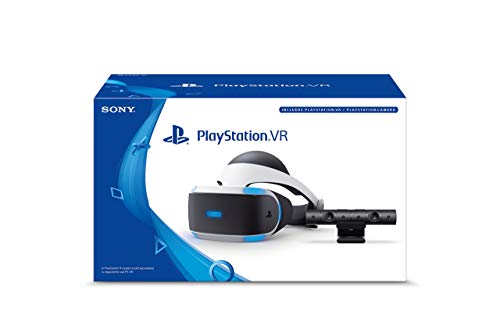
PlayStation VR + Camera Bundle Renewed
Taking A Closer Look At The Options
The Meta Quest 3S leans into the standalone category, which means no tether to a gaming tower and no extra GPU sitting between you and the cockpit. The 256GB of onboard storage leaves comfortable room for Assetto Corsa, Automobilista 2, iRacing, and a stack of smaller titles without constant library juggling.
For sim racers who want a single device that handles native Android-based titles plus PCVR streaming over Wi-Fi, the 3S pulls double duty in a way older Quest generations couldn’t. You may find the pancake-style lenses and refreshed chipset smooth enough to skip a dedicated PC headset entirely, which keeps the total cost picture far friendlier.
Noteworthy Benefits
- Standalone design removes the PC tether, so a wheel and pedals become the only big spend
- 256GB storage holds a large sim library without forcing constant deletions
- Modern XR2 Gen 2 silicon (the processor handling graphics and tracking) keeps load times quick and frame pacing steady
- Wireless PCVR streaming adds flexibility for higher-fidelity titles when a gaming PC sits nearby
- Mixed reality passthrough helps when checking your wheel position or shift LEDs
Worth Noting
- Native standalone sim catalog is smaller than PCVR’s, so streaming over Wi-Fi may become routine
- Facial interface foam tends to absorb sweat during long stints, so a third-party cover is a smart add-on
- Battery life of roughly two to three hours per charge is a real consideration during endurance events
Feature Snapshot
Who It Suits Best
Racers who want a single headset that covers both standalone sim titles and PCVR streaming without a dedicated tower investment.
Where Another Pick Suits Better
The Oculus Rift S is a smarter match for sim racers with a strong PC already in place who prefer a tethered experience over wireless streaming.
The Quest 2 128GB Holiday Set is the headset that taught a generation that VR didn’t need a tower. The included silicone controller grips add small but meaningful comfort, and the all-in-one form factor means your wheel, pedals, and shifter become the only major gear decisions.
For first-time sim racers, the 128GB internal storage will fill up fast once Assetto Corsa, iRacing, and a few flight or rally titles get installed. You can manage this by leaning on PCVR streaming for the heaviest installs, keeping the onboard space for the games you actually launch daily.
Everyday Advantages
- Mature ecosystem with a deep library of sim titles and community support
- 1832 x 1920 per-eye resolution (the pixel count delivered to each eye) keeps text and dashboard readouts legible
- Standalone or wired PCVR flexibility through the Link cable ecosystem
- Included controller grips improve grip security during sweaty endurance stints
Trade Offs
- 128GB fills quickly with full-size sim titles, so a storage strategy matters
- Older LCD panel shows more screen-door effect (the visible grid between pixels) than the 3S
Right Fit For
New sim racers building a first cockpit who want proven hardware with a large accessory ecosystem behind it.
Skip It When
The Meta Quest 3S makes more sense for shoppers who can stretch the budget slightly and want newer optics and storage headroom.
The Rift S was designed from the ground up around the idea of a comfortable, PC-bound sim experience. The halo strap (a single band that wraps over the crown of the head, balancing weight at the forehead and back) sits in a way that holds steady through long stints, and the quick twist fit wheel lets you re-dial the fit between sessions without a fight.
Inside the lenses, improved optics with reduced screen-door effect make reading brake bias digits and flag signals easier than older Fresnel designs (lenses with stepped concentric rings that can cause glare). For sim racers who already own a capable gaming PC, this is a purpose-built PCVR entry point that avoids the wireless streaming tax.
What Helps Most
- Halo strap design keeps the headset stable through aggressive wheel inputs
- Improved lens stack reduces the visible pixel grid during high-speed cornering
- Tethered DisplayPort connection (a high-bandwidth video link standard) sidesteps the compression artifacts (visible quality loss from data compression) that can affect wireless streams
- Inside-out tracking (cameras on the headset itself rather than external sensors) keeps your rig setup clean
Possible Compromises
- No standalone mode means the headset is a paperweight without a PC nearby
- Discontinued status means third-party support and parts will fade over time
- 5-meter cable routing can interfere with pedal mounting if your cockpit is tight
Quick Facts
Made For
Sim racers with a mid-to-high tier gaming PC who prefer a wired, low-latency pipeline over wireless streaming for competitive sessions.
Consider Something Else When
The Meta Quest 3S is the stronger call for anyone who wants a single headset that doubles as a standalone unit and a PCVR display.
Going refurbished on the Quest 2 256GB is the move for racers who want the storage headroom of the larger SKU (stock-keeping unit, meaning the specific storage variant) without paying the new-unit premium. The core experience matches the standard Quest 2 closely, since the headset hardware itself didn’t change.
Renewed units can vary in cosmetic condition, and the listing includes the same 1832 x 1920 per-eye display as the standard 128GB version. For most sim racers, the meaningful difference comes down to condition and price rather than any new feature unlocked.
Everyday Perks
- 256GB storage addresses the 128GB model’s main pain point
- Same mature sim ecosystem as other Quest 2 units
- Wired Link and wireless streaming both supported for PCVR duty
Potential Drawbacks
- Refurbished cosmetic condition can vary, so inspect on arrival
- No manufacturer warranty upgrade path beyond the renewal guarantee
Best Suited To
Budget-minded sim racers who want the larger storage tier and accept the cosmetic variability of refurbished electronics.
Look Elsewhere When
The Oculus Quest 2 128GB Set White is worth preferring for shoppers who want a brand-new factory seal and don’t mind managing storage.
The plain white Quest 2 128GB set has been the workhorse of budget VR since launch, and for sim racing it does the basics well without a learning curve. The headset pairs easily with virtual desktop setups (software that mirrors your PC screen into the headset) so you can launch Steam VR titles without a cable.
Inside the lenses, the 1832 x 1920 per-eye LCD keeps track-side objects readable, which matters when you need to spot a braking marker at the end of a long straight. The all-in-one form factor means you can grab the headset between gaming sessions for a quick race without a full room setup.
Positive Takeaways
- Mature controller tracking and hand-tracking system (cameras that follow your finger positions)
- White finish shows dust and sweat more clearly, which paradoxically helps with cleaning routines
- Strong accessory ecosystem for wheel stands, facial interfaces, and cable clips
- Compatible with both standalone and PCVR workflows
Some Limits To Know
- Same screen-door effect concerns as the other Quest 2 variants
- 128GB storage requires some library curation over time
- Three-position IPD adjustment (interpupillary distance, the spacing between your pupils) is limited for faces outside the standard range
Spec Overview
Who Will Love This
Casual sim racers who split time between native Quest titles and PCVR streaming, and who don’t mind rotating installs.
Not Your Match When
The Meta Quest 3S is the better buy for anyone prioritizing newer optics and faster load times over saving a few dollars.
The original 64GB Quest keeps the entry bar low for sim racers who want to test whether VR cockpit driving clicks for them. Inside-out Insight tracking (cameras on the headset that map your position in the room) eliminates the external sensor clutter that made older PCVR setups feel like a permanent room install.
For shoppers eyeing a starter headset, the trade-off shows up in storage. 64GB fills up fast on a sim-heavy diet, so expect to keep a couple of racing titles installed and rotate everything else.
The Practical Payoff
- Lowest barrier to standalone VR cockpit driving in this shortlist
- Touch controllers offer solid hand presence for menu navigation
- Simple setup through the Oculus mobile app gets you driving quickly
Where It Is Less Suited
- 64GB is the tightest storage tier here, so library discipline is essential
- Older chipset and optics show their age against the Quest 2 and 3S
- Active development focus has shifted to newer Quest generations
Perfect Match For
First-time VR shoppers testing the sim racing waters before committing to a higher storage tier or newer model.
Swap It Out When
The Oculus Quest 2 128GB Holiday Set is the smarter jump for anyone ready to install a fuller sim library out of the gate.
The Bionik Mantis isn’t a headset itself, but it solves a specific sim racing pain point: positional engine audio on the original PlayStation VR. Engine note direction helps a lot when you’re trying to read a draft on a straight or locate a rival in your mirrors.
The spring-loaded clip design attaches directly to the PSVR headset, and the 20-inch cable plugs into the PSVR’s audio port. Compared to swapping in bulky audiophile cans over a VR strap, this is a cleaner approach for console racers who want immersive audio without remounting the whole rig.
Where It Excels
- Adjustable clip design fits the PSVR headband securely
- Hi-Fi sound (high-fidelity audio, meaning cleaner and more detailed sound reproduction) helps engine note direction and tire audio cues
- Direct connection to the PSVR keeps setup simple, no extra wireless pairing
Honest Caveats
- Only compatible with the original PlayStation VR, not newer consoles or PC
- 20-inch cable length limits how far you can sit from the PSVR breakout box (the small adapter unit that connects the headset to your console)
- Adds noticeable weight to the front of the headset during long stints
Built With In Mind
PS4 sim racers using the original PlayStation VR who want positional engine audio without modifying their rig layout.
Reach For A Different Pick When
The PlayStation VR Headset + Camera Bundle Renewed is the broader entry point for console racers who don’t already own a PSVR.
The Mryzzsf mobile viewer drops the headset cost to its floor by using a phone as both display and processor. The FD and OD adjustments (focal distance and ocular distance, which control how the lenses focus for your specific eyesight) help align the image with your eye position, which matters a lot if you wear glasses.
For sim racers, this lands in a very specific niche: watching replays, onboarding videos, or mobile-only racing apps in a head-mounted viewer. Real-time PCVR-quality sim racing isn’t realistic here, so this is a content viewer more than a cockpit driver.
What Earns Its Place
- Lowest cost of entry on the entire shortlist
- FD/OD adjustments help users who wear glasses or have asymmetric eyesight
- Included Bluetooth remote handles play, pause, and volume without removing the headset
Where It May Fall Short
- Phone-powered design means no PC-grade sim fidelity, and no position tracking for cockpit movement
- Limited to phones between 5.0 and 7.0 inches, so larger phablets may not fit
- No controller tracking, so the bundled remote is your only input
Whose Shelf It Belongs On
Casual viewers and gift-givers who want a low-cost way to watch 3D mobile content rather than drive a sim rig.
Where A Sibling Pick Shines
The Meta Quest 3S is the right call for sim racers who need actual head tracking and room-scale movement at any budget.
The original PSVR keeps a loyal following among sim racers who already own a PS4, and the lightweight headset design makes long Gran Turismo sessions easier on the neck than bulkier options. Plug-and-play setup means you connect the headset and the camera to the console and you’re driving within minutes.
Because the platform is discontinued, refurbished availability has become the realistic entry path. Depending on the listing, condition varies, so inspect the headset and cable for wear before committing to a multi-hour race session.
Where It Delivers
- Lightweight headset design reduces neck fatigue during long stints
- Camera bundle included in one purchase, simplifying the entry path
- Established library of console sim titles on the PS4 platform
Factors To Consider
- Discontinued status means future game support is limited to existing titles
- Older display panel and tracking hardware show their age next to modern PCVR
- Refurbished units may show cosmetic wear that affects fit and seal
Who Should Grab It
PS4 owners who want a console-native sim racing setup and are comfortable buying discontinued hardware on the refurb market.
A Better Fit Elsewhere
The Meta Quest 3S is the stronger modern choice for console-adjacent sim racers who can pair it with PC streaming for a forward-looking setup.
Matching A Headset To Your Sim Rig Setup
Picking cheap VR headsets for sim racing comes down to a few honest trade-offs. The biggest one is whether your sim rig already has a capable PC behind it, because that single decision reshapes every other choice on the list.
Tethered Vs Standalone
PC-tethered headsets like the Rift S feed a direct DisplayPort signal, which means the graphics card on your tower renders every frame at full fidelity. The catch is mobility. You can’t move the headset to a different room without unplugging and rerouting the cable.
Standalone units like the Meta Quest 3S remove that tether but compress the image during wireless PCVR streaming. For most sim racers running at 90Hz refresh rates (how many times the display redraws the image per second, where higher means smoother motion), the compression is visible in dark tunnels and bright sky transitions, but not during typical cockpit gameplay.
Storage And Library Management
Storage tiers matter more for sim racers than for general VR users because sim titles tend to be large. Assetto Corsa Competizione, iRacing, and Automobilista 2 each push past 80GB once DLC packs are installed, so 64GB of onboard space disappears fast. The 256GB SKUs buy you breathing room without forcing a monthly uninstall ritual.
Platform Compatibility
Your platform of choice should drive the headset decision more than the headset’s spec sheet. PS4 owners are funneled toward the original PSVR, PC racers with strong GPUs can pick from the entire list, and console-free shoppers will lean toward standalone units that don’t need a tower at all.
Key Considerations Across These Picks
Common Shopping Slip Ups
A frequent trap is buying a cheap PC-tethered headset for a PC that doesn’t meet the GPU requirements, which leaves you with a headset that can’t run the games you bought it for. Another is assuming all “VR-ready” PCs can drive a tethered headset smoothly: sim titles at high refresh rates (the number of times the screen updates per second) are especially demanding.
What The Higher Tier Buys
Spending more on a newer headset typically buys better pixel density (more pixels per square inch, resulting in a sharper image), wider field of view (the angular size of the visible scene), and reduced screen-door effect. For sim racers, those gains matter most in the readability of dashboard text and the smoothness of fast cornering visuals. The upgrade pays off clearly if you race for more than a couple of hours per week, since eye strain drops noticeably on the better displays.
Frequently Asked Questions
Can a cheap VR headset really handle sim racing?
Yes, though expectations matter. Standalone units in this price range handle cockpit driving well, and PC-tethered models feed off your tower’s GPU for full-fidelity rendering. Heaviest sim titles benefit from a mid-tier graphics card regardless of which headset you choose.
Do I need a PC for VR sim racing?
Not necessarily. Standalone headsets run native sim titles and stream PCVR over Wi-Fi. Dedicated racing PCs are only required if you want maximum graphical fidelity or plan to run a triple-screen setup alongside the headset.
Is the original PlayStation VR still worth buying in 2026?
For PS4 owners who already own the console and a wheel, refurbished PSVR bundles can make sense as a budget console entry path. The discontinued status means future game support is limited, so plan to play existing library titles.
What refresh rate matters for sim racing?
90Hz is a comfortable minimum for cockpit VR, reducing motion sickness during fast cornering. Higher refresh rates (120Hz) feel noticeably smoother but require a stronger GPU and a compatible headset to take advantage of them.
How long do VR headset batteries last?
Most standalone units deliver roughly two to three hours of active use per charge. Endurance racers should plan for a charging routine or a nearby outlet, since a mid-race power drop in a wireless headset can cut a session short.



