


Setting up a DJ rig on a tight budget doesn’t mean settling for tinny sound or cables that quit after a month. Mobile DJs, bedroom producers, and house-party hosts all need the same core thing: reliable gear that gets the music out cleanly. This roundup focuses on affordable speakers, monitors, and the cables that tie a budget system together, so the signal chain stays solid from mixer to speaker cone.
The Essentials At A Glance

EBXYA XLR Cable 35ft 2-Pack Microphone Cable

GLS Audio Mic Cable Patch Cord 15 ft XLR

MCSPROAUDIO 5-Pack 10ft XLR Mic Cable

Disino 3.5mm to XLR Cable 10 ft

Yoico 2-Pack 100ft 1/4″ TS Speaker Cable

Yoico 2-Pack 100ft Speakon to 1/4″ TS Cable

Yoico 2-Pack 100ft Speakon to Speakon Cable
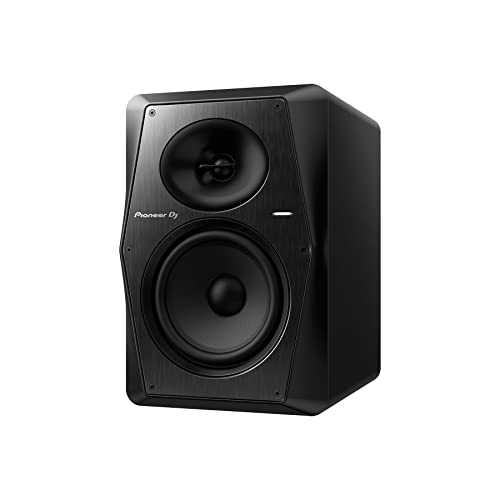
Pioneer DJ VM-70 6″ Active Monitor (Black)

PRORECK Dance 12 Portable 1000W PA System

Pioneer DJ DM-40-W 4″ Active Monitor Pair
A Breakdown Of The Leading Choices
Long cable runs are where mobile rigs live or die, and 35 feet of XLR gives you real reach from the booth to the speaker stack. The two-pack format means you can wire a matched pair of tops without mixing brands or buying singles. Compared to the GLS Audio patch cable that follows, this one trades compactness for distance.
The 3-pin XLR connectors are the balanced pro standard for microphones and line-level signals. Balanced cables reject noise over long runs, which matters in a venue full of dimmer packs and wireless gear. For someone running a mic from the dance floor back to a mixer at the bar, that length is genuinely useful.
Well-Handled Touches
- Two cables in the box means matched runs for stereo or redundant feeds.
- 35-foot length clears most small-to-mid venue layouts without an extension.
- Balanced XLR signal path holds up against typical stage interference.
- Useful for both vocal mics and run-from-mixer feeds to powered tops.
Things To Consider
- 35 feet may be excessive for tight setups where a 10 or 15-foot cable reduces slack and trip risk.
- Bulk cable coils can tangle in transit; figure-eight wrapping helps during load-out.
Feature Snapshot
Who It Suits Best
Mobile DJs running mics or signals across medium-sized venues who want a matched pair without buying singles.
Consider Something Else When
The GLS Audio Mic Cable Patch Cord is the right call for short rack-to-mixer jumps where 15 feet is plenty.
Fifteen feet covers most patch-bay jobs where a mic sits a few feet from a stage box or a mixer tucks under a table. The locking metal connectors on GLS Audio’s cable click firmly into XLR jacks, which matters when a kick drum vibration can rattle a loose connector mid-set. Relative to the EBXYA two-pack that leads this list, this is the single-cable, short-distance option.
Patch cables rarely get the glory, but they handle the most connect-and-disconnect cycles in a working rig. Locking connectors reduce accidental unplugs, and the flexible jacket makes the cable sit flat along a stage edge. For the home recordist or the mobile DJ who needs a reliable backup, a 15-foot XLR earns its slot.
Useful Touches
- 15-foot length handles most rack and small-stage patches without slack.
- Locking metal XLR connectors resist accidental disconnects during a set.
- Flexible jacket lays flat along stage edges and cable ramps.
- Works equally for mics, mixers, powered speakers, and audio interfaces.
Points To Note
- Single-pack only; stereo pairs require buying two or another multi-pack.
- At 15 feet, larger venues may still need the longer EBXYA run.
Made For
Home studios, small stages, and rack-to-mixer runs where 15 feet is exactly the right reach.
Look Elsewhere When
The MCSPROAUDIO 5-pack is the smarter pickup for outfitting a full mic locker at once.
Five matched cables at 10 feet each covers a complete mic locker for the price of a single premium brand. The serviceable connectors here open without tools, which is genuinely useful when a pin bends at 11pm and the venue is closing. Compared to the GLS Audio single-pack, this is a volume play.
Ten feet is a common sweet spot for vocal mics on a stand, close-range DI boxes, and small stage patches. Cables at this length coil easily and store in a small drawer or bag pocket. For anyone building a first rig or replacing aging cables, the five-pack format brings consistency across the whole locker.
Positive Points
- Five matched cables let you wire an entire mic setup in one purchase.
- 10-foot length suits the most common vocal and instrument mic distances.
- Flexible jacket resists kinking and stays manageable in a gig bag.
Trade Offs
- 10 feet is short for drum mic runs or wide stages; longer cables may still be required.
- A single failure inside a multi-pack means the rest keep working, but you carry a spare anyway.
Best Suited To
Newcomers building a first rig or mobile DJs replacing an aging cable collection on a budget.
Swap It Out When
The EBXYA 35-foot two-pack suits you better if long stage or booth runs are the priority.
Consumer devices and pro audio don’t share a connector, and that’s exactly the gap this cable fills. The 3.5mm TRS end plugs into a phone, laptop, or tablet, while the XLR male end drops into a mixer or powered speaker input. Compared to the full XLR-to-XLR cables earlier in this list, this is the bridge between everyday playback and a real PA.
Unbalanced cables over 10 feet can pick up noise, which is a real consideration in electrically busy venues. The cable is best used at short distances from the source device to the first mixer or speaker. Casual house-party setups, podcast rigs, and quick laptop-to-PA hookups are where it earns its place.
Benefits That Matter
- Bridges phones, laptops, and tablets to a mixing console or powered speaker.
- 10-foot length suits close-to-gear hookups without excess slack.
- Eliminates the need for a separate DI box in casual setups.
Honest Caveats
- Unbalanced signal path is more vulnerable to buzz over longer distances.
- Not suited for microphone use; this is line-level only.
Who Should Grab It
Hosts and casual DJs who need a quick phone-or-laptop-to-PA connection for small events.
Where Another Pick Suits Better
The MCSPROAUDIO 5-pack is a better fit when full mic-to-mixer XLR runs are the main job.
Speaker cable isn’t glamorous, but 12 AWG wire over 100 feet is the kind of reach that lets a single amp push a pair of tops across a big room. The 1/4-inch TS ends fit the speaker-level outputs and inputs on a wide range of amps and passive cabinets. Compared to the XLR cables earlier, this runs at speaker level rather than mic level, and that’s a different signal path entirely.
12 AWG wire keeps resistance low across long distances, which preserves the amplifier’s damping and the speaker’s tight low end. PVC jackets hold up to coil-and-toss storage in a road case. For a wedding DJ working a ballroom or a church gym, a 100-foot run is normal, not excessive.
The Value In It
- 100-foot run per cable clears most large-room layouts without splicing.
- 12 AWG conductor preserves bass response and amplifier control.
- Two-pack supports a stereo speaker pair from one purchase.
- 1/4″ TS ends fit common amp and passive speaker jacks.
Less Ideal Details
- TS connectors are not locking; a gentle tug can disconnect mid-event.
- 100 feet is heavy to spool and store compared to shorter runs.
Right Fit For
Mobile DJs and event hosts running passive speakers in ballrooms, gyms, and large tents.
A Better Fit Elsewhere
The Yoico Speakon to Speakon cable is the smarter choice for powered tops with locking Speakon inputs.
Mixing gear with different connector types is one of the small headaches of building a PA on a budget. This cable solves the common case of an amp with 1/4-inch outputs feeding a powered top or passive cabinet with a Speakon input. The Speakon side locks with a twist, so the speaker end stays put even if someone bumps the cable.
Same 12 AWG conductor and 100-foot length as the previous Yoico cable, but with a hybrid connector profile. That hybrid matters when one side of the chain already standardized on Speakon, while the amp side is older or simpler. The PVC jacket and full copper wire inside are spec-by-spec solid for the category.
A Few Highlights
- Twist-lock Speakon end prevents accidental speaker disconnects mid-set.
- 100-foot length covers most large-room speaker placements.
- 12 AWG wire keeps signal loss low over distance.
- Two-pack lets you wire both sides of a stereo rig in one order.
Small Caveats
- 1/4″ TS end is still un-locking; the Speakon side is the secure one.
- Heavier to transport and coil than shorter speaker cables.
Perfect Match For
Rigs that mix an older amp with Speakon-equipped speakers, especially in mid-to-large venues.
Reach For A Different Pick When
The full Speakon-to-Speakon Yoico cable is cleaner if both ends of the chain accept Speakon.
Speakon on both ends is the professional standard for speaker-level connections, and this cable delivers exactly that with twist-lock security at every joint. The 7mm outer diameter keeps the cable flexible enough to coil cleanly, which is a small but real benefit during load-out. Compared to the hybrid Speakon-to-TS cable before it, this one is the fully locked option.
Both ends twist to lock, so neither side pops loose from a stumble or a cable wrap. The 100-foot reach covers wide stages and split speaker stacks. For anyone running modern powered tops with Speakon throughput, this is the cable that matches the gear without compromise.
What Works In Its Favor
- Twist-lock Speakon connectors at both ends prevent mid-set disconnects.
- 100-foot length supports wide stages and split speaker placements.
- 7mm jacket balances durability with manageable coiling.
- Two-pack covers a stereo rig from one order.
Points To Keep In Mind
- Only works for gear with Speakon jacks; older amps with 1/4″ outputs need a different cable.
- 100-foot runs add cable weight and storage bulk to a road case.
Who Will Love This
DJs and small venue operators with modern Speakon-equipped PA gear who want a locked connection at both ends.
Not Your Match When
The hybrid Speakon-to-TS cable is the right call for amps still using 1/4″ speaker outputs.
Active monitors with onboard DSP (digital signal processing) let you tune the sound to the room rather than the room to the speaker, and the VM-70 leans into that with a 6-inch driver and a Class D amp. Class D amplification is efficient and runs cool, which matters in a home setup that sees long sessions. Relative to the smaller DM-40 pair later in the list, this monitor pushes more low end and more volume.
The DSP tuning helps recreate a club-style response in a treated home studio or a flat reference response for production work. That flexibility makes the VM-70 a genuine crossover tool: it serves both bedroom DJs and producers tracking mixes. For most mid-size rooms, a single pair covers the full frequency range without needing a sub.
Practical Advantages
- Onboard DSP adapts the response to room placement and acoustic quirks.
- Class D amp stays cool and efficient during long sets or sessions.
- 6-inch driver delivers fuller low end than smaller 4-inch monitors.
- Active design removes the need for a separate amp or crossover.
Room For Improvement
- Single-monitor pricing; a stereo pair requires buying two units.
- Larger footprint than compact desktop monitors like the DM-40-W.
Quick Facts
Built With In Mind
Mid-size home studios and project rooms where a single full-range pair handles both DJ and production work.
Skip It When
The Pioneer DJ DM-40-W is a better fit for small desktops and tight bedroom setups.
An all-in-one PA with Bluetooth, USB, SD card playback, and a remote control collapses a lot of gear into a single road case. The 12-inch woofer paired with a compression driver (a dedicated high-frequency horn) gives a 2-way system that handles vocals and full music playback for small-to-mid events. The 115V/230V power selector is a real plus for anyone touring across regions.
The combo set typically includes a speaker stand, which saves a separate purchase and gets the cabinet up to ear level. Bluetooth input means a phone becomes a viable source for casual events where a controller isn’t necessary. For wedding DJs, school functions, and small venue hosts, the format is genuinely useful.
A Favorable Mix
- Bluetooth, USB, and SD playback remove the need for a separate media player.
- 12-inch woofer delivers enough low end for dance music at small events.
- Combo set with stand simplifies transport and setup.
- Dual voltage selector supports use across different power regions.
Possible Compromises
- Bundled cabinets are heavier than compact monitor pairs like the DM-40-W.
- Built-in media inputs are convenient but lack the depth of a real DJ controller setup.
Feature Card
Whose Shelf It Belongs On
Mobile event DJs and party hosts who want a single rig that plays music and runs the room.
Where A Sibling Pick Shines
The Pioneer DJ VM-70 monitor pair is the better fit for production work and reference listening at home.
Compact desktop monitors earn their place on a bedroom DJ’s desk because the 4-inch fiberglass woofer (the main low-frequency driver) and front-loaded bass reflex port (a tuned opening that boosts low-end output) deliver tight, punchy bass from a small cabinet. The DECO convex diffusers spread the high end into a wider sweet spot, so you don’t have to sit dead-center to hear a proper mix. Against the larger VM-70 earlier, the DM-40-W trades low-end reach for a smaller footprint.
White cabinets brighten a small studio corner and disappear into a light-themed setup. A 21-watt per side rating is modest, which is appropriate for nearfield listening at a desk. For practice, podcast monitoring, and casual production, this pair covers the bases without crowding the workspace.
Features That Help
- 4-inch fiberglass woofers deliver tight bass from a compact cabinet.
- DECO diffuser technology widens the high-frequency sweet spot.
- Pair format delivers a proper stereo image out of the box.
- White finish suits light-themed home studios and desks.
Some Limits To Know
- Smaller driver means less low-end reach than a 6-inch monitor like the VM-70.
- Modest power output is intended for nearfield use, not full-room playback.
Key Product Details
The Right Fit
Bedroom DJs and home producers with limited desk space who want genuine stereo imaging in a compact package.
Not Your Match When
The Pioneer DJ VM-70 is a better call for mid-size rooms and full-range monitoring.
Choosing The Right Gear Without Overspending
Budget DJ setups live or die on the cables you don’t think about. Speaker wire gauge (the thickness of the copper inside) matters more than most newcomers expect: lower AWG numbers mean thicker wire, and 12 AWG over a 100-foot run keeps the amplifier’s damping factor (its ability to control the speaker cone) intact. Cheap thin-gauge cable over long distances eats bass and makes amps work harder.
Active versus passive speakers is the next fork in the road. Active cabinets have the amplifier built in, so you skip the separate amp rack and the speaker cables that come with it. Passive setups let you upgrade the amp later, but they add weight, complexity, and a second power cable. For most budget rigs, active tops are the simpler and lighter path.
Room size drives driver size more than any spec sheet. A 4-inch monitor pair fills a desk but disappears in a living room, while a 12-inch top can shake a small hall but overwhelms a bedroom. Match the cabinet to the space before chasing wattage numbers, because a properly sized driver in the right room beats a bigger box in the wrong one.
Finally, connector type ties the rig together. XLR handles balanced mic and line-level signals with locking connectors. Speakon handles speaker-level connections with a twist-lock that doesn’t pop loose mid-set. Plan the chain end-to-end before buying, and you avoid a drawer full of adapters.
Key Takeaways Before You Commit
Where Shoppers Go Wrong
The most common slip-up in budget DJ purchases is buying speakers first and cables never. A 100-foot run of thin-gauge wire silently robs an amp of control, and the rig sounds muddy without any single component being at fault. Measure the longest run in your venue before you commit to a cable length, and pick 12 AWG or thicker for anything past about 25 feet.
Another trap is mixing connector types and assuming adapters will sort it. A Speakon-to-1/4-inch adapter works in a pinch, but it adds a connection point that can loosen and crackle. Buying the right hybrid cable from the start, like the Speakon-to-TS options earlier in this list, removes that risk.
Where The Extra Money Goes
Stepping up from a budget PA to a mid-tier setup usually buys better DSP, cleaner amplification, and sturdier cabinets. Those upgrades show up in how the system sounds at higher volumes, where cheap amps compress and distort before the speakers reach their limit. For bedroom producers and small-venue mobile DJs, the VM-70’s room tuning is a meaningful upgrade over a basic plastic cabinet.
Premium speaker cable isn’t snake oil, but the gains over a solid 12 AWG copper cable are smaller than the marketing suggests. Spending more on connectors, locking mechanisms, and jacket durability pays off in the long run more than chasing boutique wire brands.
Frequently Asked Questions
What size DJ speaker do I need for a small venue?
For a room of around 50 to 100 people, a 12-inch powered top typically covers the full frequency range without needing a sub. Smaller rooms under 50 people can get away with a 10-inch or even an 8-inch cabinet, while anything beyond 100 people benefits from adding a subwoofer to carry the low end.
How long should my speaker cables be?
Measure the longest run from amp to speaker, then add about 10 percent for service loop and routing slack. For most small-to-mid venues, 25 to 50 feet is plenty, while larger halls and outdoor setups often need 75 to 100 feet. Going much longer than necessary adds cable weight and can pick up interference on unbalanced runs.
Are Speakon connectors better than 1/4-inch?
Speakon connectors are locking and designed for speaker-level current, which makes them safer and more reliable than 1/4-inch TS jacks. The twist-lock mechanism prevents accidental disconnects during a set, and the connector handles higher current without degrading. 1/4-inch is fine for low-power setups, but Speakon is the standard for serious PA work.
Can I use a home stereo receiver to power DJ speakers?
Passive DJ speakers need an amplifier rated for their impedance (measured in ohms, a unit of electrical resistance) and power handling. A home stereo receiver can work in a pinch for small passive monitors, but it isn’t built for the sustained high output of DJ work. Powered DJ speakers with built-in amps are a cleaner and safer choice for most home setups.
What cables do I need for a basic DJ setup?
At minimum, a basic rig needs XLR cables for mics and mixer-to-speaker connections at line level, plus speaker cables for any passive cabinets. For a fully balanced signal chain, all-mic and line-level runs should be XLR, while speaker-level runs use Speakon or 1/4-inch TS depending on the gear. A 3.5mm-to-XLR cable is a useful backup for connecting phones and laptops.
Closing Remarks
A solid budget DJ rig is less about chasing the cheapest sticker and more about matching each component to the room and the workload. The cables and speakers in this list cover the most common configurations, from a desktop monitor pair to a full mobile PA. Pick the pieces that fit your space, wire them with the right gauge and connectors, and the rig will hold up gig after gig.



