


DJ gear used to feel like a closed club. You needed deep pockets just to hear your first cue cleanly. That wall has thinned, and you can now pick up capable budget DJ headphones for bedroom practice, small parties, and your first bar gig without selling a controller to pay for them. The right pair keeps bass tight, mids clear, and your ears comfortable across a long set. This list rounds up ten options that balance sound, build, and price, so you can spend more on records and less on cans.
The Picks In Brief

Pioneer DJ HDJ-CUE1 On-Ear Wired DJ Headphones (Dark Silver)
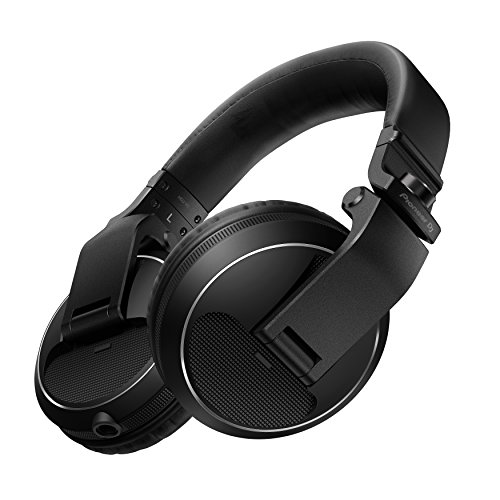
Pioneer DJ HDJ-X5 Professional DJ Headphones (Black)

Pioneer DJ HDJ-X10 Flagship Over-Ear DJ Headphones (Silver)
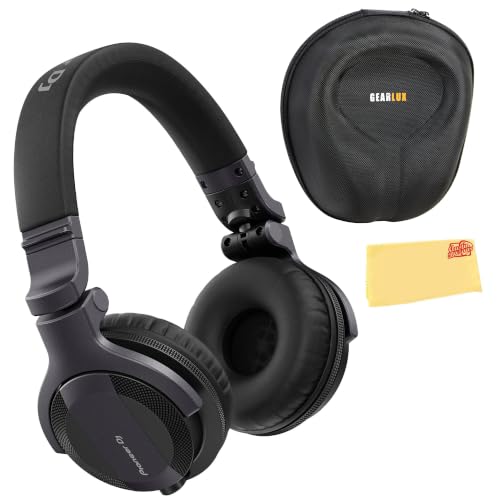
Pioneer DJ HDJ-CUE1 DJ Headphones Black Bundle
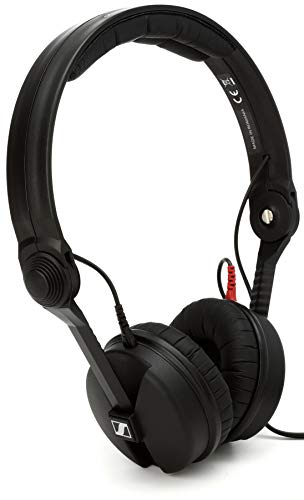
Sennheiser Pro Audio HD 25 On-Ear DJ Headphones (Black)
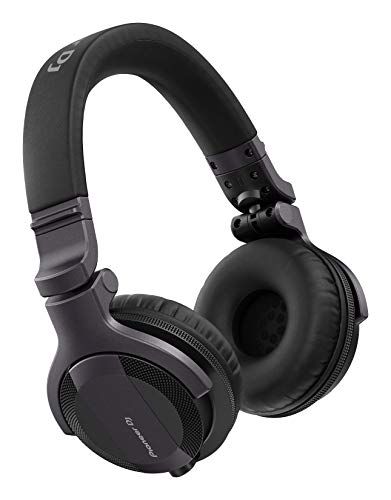
Pioneer DJ HDJ-CUE1 DJ Headphones (Black)

Pioneer DJ HDJ-X7 Professional Over-Ear DJ Headphones (Black)

JOYO JMH-02 Studio Monitor Headphones (50 mm)
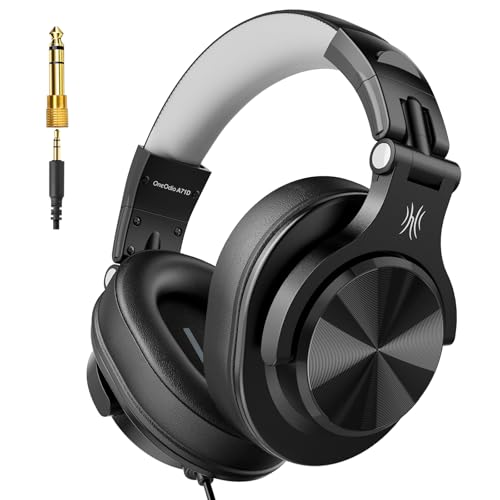
OneOdio A71D Wired Over-Ear DJ Headphones

PUPGSIS Wired DJ Over-Ear Monitor Headphones
More On The Choices That Made The List
The Pioneer DJ HDJ-CUE1 in Dark Silver is the kind of starter can that quietly teaches you the basics without making you feel under-equipped. Its on-ear, foldable shell slides into a backpack pocket, so hauling it between a friend’s place and your bedroom setup stays painless. Tuned with the same audio DNA that runs through the pricier Pioneer DJ line, it gives you enough low-end punch to hear a kick clearly while you practice beatmatching.
Where the HDJ-CUE1 earns its place is in those first six months of learning. The swiveling earcups let you fold one cup back for quick one-ear cueing, which matters the first time you try to drop a track without losing the room’s energy. Compared to the HDJ-X5 further down this list, it trades some flagship-level clarity for a noticeably lighter headband, and that trade-off actually plays out well for newer DJs who mix for short bursts.
The Upside
- Lightweight frame keeps fatigue low during long practice sets
- Swiveling earcups make one-ear monitoring natural and fast
- Pioneer DJ sound tuning helps new DJs learn proper cueing habits
- Foldable design slips into a laptop bag for travel
- Soft earpads hold up through a few hours of steady mixing
Things To Consider
- On-ear pressure can build up across marathon sessions for some users
- Plastic hinge is the most likely wear point over years of heavy use
Key Specs
Who It Suits Best
New DJs who mix mostly at home and want a trusted brand name to learn on without overpaying.
Where Another Pick Suits Better
The Sennheiser Pro Audio HD 25 is a stronger match for mobile DJs who need a near-indestructible build for travel.
The HDJ-X5 sits in a sweet spot that a lot of hobbyist DJs overlook. It borrows its audio design from Pioneer DJ’s higher-tier professional line, which means the bass lands with a controlled thump instead of a woolly boom. In a small bar booth, that’s the difference between confidently cueing the next track and second-guessing every transition.
Comfort is the other half of why this headphone quietly outperforms its price bracket. The earpads distribute clamping pressure across a wider area, so a three-hour set feels more like a long practice than a workout. Compared to the HDJ-CUE1 above, the X5 trades a little portability for noticeably better sound separation, which is what intermediate DJs start to crave once their mixes get busier.
Notable Gains
- Audio tuning inherited from the pro line helps tracks breathe
- Comfortable earpad design handles long sessions well
- Solid build quality for the price tier
Honest Caveats
- Heavier than entry-level cans, which can matter on long walks to gigs
- Less compact than the CUE1 when packed into a small bag
- Included cable is functional but owners often upgrade to a coiled cable
Right Fit For
Intermediate DJs who play small venues and want a noticeable sound upgrade without jumping to flagship pricing.
Look Elsewhere When
The Pioneer DJ HDJ-CUE1 in Black is a smarter pick for beginners who care more about a featherweight feel than pro-level tuning.
The HDJ-X10 is the upper end of the Pioneer DJ X range, and it behaves like it. The 50 mm driver delivers a frequency response that stretches well beyond what casual listeners can hear, which matters in a club where the kick drum needs to stay defined at high SPL (sound pressure level, the loudness your ears actually receive). In real terms, you can pick out a snare ghost note while the room is thumping.
For working DJs, the X10’s over-ear cups seal around the ear and cut a meaningful slice of crowd noise. That isolation is the single biggest upgrade you feel compared to the HDJ-X5. The trade-off shows up in weight and price, so this is a pick for someone already sure DJing is their thing, not a casual experiment.
Why It Works Well
- 50 mm driver delivers detailed, high-resolution monitoring
- Over-ear isolation helps in loud club environments
- Pro-grade build designed for heavy touring use
Points To Note
- Premium pricing pushes it well beyond pure “budget” territory
- Over-ear cups run warm during extended sets in hot booths
Made For
Working club and festival DJs who want flagship clarity and can justify the higher cost through regular paid gigs.
Consider Something Else When
The Pioneer DJ HDJ-X7 is a more budget-conscious over-ear step up if the X10 sits outside your range.
This bundle takes the standard HDJ-CUE1 in Black and bolts on a protective case plus a polishing cloth, which sounds minor until you’ve ever stuffed a pair of cans into a backpack next to a laptop. The case is the real value here. It keeps the swiveling hinges from getting stressed in transit, which extends the practical life of the headphones by months or years depending on your routine.
Sound-wise, you’re getting the same Pioneer DJ tuning as the standalone CUE1, so the buying decision really comes down to whether you’ll use the case. The polishing cloth is a small touch, but for someone buying this as a gift, it rounds the package out without much cost. Compared to the dark silver CUE1 above, the only real difference is color and the included accessories.
What Stands Out
- Hard case protects hinges and earpads during transport
- Same proven HDJ-CUE1 sound profile in a travel-friendly package
- Polishing cloth helps keep the finish looking clean
Worth Noting
- Bundle costs more than the standalone CUE1 for the same core headphone
- Case adds bulk if you already use a padded sleeve
Best Suited To
New DJs who travel to lessons or friends’ setups and want their first pair to last longer out of the gate.
Skip It When
The Pioneer DJ HDJ-CUE1 in Dark Silver is the better call for shoppers who’d rather spend the difference on a second cable.
The Sennheiser HD 25 is one of those rare products that has stayed on working DJs’ necks for decades. Its on-ear, split headband design puts the cable behind the head, which feels unusual at first but becomes a small advantage in a cramped booth. You stop catching the cable on your hand every time you reach for a fader.
What truly sets the HD 25 apart in this roundup is its serviceability. Parts like earpads, cables, and headbands are replaceable, so a heavily used pair can stay in rotation for years. Compared to the Pioneer DJ HDJ-CUE1 above, the HD 25 is heavier and less plush, but for a mobile DJ who flies with gear, that ruggedness is a feature, not a drawback.
Noteworthy Benefits
- Legendary build quality trusted by touring DJs
- Lightweight, low-profile on-ear fit
- Replaceable parts extend the headphone’s working life significantly
Trade Offs
- On-ear clamp force is firmer than most modern competitors
- Sound signature is analytical rather than bass-forward
- Split headband takes some getting used to
Feature Card
Who Will Love This
Mobile and touring DJs who treat headphones as a long-term tool rather than a disposable accessory.
Another Choice May Suit
The Pioneer DJ HDJ-X7 is a better fit for DJs who prefer a softer, over-ear feel and a more modern headband shape.
The standalone HDJ-CUE1 in Black is the simplest version of Pioneer DJ’s entry-level recipe, and that’s the point. It strips the bundle above down to just the headphones, which is a smart move for cost-conscious learners who already own a soft case or a padded backpack sleeve. The sound profile mirrors what the brand’s pros use, just dialed in for bedroom and small-party use.
For a brand-new DJ setting up a basic controller-and-laptop rig, this is a sensible anchor purchase. The swiveling cups and lightweight frame borrow directly from the higher X-series design language, so upgrading later doesn’t feel like starting from scratch. You may find the included straight cable limits movement a bit compared to a coiled upgrade, but it’s perfectly workable for a first pair.
Everyday Perks
- Lowest entry point into the Pioneer DJ family
- Pro-inspired design language for a familiar look
- Light enough for long study sessions
Small Caveats
- No bundled case or extras
- On-ear seal is less isolating than over-ear competitors
Perfect Match For
First-time DJs building a starter rig and prioritizing sound quality over accessories.
Reach For A Different Pick When
The Pioneer DJ HDJ-CUE1 Black Bundle makes more sense for shoppers who want a case included from day one.
The HDJ-X7 sits one tier below the X10 in Pioneer DJ’s lineup, but it borrows a lot of that flagship’s DNA. The 50 mm driver keeps the monitoring clean even at volumes that would distort lesser cans, and the 4-core twisted cable structure helps preserve left-right channel separation. In a loud room, that separation is what lets you hear the small details that decide whether a mix sounds amateur or tight.
For DJs stepping up from the CUE1 line, the X7 is the natural next stop. The over-ear cups seal around the ear, which keeps fatigue lower during marathon sets. Compared to the Sennheiser HD 25, the X7 feels more modern and cushioned, though it gives up some of the HD 25’s serviceability. Owners commonly report the earpads as the first part to wear, so budgeting for replacements makes sense if you mix often.
A Few Highlights
- 50 mm driver handles high SPL without distorting
- Over-ear fit reduces ear fatigue on long nights
- Strong left-right channel separation for precise cueing
Room For Improvement
- Earpads tend to wear out faster than the rest of the headphone
- Bulkier than on-ear options for casual travel
Feature Card
Built With In Mind
Mid-level DJs who play frequent loud gigs and want over-ear comfort without jumping to flagship pricing.
A Better Fit Elsewhere
The Sennheiser HD 25 is a smarter pick for touring DJs who prioritize replaceable parts over plush comfort.
The JOYO JMH-02 comes from a different angle than most DJ-focused cans. Its 50 mm drivers aim for a flat frequency response, which means it doesn’t push the bass artificially forward. For DJs who also produce music, that matters because the mix you hear through the JMH-02 is closer to what the track actually sounds like, not a hype-boosted version of it.
It ships with both 3.5 mm and 6.35 mm adapters, so it slips into a home studio rig, a guitar amp, or a podcast setup with no fuss. The over-ear cups and passive noise isolation keep outside sound reasonably contained. Compared to the Pioneer DJ HDJ-X7, the JMH-02 is more honest in its tuning but less exciting for live cueing, which is the right trade-off depending on whether you produce more than you perform.
Key Advantages
- Flat response reveals mix problems that hyped headphones hide
- Dual adapter support covers studio and stage use
- Over-ear fit with passive isolation for focused listening
A Few Limitations
- Less bass energy than typical DJ-tuned headphones
- Brand less proven in the DJ booth than Pioneer DJ
Feature Card
Whose Shelf It Belongs On
Home producers and DJs who double as creators and want one pair that handles both jobs.
Where A Sibling Pick Shines
The Pioneer DJ HDJ-X5 is the better live-monitoring choice for DJs who mainly perform rather than produce.
The OneOdio A71D lands in the budget end of the market, and it shows up with the features hobbyist DJs actually use. The 40 mm drivers put out a balanced sound that handles deep bass, clear mids, and crisp highs without skewing too far in any direction. For a home studio or a casual house party, that balance is plenty.
The 90-degree swiveling ear cups support single-ear monitoring, which is a feature most cans in this price range skip. The foldable design plus adjustable headband means the A71D travels well, and the soft earpads handle an evening of casual mixing without too much complaint. Compared to the Pioneer DJ HDJ-CUE1, the A71D gives you over-ear comfort for a similar commitment, though it doesn’t carry the same brand pedigree in the DJ world.
Useful Touches
- Swiveling ear cups enable one-ear DJ monitoring
- Foldable build for easy transport
- Comfortable padding for long listening sessions
Points To Keep In Mind
- Brand reputation in pro DJ booths is limited
- Drivers are smaller than the 50 mm units on higher-tier options
Who Should Grab It
Casual home DJs who want a comfortable, foldable pair and don’t need a pro-level brand name.
Swap It Out When
The Pioneer DJ HDJ-CUE1 in Dark Silver is a better fit for anyone building a setup that might eventually grow into small gigs.
The PUPGSIS wired over-ear cans slot into the budget tier as a no-nonsense option for someone who just needs a working pair on hand. The 50 mm drivers push out a frequency range that covers the audible spectrum, which is more than enough for casual cueing, video editing, or as a backup pair tossed into a gig bag.
This is a pick defined by simplicity. There’s no brand cachet, no touring pedigree, and no extra accessories, but for shoppers who want a basic, wired monitor that gets the job done, it earns its place. Compared to the OneOdio A71D, it offers a larger driver in a similar form factor, though the unknown brand means long-term durability is less of a known quantity.
The Practical Payoff
- Large 50 mm drivers for the price tier
- Full 20 Hz to 20 kHz frequency range
- Useful as a backup or second pair
Honest Caveats
- Brand has limited long-term reputation in the DJ world
- Availability has been patchy at times
The Right Fit
Shoppers who want a basic wired monitor for casual use or as a backup to a primary pair.
Not Your Match When
The Pioneer DJ HDJ-CUE1 in Black is a more dependable choice for a learner’s first serious pair.
What To Weigh Before Picking Budget DJ Headphones
Driver Size and Tuning Style
The driver is the small speaker inside each earcup, and its size shapes how the headphone handles bass. A 40 mm driver can move enough air for bedroom practice, while a 50 mm driver gives you more headroom in loud rooms. Driver tuning matters as much as size: DJ-tuned cans push bass and treble forward to make cueing clear, while studio-flat cans reveal mix problems more honestly. Beginners usually benefit from DJ-tuned sound, while producers lean toward flat.
Comfort and Weight for Long Sets
Headphones that pinch or heat up will shorten your sets before your skills do. On-ear designs sit lighter but press on the ear, while over-ear cups seal around the ear for less direct pressure. Weight compounds over time, so a 200-gram pair feels great for an hour and tedious at hour three. Clamping force matters too, especially if you wear glasses or have ear piercings.
Wired vs. Wireless Trade-Offs
Most budget DJ headphones stay wired on purpose. A wired connection removes latency, the tiny delay between pressing play and hearing the sound, which can throw off beatmatching. Wireless convenience is nice for casual listening, but in a live mix, that delay adds up. For your primary DJ pair, wired is the safer call. Wireless makes more sense as a secondary option for downtime.
Durability and Serviceability
DJ gear gets tossed into bags, swung around, and knocked off tables. Reinforced hinges, replaceable earpads, and detachable cables all add years to a pair’s life. A headphone with replaceable parts, like the Sennheiser HD 25, often outlasts rivals that look tougher on paper. If you mix often, factor replacement parts into the real cost of ownership.
Key Considerations Across These Picks
Pitfalls Shoppers Hit
A common trap is buying a headphone that sounds great for music but fails at the DJ workflow. Look for swiveling or rotatable ear cups, which are essential for one-ear cueing. Another slip-up is ignoring clamping force, which only reveals itself after a long session. Finally, some shoppers chase specs like driver size without checking the tuning, ending up with a pair that handles bass poorly despite a big driver.
When Paying More Pays Off
Spending more typically buys three things: better driver clarity at high volume, more durable hinges and cables, and longer warranty support. If you mix in loud environments or play several nights a week, those upgrades earn their keep within a year. For once-a-month home sessions, a budget pair will serve you just fine. The right choice depends on how often the headphones will actually be on your head.
Frequently Asked Questions
Are budget DJ headphones good enough for small gigs?
Yes, for small bars and house parties, budget DJ headphones handle the workload comfortably. The main limitations show up in loud rooms where cheaper drivers distort at high volume. For venues under 100 people, the picks on this list work well.
What’s the difference between on-ear and over-ear DJ headphones?
On-ear headphones sit directly on the ear and feel lighter, while over-ear headphones cup around the ear and seal out more noise. Over-ear designs usually isolate better and stay comfortable longer, but on-ear cans fold smaller. Comfort preference often decides the choice.
How long should DJ headphones last?
With regular use, a solid budget pair should last two to four years before earpads or cables need attention. Premium models with replaceable parts can stretch past a decade. Storage and cable care make a bigger difference than people expect.
Do I need a special cable for DJ headphones?
Most DJ headphones ship with a cable that handles basic setups, but many DJs upgrade to a coiled cable for better movement at the booth. As long as the connection type matches your gear, any standard 3.5 mm or 6.35 mm cable works fine.
Can I use studio monitor headphones for DJing?
Studio monitor headphones work for DJing, especially in quiet home setups. Their flat tuning is honest but less exciting for live cueing. For practice and production, they’re a great fit. For frequent gigs, a DJ-tuned pair feels more natural.
Bottom Line
The best budget DJ headphones are the ones that match how you actually mix, not just the spec sheet. Bedroom learners do well with a lightweight Pioneer DJ HDJ-CUE1, working DJs get the most from a rugged Sennheiser HD 25 or an over-ear Pioneer DJ HDJ-X7, and home producers can lean on a flat-tuned JOYO JMH-02. Pick the pair that fits your routine, and your next set will sound the part.



