


Full-body tracking turns a VR rig from a hand-and-head setup into something your whole body lives inside. The lineup below covers base stations, trackers, straps, batteries, and a USB hub, with picks for PC-tethered SteamVR, standalone headsets, and the gear that ties it all together. Whether you dance in VRChat, record motion capture, or just want your feet to match your avatar, there’s a configuration here worth a look.
The Lineup, Simplified

HTC Vive SteamVR Base Station 2.0 (Single)

HTC Vive Tracking Bundle (3 Trackers + 2 Base Stations)

HTC Vive Ultimate Tracker + Dongle

HTC 3 Pack VIVE Tracker (3.0)

Rebuff Reality Trackstraps for Vive Tracker
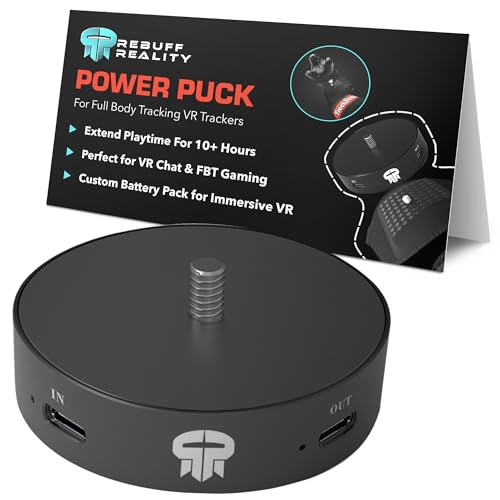
Rebuff Reality Tracker Power Puck

VIVE Tracker (3.0)

HTC VIVE Tracker (3.0) SteamVR

Rebuff Reality Trackstraps Elite + Power Puck Bundle
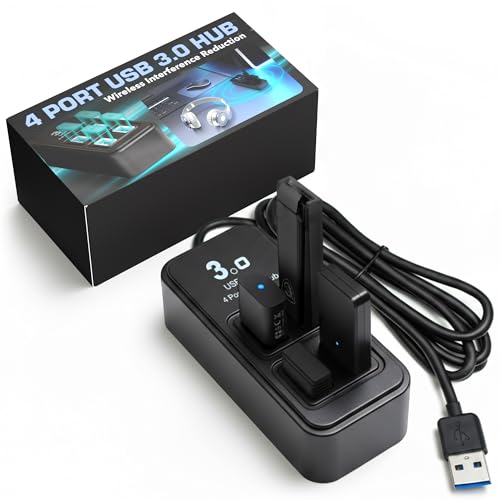
Rebuff Reality 4-Port USB 3.0 Hub
A Deeper Look At The Lineup
The single SteamVR Base Station 2.0 is the lighthouse that makes room-scale tracking possible. Each unit sweeps a horizontal laser field across your play area, and any compatible tracker or controller reads the timing to figure out exactly where it sits in space. For most PC VR setups, two stations triangulate the whole room, but grabbing an extra is the standard fix for shadow spots behind monitors or in a larger area.
For apartment setups with one awkward corner or a single hard-to-reach mount, this is the cleanest add-on. Standard threaded mounting points make ceiling, wall, and tripod placement straightforward, and the included 8′ 2″ power cord gives flexibility for high mounting without an extension. If you already own the Vive Tracking Bundle but your back wall needs coverage, this single unit rounds things out.
Noteworthy Benefits
- Works with Vive Pro, Vive Pro Eye, Vive Pro 2, and Vive Cosmos Elite headsets, covering most PC VR setups already in the wild.
- Sub-millimeter SteamVR accuracy means your feet and hands land where the system thinks they do, which matters in beat-sabers and mocap alike.
- Standard threaded mount fits tripods and camera brackets you may already own, so no proprietary hardware hunt.
- Long power cable gives you real placement freedom, useful for high ceiling mounts where outlets are scarce.
Points To Note
- One base station does not a full room make; for proper room-scale you generally want two units angled over your play area.
- Lighthouse placement tends to drift if bumped, so you may find yourself re-aligning after a move or a curious pet.
Built With In Mind
Existing SteamVR owners who need a single replacement or supplementary unit to round out a two-station setup.
Where Another Pick Suits Better
First-timers building a full-body rig from scratch should look at the HTC Vive Tracking Bundle, which ships two base stations and three trackers together.
This bundle is the most direct path into full-body SteamVR tracking, since the two base stations and three trackers ship together. Three trackers is the practical minimum for believable lower-body capture, covering one foot, one hip or chest, and the opposite foot or hand depending on how you rig it. Pair that with the headset and controllers you already own, and your avatar finally has knees.
Body tracking captures full-body motions, while accessory tracking lets you strap a tracker to a baseball bat, sword, or even a coffee mug and pull it into the scene. Each tracker’s USB port pulls double duty, delivering power and accepting controller button inputs so you can wire external props. For someone with a Vive Pro or Vive Cosmos Elite already on the desk, this is the shortest jump to a complete rig.
Strengths Worth Knowing
- Sub-millimeter SteamVR accuracy is the same standard found in higher-end commercial setups, so the precision is already dialed in.
- Three trackers plus two base stations cover a typical living-room play area without extra shopping.
- Accessory tracking opens the door to prop work, mocap, and training scenarios that hand controllers cannot replicate.
- Compatible with the Vive Pro, Pro Eye, Pro 2, and Cosmos Elite line, so most SteamVR users are covered.
Trade Offs
- You will need separate straps or holders for the trackers, since this kit ships the trackers only.
- Setup time is real: mounting two lighthouses and pairing three devices takes longer than a single-tracker add-on.
Key Attributes
Right Fit For
SteamVR users with a compatible headset who want to jump straight into full-body tracking without piecing the kit together.
Skip It When
Standalone headset owners should grab the Vive Ultimate Tracker + Dongle, which works without base stations.
The Ultimate Tracker drops the lighthouse requirement entirely, using two wide-FOV cameras and on-device computer vision to figure out its own position. That self-tracking approach means you can add body tracking to a standalone headset without drilling mounts into the ceiling for base stations. The included USB dongle pairs one compatible headset with up to five trackers over a proprietary 2.4 GHz low-latency link.
For mixed reality and standalone users, this is a quieter, cleaner install. The tracker body is balanced and compact, so it sits on a strap or hand without pulling your wrist off-center, and the AI inside keeps up with quick directional changes. Compared to the older Vive Tracker 3.0, the Ultimate trades the lighthouse dance for a single dongle and a wide-FOV camera pair.
Positive Takeaways
- No base stations means no ceiling mounts, no cable runs, and no shadow spots to troubleshoot.
- Two wide-FOV cameras keep tracking stable during quick turns, which matters in dance and combat games.
- One dongle supports up to five trackers, so a full-body setup does not require extra receivers.
- Compact, balanced body is easier to wear for long sessions than older puck-shaped designs.
Small Caveats
- Works with compatible standalone headsets, so PC-tethered SteamVR users may be better served by the older Vive Tracker 3.0.
- Self-tracking cameras need reasonable lighting, and very dark rooms can degrade the computer-vision fix.
Made For
Standalone VR owners who want body tracking without committing to a room full of base stations.
Look Elsewhere When
PC VR users on a Vive Pro or Cosmos Elite should pick the HTC Vive Tracker (3.0) SteamVR version for the strongest lighthouse-based accuracy.
The 3-pack of VIVE Tracker (3.0) units is aimed at shoppers who already own a working two-base-station setup and just need more trackers. Buying three at once often pencils out better per-unit than two separate single purchases, especially if you plan to scale from feet-only to feet plus hips plus a prop. Each tracker integrates with the Vive ecosystem for motion capture, fitness, and full-body VR chat applications.
Construction is the same 3.0 generation the standalone Tracker (3.0) uses, so you get the smaller, lighter form factor without stepping into the Ultimate Tracker generation. For a SteamVR rig with Vive Pro or Cosmos Elite, this is a clean add-on path: keep the lighthouses you have, drop in three more pucks, and your movement fidelity jumps immediately. The trade-off is that this listing has the protection plan option attached, so scan the listing for what is actually in the box before checkout.
What Helps Most
- Three-tracker count is the standard recommendation for lower-body capture in VRChat and beat-style games.
- USB connectivity gives broad compatibility with Vive accessories and PC-side software.
- Same 3.0 sensor platform as the single Tracker, so behavior matches across your rig.
Worth Noting
- Requires existing base stations to function, since the trackers still rely on lighthouse sweeping.
- Listing may bundle an extended protection plan, so confirm the contents before completing your order.
Quick Facts
Best Suited To
SteamVR owners with two working base stations who want to add a complete lower-body tracking array at once.
Consider Something Else When
Anyone starting from zero should grab the Vive Tracking Bundle, which pairs three trackers with the two lighthouses you still need.
Trackstraps are the soft gear side of full-body tracking: hook-and-loop bands that hold a Vive Tracker on your foot, calf, or wrist without needing 3D-printed mounts. The Rebuff Reality design focuses on fit and stay-put security, with adjustment points that handle a range of leg sizes and a layout that keeps the tracker oriented correctly for lighthouse pickup. In a session of fast kicks or squats, the difference between a solid strap and a sliding one shows up immediately.
For trackers you already own, straps are the missing piece that makes them usable. Compared to improvised solutions like athletic tape or generic camera straps, a purpose-built harness keeps the tracker from rotating as you move, which is what gives the system a stable position fix. The construction also makes it easier to swap trackers between users in a household.
Good Reasons To Consider
- Adjustable fit works across a wide range of leg and arm sizes, useful in shared households.
- Keeps the tracker at a consistent orientation, which helps the lighthouse maintain a clean lock.
- Comfortable enough for dance and workout-length sessions, where generic straps start to bite.
Practical Considerations
- Straps are a wear item, so expect hook-and-loop fatigue after extended use in sweaty, high-movement sessions.
- Designed for Vive Tracker form factor, so other tracker brands may sit loosely or rotate inside the pocket.
Whose Shelf It Belongs On
Active VR users who already own Vive Tracker units and need a reliable way to mount them on the body.
Swap It Out When
Shoppers who need both straps and extended battery life in one package should look at the Rebuff Reality Trackstraps Elite + Power Puck Bundle.
The Power Puck is a battery base that extends the runtime of a Vive or Tundra tracker, so you stop cutting sessions short because one tracker died mid-dance. Each puck clips onto the tracker and adds hours of continuous use, which makes a real difference during long VRChat meetups, motion capture takes, or extended fitness routines. Without it, you are at the mercy of the tracker’s built-in battery cycle.
For users with three or more trackers, charging rotation becomes a chore. The puck sidesteps that by keeping the tracker itself topped up while you move, so the system as a whole stays alive longer. Owners commonly use these in pairs to keep hips and feet alive through marathon sessions without swapping gear mid-game.
Standout Benefits
- Adds substantial continuous runtime per puck, so a single dance event does not require a recharge break.
- Compatible with both Vive and Tundra trackers, giving you flexibility across hardware generations.
- Stackable setup means you can run multiple pucks across your trackers without crowding straps.
Honest Caveats
- Adds bulk to each tracker, which can affect comfort on ankles during long sessions.
- Not a charger; the puck supplements battery life rather than replacing the tracker’s own cycle.
Perfect Match For
Multi-tracker owners running long sessions in VRChat, mocap, or VR fitness who cannot pause to recharge.
Another Choice May Suit
Shoppers who need straps and battery in one box should grab the Rebuff Reality Trackstraps Elite + Power Puck Bundle.
The VIVE Tracker (3.0) is the single-unit version of the SteamVR tracker, sized for someone testing the full-body waters without committing to a three-pack. The 3.0 generation trimmed weight and battery use compared to earlier models, so the tracker is easier to mount and stays alive through a normal session. For SteamVR users on Vive Pro, Cosmos Elite, or a Valve Index base station setup, it slots in as another SteamVR peripheral.
Realistically, one tracker is enough to test whether body tracking changes your experience. A common first placement is the chest or hip, which alone makes avatar movement read more natural to other users in social VR. From there, scaling to a second or third tracker is straightforward once you decide the upgrade is worth it.
What It Does Well
- Compact and lighter than earlier Vive Tracker generations, so it sits well on straps and props.
- SteamVR compatibility means it works with the base stations and software you likely already have installed.
- Single-unit purchase is the lowest-cost way to try body tracking before scaling up.
Some Limits To Know
- One tracker only covers one body point, so feet and knees will not be tracked without additional units.
- Requires base stations for the lighthouse tracking, so the entry price climbs once you add those.
Who Should Grab It
SteamVR owners curious about body tracking who want a single tracker to start with before scaling to a full array.
Not Your Match When
Buyers who already know they want three or more trackers should pick the HTC 3 Pack VIVE Tracker (3.0) for a single shipment.
SteamVR BS1.0 and BS2.0 support is the headline feature here, which means the tracker works with both older first-generation base stations and the current 2.0 lighthouses. For anyone still running a mixed lighthouse setup, that compatibility is the difference between a working rig and a desk full of paperweights. The single-tracker buy suits motion capture pilots, props, or a single body point.
VRChat users and amateur mocap artists tend to lean on this tracker because the SteamVR driver support is mature and the form factor is the one most third-party strap makers design around. As few as three of these trackers can capture full-body motion, which makes scaling easy once you have tested one. Compared to the earlier Vive Tracker generations, the 3.0 is lighter, so it stays put on hand-held props without dragging your wrist down.
What Makes Sense
- Sub-millimeter accuracy keeps avatars and props aligned in social VR and recording work.
- Supports both BS1.0 and BS2.0 base stations, so you can keep older lighthouses in service.
- Lighter than the original Vive Tracker, which matters on props and on strapped feet.
- SteamVR driver support is well established, with most VRChat and mocap apps already expecting the hardware.
Worth Bearing In Mind
- Single tracker only covers one point, so the full-body experience requires multiple units.
- Listing may include an extended protection plan, so check the box contents before checkout.
Feature Snapshot
Who Will Love This
VRChat regulars, mocap beginners, and prop hobbyists who want a single SteamVR tracker with broad base-station compatibility.
Reach For A Different Pick When
Standalone headset users without base stations should grab the Vive Ultimate Tracker + Dongle for a cable-free experience.
The Elite strap line is the upgraded version of Rebuff Reality’s Trackstraps, designed for active users who need a tighter heel lock and a more secure fit. Bundled with Power Pucks, the package covers both halves of the long-session equation: the strap keeps the tracker oriented correctly, and the puck keeps the battery alive through a long VRChat event or fitness routine. Together, they reduce the two most common reasons a tracker fails mid-session: rotation and dead battery.
For Vive Tracker 3.0, Vive Tracker 2.0, and original Vive Tracker units, the strap and puck combination is one of the cleanest accessory stacks on the market. The enhanced heel lock system is the small detail that makes a big difference during dance-heavy games, where a loose strap would normally let the tracker slide and lose lighthouse lock.
Advantages To Know
- Combined strap and battery solution means fewer separate purchases to complete your setup.
- Enhanced heel lock keeps trackers steady during kicks, squats, and dance movements.
- Compatible with Vive Tracker 3.0, 2.0, and the original Vive Tracker, so older hardware is supported.
Points To Consider
- Bundled pricing is higher than buying a single Trackstrap alone, so casual users may not need both items.
- Strap material requires occasional cleaning after sweaty sessions, especially in shared setups.
Feature Rundown
The Right Fit
Active full-body VR users who want straps and battery support bundled together rather than buying each piece separately.
A Better Fit Elsewhere
Shoppers on a tighter budget can start with the standard Rebuff Reality Trackstraps and add a Power Puck later.
The 4-Port USB 3.0 Hub is the supporting actor in a wireless VR setup, taking the four dongle connections that a wireless headset and its accessories depend on and routing them through a single stable hub. Each port is wide-spaced to reduce cross-interference between dongles, which is the kind of detail that matters when your wireless headset shares USB bandwidth with mouse, keyboard, and tracker dongles.
For PC VR users who upgraded to a wireless adapter, the frustration usually shows up as lag spikes or random dropouts caused by USB traffic collisions. Upright port orientation and shielding aim to reduce that noise, so the headset’s wireless link stays consistent. As a four-port device, it covers the typical wireless VR layout without leaving ports unused.
Well-Handled Touches
- Wide-spaced, upright ports keep wireless dongles separated, which reduces USB 3.0 interference.
- Four ports cover a typical wireless VR setup plus a peripheral or two without crowding.
- USB 3.0 speeds handle modern wireless adapters and high-bandwidth peripherals without bottlenecking.
Room For Improvement
- Some users may find the upright port orientation awkward behind a desk where space is tight.
- Hub itself is a small extra to cable-manage on an already busy VR setup.
Made For
PC VR users running wireless adapters and multiple dongles who need a stable, interference-aware USB hub.
Swap It Out When
Shoppers without wireless dongles can skip this entirely; a standard USB hub is fine for charging and wired peripherals.
Picking The Right Body Tracking Setup For Your Room
Choosing body trackers comes down to three questions: what headset you already own, how much space you have to dedicate, and what kind of movement you do most.
Headset compatibility is the dealbreaker most people miss. SteamVR systems like the Vive Pro, Pro 2, and Cosmos Elite need lighthouse-based trackers, while standalone setups work with the self-tracking Vive Ultimate Tracker. Buying a Tracker (3.0) for a standalone headset, or an Ultimate Tracker for a non-supported PC headset, leaves you with a working device and no usable rig.
Movement style drives the rest. Dance and fast combat benefit from three trackers, secured ankle straps, and battery extenders, while social VR users often get away with a single hip tracker. If you record mocap, accuracy matters more than battery life, so prioritize base-station placement over runtime accessories.
Finally, room layout decides how much hardware you can actually install. Two base stations need opposing corners with clear sight lines, and even self-tracking cameras need reasonable lighting. Measure first, then shop, and you will save a return trip.
Things Worth Knowing Before You Buy
Pitfalls Shoppers Hit
The most common body tracking mistake is buying a tracker before confirming base station compatibility, which is what turns a working tracker into a drawer ornament. Double-check that your existing lighthouses match the tracker generation you plan to buy, since some units work only with BS2.0. Another trap is underestimating strap quality: cheap holders rotate during movement, which makes the tracker lose lighthouse lock and produces visible drift in your avatar.
Where The Extra Money Goes
Premium trackers earn their keep with tighter sensors, longer battery cycles, and lighter housings that hold up on strapped feet. Higher-end straps add reinforced stitching, better heel locks, and materials that survive sweat and repeated adjustment. The Power Puck tier extends runtime, which matters for VRChat event hosts and mocap artists who cannot pause mid-session to swap batteries. The honest read is that budget gear works for short sessions, but heavy users feel the difference within weeks.



