Whether you’re restoring a full-size cocktail cabinet from scratch, modding a bartop with Japanese-made buttons, or hunting a tiny collectible for your desk, the right arcade gear depends entirely on what you’re building. The list below covers ten options that span a real spectrum: ready-to-play cabinets, replacement pushbuttons, controller boards, LED kits, and even a mini display piece for pop-culture fans. Most readers land here with one of three goals, so each review calls out which profile it suits and where a different pick in this roundup would fit better.
The Main Contenders
PickWhy We Picked ItBest ForAction

Collector’s Pick
Funko Bitty POP! Tron Arcadetron
Mini display-piece collectible
Pop culture display fans
Heavy Duty Pick
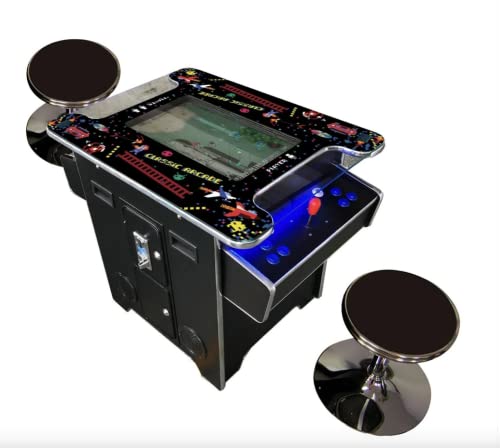
TOP US VIDEO ARCADES Full Size Cocktail Arcade Machine
Structural plywood commercial build
Home bar and rec room

DIY Builder’s Choice
Sanwa 12-pc OBSF-30 30mm Push Button Set
Authentic Japanese Sanwa feel
Custom JAMMA cabinet builds

Utility Pick
ESD Coin Mech Quarter Inserts (Set of 4)
Targeted quarter-only replacement
Coin door restoration projects

Workshop Pick
Sanwa 8-pc OBSF-30 30mm Gray Push Buttons
Snap-in Japanese construction
Two-player control panel swaps
Repair Specialist
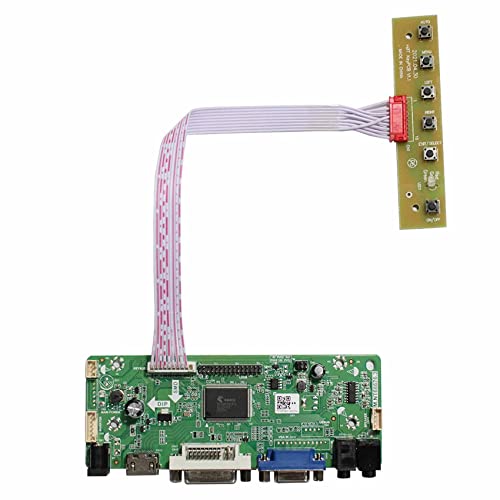
VSDISPLAY DVI/VGA LCD Controller Board
Resolves cut-off display issues
Cabinet display retrofits

Plug-and-Play Pick
Taito Egret II Mini Limited Blue Edition
Pre-loaded retro classics, HDMI out
Display-shelf arcade nostalgia

Compact Build Pick
Sanwa 6-pc OBSF-30 30mm Dark Blue Buttons
Quiet, non-clicking micro switch
Single-player JAMMA builds

Visual Upgrade Pick
EG Starts 10x Square LED Illuminated Buttons
Bright multi-color cabinet lighting
LED-illuminated control panels

Controller Brain Pick
Quimat Zero Delay Arcade USB Encoder QR05
Controller Brain Pick
Quimat Zero Delay Arcade USB Encoder QR05
Plug-and-play PC joystick interface
PC-based MAME and Retropie projects
The Picks, Examined More Closely
Not every arcade-related item in a roundup is a full-size cabinet, and the Bitty POP! Arcadetron leans into that fact with a small acrylic-cased collectible styled after a Tron arcade machine. Inside the case sits a miniature Bitty POP! figure measuring roughly 0.9 inches tall, posed next to a tiny retro cabinet shell. The detachable base doubles as a stand, so once it’s out of the case the figure can stand alone on a desk or shelf.
It’s a display piece, not a playable build, and the acrylic packaging means you can keep it sealed or crack it open to integrate with other Bitty POP! figures and playsets. For a true functional cabinet you’ll want to skip ahead in this list, but for a themed desk accent this hits a niche the rest of the picks don’t cover.
Where It Delivers
- ✓Self-contained acrylic display case protects the figure during shipping and on the shelf
- ✓Detachable base turns into a standing platform once you remove the figure
- ✓Designed to integrate with other Bitty POP! collectibles for themed dioramas
- ✓Approachable entry point for collectors new to the Funko line
Points To Note
- •Not a playable arcade machine, so anyone expecting a working cabinet will be disappointed
- •Marked as a choking hazard, which matters in any home with small children
Whose Shelf It Belongs On
Pop-culture display fans and Tron collectors who want a themed desk accent without the footprint of a real cabinet.
Swap It Out When
Anyone wanting a genuinely playable setup should jump to the Taito Egret II Mini instead, which actually runs 40 built-in games on a rotating screen.
For shoppers who want a full-size cocktail-format cabinet out of the box, this TOP US VIDEO ARCADES model is the most substantial pick in the roundup. The body is built from 3/4-inch structural plywood at around 140 lbs, which is a meaningful upgrade from the lighter particle-board cabinets commonly sold in this category. The 22-inch LCD sits under tempered glass, and a two-player joystick-plus-button layout sits centered on the tabletop for left- or right-hand play.
Two stools are included, so the cabinet arrives ready for a rec-room corner or home bar. Owners commonly report that the plywood build makes a real difference when moving the unit, since lighter cabinets tend to rack and flex during transport. If your floor plan has space and you’d rather play than build, this is the most complete option here.
Positive Points
- ✓Structural plywood cabinet around 140 lbs, noticeably sturdier than typical particle-board builds
- ✓Tempered glass over the 22-inch LCD adds impact resistance for shared spaces
- ✓Centered joystick works for left- or right-handed two-player sessions
- ✓Includes two stools, so no separate furniture shopping
- ✓Comes with a multi-year warranty for manufacturing defects
Trade-Offs
- •Full cocktail footprint demands dedicated floor space that smaller rooms may not have
- •Weight makes relocation a two-person job even with the included stools
- •Game count and licensing details should be confirmed on the listing before you commit
Feature Snapshot
| | Feature | Specification | Why It Matters |
|---|
| Cabinet material |
3/4-inch structural plywood |
Resists racking and flex during moves compared to particle board |
| Display |
22-inch LCD with tempered glass |
Larger viewing area and tougher surface for shared use |
| Player count |
2-player centered joystick layout |
Comfortable for left- or right-handed play |
| Included accessories |
2 stools |
Removes the need to source separate seating |
Right Fit For
Homeowners outfitting a rec room, basement bar, or game room with dedicated floor space who want a ready-to-play setup rather than a DIY project.
Another Choice May Suit
Apartment dwellers tight on square footage will find the Taito Egret II Mini far easier to place on a shelf or coffee table.
Sanwa is the brand that serious arcade builders tend to gravitate toward, and this 12-piece OBSF-30 set comes with two of each color, which is useful for keeping button layouts consistent across two-player control panels. The buttons are original Sanwa parts made in Japan, with a snap-in installation that drops into the standard 30mm hole pattern used in most JAMMA cabinets. Each switch uses a non-clicking micro switch, which is worth knowing: JAMMA is the long-standing wiring standard that lets a single control panel talk to most arcade boards, so compatibility here is rarely a problem.
Compared with the LED-lit EG Starts square buttons further down the list, these Sanwa buttons prioritize a clean, low-profile feel over visual flair. The rated switch life of 3 million actuations suggests they’re well-suited to daily play sessions without premature wear.
Useful Highlights
- ✓Original Japanese Sanwa construction, the go-to for arcade purists
- ✓Snap-in 30mm mounting fits standard JAMMA control panel cutouts
- ✓Non-clicking micro switch keeps gameplay quiet in shared spaces
- ✓Two of each color helps maintain a clean two-player layout
Soft Spots
- •No integrated LEDs, so glow effects require a separate lighting kit
- •Price per piece runs higher than generic alternatives, which adds up on large builds
Who Will Love This
DIYers building a JAMMA-compatible control panel who want authentic Japanese parts and don’t mind adding a separate LED kit for lighting.
Skip It When
Someone focused on visual flair rather than switch feel should consider the EG Starts square LED buttons, which bundle lighting into the button itself.
This is the smallest, most niche item on the list, and that’s exactly the point. These are replacement quarter inserts designed for ESD coin mechanisms, the kind found in many older American arcade cabinets. A coin mech is the mechanical coin acceptor mounted behind the coin door, and the insert is the small metal disc that decides which coin size the mechanism accepts. Swap in a quarter insert and your cabinet stops accepting tokens or other denominations.
The set of four lets you convert multiple doors in one order, which is convenient for anyone restoring a row of cabinets rather than a single unit. For most home users restoring one cabinet, the count is more than needed, but it costs little to have spares on hand.
The Value In It
- ✓Specifically designed for ESD coin mechanisms, so fit is rarely a guess
- ✓Set of four covers multi-cabinet restorations in one order
- ✓Lets a token-accepting cabinet be converted to standard quarters without replacing the whole mech
Possible Compromises
- •Useless for non-ESD mech brands, so verify your existing hardware first
- •Spare inserts may sit unused on single-cabinet restorations
Quick Facts
| | Feature | Specification | Why It Matters |
|---|
| Compatibility |
ESD coin mechanisms |
Won’t drop into other mech brands, so check the door before ordering |
| Quantity |
Set of 4 |
Covers four mechs, useful for multi-cabinet or arcade-route restorations |
| Function |
Quarter-only acceptance |
Converts a token or non-standard door to standard US quarters |
Best Suited To
Restorers working on classic American cabinets with existing ESD coin doors who want to standardize on quarters without replacing the full mechanism.
Look Elsewhere When
Anyone with non-ESD mechs or a modern home cabinet with no coin door at all won’t get value from this set.
The 8-piece Sanwa set covers a standard two-player control panel, with eight OBSF-30 buttons in a uniform gray that gives a clean, low-key look on a finished panel. The snap-in design drops into the same 30mm holes used across most home-arcade builds, and the non-clicking micro switch keeps the action quiet, a meaningful upgrade for late-night sessions in a shared room.
This sits between the 6-piece and 12-piece Sanwa options in this roundup. Builders who want color-coding on the panel may prefer the 12-piece multi-color set, while anyone wiring a simpler single-station panel might find the 6-piece enough.
Where It Helps
- ✓Covers a standard 8-button two-player layout without leftover inventory
- ✓Non-clicking micro switch keeps noise down in shared living spaces
- ✓Sanwa build quality and snap-in mounting reduce install time
- ✓Uniform gray finish suits minimalist or retro-monochrome panel themes
Honest Caveats
- •Gray-only color scheme means you’ll need decals or paint if you want per-button labels
- •No LED support out of the box, so lighting requires a separate harness
Feature Card
| | Feature | Specification | Why It Matters |
|---|
| Button type |
Sanwa OBSF-30, 30mm |
Industry-standard size for most JAMMA and home-arcade panels |
| Mounting |
Snap-in installation |
Cuts install time compared to screw-mounted alternatives |
| Switch |
Non-clicking micro switch |
Quieter input, useful in bedrooms or shared spaces |
| Color |
Gray, 8-pack |
Matches a standard two-player 4-button-per-side layout |
Who Should Grab It
Home builders wiring a standard 8-button two-player control panel who want Sanwa quality without the color variety of the 12-piece set.
Consider Something Else When
Anyone wanting per-button color coding should look at the Sanwa 12-pc OBSF-30 set, which ships two of each color for visual variety.
LCD controller boards sit behind the screen and translate the video signal from your game board into something the panel can display. VSDISPLAY’s board targets a specific issue: cut-off or misaligned output on cabinets using the DV170YGZ-N10 or DV170YGM-N10 4:3 LCD panels, a common pain point when retrofitting older cabinets with modern PCBs. Native resolution is 1280×960, which is the 4:3 standard that matches these panels.
DVI and VGA inputs give you flexibility for either modern or legacy video sources, and an audio output is included for routing sound to cabinet speakers. This is a targeted repair component rather than a general upgrade, so it’s most useful when the existing board is misbehaving and the panel itself is verified good.
Everyday Perks
- ✓Resolves cut-off display issues on compatible 4:3 panels without replacing the screen
- ✓DVI plus VGA inputs accept a wide range of game boards and PCs
- ✓Audio output built in for direct speaker hookup
- ✓Native 4:3 resolution at 1280×960 matches the target LCD panels cleanly
Some Limits To Know
- •Only fits the two listed panel part numbers, no drop-in for other LCDs
- •Requires opening the cabinet and basic wiring comfort to install
Built With In Mind
Cabinet owners with confirmed DV170YGZ-N10 or DV170YGM-N10 LCDs who want to fix a cut-off image without swapping the whole screen.
Reach For A Different Pick When
Anyone building a fresh cabinet from scratch won’t need a replacement controller board at all and can skip to the Sanwa or Quimat options for inputs and wiring.
The Egret II Mini is the closest thing in this list to a turnkey retro experience. It ships with 40 pre-installed Taito classics including Space Invaders and Bubble Bobble, runs on a 5-inch 4:3 rotating display at 1024×768, and uses a 6-button arcade-style layout that mirrors what you’d find on a real Taito cabinet. The rotating screen is a small but thoughtful touch, letting you pivot between vertical and horizontal titles without re-plugging anything.
For shoppers who want HDMI output to a TV, an SD card slot for additional games, and a display-piece form factor that fits on a shelf, this is the easiest entry into the roundup. Compared with the TOP US cocktail cabinet, you’re trading screen size and two-player tabletop play for a compact, single-user collectible.
What Pays Off
- ✓40 pre-installed Taito classics means no setup beyond plugging in
- ✓5-inch rotating 4:3 display handles vertical and horizontal titles cleanly
- ✓6-button arcade layout and joystick match original Taito control feel
- ✓HDMI output lets you push to a TV for couch play
- ✓SD card slot extends the library beyond the built-in set
A Few Limitations
- •5-inch built-in screen is small for two-player viewing
- •Limited to Taito’s own catalog, so genre variety is narrower than a multi-platform build
Product Snapshot
| | Feature | Specification | Why It Matters |
|---|
| Pre-installed games |
40 Taito classics |
Includes Space Invaders and Bubble Bobble, no setup required |
| Display |
5-inch 4:3 rotating, 1024×768 |
Handles both vertical and horizontal titles natively |
| Controls |
6-button arcade layout plus joystick |
Mirrors original Taito cabinet ergonomics |
| Output |
HDMI to TV |
Plays on the big screen when you want company |
Perfect Match For
Collectors and Taito nostalgia fans who want a shelf-friendly display piece that plays out of the box, with no wiring, soldering, or cabinet carpentry required.
Where A Sibling Pick Shines
Homeowners serious about a room-sized setup should look at the TOP US VIDEO ARCADES cocktail cabinet for full-size two-player play.
The 6-piece Sanwa set is the smallest count in the Sanwa lineup here, which makes it well-suited to single-player or fighter-style six-button panels. The dark blue finish adds a bit of visual identity compared to the gray 8-piece set, useful if you want some color contrast without committing to a full rainbow panel. The same snap-in install and non-clicking micro switch carry over from the other Sanwa entries.
Builders running a more complex panel will quickly outgrow six buttons, but for one-player or minimal-control projects this is the cleanest Sanwa option on the list without excess parts.
Noteworthy Benefits
- ✓Dark blue finish adds color identity without the cost of a full multi-color set
- ✓Non-clicking switch keeps the panel quiet during play
- ✓Snap-in install drops into standard 30mm holes in most control panels
- ✓Right-sized for single-player or fighter-style 6-button layouts
Small Caveats
- •Six buttons run out fast on a two-player panel, so larger builds need more sets
- •No LED ring, so glow requires additional wiring and a 12V source
Right Fit For
Builders wiring a single-player 6-button control panel who want a touch of color without ordering more buttons than they’ll use.
Not Your Match When
Anyone building a two-player panel should step up to the Sanwa 8-pc gray or 12-pc multi-color sets to cover all required inputs.
Where the Sanwa options stay focused on switch feel, the EG Starts kit brings visual punch. The set ships with two of each red, yellow, blue, green, and white, all with built-in LEDs powered by 12V. The 33mm square footprint is a different look from the 30mm Sanwa round buttons, which is worth considering if you want a panel that reads as modern or arcade-bright rather than strictly authentic.
Installation is straightforward on wood or metal control panels, though the LEDs require correct polarity. A common issue owners report is wiring the LED leads backward, which simply means the lamp won’t light until the leads are swapped. Standard 4.8mm switch and 6.3mm lamp terminals keep the wiring simple for anyone used to standard arcade harnesses.
Advantages To Know
- ✓Built-in LED lighting at 12V adds a strong visual element to any control panel
- ✓Square 33mm shape offers a modern look that stands out from round Sanwa buttons
- ✓Five colors with two of each suits a rainbow or grouped layout
- ✓Mounts on wood or metal panels with no special hardware
Factors To Consider
- •LED polarity matters, so a wrong connection means rewiring before the lamp lights
- •Square shape takes more panel real estate than round 30mm buttons, so plan layout carefully
Made For
Builders who want a brightly lit, modern-styled control panel and don’t mind the extra wiring step for LED polarity.
Where Another Pick Suits Better
Anyone chasing an authentic Japanese arcade feel will prefer the Sanwa OBSF-30 sets, which use a non-clicking switch and standard 30mm round format.
The Quimat encoder is the wiring hub that turns a panel full of buttons and joysticks into something a PC or Raspberry Pi can read. MAME is the long-running Multiple Arcade Machine Emulator project that lets a single PC run thousands of classic arcade games, and this encoder lets you wire your control panel to a MAME setup without custom drivers. Zero-delay boards like this one are popular because they add no perceptible input lag between switch and signal, which matters for fighting games and fast-paced shmups.
It works with any joystick and pushbutton that uses a standard 4.8mm terminal, and it supports Windows as well as Raspberry Pi Retropie projects. The hookup is essentially wire-by-color, which keeps the install approachable for first-time builders.
What Stands Out
- ✓Zero-delay design keeps input lag minimal for competitive play
- ✓Works with any 4.8mm-terminal joystick or button, including all Sanwa options in this roundup
- ✓Supports Windows PCs and Raspberry Pi Retropie setups
- ✓Wire-by-color install is approachable for first-time cabinet builders
Points To Keep In Mind
- •USB-only, so original JAMMA boards need a different interface entirely
- •You’ll still need a PC or Pi, plus a license-friendly game source, to actually play
Key Product Details
| | Feature | Specification | Why It Matters |
|---|
| Interface |
USB to PC |
Plugs into any Windows or Raspberry Pi MAME host |
| Compatibility |
Joysticks and buttons with 4.8mm terminals |
Matches the Sanwa and EG Starts buttons in this roundup |
| Input lag |
Zero-delay design |
Keeps timing tight for fighters and shmups |
| OS support |
Windows and Raspberry Pi Retropie |
Works with the most common DIY arcade platforms |
Best Suited To
PC-based MAME and Retropie builders wiring a control panel with Sanwa or EG Starts buttons who want a clean, lag-free USB interface.
A Better Fit Elsewhere
Anyone running an authentic JAMMA board with a dedicated arcade harness will need a JAMMA-compatible wiring setup rather than a USB encoder.
What Matters Most When Choosing Arcade Machine Cabinets
Picking arcade gear comes down to a few honest trade-offs, and the right answer depends on whether you’re restoring, modding, or building from scratch.
Cabinet Format and Footprint
Cockpit-style full-size cabinets like the TOP US model anchor a rec room, but they need a clear floor area and a way to move 140 lbs of plywood when rearranging. Tabletop units such as the Taito Egret II Mini slide onto a shelf and travel easily, which matters for apartment dwellers or renters. Measure your space before anything else, including ceiling height if you’re going full-size.
Control Components and Wiring
Sanwa buttons and joysticks are the de facto standard for arcade-grade feel, and matching them with a zero-delay USB encoder like the Quimat QR05 gives a low-lag PC setup. LED-lit options from EG Starts add visual flair but require correct polarity, so a multimeter or careful wiring notes are useful during install. The VSDISPLAY controller board is a niche fix for specific LCD panels rather than a general upgrade.
Build Skill and Time
Anyone wanting instant play should target the Taito Egret II Mini or the TOP US cocktail cabinet. DIYers comfortable with a soldering iron can build a custom panel using Sanwa buttons, the Quimat encoder, and a Raspberry Pi running Retropie. First-time builders often underestimate the time spent on wiring and panel layout, so budget a weekend at minimum.
Key Considerations Across These Picks
Pitfalls Shoppers Hit
A common misstep is buying generic buttons that look like Sanwa but lack the snap-in fit and switch feel, leading to mushy inputs after a few months. Another is overlooking LCD compatibility when retrofitting older cabinets, which is exactly the kind of mismatch the VSDISPLAY board exists to solve. Measure twice, especially hole spacing and panel depth, before ordering.
Where The Extra Money Goes
Premium pricing on Sanwa buttons reflects Japanese manufacturing tolerances, longer switch life, and the non-clicking micro switch that purists prefer. The TOP US cabinet’s structural plywood and tempered glass also command a higher price than particle-board competitors. The trade-off is years of stable use, fewer replacement parts, and noticeably better feel during long sessions.
Frequently Asked Questions
QWhat size buttons do most arcade cabinets use?
The standard for Japanese-style cabinets is 30mm, which is what Sanwa’s OBSF-30 line uses. Square LED options like the EG Starts kit use 33mm, so the cutout size matters before ordering.
QCan I use a USB encoder with an original arcade board?
No. USB encoders like the Quimat QR05 work with PCs and Raspberry Pi builds running MAME or Retropie. Original JAMMA boards use a different wiring harness entirely, so the right answer depends on your game source.
QAre cocktail cabinets good for two players?
Yes, cocktail cabinets like the TOP US model are designed for two-player face-to-face play across a shared tabletop screen. For one-player or display-only use, a smaller unit like the Egret II Mini is often a better fit.
QDo illuminated buttons need extra wiring?
Yes, LED buttons like the EG Starts kit require a 12V power connection separate from the switch signal. The LED leads are also polarity-sensitive, so swapping them is part of the install.
QHow heavy is a full-size arcade cabinet?
Cabinets built with structural plywood, such as the TOP US model, weigh around 140 lbs. Lighter particle-board cabinets can come in significantly under that, at the cost of stiffness and durability.
Closing Remarks
Whatever your build or collection looks like, the picks above cover the main paths: a ready-to-play cocktail cabinet for a rec room, authentic Sanwa components for a custom panel, a plug-and-play Taito mini for nostalgia, and the small parts that tie everything together. Match the gear to your space, your patience for wiring, and the kind of play you actually want, and the rest falls into place.






