


Strategy games scratch a particular itch, the one where you want to plan three moves ahead, watch a plan come together, and still lose spectacularly when someone notices the gap you left open. This list spans that spectrum, from epic 4X empire-builders where you carve out entire civilizations, to quick 15-minute dice games that fit between dinner and bedtime. Whether you play solo, with a partner, or run a six-player war council, there’s something here that matches the table you actually have.
The Picks In Brief
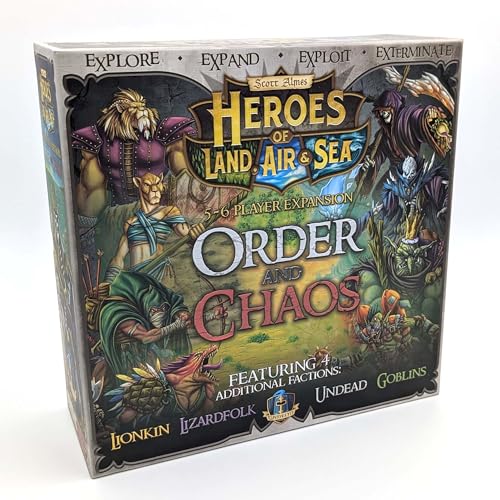
Heroes of Land, Air & Sea Order and Chaos Expansion (Painted)
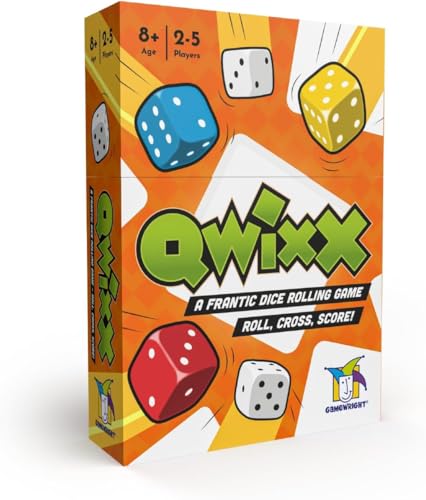
Qwixx Fast Family Dice Game
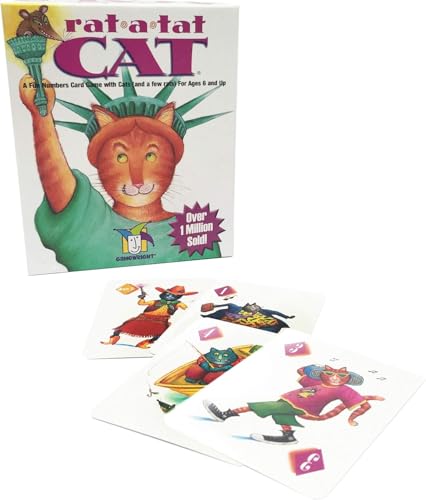
Gamewright Rat-A-Tat Cat Card Game
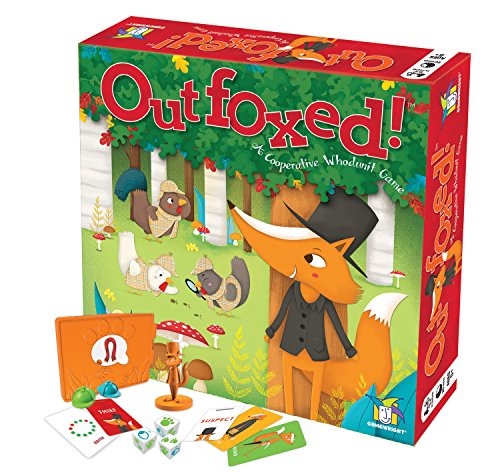
Outfoxed Cooperative Whodunit Game

Gamewright Little Hands Card Holder

Gamewright Forbidden Island

Gamewright Sushi Go!

GMT Games Space Empires 4X

Sleeping Queens Card Game

Sushi Go Party! Deluxe Card Game
The Strengths Of Each Pick
Think of this expansion as a second campaign tacked onto a tabletop empire-builder. The base game already covers ground, sea, and air, and this add-on pushes the player count from four to six while handing you four fresh factions to command. If your usual group includes a fifth or sixth friend who always gets left out, that’s the single biggest draw.
The painted minis option matters for collectors who care about shelf presence. Casual players may be perfectly happy with unpainted plastic, and the components themselves feel solid regardless of finish. The catch is scope: this only makes sense if you own the base game, so treat it as an upgrade, not an entry point.
Practical Pluses
- Raises the cap to six players, a rare feature in 4X-style board games
- Four asymmetric factions (undead, lionkin, lizardfolk, goblins) keep replay value high
- New aerial vessels add a layer most land-and-sea titles skip entirely
- Board extension opens up longer trade routes and richer positioning play
Things To Consider
- Requires the base Heroes of Land, Air & Sea to play, so factor in that cost
- Six-player sessions run long, plan for a full evening block
- Setup time scales with player count, so a six-handed game eats table space
Made For
Large 4X-loving groups who already own the base game and want a real step up in faction variety.
A Better Fit Elsewhere
GMT Games Space Empires 4X is the stronger fit for solo players or pairs who still want genuine 4X depth without the six-player logistics.
Qwixx is the kind of game you pull out while waiting for takeout. It runs about 15 minutes, supports two to five players, and fits ages 8 and up, so it works for mixed company without any rulebook wrestling. The whole pitch is that every roll matters: even when it’s not your turn, the active player still has to place numbers, which keeps everyone watching.
Compared to the heavy 4X titles on this list, Qwixx sits on the opposite end of the spectrum. Strategy here is tight and immediate, more about deciding which numbers to lock in than running an empire. Travelers love it because the dice and pad stow in a coat pocket, and the rules can be taught in under two minutes.
Useful Highlights
- 15-minute playtime makes it ideal for warm-ups or filler rounds
- Active-player and passive-player decisions keep downtime near zero
- Ages 8 and up, so it bridges a wide family range
- Portable footprint, dice, scoresheet, done
Points To Keep In Mind
- Luck drives more outcomes than the bigger strategy picks on this list
- Scoresheets can wear out with heavy play, so consider laminating or photocopying
- Two-player games feel a touch thin versus the four- or five-player sweet spot
Key Attributes
Right Fit For
Families and travelers who want a fast, low-effort dice game that still rewards smart number choices.
Where Another Pick Suits Better
Gamewright Sushi Go! serves a similar quick-play niche but with cards instead of dice, so it may suit anyone who prefers drafting over rolling.
Rat-A-Tat Cat teaches a clever lesson: lowest score wins, and the only way to win is to manage what you can’t see. Players draw, peek, swap, and discard, with memory and bluff layered into every turn. It’s quick, light, and surprisingly tense for a game that fits in a kitchen drawer.
For ages 6 and up, two to six players, it’s a confident choice when you need something that won’t lose a 7-year-old’s attention. Compared to the more strategic picks later on this list, Rat-A-Tat Cat sits in the “first real card game” slot, building habits like risk assessment and reading opponents without asking the table to read a rulebook.
Noteworthy Benefits
- Memory mechanic sneaks in cognitive practice disguised as fun
- Two to six player range works for both small and large gatherings
- Rounds stay short, typically around 20 minutes, even with max players
- Swap and peek actions give kids agency without overwhelming them
Worth Noting
- Older kids may outgrow it within a few sessions
- Card art can be hard to distinguish in low light, which affects the memory play
Best Suited To
Younger kids and family groups looking for a first strategy card game that still feels like play.
Consider Something Else When
Outfoxed is a stronger fit for slightly younger players who prefer cooperative deduction over head-to-head scoring.
Outfoxed turns the table into a detective agency, and the case is a missing pot pie. Players roll dice, gather clues, and narrow down suspects before the sneaky fox slips away. The cooperative design is a real strength: nobody is “out” early, which is huge for younger players who hate losing.
For ages 5 and up with up to four players, the deduction is gentle but real. Kids practice logic and memory without sitting through a lesson. Compared to Gamewright Rat-A-Tat Cat, this leans harder into teamwork and shared problem-solving, a different flavor of learning disguised as play.
Real Benefits
- Cooperative structure removes the sore-loser problem common in kids’ games
- Clue-reveal mechanic builds deductive reasoning step by step
- Lightweight box and components make it easy to bring on trips
- Quick setup encourages repeat play
Some Limits To Know
- Older siblings may breeze through the deduction after two or three rounds
- Strictly a four-player cap, so it can’t stretch to bigger family nights
Feature Snapshot
Who It Suits Best
Younger children and family groups who want a low-pressure cooperative mystery that still asks them to think.
Skip It When
Gamewright Forbidden Island is the better pick for slightly older kids who want more depth and a real sense of escalating tension.
Not every game needs to be the centerpiece. The Little Hands Card Holder is a simple plastic stand that lets small children fan cards in front of them instead of fumbling a five-card hand. It’s the unglamorous workhorse on this list, and the right pick for parents of kids around ages 3 to 6.
One holder per package, which is the only real planning hiccup. If you have two or three kids at the table, you’ll need multiples, or you can rotate the holder between players. Compared to the rest of the list, this isn’t a game at all, it’s an accessory that makes the other games easier to play with young children.
What Helps Most
- Lets small hands manage a full hand without dropping cards
- Compatible with most standard playing card sizes
- Sturdy plastic that holds up to regular kid-table abuse
Points To Note
- Only one holder per package, so plan to buy multiples for group play
- Not useful once kids can comfortably hold a hand on their own
- Limited to card games, not helpful for dice or board-only games
Perfect Match For
Parents introducing card games like Sleeping Queens or Rat-A-Tat Cat to children whose hands can’t manage a full grip yet.
Look Elsewhere When
Sleeping Queens is the better starting point if you want an actual game to anchor family night, since the card holder only makes sense alongside one.
Forbidden Island asks a simple question: can your team grab four sacred treasures before the island sinks beneath your feet? It’s a cooperative game for two to four players, ages 10 and up, and the tension rises naturally as tiles get flooded and disappear from the board. The game won a Mensa Favorite Brainy Games award in 2010, which tells you something about the level of thought it rewards.
About 30 minutes per session makes it approachable for weeknights. Compared to Qwixx’s light dice play, this asks more planning and coordination. Compared to Space Empires 4X further down the list, it stays accessible, the kind of game a parent and a 10-year-old can actually win or lose together.
The Good Stuff
- Cooperative design means no early elimination or sore losers
- Tile-flooding mechanic creates genuine rising tension
- 30-minute sessions fit a weeknight easily
- Role variety encourages different play styles each round
A Few Limitations
- Components, especially the cards, can show wear after a year of regular play
- Experienced groups may find difficulty capped lower than they’d like
- Two-player games require a tweak or house rules for balance
Feature Overview
Who Should Grab It
Family groups who want a cooperative game with real tension and just enough complexity to feel grown-up.
Not Your Match When
GMT Games Space Empires 4X is the better choice for solo strategy players who want deeper 4X mechanics and longer play sessions.
Sushi Go! is the entry-level pick-and-pass card game that almost every reviewer mentions. You draft sushi dishes from your hand, pass the rest, and chase point combos like the most maki rolls or a full sashimi set. The 108-card package is small enough to throw in a backpack, which is part of why it became a gateway game for so many families.
The trade-off is depth. Sushi Go! rewards smart card combos, but the strategy ceiling is modest, and experienced players will find optimal lines quickly. That’s also the point: it’s a fast, friendly game that doesn’t punish newcomers. Compared to Qwixx, which is dice-based, this is purely card-driven, so it depends on whether you want the rolling luck or the drafting feel.
What Earns Its Place
- Pick-and-pass mechanic is intuitive for kids and adults alike
- Three to five players is a comfortable range for most households
- Scoring combos reward planning ahead without heavy math
- Compact card box travels well in a bag or carry-on
Room For Improvement
- Replay curve flattens fast for experienced players
- Card art can smear with heavy handling, sleeve them if you play often
Who Will Love This
Casual family players and anyone introducing kids to drafting-style card games without overwhelming them.
Reach For A Different Pick When
Sushi Go Party! is the better match for larger groups and players who want more variety in the menu and scoring options.
Space Empires 4X is the real 4X entry on this list. The acronym stands for explore, expand, exploit, and exterminate, and this game delivers each layer with surprising depth for a roughly two-hour playtime. It supports one to four players, which makes it one of the few games in this niche that works genuinely well solo, a real differentiator.
For all that depth, the rules stay manageable compared to the heavyweight euro wargames that compete in the same space. Expect ship-building tech trees, contested sectors, and combat that rewards careful scouting. Compared to the Heroes of Land, Air & Sea expansion, this trades fantasy flavor for sci-fi clarity and adds a solo path that expansion simply doesn’t offer.
What Works In Its Favor
- Solo mode is fully supported, rare in the 4X category
- About two hours per session is reasonable given the depth
- High replay value from layered tech and combat systems
- One to four players flexes from solo nights to small groups
Honest Caveats
- Counter and chart density may overwhelm players new to 4X games
- Two-hour sessions require scheduling, not a weeknight impulse game
Feature Snapshot
Built With In Mind
Dedicated 4X fans and solo players who want deep empire-building without the bookkeeping of multi-hour euro wargames.
Where A Sibling Pick Shines
Heroes of Land, Air & Sea Order and Chaos Expansion is the better fit for large groups that want fantasy flavor and up to six players in one session.
Sleeping Queens is the rare family game that quietly teaches math and strategy without ever feeling like school. Players wake queens, steal from each other, block with kings, and try to collect the most queens by the time the draw pile runs out. It works for ages 8 and up with two to five players, so it stretches across most family configurations.
What separates it from Rat-A-Tat Cat is the strategic ceiling. There’s real planning around which queens to chase, when to play defense, and how to manage your hand. Compared to Sushi Go!, which leans on drafting, this is a more traditional card game with reactions and counters, so it gives older kids something to think about while staying accessible.
Everyday Wins
- Math and memory skills are baked into the core loop without feeling forced
- Two to five players covers most household sizes
- Fast rounds keep attention spans intact
- Card art appeals to a wide age range
Things To Weigh
- Younger players may need help with the math at first
- Card quality can vary between printings, sleeve if you play heavily
Whose Shelf It Belongs On
Mixed-age families who want a quick-to-learn game that still offers room for adults to play strategically.
Swap It Out When
Rat-A-Tat Cat is a better fit for younger kids around age 6 who aren’t ready for the math layer yet.
Sushi Go Party! takes the original Sushi Go! engine and stretches it in two directions: more cards, more players, more menu options. The pick-and-pass drafting core is the same, but the larger card pool and party rules mean it scales better for bigger groups and longer evenings.
The honest trade-off is complexity. Compared to the original Sushi Go!, this is a more involved setup, and the rulebook takes longer to teach. For a casual group, the original may still be the easier call. Party! earns its place when you’ve got a full table of friends or family who want the same easy-to-learn format with more variety under the hood.
Notable Upsides
- Larger card pool unlocks more scoring combos and replay value
- Scales up to eight players, useful for bigger gatherings
- Same approachable draft mechanic as the original
- Multicolored cards make the menu easy to read at a glance
Possible Compromises
- Longer teach time than the original Sushi Go! for first-time players
- Bulkier box, less travel-friendly than its smaller sibling
Key Attributes
Who Should Grab It
Hosts and family organizers who want a single game that comfortably handles a full room of mixed ages.
Skip It When
Gamewright Sushi Go! is the better fit for casual play with three to five players and shorter sessions.
What Matters Most Before Choosing 4x Strategy Games
Player Count And Table Size
The single biggest factor in picking a strategy game is the number of people who’ll actually show up. Heroes of Land, Air & Sea Order and Chaos caps at six, while Space Empires 4X flexes from solo to four. Card games like Sushi Go! or Sleeping Queens handle mid-size groups well, but a game labeled “party” like Sushi Go Party! lives or dies on a full table.
Age And Complexity Floor
Strategy games live on a spectrum, and you want one that fits the youngest player at the table. Outfoxed works at age 5 with simple deduction. Sleeping Queens introduces math and memory around age 8. Space Empires 4X expects a player who can manage a tech tree, so it’s better suited to teens and adults who already know the genre.
Session Length And Setup
Two-hour games demand calendar space. Thirty-minute games fit between dinner and bedtime. The honest read is that longer 4X titles reward more planning per move, but they also need a committed group. Match the session length to how often the table will actually gather, not how much depth you wish you had time for.
Cooperative Versus Competitive
Cooperative games like Forbidden Island and Outfoxed remove the early-elimination problem and suit mixed-skill groups. Competitive picks like Sushi Go! and Space Empires 4X push sharper strategic choices but expect players to handle losing. For family play, cooperative titles often land better, especially with younger kids.
Key Considerations Across These Picks
Pitfalls Shoppers Hit
The most common mistake is buying a 4X board game for the theme, then discovering the table can’t sustain two-hour sessions. Heavy strategy games need dedicated evenings, not weeknight energy. The other frequent miss is over-buying expansion content before testing the base game. Heroes of Land, Air & Sea Order and Chaos only pays off if the base game is already in rotation.
When Paying More Pays Off
Premium strategy titles cost more because of the production and the layered systems underneath. With Space Empires 4X, the extra depth comes from tech paths, solo play, and replay variety. With the Heroes of Land, Air & Sea expansion, the premium buys six-player support and four asymmetric factions. The upgrade is worth it when the table actually uses those features.
Frequently Asked Questions
What is a 4X strategy game?
A 4X strategy game centers on four verbs: explore, expand, exploit, and exterminate. Players grow an empire, gather resources, develop technology, and compete with rivals over multiple rounds. The label comes from the genre’s defining pillars, and it covers everything from solo space epics to multi-player fantasy conflicts.
Are 4X strategy games hard to learn?
They range from approachable to deeply complex. Card-based 4X-lite titles like Sushi Go! teach in minutes, while a full board game 4X like Space Empires 4X expects players to track tech trees, combat, and economy. Picking a title within the complexity floor of your table matters more than memorizing every rule.
Can I play 4X strategy games solo?
Some, not all. Space Empires 4X supports one to four players, which makes it a strong solo-friendly choice. Most party-style 4X card games and expansions like Heroes of Land, Air & Sea Order and Chaos require multiple players, so look at the player-count range before assuming solo play is on the table.
What is the best age to start 4X strategy games?
Strategy habits build from a young age with lighter titles. Outfoxed introduces deduction around age 5, Sleeping Queens adds math and memory at age 8, and Sushi Go! works well for kids around the same range. Full 4X board games like Space Empires 4X typically suit teens and adults who can manage longer sessions.
How long does a typical 4X strategy game take?
It depends on the format. Card-based 4X-lite picks run 15 to 30 minutes, while full 4X board games often run around two hours per session. Some titles, like Space Empires 4X, list the time explicitly. Set expectations with your group before you set up the table.
Wrap Up
The right 4X strategy game depends less on what’s “best” and more on who actually sits down to play. Solo players and 4X purists will feel at home with Space Empires 4X, while families looking for a quick win will get more mileage from Sushi Go! or Outfoxed. Match the game to the people in the room, and the strategy takes care of itself.



