


Hunting for the right drive box feels harder than it should. Blues players want grit that breathes, and the wrong pedal can either sound thin or step all over your pick attack. This roundup sorts nine current options by where each one actually shines, so you spend less time second-guessing and more time plugging in.
The Essentials At A Glance

Death by Audio Fuzz War Effect Pedal
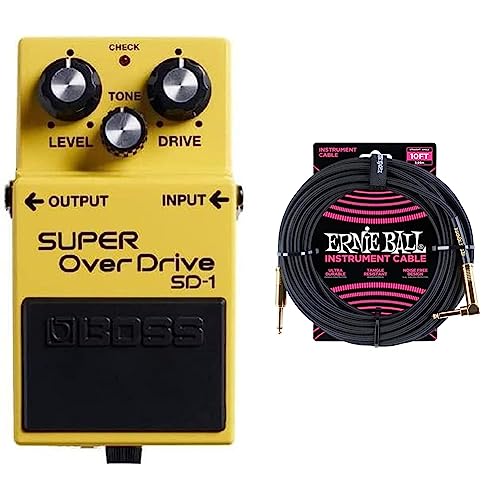
Boss SD-1 Super Overdrive with Cable

Darkglass Alpha Omicron Bass Preamp/OD

Boss BD-2 Blues Driver Guitar Pedal

Pro Co RAT2 Distortion Pedal

Wampler Pantheon Overdrive Pedal

Donner Morpher Mini Distortion 3 Modes

Donner Blues Drive Vintage Overdrive

Donner Giant Metal Distortion Pedal
Meet The Standout Selections
The Fuzz War sits at the wall-of-sound end of the spectrum, the pedal you reach for when polite overdrive won’t cut it. Where the Boss entries ahead of it on this list tame your signal, this one unleashes a wall of saturated, thick fuzz that pairs well with humbuckers and a loud clean amp.
Blues players with a heavier hand, think smoky bar gigs that lean toward rock edges, will find the pedal’s broad gain range genuinely useful. Single-coil players may find the output level a lot to manage, and you’ll want to plan where it sits in your signal chain before you patch it in.
Everyday Perks
- Wide gain sweep from gritty boost to fully saturated fuzz
- Plays nicely with humbucker-equipped guitars in live bar settings
- Large control knobs feel easy to adjust mid-song
- Sturdy build that holds up to frequent gigging
Things To Consider
- Single-coil users may find the low-end response heavy
- Gain is sensitive at the top of the dial, so patch in carefully
Key Specs
Right Fit For
Blues-rock players running humbuckers who want thick, sustained fuzz for live work.
Consider Something Else When
The Boss BD-2 Blues Driver is a better match for traditionalists who want cleaner, vocal-style overdrive.
The SD-1 has been a familiar name on pedalboards since the early 1980s, and this bundle adds a 10-foot braided instrument cable to the box. That cable inclusion makes the package attractive to anyone building a first setup, since you can plug in and play without a separate shopping run.
Asymmetric clipping, the way the pedal shapes your signal unevenly across the waveform, gives the SD-1 its character, and the included cable ships in a straight-to-angle configuration. Blues players looking for warm push that still leaves room for fingerpicking detail will find this bundle does the job without complication.
Well-Handled Touches
- Bundle ships with a 10-foot braided cable, useful for small practice spaces
- Compact Boss chassis fits easily on crowded boards
- Three-knob layout is approachable for newer players
- True to its original 1981 voicing
Honest Caveats
- Lower output than some modern drive pedals in stacked rigs
- Plastic chassis feels light, though it’s known to handle gig abuse
Who It Suits Best
First-time builders who want a proven overdrive and a working cable in one order.
A Better Fit Elsewhere
The Boss BD-2 Blues Driver serves better when you want a fatter, more vocal lead voice.
The Alpha Omicron is built for bassists first, and that focus shows up the moment you plug in. A dual distortion engine, plus a dry-blend control that lets you mix your clean signal with the overdriven sound, gives you real choices about how aggressive the result feels. Where the Fuzz War stomps all over your dynamics, this pedal keeps your fundamental note alive underneath the grit.
Independent Drive and Level knobs, along with a Growl switch that shelves up the bass for extra thickness, make this more of a tone sculpting tool than a one-knob fuzz. Bass players in modern blues or fusion settings get the most from it, since the design leans toward clarity over vintage grit.
Practical Advantages
- Dual distortion modes cover a wider range of grit than single-circuit pedals
- Dry blend preserves low-end punch even at higher gain
- Growl switch adds useful low-end weight on demand
- Compact footprint fits standard bass boards
Worth Noting
- Guitarists may find the voicing too bass-focused for traditional blues tones
- More controls to learn than a simple three-knob drive
Feature Snapshot
Made For
Bassists working in modern blues, fusion, or any setting that needs controlled distortion with low-end clarity.
Look Elsewhere When
You play electric guitar and want a traditional blues voice, in which case the Boss BD-2 or Pro Co RAT2 is a more focused choice.
The BD-2 has earned its reputation by mimicking the way a vintage tube amp compresses and breathes, which is exactly what most blues players want from a drive pedal. Compared to the SD-1 covered earlier, this one pushes further into gain territory and adds more midrange bite, so it works for both clean-ish rhythm comping and screaming lead work.
For home practice, a recording session, or a small club rig, the BD-2 tends to slot in without much fuss. Volume-knob interaction is responsive, meaning your guitar’s volume control shapes the drive meaningfully, and the pedal rewards a light touch on the strings.
Where It Excels
- Tube-amp-style compression suits expressive playing dynamics
- Strong midrange presence cuts through a band mix
- Responds to guitar volume changes in a musical way
- Same compact Boss chassis proven on stages worldwide
Trade Offs
- Single voicing, so no mode switching for genre variety
- Stock footswitch is serviceable but commonly upgraded
At A Glance
Best Suited To
Blues lead players who want one pedal that handles rhythm work and soloing without mode switching.
Skip It When
You want a more transparent low-gain boost, in which case the Wampler Pantheon Overdrive is worth a closer look.
The RAT2 is one of those pedals that shows up in nearly every genre because it adapts to what your amp is already doing. Used as a boost in front of a cranked tube amp, the RAT thickens leads without mush. Used as a primary distortion, it covers everything from garage-rock grit to heavier blues-rock.
Where the BD-2 leans vocal and smooth, the RAT2 has a more aggressive midrange character that punches through dense mixes. Steel chassis construction is reassuring for gigging musicians, and the three-knob layout, with Distortion, Filter, and Volume, makes dialing in a usable sound quick.
A Favorable Mix
- Works as both a clean boost and a full distortion
- Filter knob shapes high-end content for dark or bright amp pairings
- Steel chassis handles stage wear well
- Standard 9-volt adapter or battery operation
Points To Note
- Filter control takes experimentation to land on the right setting
- Higher gain settings can get fizzy with single-coil pickups
Feature Card
Who Will Love This
Working guitarists who want one box that can boost, drive, or distort depending on the song.
Reach For A Different Pick When
You play bass or need a dedicated bass preamp, in which case the Darkglass Alpha Omicron is the right tool.
The Pantheon takes inspiration from the much-loved Marshall Bluesbreaker circuit, the kind of low-gain drive that lets your guitar and amp do most of the talking. Where the RAT2 imposes its own voice on the signal, the Pantheon stays out of the way and lets your pick attack come through.
Tone purists, recording engineers, and anyone chasing that elusive “amp is doing the work” feel will appreciate what this pedal offers. It’s not the cheapest option in this roundup, but for transparent breakup that respects your guitar’s natural voice, the design earns its reputation.
Everyday Advantages
- Transparent breakup keeps your guitar’s natural character intact
- Multiple voicing options add tonal range without mode-hopping
- Internal switches for fine-tuning bass response
- Road-ready enclosure for frequent transport
Less Ideal Details
- Costs more than most three-knob overdrives in this list
- Not built for high-gain metal territory
Perfect Match For
Players with a good amp who want a pedal that pushes it without masking its character.
Swap It Out When
You need serious dirt for hard rock or metal, in which case the Death by Audio Fuzz War or Donner Giant Metal is more appropriate.
The Morpher Mini crams three distinct voices into a compact enclosure: Natural, Tight, and Classic Crunch. For newer players who don’t yet know which type of distortion suits their playing, that mode variety is genuinely useful, since you can A/B sounds on the same night without swapping pedals.
Build quality is solid for the price tier, with a metal-alloy shell that should handle a backpack or a gig bag without complaint. Tone is a touch more modern than vintage, so players chasing a 1960s-style breakup may want to look elsewhere, but for hair-metal crunch and tight rhythm tones, the Morpher delivers surprising range.
Positive Points
- Three voices in one box at a low cost
- True bypass keeps your clean tone intact when the pedal is off
- Aluminum-alloy shell handles everyday transport
- Compact footprint saves pedalboard real estate
Points To Keep In Mind
- Less vintage warmth than the Boss BD-2 or Pro Co RAT2
- Tone-shaping options are more limited than higher-tier drives
Technical Highlights
Built With In Mind
Beginners and budget-focused players who want flexibility without spending on multiple pedals.
Another Choice May Suit
You want pure blues character, in which case the Boss BD-2 Blues Driver is the more traditional pick.
The Blues Drive borrows from classic mid-gain circuits, aiming for the smooth, compressed voice of an old tube amp. Warm and Hot modes give you a choice between traditional breakup and a more aggressive push, and the three-knob layout (Level, Tone, Gain) is familiar to anyone who has touched a Tube Screamer-style design.
True bypass switching means your dry tone stays clean when the pedal is off, a meaningful detail for players with complex pedal chains. For weekend jams and home practice where you want vintage character without the boutique markup, this pedal handles the job with confidence.
Bright Spots
- Two-mode design covers both blues and harder rock voices
- True bypass preserves tone when disengaged
- Familiar control layout is easy for newer players
- Affordable entry point for vintage-style drive
Some Limits To Know
- Not as refined as boutique options like the Wampler Pantheon
- Hot mode can get buzzy with humbucker pickups at high gain
Whose Shelf It Belongs On
Home players, students, and weekend warriors who want vintage overdrive on a real-world budget.
Where A Sibling Pick Shines
You want transparent breakup for a recording setup, in which case the Wampler Pantheon Overdrive is the smarter spend.
The Giant Metal is built for high-gain territory, which makes it the outlier in a blues-focused roundup, but crossover players who bounce between bluesy leads and metal riffs will appreciate the three-mode design. A Hi Boost function adds high-frequency bite for cutting through dense arrangements, useful in louder bands where mid-scooped tones get lost.
This pedal fits players with a broad stylistic range rather than purists chasing a 1960s vibe. Compared to the Boss BD-2 covered earlier, the Giant Metal sits in a much heavier lane and won’t blend into a traditional blues mix as naturally.
The Helpful Details
- Three gain modes for flexible tone shaping
- Hi Boost adds high-end clarity to dense distortion
- True bypass switching for clean signal preservation
- Compact size suits smaller boards
Factors To Consider
- Voicing leans metal, so not ideal for vintage blues purists
- Single-voicing personality makes it less versatile than a multi-mode drive
Who Should Grab It
Crossover players who play both blues-rock and heavier styles and want one box that handles both.
Not Your Match When
You play strictly traditional blues and want a vocal, amp-like response, in which case the Boss BD-2 fits the bill better.
Choosing A Drive Pedal That Actually Fits Your Playing
A drive pedal that flatters a Strat through a clean Fender won’t always behave itself through a Marshall running hot. Start with your amp’s character, then choose a pedal that complements rather than fights it. The Boss BD-2 and Wampler Pantheon reward already-singing amps, while the Pro Co RAT2 and Death by Audio Fuzz War bring their own attitude to the table.
Gain Range And Voicing
Low-gain drives, like the Pantheon, push your amp into natural breakup without coloring it heavily. Mid-gain options such as the BD-2 or Donner Blues Drive add their own compression and warmth. High-gain pedals, including the Fuzz War and Giant Metal, do best with clean amps that need help filling out the sound. Match the pedal’s gain ceiling to your amp’s clean headroom for the most musical results.
True Bypass Vs Buffered Circuits
True bypass, present on most Donner models and the Pro Co RAT2 here, routes the dry signal directly through when the pedal is off, preserving your original tone. Buffered circuits keep long cable runs and complex boards sounding consistent but can subtly color your clean tone. Pick true bypass for short cable runs and small boards, or a buffer when your chain runs over six pedals.
Build Quality And Gig Realities
Steel enclosures on the Pro Co RAT2 and Boss compact line tend to survive road life. Smaller mini-format pedals save board space but feel less stable underfoot if you’re stomping hard between songs. Power requirements matter too, since most of these pedals run on standard 9-volt supplies, though some accept batteries for grab-and-go setups.
Key Considerations Across These Picks
Where Shoppers Go Wrong
The most common misstep is buying a high-gain distortion when a mid-gain overdrive would have served better, and ending up with a pedal that never leaves the “almost off” position. Another trap is ignoring amp pairing, since a pedal that sounds great on a demo might fight your specific amp at home. Always consider what your amp already does well before adding gain.
The Case For Spending Up
Premium options like the Wampler Pantheon justify their higher cost through refined voicing, internal switching options, and build quality that holds up to years of gigging. Lower-priced alternatives from Donner deliver real value for newer players, but as your ear develops, smoother taper, quieter circuitry, and more flexible EQ become meaningful. The upgrade makes sense once you’ve identified exactly which tones you’re chasing, not before.
Frequently Asked Questions
What Does A Blues Distortion Pedal Actually Do?
A blues distortion pedal shapes your guitar’s signal into a warmer, slightly compressed, and harmonically rich sound. It mimics the way a vintage tube amp breaks up when pushed, without needing a loud stage volume.
Can I Use These Pedals For Genres Outside Blues?
Yes. The Boss BD-2 works well for classic rock, the Pro Co RAT2 handles punk and hard rock, and the Death by Audio Fuzz War leans into stoner and doom territory. Versatility depends more on the specific pedal’s voicing than on the label.
Where Should I Place A Drive Pedal On My Board?
Drive pedals generally go early in your signal chain, before modulation and time-based effects like delay or reverb. Placing them after modulation tends to make those effects louder and more distorted, which usually isn’t what you want.
Do I Need A Buffer Or True Bypass?
For short cable runs and small boards under six pedals, true bypass is typically fine. Larger boards with long cable runs benefit from a buffer to keep your high-end intact across the chain.
Is A Combo Of Overdrive And Distortion Worth It?
Stacking an overdrive like the Boss SD-1 into a distortion like the RAT2 is a common approach for players who want clean rhythm tones and aggressive lead tones from the same board. The overdrive shapes the core voice, and the distortion adds weight on top.
Final Verdict
The right pedal comes down to honest self-assessment: where your playing currently sits, what your amp already does, and how much tonal range you actually need. The Boss BD-2 is the most versatile traditional choice, the Pro Co RAT2 is the dependable all-rounder, and the Wampler Pantheon is the smart upgrade once you know what you’re after. Trust your ears, and remember that any of these will sound different in your room than on someone else’s demo, so give yourself time to live with a new pedal before judging it.



