


Choosing the right low-end anchor can decide whether a set feels tentative or full-bodied. Mobile DJs juggling small bars, wedding DJs loading in solo, and club rig owners scaling up a fixed room all need bass that arrives clean, hits hard, and survives the drive between gigs. This roundup gathers nine powered subs and companion full-range cabinets that pair naturally with DJ booths, from compact 12-inchers that slip into a hatchback to 18-inch touring workhorses built for arena duty. Each pick is evaluated on driver size, amplifier class, connectivity, and the kind of venue it actually fits, so the next time you push play, the bottom end is the least of your worries.
Your Options, Compared
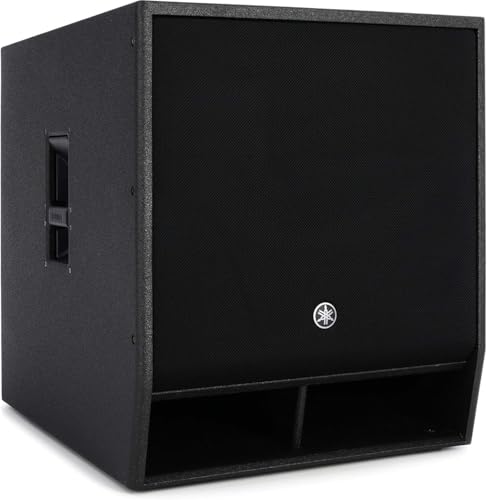
Yamaha DXS18XLF 18-inch 1600W Powered Subwoofer

Yamaha DXS18XLF-D 18-inch 1600W Powered Subwoofer With Dante

Yamaha DXS15XLF 15-inch 1600W Powered Subwoofer

Rockville Destroyer 15D2 15″ Dual 2-Ohm Competition Car Audio Subwoofer
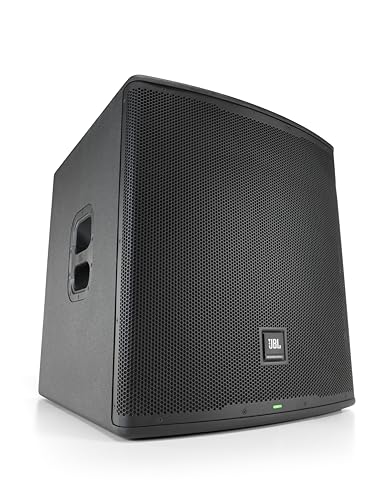
JBL EON718S 18-inch Powered PA Subwoofer with Bluetooth
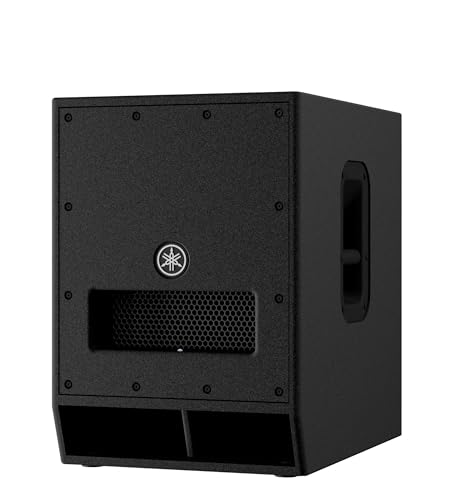
Yamaha DXS12 MKII Powered Subwoofer

Kicker CVR152 CompVR 15 Inch Car Subwoofer 43CVR152

JBL EON715 15-inch Powered PA Speaker with Bluetooth

JBL EON710 10-inch Powered PA Speaker with Bluetooth
Meet The Standout Selections
The DXS18XLF is the box you reach for when a 15-inch simply will not pressurize the room. Built around an 18-inch driver with a 4-inch voice coil and a 1600W Class-D amp module, it pushes the kind of chest-feeling low end that wedding and club rigs demand on a packed floor. The bass-reflex cabinet is paired to the DZR full-range lineup, so phase and crossover behavior line up cleanly without hours of tuning.
For most mobile operators working rooms over 300 guests, this is the upgrade path that makes the most sense. A 30 to 150 Hz response covers the sub-bass region where kick drums and synth bass actually live, and the plywood enclosure survives the van ride between venues. In our view, it is the safest jump if you have outgrown a smaller cabinet but do not want a touring-array price tag.
Where It Excels
- 136 dB max SPL output, enough headroom for outdoor ceremonies and warehouse parties
- 1600W Class-D amplification keeps current draw manageable on standard 15-amp circuits
- 4-inch voice coil on the 18-inch driver handles long bass notes without thermal compression
- Cardioid-compatible design lets you point low end at the dance floor and tame stage bleed
- Plywood band-pass enclosure, road-tough and heavier than MDF alternatives in this class
Trade-Offs To Think Through
- Heavier than a 15-inch model, so a second person for load-in is almost always required
- Overkill for a 75-guest room where the 12-inch MKII would cover the same material
Key Specs
Built For Large Room Operators
Touring DJs and club owners running 300-plus capacity rooms will find the headroom and physical impact worth the load-in effort.
Look Elsewhere When Portability Is Paramount
The Yamaha DXS12 MKII is a more sensible grab for a solo wedding DJ who needs one trip from the car to the dance floor.
Take everything the standard DXS18XLF delivers and add a Dante network port. The “-D” suffix signals Dante audio networking, a protocol that sends multichannel audio over standard Ethernet cables rather than bulky analog snakes. For permanent installs and rigs that get reconfigured weekly, that single addition reshapes the cable path.
This is the cabinet for fixed-venue and touring pros who already use a Dante ecosystem. The 18-inch driver, 4-inch voice coil, and 1600W Class-D amp mirror the non-Dante version, so the acoustic behavior stays identical. The trade-off is that you are paying for a networking feature a typical mobile wedding DJ will never plug into.
Where It Helps
- Dante I/O on the back panel cuts down on long analog cable runs in installed venues
- Same 136 dB max SPL as the standard DXS18XLF, no acoustic compromise for the network upgrade
- 1600W Class-D amp stays cool through long DJ sets, which is a real concern in warm ballrooms
- Compatible with Yamaha DZR tops for a matched, time-aligned front-of-house system
Points Worth Weighing
- Dante is overkill without a compatible mixer or network switch already in the rig
- Larger and heavier than a 15-inch model, so van space and load-in crew need to scale up
Made For Installed Venue Owners
Clubs, houses of worship, and AV integrators running a Dante backbone will justify the premium within the first reconfiguration.
Skip It When You Run Analog
The Yamaha DXS15XLF is the better daily-driver choice for mobile operators who still rely on XLR connections end to end.
The DXS15XLF lands in the practical middle of the Yamaha subwoofer family. A 15-inch driver with a 4-inch voice coil sits in a bass-reflex plywood cabinet, driven by the same 1600W Class-D amplifier module used in the larger 18-inch siblings. The result is a sub that hits a useful 33 to 150 Hz window and weighs in at a level most solo DJs can manage.
This is the most flexible of the DXS XLF models. The 15-inch cone moves enough air for a 200-guest ballroom without rattling the stage, and the cabinet footprint is friendly to tight DJ booths. Compared to the 18-inch DXS18XLF reviewed earlier, you give up a few Hz of extension and a few dB of headroom in exchange for a sub that fits through a standard doorway without scraping paint.
Reasons It Performs
- 136 dB max SPL matches the larger DXS18XLF, so headroom is not the sacrifice here
- 33 Hz low-end extension still covers the deepest kick fundamentals in most dance genres
- Plywood enclosure handles the bumps of weekly load-ins better than MDF alternatives
- Compatible DZR top pairing means a matched rig is a single product family away
What To Weigh Up
- Still heavier than a single-trip 12-inch option for one-person operators
- Reaches a few Hz less deep than the 18-inch sibling on the lowest octave
Feature Snapshot
Best Suited To Mid-Size Mobile Operators
Wedding and event DJs handling 100 to 250-guest rooms will find the size-to-output ratio the easiest to live with week after week.
Swap It Out For Smaller Rooms
The Yamaha DXS12 MKII is a friendlier choice for a 75-guest room where a 15-inch is simply more cabinet than the venue needs.
The Destroyer 15D2 is a different animal from every other entry in this roundup. It is a raw component subwoofer, not a powered PA cabinet, designed to live inside a sealed or ported enclosure wired to an external amplifier. Built for car-audio competition and SPL bragging rights, it brings serious thermal headroom and a dual 2-ohm voice coil configuration.
For a DJ who runs a mobile sound system out of a van or SUV, this is the path to chest-compressing low end that follows you between gigs rather than getting loaded onto a hand truck. It pairs naturally with the car-audio amps you may already have. Just remember that the figures here are raw driver ratings, not amplified output.
Notable Upsides
- High power handling, suitable for competition-style bass in a properly built enclosure
- Dual 2-ohm voice coil wiring gives flexibility when matching to a monoblock amp
- Aluminum voice coil and reinforced glue improve thermal stability during long bass notes
- Component sub format means the enclosure shape and port tuning are fully your call
Honest Caveats
- Requires a separate amplifier, enclosure construction, and wiring, not a plug-and-play cabinet
- Car-audio component sub, not designed for PA use, so do not expect it on a stage
- Enclosure building adds a meaningful time investment before the first gig
Whose Build It Belongs On
SPL hobbyists and mobile DJs who already work in the car-audio world and want their van to thump between venues.
Reach For A Different Pick On Stage
The Yamaha DXS15XLF is the right call for any DJ who needs a sub to set up at a venue without building an enclosure first.
The EON718S brings modern DSP and Bluetooth app control to a 1500W, 18-inch bass-reflex cabinet. Smooth response down to 31 Hz gives it the same usable low end as the Yamaha DXS18XLF, while the threaded pole mount on top makes a clean stack-and-go setup with a full-range top. The Bluetooth integration is genuinely useful for tweaking crossover and EQ from the dance floor mid-set.
This is a strong fit for solo operators who want to walk the room and tune by ear. The acoustic package has been redesigned around a new woofer, which improves linearity compared to older EON sub generations. For most mobile DJs, the on-board DSP and cardioid-capable stacking reduce the need for outboard processing.
Notable Gains
- Bluetooth app control for crossover, EQ, and delay, no ladder required for last-minute tweaks
- 31 Hz extension reaches the lowest octave in mainstream dance music
- 1500W efficient amp class keeps electrical draw friendly on generator-powered outdoor events
- Cardioid stackable design, so a pair can be aimed at the floor with rear cancellation
Some Limits To Know
- App-based control assumes a phone or tablet is always available at setup
- 18-inch footprint is still a two-person carry for most load-ins
At A Glance
Right Fit For Solo Operator DJs
Single-person mobile rigs benefit most from Bluetooth tuning and the cardioid stack option when bass is bleeding into the wrong rooms.
Not Your Match For Ultra-Light Setups
The Yamaha DXS12 MKII is a friendlier grab for ceremonies and breakout rooms where 18 inches of cone is more speaker than the venue needs.
The DXS12 MKII is the smallest member of Yamaha’s powered sub family, but it carries the same DNA as its larger siblings. A 12-inch driver sits in a sturdy plywood band-pass enclosure, pushed by a 1020W Class-D amplifier. The cabinet footprint is small enough to slip beside a DJ table or hide behind a curtain at a small venue.
This is the sub for working DJs who carry gear in one trip and set up alone. Pairing it with a DXR or DBR top produces a surprisingly full small-room system, and the plywood build quality holds up to the kind of weekly handling that ends a cheaper MDF enclosure. You may find the bottom octave a touch shy for EDM-heavy rooms, though, especially without a second unit.
Points In Its Favor
- 1020W Class-D power in a cabinet one person can carry and set in position
- Plywood band-pass enclosure outlasts MDF alternatives under road wear
- Compact footprint suits small stages, ceremony rooms, and pop-up DJ booths
- Same voicing family as the larger DXS units, so pairing multiple sizes in one rig stays coherent
Where It May Fall Short
- Single 12-inch struggles to pressurize rooms above roughly 150 guests without a partner sub
- Less low-end reach than the 15-inch and 18-inch siblings on the very deepest notes
Perfect Match For Wedding and Ceremony DJs
Solo operators handling 50 to 150-guest rooms get the right amount of bass without hauling a sub that dwarfs the venue.
Reach For A Different Pick On Bigger Stages
The JBL EON718S handles a 250-guest ballroom with much more authority when the room is packed and the music is loud.
The Kicker 43CVR152 is a long-running car-audio staple. A 15-inch cone with a dual voice coil design at 2 ohms delivers the kind of output that defined the SPL era for many enthusiasts. The CompVR series uses a single, unified cone-and-back-brace structure that Kicker markets under the SoloKon name, which adds rigidity to the moving surface.
For DJs who want their daily-driver vehicle to bump, this is one of the more reliable budget-friendly options. It does not bring the competition-grade thermal headroom of the Rockville Destroyer reviewed earlier, but it makes up for that with a known reputation in the car-audio community and a wiring layout that plays well with common monoblock amps. As with any component sub, expect to budget for an enclosure.
The Helpful Details
- Dual voice coil 2-ohm configuration, flexible when wiring to a single monoblock amplifier
- SoloKon cone-and-back-brace design adds rigidity for cleaner excursion at high volume
- Established product line, widely available replacement parts and enclosure specs
Soft Spots
- Requires an external amplifier and custom or pre-fabricated enclosure before use
- Thermal handling is more modest than the larger Rockville Destroyer in the same roundup
- Car-audio part, so no use on a stage or in a portable DJ rig without major adaptation
Who Will Love This
Daily drivers and car-audio enthusiasts who want clean, reliable bass without chasing the highest SPL numbers in the parking lot.
Where Another Pick Suits Better
The Yamaha DXS15XLF is the right move for any DJ who actually gigs on stages rather than relying on car-mounted bass for client work.
The EON715 is technically a full-range powered top, not a dedicated subwoofer, but it earns its place in this roundup as the partner you pair with a sub. A 15-inch woofer sits alongside a compression driver in a molded enclosure, with Bluetooth DSP control through the JBL app. The advanced waveguide spreads coverage evenly across the listening area.
For working DJs who need a matched top to go with the EON718S sub reviewed earlier, the EON715 keeps the cabling and voicing family consistent. The 1300W power rating is shared across the EON700 line, and the cabinet is light enough for a single load-in. It also works as a standalone full-range box for ceremony or speaking portions of an event.
Strengths Worth Knowing
- 15-inch two-way design handles mid and high content cleanly when paired with a sub
- Bluetooth DSP control for crossover, EQ, and delay, matching the EON718S sub
- Waveguide technology delivers even off-axis coverage across the room
- Versatile enough to double as a standalone full-range box for ceremony audio
Where It Is Less Suited
- On its own, the 15-inch bottom end is no substitute for a dedicated subwoofer
- Best value comes from pairing it with an EON sub, raising the total system cost
Technical Highlights
Who Should Grab It
DJs building a matched JBL EON700 rig will appreciate the seamless voicing and shared Bluetooth control with the EON718S sub.
Skip It When You Already Own Tops
Anyone with existing full-range cabinets in good shape should put the budget toward the Yamaha DXS15XLF for deeper low-end reach.
The EON710 is the smallest member of the EON700 powered family, but it shares the 1300W amp platform and Bluetooth DSP control with the 15-inch and 18-inch siblings. A 10-inch two-way configuration covers ceremony audio, cocktail-hour sets, and any situation where a full sub stack would overwhelm the room.
For a DJ who already owns the EON718S sub and needs a top for the smaller rooms, the EON710 is a logical pair. The 10-inch cone does not pretend to be a sub on its own, which is honest about its role in the rig. As a standalone full-range box, it shines in breakout rooms and outdoor ceremonies where a tight footprint matters more than throw.
Everyday Advantages
- Lightest EON700 cabinet, easy to carry and mount on a standard speaker stand
- Bluetooth 5.0 DSP control from the JBL app keeps the tuning workflow consistent
- 1300W amp headroom for the small-room applications this cabinet is built for
- Even coverage from the JBL waveguide pattern at low and moderate volumes
What To Watch For
- 10-inch bottom end will not satisfy dance-floor-focused rooms without a sub partner
- Mainly useful in a paired rig, so factor in the second-box cost before committing
Best Match For Ceremony and Breakout Rooms
Mobile DJs running a multi-room wedding or corporate event will appreciate a small-format top that matches the rest of the EON rig.
Look Elsewhere When Only One Box Is Needed
The JBL EON715 is a better single-box answer for a DJ who wants a 15-inch top that can also stand in as a small main.
What To Match Before Choosing 15 Inch Powered Subwoofers For Dj
Driver Size Versus Room Volume
The headline number on a powered sub is the driver diameter, and it matters more than almost any other spec because larger cones move more air per stroke. A 12-inch cabinet is enough for a 50 to 150-guest room when you are running a single sub, while a 15-inch starts to shine around the 200-guest mark. An 18-inch really earns its keep at outdoor events and 300-plus capacity rooms, where the extra cone area is what reaches the back of the audience.
Amplifier Class And Headroom
A Class-D amplifier module (a switching design that produces less heat than older analog amps) gives you more usable output per pound of cabinet. Look for the continuous power rating, not the marketing peak number, and aim for at least 1000W continuous in a 15-inch cabinet. A sub running out of headroom distorts the bass, which sounds loose and tiring long before it sounds loud.
Connectivity And Rig Integration
Most modern powered subs accept XLR line-level inputs and loop the signal through to a full-range top, which is the simplest cable path. If your rig includes a digital mixer or installed backbone, a Dante-equipped sub can replace analog snakes with a single Ethernet run. Match the sub family to the tops you already own when you can, so voicing and crossover behavior stay aligned.
Portability And Load-In Reality
Driver size, cabinet weight, and door width all collide at the load-in door. A plywood enclosure is tougher than MDF, but it also weighs more, which is a real consideration for solo operators. A sub you cannot carry from the car to the stage alone is a sub that gets left in the van on a bad day.
Key Considerations Across These Picks
Common Shopping Slip Ups
The most frequent mistake is choosing a subwoofer by driver size alone, without checking the cabinet’s frequency response. A 15-inch with a 30 Hz floor outperforms a larger driver cut off at 40 Hz every time, especially for EDM and hip-hop genres that live in the bottom octave. Another pitfall is ignoring amplifier class: a Class-AB amp (the older analog design that runs hotter and weighs more) of the same wattage rating runs out of clean headroom much sooner than a Class-D unit. Finally, do not skip the enclosure material check. MDF cabinets are lighter, but they do not survive weekly transport the way plywood does.
Where The Extra Money Goes
Higher-tier powered subs earn their premium through DSP control, better thermal management, and rugged plywood enclosures. The JBL EON718S, for example, adds Bluetooth app tuning that lets you adjust crossover and EQ from the audience area, which is genuinely useful mid-event. The Yamaha DXS18XLF commands more than a 12-inch model because the larger voice coil and Class-D amp deliver more output with less thermal compression over long sets. Whether the upgrade makes sense depends on how often you push the rig to its limits and how much you value that headroom on a hot summer outdoor gig.
Frequently Asked Questions
What Size Subwoofer Is Best For A Mobile DJ?
A 15-inch powered subwoofer is the most versatile starting point for a mobile DJ because it balances output with portability. Smaller rooms work fine with a 12-inch, while 18-inch models are reserved for larger events and touring rigs.
Do Powered Subwoofers Need An External Amplifier?
No, the amplifier is built into the cabinet, so you only need a line-level signal from your mixer. This is the main difference between a powered sub and a passive model that requires a separate amp rack.
Can I Use A Car Audio Subwoofer For DJ Gigs?
Car audio component subs like the Rockville Destroyer or Kicker CVR152 are designed for enclosed vehicle installations, not for stage use. For portable DJ work, choose a powered PA subwoofer built for that environment.
How Do I Match A Sub To My Full-Range Tops?
Stick to the same product family when possible, since manufacturers tune the crossover and voicing to align within a series. Set the crossover frequency around 80 to 120 Hz on the sub and disable low frequencies on the tops for a clean handoff.
What Is The Advantage Of A Class-D Amplifier In A Sub?
A Class-D amp runs cooler and lighter than older Class-AB designs, which means more clean output in a smaller cabinet. That efficiency also means less current draw on the same circuit, which matters at outdoor generator-powered events.
Bottom Line
The right powered sub for your DJ rig comes down to room size, load-in reality, and how often you push the volume to its limits. The Yamaha DXS15XLF hits the practical middle ground for most mobile operators, while the JBL EON718S adds Bluetooth tuning for solo setups. Match the cabinet to the room and the venue, and the rest of the rig tends to fall into place on its own.



