


Fighting games on PC reward input precision, and a quality arcade stick turns the difference between a whiff punish and a dropped combo. Whether you main Ryu, Kazuya, or a 2D indie roster, the right stick reflects your play style, your platform, and how deep you want to go with modding. This list covers off-the-shelf fight sticks, Xbox-licensed controllers, and DIY encoder kits for arcade builders.
An Overview Of The Picks

Qenker 2 Piece Chrome Arcade DIY Shaft Extender for Sanwa, Seimitsu, Zippyy Joysticks

8Bitdo Arcade Stick for Switch and Windows with Bluetooth and 2.4G

8Bitdo Arcade Stick for Xbox Series X|S and Windows with 3.5mm Audio Jack

Easyget 2 Player Zero Delay USB Encoder for MAME and Raspberry Pi

SJ@JX Zero Delay Arcade USB Encoder for Retropie, Raspberry, MAME, and Windows

Qanba Gravity KS Mechanical Silent Pushbutton 30mm Snap-in 8-Pack
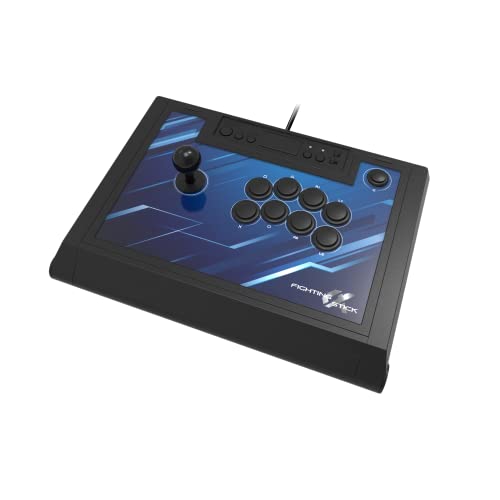
HORI PS5 Fighting Stick Alpha for PS5, PS4, and PC with Hayabusa Parts
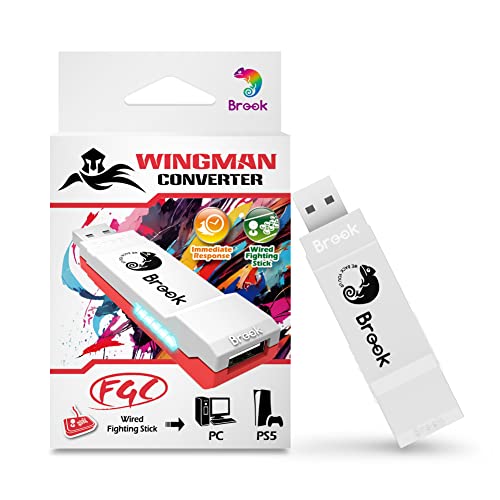
Brook Wingman FGC Converter for PS5, PS4, and PC Fighting Games
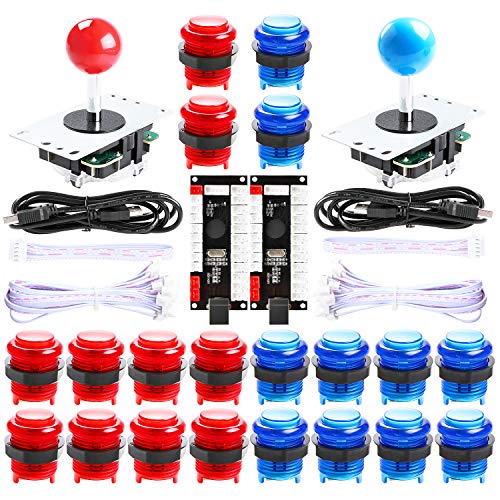
Qenker 2-Player LED Arcade DIY Kit with Joysticks, 20 Buttons, and Encoders

Quimat Zero Delay Arcade USB Encoder QR05 for MAME and PC Fighting
What Each Pick Brings To The Table
Tall joysticks feel great in a fight stick build, but stock shafts on a Sanwa or Seimitsu often sit too low for taller ball tops. These chrome extenders slot between the joystick base and the shaft to add vertical reach. Compared to the full enclosures on this list, this is a niche upgrade for builders who already own a stick body.
You only get two pieces per pack, so plan around the buttons and sticks you want to modify. For most desktop players, swapping the shaft is a five-minute job with a hex key.
The Good Stuff
- Adds meaningful height to short joystick shafts, which taller players often prefer for wrist comfort.
- Works with the most common Japanese-style joystick mounts, so a single pack covers multiple existing builds.
- Chrome finish resists scuffs better than raw metal during frequent disassembly.
Worth Noting
- Only two extenders per pack, so a full 8-button arcade stick needs four packs or a different upgrade path.
- Taller shafts can catch on shallow cases, so measure your enclosure depth before buying.
Feature Snapshot
Whose Shelf It Belongs On
Players modding a custom case with Japanese parts and looking for a taller throw.
Reach For A Different Pick When
The Easyget 2 Player Zero Delay USB Encoder suits you more if you want to start a full two-player build from scratch.
For couch players who split time between a Switch dock and a gaming PC, juggling two controllers wastes space. The 8Bitdo Arcade Stick pairs over Bluetooth, runs through a 2.4G receiver for low-latency sessions, and falls back to a wired USB-C link when the battery runs low. The included dongle has a hidden slot inside the body, so the receiver stays attached even on the road.
Where the SJ@JX encoder in this list is just wires and terminals, this is a finished product you can unbox and play. Button mapping changes with the active mode, so the same layout reads as a Switch face button or an Xbox-style layout depending on the system.
A Strong Showing
- Three connection modes cover handheld, desktop, and tournament setups without buying extra dongles.
- A universal mounting plate accepts Sanwa parts, so modders can swap in upgraded buttons later.
- Profile buttons let you remap inputs on the fly for different games.
Trade Offs
- No native Xbox compatibility, so Xbox Series players should look at the 8Bitdo Xbox version instead.
- The stock switches feel lighter than Hayabusa parts, depending on the mod scene consensus.
Best Suited To
Players who own both a Switch and a PC and want one stick for both.
Consider Something Else When
The 8Bitdo Arcade Stick for Xbox Series X|S and Windows suits you more if Xbox is your primary platform.
Microsoft’s first-party fight stick lineup has always been thin, and third-party sticks rarely get full Xbox licensing. The 8Bitdo Xbox Arcade Stick is one of the few wireless options that officially pairs with Xbox Series X|S, Xbox One, and Windows without workarounds. A 3.5mm jack on the front lets you plug in a headset for late-night ranked sessions without reaching for a separate adapter.
Compared to the standard 8Bitdo Switch stick, the Xbox version is shaped for the Microsoft button layout and drops the Switch face buttons. Wireless playtime stretches to roughly 30 hours per charge, and the body recharges over USB in about four hours.
Noteworthy Benefits
- Officially licensed wireless Xbox support avoids the compatibility headaches common with non-licensed arcade sticks.
- Front-facing 3.5mm audio jack with volume control keeps a wired headset within reach.
- Runs on 8BitDo Ultimate Software for profile and button remapping across games.
Small Caveats
- Battery life varies with rumble and LED use, so heavy users charge more often than the spec suggests.
- Heavier than a typical pad, so backpack portability is limited.
Quick Facts
Who Should Grab It
Xbox Series owners who want a licensed wireless stick with headset support for ranked online play.
Where Another Pick Suits Better
The HORI PS5 Fighting Stick Alpha suits you more if PlayStation is your tournament scene and you want Hayabusa parts out of the box.
Two-player arcade cabinets need a controller board that can read both sets of buttons and joysticks, and a generic gamepad layout is rarely enough. This Easyget encoder handles two players at once over a single USB cable, mapping inputs directly for MAME, RetroPie on Raspberry Pi 1/2/3, and standard Windows titles. The “zero delay” label refers to the lack of a buffered gamepad signal, which is critical for fighting game timing.
Unlike the 8Bitdo Xbox stick, this is just a board, terminals, and a USB cable, so the joysticks and buttons are sold separately. Builders who already own a button kit only need to wire and go.
Key Advantages
- Dual-player support from a single USB port keeps wiring simple in a bartop or full-size cabinet.
- Plays nicely with both MAME cabinets and Raspberry Pi retro setups.
- Standard 4.8mm terminals accept the most common arcade buttons and joystick harnesses.
Points To Note
- Requires a USB power source plus a separate ground wire for the LED ring on certain buttons, which adds wiring steps.
- Documentation is sparse, so first-time builders may need community wiring diagrams to map pinouts.
Key Product Details
Made For
Builders planning a two-player MAME cabinet with off-the-shelf buttons and joysticks.
Look Elsewhere When
The Qenker 2-Player LED Arcade DIY Kit suits you more if you want a complete button-and-stick bundle in one box.
First-time arcade builders often hit a wall at driver installation, and fighting games punish that delay. The SJ@JX encoder is genuinely plug-and-play on Windows, Retropie, and MAME, so there’s no separate driver hunt. A built-in 5V power cable simplifies LED wiring because the same board feeds the buttons without a separate LED controller.
Compared to the Easyget dual-player board, this one is single-player per encoder. Most bartop builds pair two of these for a two-player setup, which is fine if you want spare parts on hand.
Notable Gains
- Driver-free setup removes the most common reason first builds fail to register inputs.
- Integrated 5V power tap streamlines LED button wiring in custom builds.
- SANWA-style fit means popular Japanese replacement parts drop in without rewiring.
Worth Bearing In Mind
- Single-player only per board, so two-player builds need two boards and a USB hub.
- No enclosure, so exposed terminals need careful insulating in a finished cabinet.
Built With In Mind
First-time arcade builders who want a forgiving encoder without a driver learning curve.
Skip It When
The Easyget 2 Player Zero Delay USB Encoder suits you more if two-player support on a single board is the priority.
Cheap buttons develop mushy feel after a few thousand inputs, and silent buttons keep a household happy during late-night training. The Qanba Gravity KS is a 30mm mechanical-shaft pushbutton with a silicone cover that absorbs the click. Pre-travel is 0.8mm and total travel lands at 2.8mm, so a tap registers quickly without a hard bottom-out feel.
Where the Easyget encoder wires everything together, these snap into a 30mm panel and accept standard harnesses. The clear green finish looks sharp under LED ring lighting, which matters for showcase builds.
Strengths Worth Knowing
- Silicone-damped switch action reduces noise during long combo practice sessions.
- Linear mechanical feel responds consistently regardless of where the finger lands on the cap.
- Snap-in mounting suits most standard 30mm arcade panels without adapters.
Less Ideal Details
- Eight buttons cover a single fight stick layout, so multi-player cabinets need more packs.
- Softer feel may not satisfy players who prefer a crisp, clicky bottom-out.
Spec Overview
Perfect Match For
Modders upgrading the feel of an existing stick without drilling new mounting holes.
Not Your Match When
The Qenker 2-Player LED Arcade DIY Kit suits you more if you need joysticks and buttons bundled in one package.
Tournament-grade fight sticks need modder access, premium switches, and PlayStation licensing. The HORI Fighting Stick Alpha ships with Hayabusa buttons and a Hayabusa joystick, the same Japanese parts found in the Qanba Obsidian and other high-end sticks. The top panel lifts off with a simple latch, so swapping art, buttons, or the joystick takes minutes.
Compared to the wireless 8Bitdo Xbox stick, this is a wired-only controller that prioritizes tournament legality over couch convenience. PS5, PS4, and PC support covers the modern FGC platforms without a converter.
Where It Helps
- Hayabusa joystick and buttons out of the box mean tournament-grade parts without a mod pass.
- Hinged top panel and replaceable artwork support a long-term modding life.
- Officially licensed for PlayStation 5, so it works in PS5 tournaments without restrictions.
Honest Caveats
- Wired-only design rules out couch play far from a console or desktop tower.
- Bulkier than a gamepad, so travel bags need dedicated space.
Right Fit For
Competitive Street Fighter 6 or Tekken 8 players who want a mod-friendly PS5 stick with Hayabusa parts pre-installed.
A Better Fit Elsewhere
The 8Bitdo Arcade Stick for Xbox Series X|S and Windows suits you more if wireless freedom and Xbox licensing matter more than tournament parts.
PlayStation 5 famously locked out unlicensed fight sticks early in its life, and Brook’s Wingman FGC converter is one of the cleanest workarounds. Plug any existing arcade stick into the Wingman, and it translates the signal so PS5 fighting games read the inputs without lag. The converter itself has a solid shell with built-in buttons for fighter game navigation, so a forgotten stick doesn’t ruin a session.
Unlike the HORI Alpha, which is a complete stick, this is a translator that turns your existing hardware into a PS5-compatible device. Owners of older PS4-era sticks get the most value here.
The Case For It
- Brings older PS4 arcade sticks forward to PS5 without buying a new enclosure.
- Low-latency conversion keeps combo timing tight in fighters like Street Fighter 6 and Tekken 8.
- Supports both PS4 and PC (X-input) over a single wired connection, depending on the active mode.
Points To Keep In Mind
- Fighting games only on PS5, so the converter isn’t useful for non-FGC PS5 titles.
- You still need an existing arcade stick, so this isn’t a standalone solution for new PC builders.
Who It Suits Best
Players who already own a PS4 fight stick and want to play the latest PS5 fighters without replacing the whole enclosure.
Swap It Out When
The HORI PS5 Fighting Stick Alpha suits you more if you’re building a fresh setup rather than converting an older one.
Source parts shopping for a 2-player cabinet adds up fast, and a single mismatched encoder can stall a build. The Qenker kit bundles two joysticks, twenty LED arcade buttons, and two zero-delay USB encoders in one box, all rated for MAME, JAMMA, and Windows. The heat-resistant plastic shells tolerate long sessions under LED lighting without warping.
Where the SJ@JX encoder is just a board, this kit is the closest thing to a one-stop build for a full-size cab. Twenty buttons cover a generous button layout per player, including start and select options.
The Practical Payoff
- Everything a 2-player cabinet needs ships together, so a single order covers a full build.
- LED buttons light up without a separate LED controller, simplifying wiring.
- Heat-tolerant plastic keeps buttons from deforming under prolonged LED use.
Where It Is Less Suited
- Buttons and joysticks are entry-grade, so competitive players often swap the parts after a season of use.
- No enclosure, so a separate cabinet panel, side art, and wiring harness are still on the shopping list.
Who Will Love This
First-time cabinet builders who want a complete parts kit without sourcing components from three different sellers.
Another Choice May Suit
The Quimat Zero Delay Arcade USB Encoder suits you more if you already own a button set and just need a replacement encoder.
Some builders only need a fresh encoder to revive a cabinet with worn electronics, and the Quimat QR05 fills that role without extras. The board accepts any joystick and button with a 4.8mm terminal, and the standard pinout is widely documented in MAME and RetroPie communities. Installation is just wiring the harness and plugging in a USB cable.
Compared to the SJ@JX encoder, this is a simpler board without the integrated 5V power tap. For LED-ring buttons, you’ll wire power separately or skip the LEDs entirely.
Bright Spots
- Universal 4.8mm terminal compatibility covers the most common arcade parts.
- Plug-and-play Windows support keeps the setup simple for first-time PC arcade builds.
- Works on both PC and Raspberry Pi Retropie setups, depending on the cab’s host system.
Practical Considerations
- No dedicated 5V power tap, so LED button wiring needs a separate supply.
- Single-player only, so a 2-player cabinet needs two boards plus a USB hub.
Built With In Mind
Budget builders who already own buttons and joysticks and just need a working USB encoder.
Where A Sibling Pick Shines
The SJ@JX Zero Delay Arcade USB Encoder suits you more if you want a single-board solution with built-in 5V LED power.
What Matters Most Before Choosing Fight Sticks For Pc
Platform Compatibility And Connectivity
The first filter is console support. PS5 owners need either an officially licensed stick or a Brook Wingman FGC converter, while Xbox Series players should look for licensed wireless options. PC builders have the most flexibility, since any USB encoder or fight stick works without licensing. Wireless options like the 8Bitdo line trade battery life for cable-free couch play, while tournament-grade sticks like the HORI Alpha stay wired for predictable input timing.
Build Style: Pre-Built Versus DIY
Pre-built fight sticks offer polished cases, branded artwork, and warranty support out of the box, which fits players who want to unbox and play. DIY kits like the Qenker LED set or encoder boards from SJ@JX give you full control over parts, but require soldering, wiring, and a wood or metal case you supply yourself. For a first build, a kit removes the most common sourcing mistakes; for a custom project, individual encoders and buttons give you more flexibility.
Parts Quality And Mod Potential
Japanese joystick and button standards matter most for long-term feel. Sanwa and Seimitsu joysticks, along with Hayabusa buttons, are the most widely supported for replacement parts. Boards that accept standard 4.8mm terminals keep future swaps simple. Hinged top panels, replaceable art, and standard mounting holes extend the life of a stick well beyond its first year of weekly tournament play.
Key Considerations Across These Picks
Pitfalls First Timers Hit
A common trap is buying a non-licensed stick for PS5 and discovering it won’t register in the latest fighters. Another mistake is choosing encoders with non-standard pinouts, which can make sourcing replacement buttons harder later. Buying an encoder without confirming the terminal size leaves you with buttons that simply don’t fit. Always check the platform license, terminal compatibility, and enclosure depth before adding parts to a cart.
When Paying More Pays Off
Higher-tier sticks like the HORI Alpha add Hayabusa parts, hinged access panels, and PlayStation licensing that budget kits skip. For weekly ranked play, those upgrades translate to longer part life, easier maintenance, and tournament eligibility. For a casual living-room stick, the cost difference is harder to justify, and a budget kit or mid-tier 8Bitdo stick covers most needs without the premium.
Frequently Asked Questions
What Is A Zero Delay Arcade USB Encoder?
A zero delay encoder is a controller board that reads joystick and button inputs and sends them to a PC or Raspberry Pi without the input lag of a generic gamepad. For fighting games, that responsiveness is the difference between a blocked Dragon Punch and a frame-perfect punish.
Are All Arcade Sticks Compatible With PS5?
No. Sony tightened licensing for PS5 fight sticks, so most older PS4-era sticks need a Brook Wingman FGC converter to work on the new console. The HORI Alpha is one of the few sticks with native PS5 licensing out of the box.
Can A Fight Stick Improve My Fighting Game Performance?
A quality arcade stick offers more precise directional inputs and faster button response than most gamepads, especially for charge characters and complex combos. The improvement depends on familiarity, so expect a learning curve before the new feel becomes second nature.
How Long Do Arcade Buttons Typically Last?
Mechanical arcade buttons are rated for tens of millions of actuations, and serious players often get years of use before replacements. Snap-in mounts make swapping a worn button a 10-minute job with a hex key and a Phillips screwdriver.
Is It Hard To Build A DIY Arcade Stick?
Wiring a kit like the Qenker LED set is approachable for first-timers, as long as you follow a wiring diagram and take your time soldering. Online communities for MAME and RetroPie builders offer step-by-step pinout charts that walk through the process.
The Takeaway
A good fight stick setup comes down to platform match, parts quality, and how deep you want to go with modding. Tournament players get the most value from licensed sticks with Hayabusa parts, while arcade builders get a longer runway from encoder kits and quality buttons. Pick the level that fits your play style, and the rest of the build tends to follow naturally.



