


The world of in-ear monitoring splits into two clear camps: wired IEMs (in-ear monitors) for musicians, drummers, and critical listeners who chase every detail, and wireless systems for performers who need to roam the stage. Then there is a third lane, sleep earbuds designed to disappear into your pillow, sharing the same form factor but a totally different purpose. This roundup covers all three, so you can find ear monitors tuned to how you actually use them.
A Quick View Of The Lineup
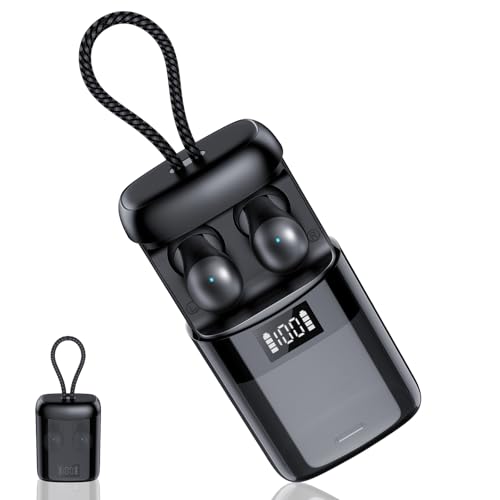
WXQZXO Mini Sleep Earbuds with App
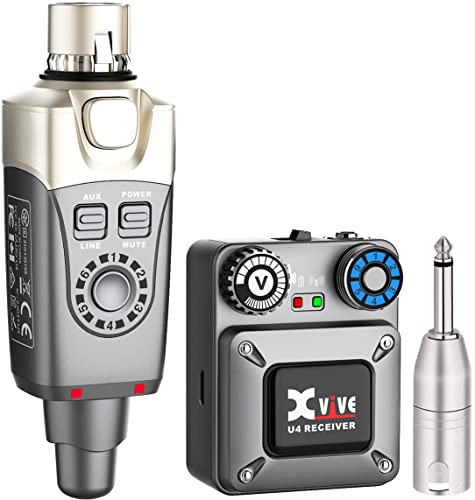
Xvive U4 Wireless in-Ear Monitor System

Xvive U4R2 Wireless in-Ear Monitor System with 2 Receivers

Xvive U4R4 Wireless in-Ear Monitor System (1 Transmitter, 4 Receivers)

KZ ZS10 Pro 5-Driver in-Ear Earphones (Black)

YINYOO KZ-ZST Colorful Hybrid 1BA+1DD IEM (Without Mic)

KZ ZSN PRO X Gaming IEMs with Detachable Cable (Black, No Mic)

CCZ Yinyoo Melody IEMs with 1DD 1BA and Ear Fins (Clear Black)

KZ ZS12 PRO 2 5BA+1DD Hybrid IEMs (Black, No Mic)
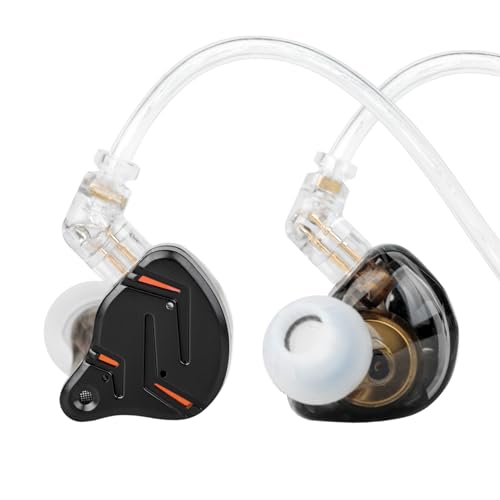
KZ ZST PRO X 1BA 1DD Hybrid IEM (Black Gold, No Mic)
What Each Pick Brings To The Table
These mini sleep earbuds are built for one job: staying out of the way while you rest. The shell is small enough that side sleepers can lie on their pillow without a hard lump pressing into the ear, which is the single biggest complaint people have about normal Bluetooth buds at night.
Pair the earbuds with the companion app and you get a dedicated sleep mode that silences call alerts, voice assistants, and system notifications. Owners also report that the app unlocks additional white-noise options, useful for masking city noise or a snoring partner on restless nights.
Notable Gains
- Tiny profile that stays comfortable for side sleepers
- Long advertised playtime supports multiple nights per charge
- Dedicated sleep mode removes late-night notification interruptions
- App-based white noise adds a layer beyond the earbuds alone
Worth Noting
- Micro-driver size means deep, rumbling bass is not the priority
- App features depend on the phone staying paired nearby
- Small shells can be fiddly to find if they fall between couch cushions
Built With In Mind
Side sleepers and shift workers who want quiet without bulky headphones weighing them down.
Reach For A Different Pick When
Performers should skip this and look at the Xvive U4 Wireless in-Ear Monitor System, which is built for stage audio rather than nighttime silence.
The Xvive U4 wireless in-ear monitor system is a complete transmitter and receiver package aimed at solo artists. It runs on the 2.4 GHz wireless band, which is the same unlicensed spectrum used by many home Wi-Fi routers, so it is generally legal to operate across most regions without a special license.
You get roughly 90 feet of advertised line-of-sight range, which is plenty for small clubs, coffee shop gigs, and house-of-worship setups. The system also advertises latency under 5 ms, meaning the audio in your ears stays close enough to real time that your brain does not notice a delay.
Where It Delivers
- All-in-one transmitter and receiver in a single box
- Sub-5 ms latency keeps vocals locked in with the band
- Over 90 feet of wireless range covers most small venues
Trade Offs
- Single receiver means it works best for solo performers, not full bands
- 2.4 GHz band can get crowded in dense apartment buildings
Feature Snapshot
Right Fit For
Solo singers, DJs, and speakers who want a clean wireless cue mix without running cables across the stage.
Look Elsewhere When
Two or more performers on stage should step up to the Xvive U4R2 Wireless in-Ear Monitor System, which ships a second receiver in the box.
The U4R2 is the natural step up from the single-receiver U4 covered above. It keeps the same 2.4 GHz wireless backbone and sub-5 ms latency, but bundles a second bodypack receiver so two people can monitor off the same transmitter feed.
That makes it a smart fit for a singer and an acoustic guitar player, a vocalist and a drummer, or any duo that wants to share a cue mix from the front of house. You still get the 90-plus-foot working range, which holds up in rehearsal studios and small stages alike.
Strong Points
- Two receivers share one transmitter feed, lowering the cost per performer
- Same low-latency 2.4 GHz performance as the single-receiver U4
- Compact bodypack clips onto a belt or strap without weighing you down
Points To Note
- Both receivers get the same mono or stereo mix, with no independent mix per person
- Bodypack batteries need recharging between long rehearsal days
Who Should Grab It
Duo acts and small acoustic ensembles that want wireless monitors without renting a full rack system.
Where Another Pick Suits Better
Larger bands should look at the Xvive U4R4 Wireless in-Ear Monitor System, which scales the same idea to four receivers.
Take the U4R2 idea and stretch it across a full band and you land on the U4R4. One transmitter at the mixer, four bodypack receivers clipped to singers, guitarists, and a drummer, all sharing the same 2.4 GHz feed with the same low-latency promise.
For a working band playing clubs and regional tours, the appeal is simple: one rack slot, one power cable, one mix to manage, and four people hearing roughly the same cue. The 90-foot range holds up in mid-size rooms, and the bodypack clips stay comfortable for full two-set nights.
What Works In Its Favor
- Scales wireless monitoring to four musicians from a single transmitter
- Low-latency 2.4 GHz audio keeps timing tight across the band
- Same clip-on form factor as the smaller U4 systems for consistency
Soft Spots
- One shared mix means a custom EQ per player still requires outboard gear
- Four batteries to keep charged before any given show
Best Suited To
Full bands that want to ditch floor wedges and move to a shared wireless monitor mix.
Swap It Out When
Solo performers do not need four receivers, and the Xvive U4 Wireless in-Ear Monitor System is a simpler, lighter choice.
Stepping into wired IEM territory, the KZ ZS10 Pro is a five-driver hybrid. Two balanced armatures (BA) cover the high frequencies, two more handle the mids, and a single 10 mm dual-magnetic dynamic driver brings up the bass. A balanced armature is a tiny precision driver that excels at clean, fast sound, while the dynamic driver moves air the way a small speaker would, giving the low end weight.
The shell pairs a 304 stainless steel faceplate with a resin cavity, so the buds feel weighty without being uncomfortable. The advertised 7 to 40,000 Hz response range is far wider than human hearing, but it tells you the drivers are not artificially capped in the upper treble.
Benefits That Matter
- Five drivers split the workload for cleaner mids and highs than a single driver can manage
- Stainless steel faceplate resists scuffs during daily commutes
- Reported noise isolation up to 26 dB helps in noisy cafes and on planes
- Ergonomic cavity shape holds during long studio sessions
A Few Limitations
- Heavier metal faceplate may pressure smaller ears during marathon listening
- Wired only, so you still need a phone or DAC (digital-to-analog converter) with a headphone jack or adapter
Quick Facts
Whose Shelf It Belongs On
Studio musicians, mixing engineers, and detail-driven listeners who want a multi-driver wired IEM without crossing into custom-mold pricing.
A Better Fit Elsewhere
Gamers chasing positional audio may prefer the KZ ZST PRO X 1BA 1DD Hybrid IEM, which is tuned for fast transient response in FPS titles.
The KZ-ZST is one of the long-running entry points into hybrid IEMs. Each side pairs a single balanced armature for the upper frequencies with a dynamic driver for the bass, which is the simplest hybrid layout you can buy and a sensible way to learn what a BA does differently from a dynamic.
The housing uses a memory wire over-ear hook, meaning a thin bendable wire holds the cable shape around your ear. That keeps the cable secure during stage movement and helps the seal stay put, which matters because a broken seal kills bass response instantly.
Good Reasons To Consider
- One BA plus one dynamic is a clean introduction to hybrid IEM sound
- Memory wire over-ear fit locks the seal during movement
- Bright color options stand out on dark stages
Honest Caveats
- No microphone, so it is not the pick for taking calls between sets
- Entry-level build means the cable is the first thing to wear out
Made For
First-time IEM owners who want a low-risk way to explore hybrid sound before stepping up to multi-driver models.
Skip It When
Anyone wanting extra detail layers should jump to the KZ ZS12 PRO 2 5BA+1DD Hybrid IEMs, which spread the workload across six drivers per side.
The ZSN PRO X improves on the older ZSN with a zinc alloy faceplate and a redesigned resin cavity. That mix keeps weight down while giving the buds a more polished look than the entry-level KZ-ZST covered above.
The real talking point is the detachable cable. When the cable eventually wears out at the strain relief, you swap in a fresh one instead of binning the whole IEM, which is a meaningful durability win for daily commuters and gigging musicians.
What It Does Well
- Detachable 2-pin cable makes field repairs cheap and easy
- Zinc alloy faceplate shrugs off pocket scuffs
- Hybrid 1BA + 1DD setup gives a noticeable step up from a pure dynamic driver
Practical Considerations
- No microphone on the included cable, so you need a separate headset for voice chat
- 2-pin connectors can loosen over months of daily plugging and unplugging
Feature Rundown
Perfect Match For
Mobile gamers and commuters who want a wired IEM that can take daily abuse and be repaired, not replaced.
Not Your Match When
Vocalists needing stage-grade isolation may prefer the CCZ Yinyoo Melody IEMs, which add ear fins for a more secure fit during movement.
The Melody sits in the same hybrid IEM family as the KZ-ZST, but it adds small silicone ear fins that tuck into the outer ear ridge. Those fins are a quiet but important upgrade for anyone who moves on stage, because they stop the buds from sliding forward as you sing or dance.
The clear black PC cavity is finished with a UV varnish for a smoother, more scratch-resistant surface. The included cable uses 4N OFC, which is oxygen-free copper with 99.99% purity, a small spec detail that often shows up in higher-end IEM cables.
Where It Helps
- Ear fins lock the fit during active stage movement
- TPE ear tips feel soft against the ear canal during long sets
- 4N OFC cable supports cleaner signal transfer than standard copper
Some Limits To Know
- Single BA may roll off upper-treble detail compared with multi-BA designs
- Ear fins take a few wears to seat comfortably in smaller ears
Who It Suits Best
Singers, drummers, and stage performers who need a stable seal while they move and project.
Consider Something Else When
Studio mixers chasing extra detail layers will get more from the KZ ZS10 Pro 5-Driver in-Ear Earphones, which spread work across more drivers per side.
The ZS12 PRO 2 takes the multi-driver formula further than the ZS10 Pro covered above. Each side houses five balanced armatures and one dynamic driver, with the BAs split into four ultra-high-frequency units and one mid-high-frequency unit, plus the dynamic driver for the bass foundation.
That kind of split exists because most IEMs cannot reproduce the full frequency range with a single driver. Multiple BAs let the manufacturer tune the highs and mids separately, which is what gives multi-BA IEMs their sense of separation and air. For an audiophile, that translates into more clearly defined vocal layers and cymbal decay.
The Helpful Details
- Five BAs split high and mid duties for cleaner separation
- Dedicated dynamic driver keeps bass weight present alongside BA speed
- Targeted at listeners who already understand the IEM category
Less Ideal Details
- Six drivers per side add shell size, which may not fit smaller ear canals
- Wired only, so you need a source with enough power to drive multi-BA designs
Key Specs
The Right Fit
Audiophiles and musicians who want a wired IEM that reveals the inner layers of a mix.
Another Choice May Suit
Anyone new to IEMs may find the simpler YINYOO KZ-ZST a more comfortable starting point before chasing six-driver detail.
The ZST PRO X updates the original ZST formula with a tuning that leans toward gaming and fast-paced media. The hybrid 1BA + 1DD layout stays simple, but the manufacturer positions the imaging and transient response (the speed at which the driver reacts to sudden sounds like a gunshot) for FPS play, where locating footsteps and reloads matters more than lush midrange.
The 3.5 mm plug keeps the IEM compatible with most controllers, laptops, audio interfaces, and phones with a headphone jack, which is its quiet strength. You do not need a special cable or DAC to get the most out of it.
What Pays Off
- Tuned for fast transient response in competitive shooters
- Universal 3.5 mm plug works with most game controllers and laptops
- Lightweight shell stays comfortable across long gaming sessions
Trade-Offs To Consider
- No microphone, so you still need a separate boom mic or headset for voice chat
- Single BA means cymbal and high-hat detail is more limited than multi-BA IEMs
Who Will Love This
Competitive and casual gamers who want positional audio in a wired IEM they can plug into a controller without adapters.
Where A Sibling Pick Shines
Musicians who want studio-grade detail should look at the KZ ZS10 Pro 5-Driver in-Ear Earphones, which spreads work across more drivers per side.
Choosing Ear Monitors That Match Your Real Use
Wired IEMs Versus Wireless Systems
The first fork in the road is wired versus wireless. Wired IEMs like the KZ lineup feed straight from your phone, laptop, or audio interface, so you skip batteries, latency, and pairing hassles. Wireless systems like the Xvive U4 family trade that simplicity for stage freedom, letting a singer roam 90 feet from the transmitter without yanking a cable.
Pick wired for studio recording, gaming, and at-home listening where detail matters more than movement. Pick wireless when you perform live and need to hear yourself over wedges that fight for space on a small stage.
Driver Count And Sound Signature
Driver count tells you how much work each tiny speaker inside the IEM is doing. A single dynamic driver covers the full range on its own but tends to blur the very highest and lowest frequencies. Adding balanced armatures (small, precision drivers that excel at fast, clean sound) lets a manufacturer dedicate a driver to the highs, mids, or bass separately.
Two-driver hybrids like the KZ-ZST and ZST PRO X are great for learning the format. Five- and six-driver designs like the KZ ZS10 Pro and ZS12 PRO 2 chase finer detail but grow in physical size, which matters if you have smaller ear canals.
Fit, Seal, And Stage Movement
A loose seal kills bass response before any driver tweak can save it. Memory wire over-ear hooks (a thin bendable wire that holds the cable shape around your ear) and silicone ear fins both exist to keep the seal locked as you move. For side sleeping, the WXQZXO sleep earbuds solve a different version of the same problem, reducing the shell size so the pillow does not press on the buds.
If you gig regularly, prioritize secure-fit features like ear fins. If you only listen at a desk, standard straight-down cables and stock tips are usually enough.
Key Considerations Across These Picks
Where Shoppers Go Wrong
The most common mistake is treating driver count as a quality score. A six-driver IEM is not automatically better than a two-driver one if the fit is wrong for your ears, the source cannot drive it properly, or the tuning pushes frequencies you do not enjoy. Tip rolling (swapping the silicone tips that came in the box for different sizes or materials) and a five-minute fit check often improve sound more than upgrading drivers does.
The second trap is ignoring the cable. On a daily commute, a fixed cable means a single tug near a door handle can end the IEM. Detachable-cable designs like the KZ ZSN PRO X let you replace the cheap part instead of the whole earphone.
Where The Extra Money Goes
Stepping from a two-driver hybrid to a five- or six-driver IEM mainly pays for cleaner separation between instruments and voices, plus sturdier housings like zinc alloy or stainless steel. You also tend to get more thoughtful cable materials, like the 4N OFC copper on the CCZ Yinyoo Melody, which preserves signal integrity over longer cable runs.
The upgrade is worth it once you already know what a two-driver hybrid sounds like and can hear where it falls short. Beginners usually get more value from a solid two-driver IEM plus better tip fit than from a six-driver IEM with stock tips that do not seal.



