


A solid console headset changes a session. Footsteps, reload cues, the line read between two characters in a story game: small audio details that once blurred together come into focus the moment a capable pair lands on your head. The trouble is sorting the genuinely useful models from the rest. This roundup narrows six options across budget, mid-range, and premium tiers, so you can match a pick to the way you actually play.
The Main Contenders
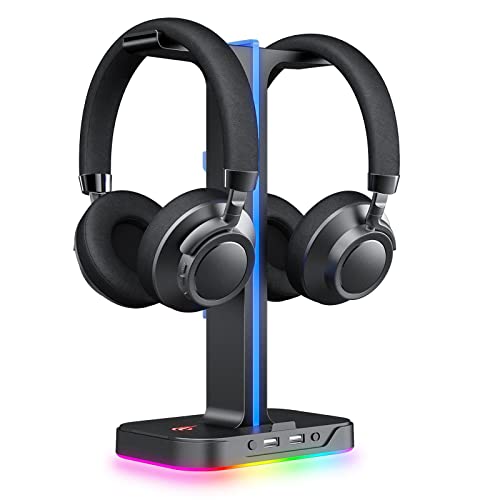
havit RGB Gaming Headphone Stand Dual Hanger Base with USB Ports

Razer BlackShark V3 X HyperSpeed Wireless Xbox Gaming Headset (Black)

Krysenix Wireless Gaming Headset with Mic for PS5 and PC (White)
Krysenix Wireless Gaming Headset with Microphone for PC, PS5, PS4, Switch, Mac

Krysenix Wireless Gaming Headset with Noise Canceling Microphone (Blue)
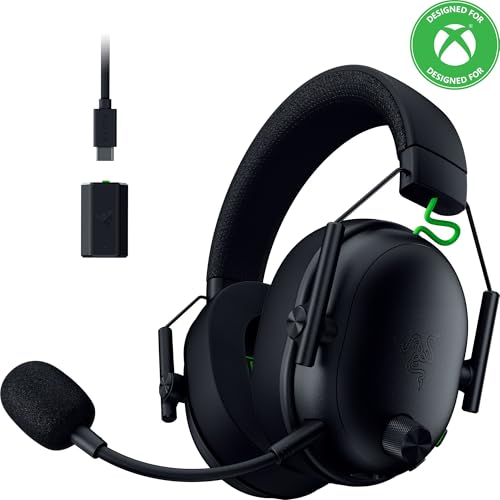
Razer BlackShark V3 Wireless Xbox Gaming Headset (Black)
Taking A Closer Look At The Options
The havit stand earns its place on this list for a different reason than the other picks. It is not a headset. It is the desk accessory that supports whichever headset you land on, and the inclusion here reflects how much desk clutter a console gaming setup tends to generate.
The base holds two pairs of cans at once, includes a phone rest for quick glances at messages, and adds two USB ports to free up tower or controller-side connections. RGB lighting ties the look into a typical battlestation aesthetic.
Notable Gains
- Frees up real estate by getting cans off the desk surface
- Dual hooks handle a primary and backup pair, useful if you swap between wired and wireless
- Built-in USB ports reduce the need for an external hub
- Phone cradle keeps your device visible for second-screen or chat use
Things To Consider
- You still need a separate headset for actual audio, this is purely organizational
- RGB lighting adds visual interest but draws power constantly
Who It Suits Best
Anyone whose desk looks like a cable jungle and wants a single hub for headset storage and USB access.
Look Elsewhere When
You came here for actual audio, in which case the Razer BlackShark V3 X covers the wireless headset need with much more substance.
The Razer BlackShark V3 X is built for Xbox Series X and S players who want wireless freedom without stepping into the priciest tier. HyperSpeed wireless handles the connection, and the lightweight earcup design keeps long sessions manageable.
The detachable HyperClear cardioid mic is a small but useful touch for anyone who switches between solo campaigns and squad chat. Pull it off when you are watching a movie, click it back on for ranked play.
What It Does Well
- Triforce 50mm Gen-2 drivers aim for cleaner separation between footsteps and ambient audio
- Detachable mic keeps the silhouette tidy when you are not talking
- Wireless design eliminates the couch-to-console cable drag
Worth Noting
- Lightweight build feels great for an hour but may flex more than premium alternatives
- Charging habits matter, since a dead battery mid-session means wired fallback only
Made For
Xbox owners who want a step up from entry wireless sets without paying for flagship refinements.
Consider Something Else When
You want the lowest possible wireless latency and titanium-coated driver response, in which case the Razer BlackShark V3 makes a stronger case.
For PS5 and PC players who want a wireless setup without draining a gift card, the Krysenix in white offers a sensible middle ground. The 2.4GHz wireless connection targets around 20ms or lower latency, which keeps audio close enough to the action for most genres.
Its 50mm titanium-coated drivers handle the high and low range. Translation: the rumble of an explosion lands, but the clink of a reload still cuts through. The white finish fits cleanly alongside a stock PS5.
Everyday Perks
- Wireless freedom on a tighter budget than flagship options
- Titanium-coated 50mm drivers add a touch of clarity to directional audio
- Color choice complements a white PS5 setup
Trade Offs
- Build materials skew lighter, so handle with care during transport
- Battery life expectations are modest, plan a weekly charging habit
Best Suited To
PS5 and PC players stepping into wireless for the first time and wanting straightforward plug-and-play use.
Not Your Match When
You need broader platform support across Switch and older consoles, where the Krysenix multi-platform model is the more flexible sibling.
Households with mixed gear get the short end of the stick when a headset only speaks one console’s language. This Krysenix model covers PC, PS5, PS4, Switch, and Mac, which makes it a quiet workhorse for shared setups.
Two connection modes, typically 2.4GHz wireless and Bluetooth, add flexibility. The 50mm titanium-coated drivers keep the audio profile consistent with its white sibling, so the trade-off is mostly about ports rather than sound.
Everyday Advantages
- Broad compatibility reduces the “wrong console” problem in shared spaces
- Dual connection modes let you pair a phone for chat while gaming
- Titanium-coated drivers carry the same audio tuning as other Krysenix models
Points To Note
- Switch compatibility may require an adapter depending on dock version
- Multi-platform support sometimes means slightly more setup time per device
- Headband padding tends to flatten with daily extended use
Who Should Grab It
Anyone whose household spans two or more of the listed platforms and wants one headset to handle all of them.
Swap It Out When
You play exclusively on Xbox Series X and want the tighter wireless tuning of the Razer BlackShark V3 X instead.
Chat quality matters more than people admit. The blue Krysenix leans into that reality with a noise canceling microphone, which trims background hum so your squad hears your callouts instead of your kettle. In a busy living room or shared apartment, that single feature can change how readable you sound.
Beyond the mic, the 50mm titanium-coated drivers deliver the same audio profile as the other Krysenix entries. The blue color gives the lineup a calmer, less aggressive look than the white version.
Practical Pluses
- Noise canceling mic improves callout clarity in noisy environments
- 50mm titanium-coated drivers keep audio consistent with the rest of the Krysenix line
- Blue colorway blends into a more neutral desk setup
Honest Caveats
- Noise canceling focuses on outgoing voice, not incoming game audio
- Mic arm placement requires adjustment to find the sweet spot
The Right Fit
Squad players who frequently run with voice chat in environments with background noise.
A Better Fit Elsewhere
If your priority is competitive audio precision over chat clarity, the Razer BlackShark V3 serves that brief more directly.
The standard BlackShark V3 sits at the top of this roundup for a reason. HyperSpeed Wireless Gen-2 targets around 10ms latency, which is the kind of number competitive Xbox players care about when a single frame decides a firefight. Triforce titanium 50mm drivers Gen-2 add a responsive diaphragm layer for cleaner positional cues.
Compared to the V3 X earlier in this list, the standard V3 leans harder into the premium end: tighter wireless response, upgraded driver materials, and a build that feels sturdier in hand. It is the pick when the headset has to disappear into the background and let the game speak.
Everyday Wins
- HyperSpeed Wireless Gen-2 targets around 10ms latency for split-second reaction play
- Titanium-coated 50mm drivers handle positional audio with strong separation
- Sturdier frame compared to the V3 X holds up better to daily travel
Factors To Consider
- Premium build means a higher entry point than mid-range alternatives
- Xbox Series X and S is the primary target, with PC as secondary
Quick Technical Notes
Whose Shelf It Belongs On
Competitive Xbox players who want the lowest wireless latency and cleanest positional audio the lineup offers.
Where Another Pick Suits Better
Multi-console households get more mileage from the Krysenix multi-platform model, since this one is tuned for Xbox first.
What Matters Most Before Choosing Console Headsets
Connection Type Sets the Foundation
Wired, wireless 2.4GHz, and Bluetooth each behave differently. Wired headsets sidestep charging and latency concerns but tether you to the console. A 2.4GHz wireless connection, the kind Razer’s HyperSpeed and Krysenix’s dongle use, keeps latency close to wired performance. Bluetooth is convenient for phone pairing but typically introduces enough delay to feel off in fast-paced games. Latency, simply put, is the delay between an event on screen and the sound reaching your ears. Match the connection to the way you play.
Comfort Decides the Long Game
A headset that feels fine for thirty minutes can feel miserable at the two-hour mark. Weight distribution across the headband, the material on the ear cushions, and the clamping force all matter. For console players on the couch, breathable fabric and a looser clamp often beat stiff padding that traps heat.
Microphone Quality Affects the Whole Team
For anyone running squad chat or party sessions, the outgoing mic is half the product. A cardioid pickup pattern captures voice in front of the mic while trimming side noise, which is why most gaming headsets lean that way. Noise canceling takes that a step further by actively reducing background hum. Worth it, if your room is loud.
Compatibility Prevents Buyer’s Remorse
Not every wireless headset speaks every console natively. Xbox-licensed models like the Razer BlackShark line pair directly with Xbox Series X and S. PS5 and PC often share a dongle path. Switch support typically requires a USB adapter. Verify the platform list before committing, especially in a multi-console household.
Common Shopping Slip Ups
Pitfalls Shoppers Hit
Chasing driver size alone is the first trap. Bigger drivers do move more air, but a well-tuned 40mm driver can outclass a sloppy 50mm unit. The second slip is ignoring the headband. A headset that clamps too hard will push you back to your old setup within a week. Third, skipping battery checks. Wireless freedom collapses fast when the battery dies mid-match, and replacements are not always cheap or easy.
The Case For Spending Up
When Paying More Pays Off
The jump from budget wireless to premium wireless usually shows up in three places: driver materials, build quality, and wireless latency. Titanium-coated diaphragms, the kind on Razer Gen-2 drivers and Krysenix’s higher-tier units, hold their shape at high volume, which keeps distortion lower. Premium plastics and metal reinforcements survive daily travel better. And lower-latency wireless can mean the difference between hearing a flank in time and reacting a half-second late. For competitive play, the upgrade earns its place. For solo narrative sessions, the budget tier often does the job.
Frequently Asked Questions
Do wireless console headsets work on every console?
No, compatibility varies. Xbox-licensed models pair directly with Xbox Series X and S, while many PS5 and PC headsets share a 2.4GHz dongle. Always check the platform list before buying.
Is latency noticeable in single-player games?
Usually not. Latency becomes a real factor in competitive multiplayer, where a few milliseconds can change reaction timing. Single-player and narrative games rarely expose the difference.
How long do wireless headset batteries last?
Most wireless gaming headsets offer between 20 and 30 hours per charge, though loud volume and RGB lighting shorten that window. Plan a weekly charging habit.
Can a headset work with both a console and a phone?
Some models support dual connections, typically 2.4GHz wireless for the console plus Bluetooth for the phone. Single-mode headsets usually require manual re-pairing.
What is a cardioid microphone?
A cardioid microphone picks up sound mainly from the front and rejects noise from the sides and rear. That pattern helps your voice come through clearly while trimming keyboard clatter and room noise.
Bottom Line
The right console headset depends less on specs and more on where you play, how long you play, and who you play with. The havit stand sorts the desk, the Krysenix trio covers budget to multi-platform, and the Razer BlackShark line handles the premium wireless end. Pick the one that matches your setup, charge it before game night, and let the audio do the work.



