


Settling on the right FPS gaming mouse can feel like choosing a tennis racket without a demo: every brand swears its sensor and switch are the answer, and the spec sheet reads more like a riddle than a buying guide. The picks below break down what each option actually does at your desk, from featherlight wireless shells to a hard surface that doubles as a light show. Focus on what fits your grip, your sensitivity, and the games you play most.
Your Options, Compared
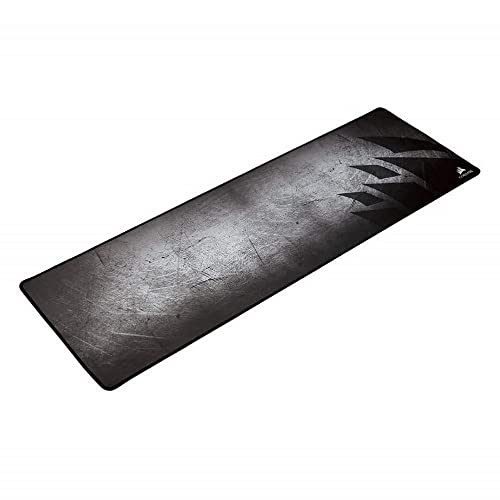
Corsair MM300 Anti-Fray Cloth Gaming Mouse Pad

Legion Gaming XL Cloth Mouse Pad (Black)

Razer Firefly Hard V2 RGB Gaming Mousepad

Pulsar X2H Crazylight Wireless Gaming Mouse (Mini, Jet Black)

SOLAKAKA SM900 Wired Gaming Mouse (White)

SOLAKAKA SM900 Honeycomb Shell Gaming Mouse (Black)
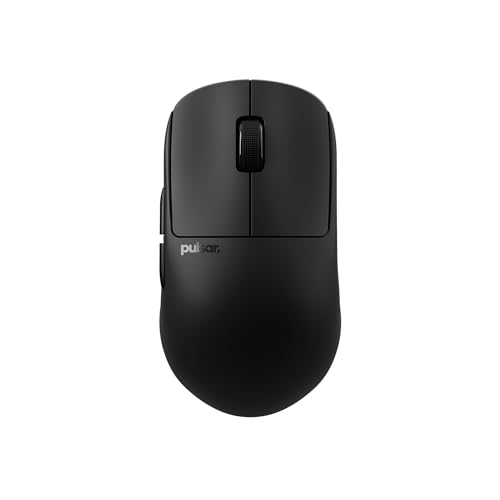
Pulsar X2H Crazylight Wireless Gaming Mouse (Medium, Jet Black)

Pulsar X2H Crazylight Gaming Mouse (Medium, Uyuni White)

Pulsar X2H Crazylight Wireless Gaming Mouse (Medium, BadSeed)

Pulsar X2H Crazylight Wireless Gaming Mouse (Mini, BadSeed)
More On The Choices That Made The List
The MM300 leans into the side of gaming mouse pads that prioritize stopping power over glide, and it does so with the kind of build that shrugs off daily abuse. The cloth weave is tuned for high-DPI sensors, so flicking across the surface in a tactical shooter feels planted rather than slippery. Reinforced stitched edges are the headline feature: the kind of detail that decides whether your pad looks new after a year or frays at the corners like an old towel.
Extended sizing means the whole keyboard and mouse can sit on one surface, which helps anyone who lifts their mouse to reposition or sweeps wide during low-sensitivity tracking. It also makes cable drag from a mechanical keyboard less of a problem, since nothing has to drape over a desk edge. For anyone stepping up from a thin bundled pad, the difference in stability is noticeable on the first match.
What Pays Off
- Reinforced stitched edges resist peeling where cheaper pads usually fail first.
- Tuned cloth weave gives controlled stopping power, useful for flick shots and micro-adjustments.
- Extended footprint keeps both keyboard and mouse on a single even surface.
- Works cleanly with high-DPI optical and laser sensors without skipping.
- Durable enough to roll up for transport without warping the tracking area.
Trade Offs
- Cloth surface absorbs moisture, so spilled drinks mean blotting rather than wiping clean.
- The control-focused weave feels slower than a hard pad for users who prefer a slick glide.
Right Fit For
Tactical FPS players using low to mid DPI who want a stable aiming surface and don’t mind a touch of friction.
Swap It Out When
Glow-up desk builds and streamers who want lighting should consider the Razer Firefly Hard V2 RGB Gaming Mousepad instead.
Lenovo’s Legion XL is the desk-hog of the list, and that is precisely the point. The 35.4-inch width swallows a full-sized keyboard, a stream deck, and still leaves room for a long sweeping mouse arc. Sitting at just 2 mm thick, the pad stays out of the way, while the rubberized base keeps the whole thing locked in place even when the action gets sweaty.
The water-repellent top coat handles the occasional splash better than a bare cloth pad, which is a real-world bonus for anyone eating at the desk between rounds. The braided locked edge is built to take the same kind of daily handling that chews through standard stitched borders. Compared with the Corsair MM300, this is the pick for someone who values desk coverage and easy cleanup over compact portability.
The Value In It
- Massive 35.4-inch surface gives wide tracking room for low-sensitivity arm aimers.
- Water-repellent top layer shrugs off small spills and resists staining.
- Rubberized base keeps the pad planted during aggressive crosshair swings.
- Braided edge resists fraying where most cloth pads start to peel.
Small Caveats
- XL footprint dominates smaller desks and leaves no room for a separate wrist rest area.
- Thin 2 mm profile offers less wrist cushioning than thicker padded pads.
Who Will Love This
Low-sensitivity FPS players who swipe wide and want their entire desktop anchored on one stable surface.
Look Elsewhere When
Anyone with a compact desk or who already has a dedicated mouse-pad-only space will get more use out of the Corsair MM300.
The Firefly V2 is less about covering your desk and more about what your camera sees. Chroma RGB lighting wraps the pad’s edges, syncing with Razer peripherals and a long list of third-party gear for setups that double as a content backdrop. The 15.2 by 12 inch footprint is mouse-only, so it pairs naturally with a mechanical keyboard sitting off-pad.
The micro-textured hard surface is calibrated to play nicely with whatever sensor you bolt to it, balancing fast flicks and controlled micro-corrections without feeling either too slick or too grabby. Where the Corsair MM300 gives you soft stopping power, the Firefly V2 trades that for glide and personality. Anyone streaming late at night or filming desk shots gets an obvious upgrade in visual polish.
Where It Helps
- Chroma RGB syncs with 30+ partner ecosystems for unified battlestation lighting.
- Micro-textured hard surface tracks accurately for both fast and controlled playstyles.
- Hard shell wipes clean with a dry cloth, so dust and skin oils come off easily.
- Compact 15.2 x 12 inch footprint fits smaller desks without dominating them.
Honest Caveats
- Hard surface feels faster and less forgiving than cloth for low-DPI tracking.
- RGB lighting requires USB connection and a software install to unlock full effects.
- Mouse-only sizing means keyboards and stream decks sit off-pad.
Feature Snapshot
Best Suited To
Streamers and RGB-focused builders who want a tracking surface that reads well on camera and reacts to gameplay.
Reach For A Different Pick When
Players who prefer the planted feel of cloth should reach for the Corsair MM300 Anti-Fray Cloth Gaming Mouse Pad.
The Mini X2H Crazylight is built for one specific feel: barely there. At 37 grams, it sits in the hand like a prop tool rather than a piece of hardware, which makes the kind of rapid repositioning that defines a clutch spray transfer feel almost effortless. The XS-1 sensor supports up to 32,000 DPI (dots per inch, the unit that measures how sensitive a mouse is to movement), 750 IPS (inches per second) tracking, and 50g acceleration, so the read on your hand is rarely the bottleneck.
The 8K polling rate (the number of times per second the mouse reports its position to the PC) keeps wireless latency from getting in the way, which historically has been the main argument against going cordless. The Mini shell is genuinely small, so smaller hands and fingertip grippers will appreciate the compact footprint most. Versus the SOLAKAKA SM900 wired picks later in the list, the trade is obvious: you lose the cable-free convenience argument to a budget mouse, and you gain a real sensor, real weight savings, and a wireless build that disappears in the hand.
Practical Advantages
- 37g total weight reduces wrist fatigue over long ranked sessions.
- 8K wireless polling keeps input lag in line with wired competition mice.
- XS-1 sensor reads up to 32,000 DPI for high-sensitivity playstyles.
- Mini shell suits smaller hands and fingertip grip styles.
- Wireless design removes cable drag for unrestricted flicking.
Points To Keep In Mind
- Mini shell can feel cramped for users with larger hands or palm grip preferences.
- Wireless design requires regular charging, depending on polling rate settings.
- Lightweight build trades some heft for a less planted feel during slow tracking.
Made For
Competitive FPS players with smaller hands who run fingertip or claw grip and want wireless without the bulk.
Where A Sibling Pick Shines
Medium-handed users will get a better fit from the Pulsar X2H Crazylight Wireless Gaming Mouse (Medium, Jet Black).
The white SM900 sits in the part of the market where the goal is to give a new FPS player real controls without asking for serious money. Six DPI presets topping out at 12,800 cover the kinds of sensitivity jumps most players cycle through in a year, and a 1,000 Hz polling rate is enough for the cable to keep up with the hand. Side buttons add the extra inputs that bind to push-to-talk, push-to-mute, or a quick grenade throw.
Macro software lets you rebind buttons and tune the RGB, which means the mouse can grow as your setup does. The white finish stands out on darker desks and shows off the lighting nicely. Compared with the honeycomb black SM900 reviewed next, this is the simpler shell: solid plastic, no cutouts, and a slightly heavier feel. For first-time competitive players, the honest read is that this gets the job done while you figure out your grip.
The Practical Payoff
- Six adjustable DPI stages up to 12,800 cover most FPS sensitivity preferences.
- Side buttons handle push-to-talk, grenades, and other extra inputs.
- Macro software lets you rebind buttons and personalize lighting effects.
- Wired USB connection means no batteries or charging downtime.
Trade Offs
- Solid shell is heavier than honeycomb designs, so long sessions can tire the wrist.
- Sensor and switches sit a tier below the premium Pulsar options in this list.
Feature Snapshot
Right Fit For
New FPS players and casual competitors who want customizable buttons and DPI without paying flagship money.
Consider Something Else When
Players who already know they want a lighter shell should jump to the SOLAKAKA SM900 Honeycomb Shell Gaming Mouse (Black).
The black SM900 keeps the same 12,800 DPI sensor and macro software as the white version, but the shell is the real story. The three-sided honeycomb cutout pattern sheds weight and lets air through, so the palm doesn’t feel like it’s gripping a hot soda can after a long match. ABS plastic (a common lightweight rigid polymer) keeps the structure rigid despite the open pattern, which matters when you’re mashing buttons in a tense round.
You get the same four-mode switch: one office profile plus three gaming modes you can tune through the macro app. The breathing holes also help when grip gets sweaty, which is a small detail that compounds during summer gaming sessions. It pairs naturally with the white SM900 if you want a matching set across two PCs, but on its own it’s the more breathable take on the same idea.
Notable Gains
- Honeycomb shell reduces weight and improves airflow during long sessions.
- ABS frame keeps the structure rigid despite the open cutout pattern.
- Macro and lighting customization through the bundled software.
- USB plug-and-play setup works with Windows 7 and later without driver hunting.
- Six DPI stages cover office browsing through fast competitive flicking.
Points To Note
- Open shell collects dust inside the cutouts, so periodic cleaning is needed.
- Wired design still trails wireless convenience versus the Pulsar X2H options.
- Gaming mode customization requires running the macro software first.
Perfect Match For
Players who run hot hands or marathon sessions and want a breathable, budget-priced shell that doesn’t punish them at hour three.
Skip It When
Cable-free loyalists are better served by the Pulsar X2H Crazylight Wireless Gaming Mouse (Mini, Jet Black).
The Medium X2H Crazylight is the version most people will actually buy. It carries the same XS-1 sensor and 8K polling wireless tech as the Mini, wrapped in a 43g shell that fits the average hand without forcing fingertip gymnastics. The minimalist design keeps the silhouette clean, so the mouse disappears into the desk rather than sitting there like a piece of plastic sculpture.
For competitive ranked play, the value shows up in places you stop noticing: consistent tracking on lifted swipes, dependable click registration, and a weight that doesn’t drag at the wrist during overtime. Set it on the Razer Firefly V2 RGB Gaming Mousepad for a slick hard glide, or pair it with the Corsair MM300 for a planted, controlled feel. Where the Mini version is a specialty fit, this Medium is the safe all-rounder.
Well-Handled Touches
- Sub-50g wireless shell removes drag without feeling fragile in the hand.
- Medium footprint fits a wide range of grip styles and hand sizes.
- 8K polling keeps wireless latency competitive with wired alternatives.
- Durable optical switches rated for long-term click consistency.
- Minimalist design works in clean or RGB-heavy setups without clashing.
Worth Noting
- Premium sensor and wireless tech come at a higher cost than the SOLAKAKA picks.
- Battery life depends on polling rate, so 8K mode means more frequent charging.
- Lightweight build sacrifices some heft for a less anchored feel.
Feature Snapshot
Whose Shelf It Belongs On
Mid-hand competitive players who want wireless freedom without giving up sensor quality or polling speed.
A Better Fit Elsewhere
Smaller-handed fingertip grippers will fit more naturally on the Pulsar X2H Crazylight Wireless Gaming Mouse (Mini, BadSeed).
The Uyuni White version takes everything the Medium Jet Black offers and dresses it up in a clean, almost clinical finish that pops on a light-themed desk. The same minimalist silhouette, the same 43g target weight, the same sensor and switch hardware. The white coating will show fingerprints and desk grime faster than the darker variants, depending on how often you wipe it down, but that’s a small price for a setup that actually looks intentional.
For a streamer or content creator, the white finish is one of those choices that makes the camera frame cleaner without adding more RGB. Compared with the BadSeed variants reviewed next, the Uyuni leans minimalist. Compared with the Jet Black, it leans loud in a different way. The honest read is that this is a colorway pick more than a feature pick, so the spec sheet will look familiar.
Notable Upsides
- Uyuni White finish brightens light-themed desks and looks clean on camera.
- Same sub-50g wireless build as the rest of the X2H Crazylight family.
- Minimalist shell suits palm, claw, and relaxed fingertip grips.
Points To Keep In Mind
- White finish shows fingerprints and desk grime faster than darker shells.
- Colorway is the main differentiator, so spec parity with siblings is expected.
- Premium wireless tech keeps the cost well above wired budget options.
Best Suited To
Aesthetic-focused desk builders and streamers running a light color scheme who still want flagship wireless performance.
Where Another Pick Suits Better
Practical shoppers who don’t care about finish will find similar performance in the Pulsar X2H Crazylight Wireless Gaming Mouse (Medium, Jet Black) for the same core experience.
The BadSeed colorway adds a little visual texture to the X2H Crazylight family without changing the formula underneath. You still get the 43g target, the 8K wireless polling, and the optical switches that don’t double-click into oblivion after a year. The pattern helps the shell hide smudges better than the Uyuni White, which makes day-to-day ownership a little less fussy.
For anyone who likes the option to switch grips, swap to a controller for a casual game, and come back to the same wireless setup, the BadSeed version is essentially the same mouse dressed differently. If you already own the Jet Black Medium, there’s no performance reason to upgrade. If you’re choosing between siblings for the first time, the decision is mostly about the look you want sitting on your desk every day.
What Earns Its Place
- BadSeed finish hides fingerprints better than the white sibling.
- Same sub-50g wireless build and 8K polling as the rest of the X2H family.
- Optical switches resist the double-click wear common in older mechanical designs.
- Medium footprint fits the widest range of grip styles.
Some Limits To Know
- Pattern can collect minor dust in the texture depending on desk environment.
- Premium wireless pricing carries over from the rest of the X2H range.
- Spec parity with the Jet Black Medium means the choice is largely aesthetic.
Feature Snapshot
Built With In Mind
Collectors and shoppers who want flagship wireless performance with a finish that stands out from the standard black or white.
Not Your Match When
Strictly minimalist desk builders may prefer the cleaner Uyuni White or Jet Black Medium versions of the same mouse.
The Mini BadSeed closes the list with the most portable expression of the X2H Crazylight formula. It drops the weight down to 37g, keeps the 8K wireless polling, and tucks into a backpack sleeve or laptop bag pocket without taking up much space. The BadSeed pattern does the same job it does on the Medium: hides daily wear so the shell keeps looking presentable through LAN trips and travel sessions.
For small-handed players, this is arguably the pick of the four X2H siblings, since it combines the lightest shell with the most compact form factor and a finish that doesn’t scream for attention. For larger hands, the Medium versions earlier in the list will fit better. Either way, the underlying hardware story is identical, so the choice is really grip, hand size, and aesthetic.
What Works In Its Favor
- 37g Mini shell is the lightest wireless option in the X2H family.
- Compact footprint travels easily in a laptop bag for LAN events.
- 8K wireless polling keeps the cordless experience competitive with wired mice.
- BadSeed pattern hides fingerprints during heavy daily use.
Honest Caveats
- Mini size will feel cramped for anyone with a medium to large hand.
- Premium wireless pricing applies across the entire X2H range.
- Lightweight shell can feel less anchored during slow tracking movements.
Who Should Grab It
Small-handed competitive players and frequent travelers who want the lightest, most portable wireless mouse in the lineup.
Not Your Match When
Medium or large-handed users will find a more natural fit in the Pulsar X2H Crazylight Wireless Gaming Mouse (Medium, Jet Black).
What Matters Most Before Choosing Fps Gaming Mouses
Sensor quality should lead your decision. A sensor with high DPI, fast IPS tracking, and consistent lift-off behavior removes the variables between your hand and the screen. For most FPS players, anything supporting 400+ IPS and at least 16,000 DPI is plenty; the real test is whether the sensor tracks reliably when you lift and reposition the mouse mid-fight.
Weight comes next. The current trend toward sub-50g shells isn’t a marketing trick; lighter mice reduce wrist fatigue and make micro-adjustments easier during long sessions. Handheld controllers-style grips favor the lightest options like the 37g Mini Pulsar, while palm grippers often prefer something with a touch more heft for stability.
Polling rate determines how often the mouse reports its position to the PC. Standard 1,000 Hz is fine for most players, but the 8,000 Hz wireless options on the Pulsar X2H line close the gap that historically made wired mice feel snappier. For competitive ranked play, the difference can be measurable.
Surface choice ties it all together. A control-focused cloth pad like the Corsair MM300 or Legion XL rewards deliberate aim, while a hard pad like the Razer Firefly V2 rewards smooth gliding. Your mouse’s glide skates, weight, and pad friction should be tuned as a pair, since the wrong combination either over-grips or floats.
Grip style and hand size finish the puzzle. Mini shells fit smaller hands and fingertip grips, Medium shells fit most users, and shell materials (solid plastic versus honeycomb) change how the mouse breathes during long sessions.
Key Considerations Across These Picks
Common Shopping Slip Ups
First-time buyers often chase the highest DPI number on the box, assuming more is always better. In practice, sensitivity is a personal preference, and the sensor’s tracking consistency matters more than its ceiling. Most competitive FPS players run between 400 and 1600 DPI, well below what most modern sensors offer.
Another trap is buying a wireless mouse without checking polling rate or battery life. Older wireless designs introduced lag and dropouts that wired mice didn’t have, and not every modern wireless mouse has solved those problems. Look for at least 1,000 Hz polling and reviews that mention stable connectivity during long sessions.
Finally, picking a pad that fights the mouse is a common error. A heavy mouse on a slick hard pad feels skittish, while a featherlight wireless mouse on a thick padded cloth pad can feel stuck. The mouse and pad should complement each other, not cancel each other out.
What The Higher Tier Buys
Premium mice earn their cost through sensor accuracy, switch longevity, and weight engineering. The XS-1 sensor in the Pulsar X2H line tracks movement with precision that budget sensors approximate but rarely match, and optical switches avoid the double-click wear that plagues older mechanical designs.
Weight reduction is the other premium. Hitting 37 to 43 grams without sacrificing structural rigidity requires material choices and design work that budget mice skip. For competitive players, the difference shows up in how the hand feels at hour three of a session, when the lightweight shell is still moving freely while a heavier mouse has started to drag.
Wireless polling rates above 1,000 Hz also live mostly in the premium tier. The 8K option on the X2H family reports position eight times more often than a standard wireless mouse, closing the responsiveness gap that previously made wired the only choice for serious competitive play.
Frequently Asked Questions
What DPI (dots per inch) should FPS players actually use?
Most competitive FPS players run between 400 and 1600 DPI, then pair it with an in-game sensitivity that feels controllable. Higher DPI numbers look impressive on spec sheets but rarely translate to better aim, since what matters is the total sensitivity your hand actually feels.
Is a wireless gaming mouse good enough for competitive play now?
Modern wireless mice with 1,000 Hz or higher polling rates perform at parity with wired designs for the vast majority of players. The Pulsar X2H line even pushes to 8,000 Hz, which goes beyond what most players can consciously feel but removes the lag argument entirely.
Cloth or hard mouse pad: which is better for FPS?
Cloth pads offer more control and stopping power, which suits low-DPI tracking and deliberate aim. Hard pads glide faster and clean up easier, which suits high-sensitivity flicking and streamers who want a tidy surface on camera.
How important is mouse weight for FPS gaming?
Weight affects how easily you can reposition the mouse and how much fatigue builds up during long sessions. Sub-50g designs reduce wrist strain and make micro-adjustments quicker, but some players prefer a slightly heavier shell for a more planted feel during slow tracking.
Do honeycomb shells really help with sweaty hands?
Yes, the cutout pattern increases airflow and reduces the warm, sticky feel that solid plastic shells develop during long sessions. The trade-off is that the open shell collects dust inside the cutouts, so it benefits from occasional cleaning.


