


Modern games routinely cross the 100GB mark, and that changes what an external drive needs to do. You’re not just stashing files anymore; you’re loading massive open worlds, streaming texture packs, and pulling saves between machines without wanting to wait. A proper external SSD for a gaming PC now means NVMe-class speeds, USB-C connectivity, and enough thermal headroom to stay fast during long sessions.
This roundup covers ten external SSDs worth your attention, from pocketable 500GB drives for a focused library to 4TB workhorses that swallow a whole Steam folder. Each pick balances read speeds, real-world capacity, build quality, and how it fits into a typical gaming setup. You’ll find a quick comparison table, a closer look at every drive, a short buying guide, and answers to common questions at the end.
A Quick View Of The Lineup

SanDisk 1TB Extreme Portable SSD 550MB/s
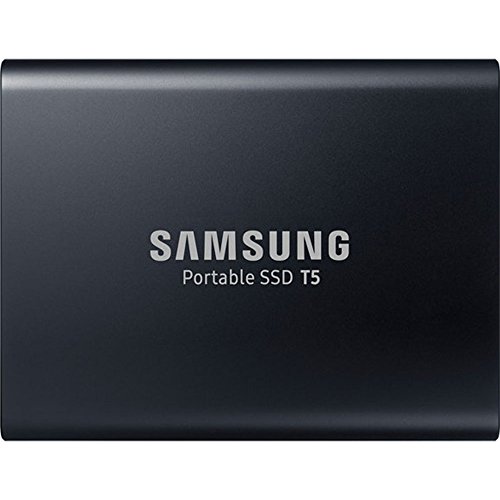
Samsung T5 Portable SSD 1TB 540MB/s

OSCOO 1TB Touchscreen Encrypted SSD 2000MB/s

SanDisk 4TB Extreme Portable SSD 2000MB/s
SanDisk 1TB Extreme Portable SSD 2000MB/s
SanDisk 2TB Extreme Portable SSD 2000MB/s

SanDisk 500GB Extreme Portable SSD 550MB/s
OSCOO 1TB Magnetic External SSD 2000MB/s

OSCOO 1TB External SSD 2100MB/s Gen 2
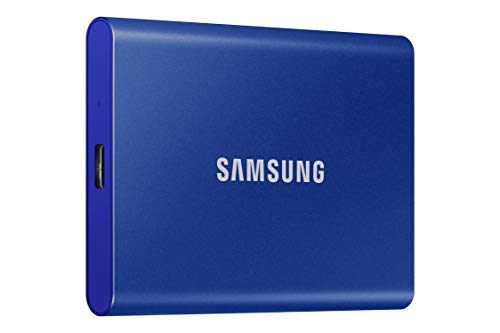
Samsung T7 Portable SSD 500GB 1050MB/s
Inside Each Recommended Option
The original SanDisk Extreme Portable SSD has earned its reputation by being the drive you toss in a bag without thinking about it. The IP55 rating means it shrugs off rain, splashes, and dust, which matters when a game night migrates from your desk to a friend’s place. Inside that rubberized shell sits a SATA-class SSD pushing up to 550MB/s reads, more than enough to stream modern games without hitching at load screens.
For a gaming PC setup, you get a balanced combination of speed and survivability that newer NVMe drives sometimes sacrifice for raw throughput. The compact footprint fits in a pocket, and the integrated carabiner loop makes it easy to tether to a backpack. It’s the kind of drive that fades into the background and just works, which is exactly what most people want from a portable library.
The Practical Payoff
- IP55 water and dust resistance protects against spills and travel mishaps
- 550MB/s reads handle large open-world games without bottlenecks on USB 3.1
- Rugged rubberized shell absorbs minor drops, so the drive survives desk-edge accidents
- 1TB capacity covers a dozen modern titles plus DLC, comfortably
- USB-C interface is forward-compatible with newer motherboards and laptops
Points To Keep In Mind
- 550MB/s trails the newer SanDisk Extreme models further down this list, so heavy multi-asset game engines may load a few seconds slower
- The included cable is short; you may need a longer USB-C run for tower PCs parked on the floor
- No hardware encryption, so anyone with the drive plugged in can read its contents
Feature Snapshot
Who Will Love This
Gamers who travel to friends’ houses or move their setup between rooms frequently benefit most from the rugged build and pocketable size.
Look Elsewhere When
Speed-chasers with deep pockets should look at the SanDisk 1TB Extreme Portable SSD 2000MB/s further down, which trades ruggedness for raw throughput.
The Samsung T5 has been the de facto portable SSD for years, and for good reason. Its all-metal unibody weighs barely more than a deck of cards and slips into a shirt pocket without protest. Samsung’s V-NAND flash pushes read speeds up to 540MB/s, putting it in the same class as the first SanDisk drive above, but with a more refined industrial design and optional AES 256-bit hardware encryption for the privacy-conscious.
Inside a gaming PC workflow, the T5 acts as a trusty side drive for older favorites, mod folders, and screenshots. The included USB-C to C and USB-C to A cables cover every port you’ll find on a modern desktop, removing the need to buy extras. Compared to the SanDisk above, the T5 gives up the IP rating but gains a sleeker feel and tighter Samsung Magician software support, a useful perk for monitoring health and updating firmware over time.
Useful Strengths
- 540MB/s reads keep load times reasonable for the bulk of Steam’s back catalog
- AES 256-bit hardware encryption protects saves and personal files if the drive walks off
- All-metal unibody resists flex and sheds heat better than plastic shells
- Both USB-C to C and USB-C to A cables ship in the box
- Samsung Magician software simplifies health checks and firmware updates
Trade Offs
- No IP rating, so spilled drinks and dusty LAN tables pose a real risk
- 540MB/s sits at the bottom of the 2026 speed range, behind every newer NVMe-based entry
- The smooth metal finish shows scratches if tossed in a bag without a sleeve
Made For
You want a trusted, pocketable drive for travel days and small game libraries where encryption matters more than raw speed.
Consider Something Else When
You’d get more value from the Samsung T7 further down this list, which roughly doubles throughput for similar portability.
Most external SSDs keep you in the dark about what’s happening inside, but the OSCOO Touchscreen Encrypted SSD puts a small color display right on the casing. That screen shows real-time transfer speeds, drive temperature, and remaining capacity at a glance, which is genuinely useful when you’re copying a 100GB game folder and want to know if you’re throttling. The 2000MB/s ceiling puts it in NVMe territory, easily outpacing both the SanDisk and Samsung entries above.
For gamers, the encryption layer is the real draw. Hardware-level password protection means the drive locks out anyone who doesn’t have the PIN, so a stolen drive won’t leak your Steam library or your work files. The drive leans into creator and prosumer territory, but for the gaming PC crowd, that translates to faster load times on direct-attach workflows, like editing 4K clips pulled straight from capture cards.
Notable Gains
- Touchscreen display surfaces live transfer speeds and temperatures during big file moves
- 2000MB/s throughput handles large open-world games and capture folders without slowing down
- Hardware encryption with PIN access protects the drive if it goes missing
- Aluminum shell helps dissipate heat during sustained read and write sessions
Worth Noting
- The touchscreen consumes a small amount of power, which can shorten sustained throughput on bus-powered ports
- OSCOO is a less familiar brand, so long-term firmware support isn’t as proven as Samsung or SanDisk
Right Fit For
Tinkerers and gamers who also dabble in video or photo work, anyone who likes seeing real-time data without opening a monitoring app, will appreciate the built-in display.
Swap It Out When
You prefer a mainstream brand with a longer track record; the SanDisk 2TB Extreme Portable SSD further down offers similar speed without the novelty panel.
When your Steam library is pushing a terabyte on its own, you stop thinking about 1TB drives and start eyeing 4TB. The latest SanDisk Extreme Portable SSD delivers that capacity without growing the footprint much beyond the older 1TB model, and it pushes read speeds up to 2000MB/s over USB-C. For a gaming PC, that means the whole Call of Duty install plus a dozen open-world behemoths can live on a single external drive and still load fast.
Where this drive earns its keep is in the sheer headroom for people who don’t delete anything. The same SanDisk build quality and rubberized shell from the older model carry over, so the drive still tolerates the occasional drop or a backpack jam. It costs more than the smaller siblings later in this list, but for gamers with bloated libraries, you may find a single 4TB drive cleaner than juggling two 2TB units.
What Makes Sense
- 4TB swallows a massive library, plus 4K captures and mod folders, on a single device
- 2000MB/s reads keep modern asset-heavy games loading briskly
- USB-C plug-and-play works with desktops, laptops, and current-generation consoles
- Retains the rugged SanDisk chassis that handles daily travel well
Honest Caveats
- Heftier price tag than 1TB and 2TB alternatives on this list
- Full 4TB takes hours to fill on first load, so initial backups need patience
Feature Snapshot
Best Suited To
Heavy collectors with no appetite for deleting games, or anyone splitting workloads between a working drive and an archive.
Where Another Pick Suits Better
Budget-focused shoppers get more gigs per dollar from the SanDisk 2TB Extreme Portable SSD further down.
The new SanDisk Extreme Portable SSD at 1TB is what happens when you take the original’s chassis and stuff NVMe inside. Reads climb to 2000MB/s, nearly four times the older 550MB/s model covered earlier, and game load times drop accordingly. For anyone whose gaming PC sits next to a fast USB-C 3.2 Gen 2×2 port, this is the sweet spot for daily library duty.
Real-world ownership still revolves around that familiar SanDisk rubberized shell, which means drop protection and a carabiner loop carry over from the older model. The drive runs warm under sustained writes, so a brief cooldown between large file moves isn’t unusual, depending on your room temperature. Compared to the OSCOO touchscreen drive above, this one trades the display for a more proven firmware base and broader platform support.
Everyday Wins
- 2000MB/s reads cut load times on big open-world games noticeably
- Same IP55-rated chassis as the older SanDisk, so travel durability holds up
- USB-C connection works across modern desktops, laptops, and consoles with one cable
- Compact enough to live permanently on a desk without crowding it
Points To Note
- Achieves full speed only over USB 3.2 Gen 2×2 ports, which not every motherboard has
- Heats up during extended writes, with sustained speeds dipping once the controller throttles
Feature Snapshot
Who Should Grab It
Speed-focused PC gamers with a 2×2-capable port who want the closest thing to an internal NVMe experience in a portable shell.
Skip It When
Your motherboard tops out at USB 3.2 Gen 2; the Samsung T7 below makes more sense in that case.
At 2TB, the new SanDisk Extreme Portable SSD hits a capacity that feels right for most modern gaming PC users. You can hold a healthy mix of AAA titles, indie favorites, and a few hundred gigabytes of clips and screenshots without juggling folders. Read speeds cap at 2000MB/s, matching the smaller sibling above, so load behavior stays consistent across your library.
This is the drive most people probably want without realizing it. It skips the 4TB price tag, doubles the storage of the 1TB version, and still rides on that familiar IP55 chassis. The trade-off is heat: under sustained 2TB transfers, the drive gets noticeably warm, and most users will want a small airflow gap around it on a desk. Beyond that, it just delivers where you’d expect.
Useful Highlights
- 2TB balances capacity and cost for typical gaming libraries
- 2000MB/s reads match the 1TB sibling, so you don’t give up speed for storage
- IP55-rated shell keeps travel and LAN party risk low
- USB-C single-cable setup across PCs and consoles reduces cable clutter
Practical Considerations
- Runs warm during extended writes; owners commonly report thermal throttling after long file dumps
- Full 2TB is overkill for casual gamers with a small library
Feature Snapshot
Whose Shelf It Belongs On
Mid-to-heavy gamers who don’t want to micromanage installs and want enough room for capture files alongside their main library.
A Better Fit Elsewhere
Library minimalists are better served by the SanDisk 1TB Extreme Portable SSD 550MB/s, which is plenty fast for ten or so installed games.
For gamers keeping a tight, focused library, 500GB is sometimes all you need. The smaller SanDisk Extreme Portable SSD keeps the same 550MB/s ceiling and IP55 rating as its 1TB sibling at the top of this list, just with less room. You can stash four to six large games plus a stack of older titles, and the drive stays small enough to forget it’s in your bag.
Compared to the Samsung T5 above, this SanDisk trades the metal unibody for a grippier rubberized shell, which is arguably better for travel. The price tends to sit lower than the 1TB version, making it a sensible entry point if you’re trying external SSD storage for the first time. Just be realistic: a 500GB drive fills up fast in 2026, so plan to keep a backup of your main library on the internal drive.
The Good Stuff
- Lower entry price among SanDisk’s rugged SSD line
- IP55 durability carries over from the larger Extreme models
- 550MB/s reads are sufficient for a curated game selection
- Compact size makes it easy to pack in a laptop sleeve or small pouch
Potential Drawbacks
- 500GB is tight for modern AAA libraries, so expect to rotate titles
- Slower than every NVMe-based entry further down the list
Perfect Match For
Casual gamers with a short rotation of favorites, or anyone building a portable travel drive for a laptop or console.
Reach For A Different Pick When
You want more future-proofing; the SanDisk 1TB Extreme Portable SSD 2000MB/s adds room and speed for not much more.
Most external SSDs are rectangular slabs that you set on your desk, but OSCOO’s magnetic drive is built to attach. A built-in magnet on the back lets it snap to compatible metal surfaces, like the side of a PC case or a metal laptop lid, which is genuinely convenient in tight desk setups. Reads hit 2000MB/s, putting it in the same performance class as the SanDisk 2TB drive covered earlier.
For gaming PC owners, the magnetic mount solves a real annoyance: external drives sliding off the desk when a cable gets tugged. The aluminum shell handles heat well, and the included cable is long enough for tower installations. It’s a niche design choice that pays off if you move your setup often or work in a small space where the drive needs to stay out of the way.
Real-World Strengths
- Magnetic mount keeps the drive secure and visible, reducing desk clutter
- 2000MB/s reads keep pace with the fastest entries in this roundup
- Aluminum casing helps dissipate heat during sustained transfers
- USB-C connectivity works across modern desktops and laptops
Possible Compromises
- Magnetic mounting is only useful on metal surfaces, so it adds no value on a wooden desk
- Brand support and firmware updates aren’t as established as SanDisk or Samsung
Feature Snapshot
Built With In Mind
Mobile creators and minimal-desk gamers who like the idea of a drive that stays attached and out of the way during long sessions.
Not Your Match When
You keep your PC under a wooden desk or in a closed cabinet; the SanDisk 1TB Extreme Portable SSD 2000MB/s is the safer mainstream pick.
The OSCOO 2100MB/s drive pushes the published ceiling slightly higher than the 2000MB/s SanDisk models, and it leans into creator and capture-card workflows. The aluminum shell is built to take heat, which matters for gamers recording 4K 120fps clips straight to the drive. As a gaming PC companion, it slots in nicely as a dedicated capture or scratch drive that doesn’t slow down your main system disk.
Real-world speed depends entirely on the host port. Connected to a USB 3.2 Gen 2×2 port, this drive actually hits near its rated ceiling. On older Gen 2 ports, it caps at 1000MB/s or so, which is still respectable. Compared to the OSCOO magnetic drive above, this one skips the novelty in favor of pure throughput, making it a more practical choice for stationary setups where magnetic mounting is irrelevant.
Reasons It Performs
- 2100MB/s rated throughput is the highest in this roundup
- Aluminum shell handles extended recording sessions without aggressive throttling
- USB 3.2 Gen 2 interface is more widely supported than 2×2 ports
- 1TB size suits dedicated capture drives and side project folders
Factors To Consider
- Full speed only over USB 3.2 Gen 2×2, which most motherboards don’t have
- OSCOO’s brand support and warranty experience aren’t as well-documented as the bigger names
Feature Snapshot
The Right Fit
Streamers and capture-focused gamers who want a fast scratch drive that won’t bottleneck 4K recording from a PC or compatible phone.
Look Elsewhere When
You’re building a portable travel library; the SanDisk 1TB Extreme Portable SSD covered earlier has stronger drop protection for the road.
The Samsung T7 is the natural follow-up to the T5 covered earlier, roughly doubling throughput to 1050MB/s over USB 3.2 Gen 2. For most gaming PC ports, that 1050MB/s ceiling is the realistic peak, since 2×2 ports remain rare. The 500GB capacity keeps the price approachable, and the unibody aluminum chassis feels every bit as solid as the older T5.
On a gaming PC, the T7 acts as a quick-load drive for current favorites rather than a deep archive. Its compact size and quiet operation make it ideal for setups where a spinning drive would be too noisy. Compared to the SanDisk 1TB 2000MB/s model above, the T7 gives up raw speed and capacity for a more refined thermal profile and a brand known for tight firmware support.
What Pays Off
- 1050MB/s reads double the T5 and handle most modern games comfortably
- USB 3.2 Gen 2 interface is widely available on current motherboards and laptops
- All-metal chassis runs cool under sustained use and feels built to last
- Samsung’s firmware and Magician software add long-term value
Smaller Limitations
- 500GB fills up fast for users with a large Steam or Epic library
- 1050MB/s ceiling is a clear step behind the 2000MB/s SanDisk options above
Who It Suits Best
Mainstream gamers who want a reliable mid-speed drive for a focused library, or anyone who values Samsung’s ecosystem and quiet operation.
Another Choice May Suit
You should look at the SanDisk 1TB Extreme Portable SSD 2000MB/s if you have a 2×2 port and want maximum headroom.
What Matters Most Before Choosing External Ssds For Gaming Pc
Matching The Drive To Your USB Port
The single biggest performance lever is your motherboard’s USB port. A USB 3.2 Gen 2 port tops out at 10Gbps, which translates to roughly 1050MB/s in real-world terms, exactly what the Samsung T7 delivers. Gen 2×2 doubles that to 20Gbps and unlocks the 2000MB/s range, which is where the newer SanDisk Extreme models live. Running a Gen 2×2 drive on a Gen 2 port wastes the headroom you paid for, so check your motherboard specs before chasing peak numbers.
Capacity And Library Habits
Modern AAA games regularly weigh in at 80 to 150GB, and 4K capture files stack up fast. A 1TB drive works for a curated rotation of five to eight heavy hitters, while 2TB covers most gamers with a healthy backlog. 4TB is the archive tier, best when you don’t want to think about deleting anything. For a 500GB drive like the Samsung T7, you’ll likely keep your main rotation there and store the rest on internal storage.
Build And Heat Behavior
External SSDs run hotter than internal drives because there’s less airflow around them. Rubberized shells like the SanDisk Extreme line insulate the controller, which can throttle under sustained writes, while aluminum chassis like the Samsung T5 and T7 shed heat more effectively. IP ratings matter when the drive travels; the original SanDisk Extremes carry an IP55 rating, while most of the newer and Samsung models skip that protection for sleeker designs.
Key Considerations Across These Picks
Where Shoppers Go Wrong
A common slip is chasing peak read speeds without checking whether the host system can deliver them. A 2000MB/s drive plugged into a 5Gbps port will simply run at the slower ceiling, and the extra money spent on speed goes unnoticed. Another pitfall is underestimating how quickly 500GB disappears in 2026: two or three large installs and you’re juggling folders again. Storage growth tends to outpace predictions, so leaning one tier larger than you think you need is often the smarter call.
The Case For Spending Up
The jump from a 550MB/s SATA drive to a 2000MB/s NVMe drive shows up most clearly in open-world games with continuous asset streaming. Cities and dense maps load textures on the fly, and faster drives smooth out the hitches you sometimes see during fast travel or sudden camera pans. For pure single-player RPGs with discrete load screens, the difference shrinks, so the upgrade is most worth it for gamers who play a steady diet of sprawling, modern releases.
Frequently Asked Questions
Do external SSDs slow down over time with full drives?
SSDs hold their read speeds across most capacity levels, but write performance can dip as the drive fills up because there’s less free NAND for the controller to spread writes across. Keeping 10 to 20 percent of the drive empty helps maintain consistent write behavior during large file moves.
Can I boot a game directly from an external SSD?
Modern operating systems and game launchers can run games straight from an external SSD, and a USB 3.2 Gen 2 or faster drive delivers load behavior close to an internal drive. The catch is sustained performance, where a quality external SSD with good thermal design holds up better than cheaper units.
Is USB 3.2 Gen 2×2 worth hunting for on a motherboard?
Gen 2×2 unlocks the 2000MB/s range, and you’ll notice it most on direct-attach workflows like 4K capture and large library transfers. For pure game loading, the gap from 1050MB/s to 2000MB/s exists but is rarely dramatic outside the heaviest open-world titles.
How long do external SSDs typically last?
Modern NAND flash handles thousands of write cycles, and for typical gaming workloads, an external SSD should serve you for many years before wear becomes a concern. Heavy daily use cases like continuous 4K recording shorten that window, but for a regular game library, longevity is rarely the limiting factor.
Should I get an external SSD with hardware encryption?
Hardware encryption matters most if the drive travels, gets shared between machines, or holds sensitive personal files. For a drive that lives permanently next to a desktop gaming PC, encryption adds little practical value, though it’s a small extra cost for peace of mind.
Bottom Line
The right external SSD for a gaming PC comes down to your ports, your library size, and how often the drive moves. The SanDisk 4TB model is the archive champion, the 1TB and 2TB 2000MB/s versions cover most mainstream gaming builds, and the original 550MB/s SanDisk remains a great travel pick. Match the drive to your real workflow, and the rest of the decision is mostly capacity math.


