


Modern games swallow storage in a single sitting, and a console’s internal drive fills up long before you finish one library. The right external drive clears that pressure without forcing you to redownload anything, whether you’re moving PS4 titles off a tired internal drive or backing up a PC library that’s grown out of control. You want something that boots fast, stays quiet, and doesn’t get cranky when you yank the cable between sessions. The picks below cover that range from budget HDDs to portable SSDs that can keep up with current-generation loads.
The Shortlist At A Glance

WD 2TB Gaming Drive for PS4 (WDBDFF0020BBK-WESN)
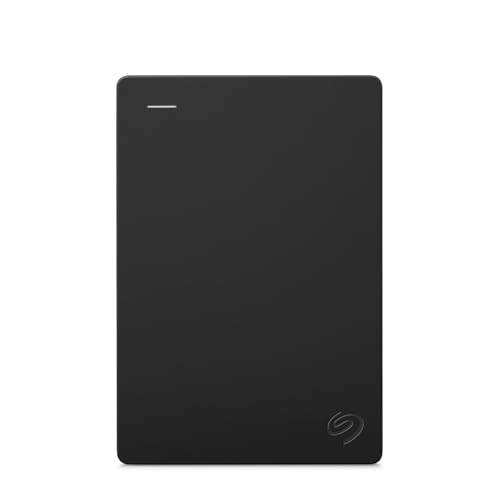
Seagate 2TB Portable Hard Drive USB 3.0 (STGX2000400)

SanDisk 4TB Extreme Portable SSD (SDSSDE70-4T00-G25)

Seagate Game Drive 2TB for PS4 (STGD2000100)
Seagate Portable 4TB External Hard Drive (SRD0NF1)

Seagate Game Drive 4TB for PS4 (STGD4000400)
SanDisk 1TB Extreme Portable SSD (SDSSDE70-1T00-G25)
SanDisk 2TB Extreme Portable SSD (SDSSDE70-2T00-G25)

Seagate One Touch 8TB Desktop HDD (STNB8000400)
Seagate One Touch 24TB Desktop HDD (STNB24000400)
A Deeper Look At The Lineup
The WD 2TB Gaming Drive is purpose-built for PS4 owners staring down a full system storage warning. Plug it into a free USB 3.0 port, run through the console’s quick format, and the system treats it as native extended storage. Compared to the portable Seagate HDD that follows, this one leans into console-specific design cues rather than a generic office look.
Most PS4 libraries outgrow the standard 500GB or 1TB internal drive within a year of active use, and juggling installs gets old fast. With 2TB on tap, the WD drive takes that juggling off the table for a long stretch of play.
Points In Its Favor
- Officially recognized by the PS4 firmware, so setup avoids third-party workarounds.
- USB 3.0 bus power means no extra cable to find a wall outlet for.
- 2TB holds a long stretch of PS4 titles without forcing constant uninstall cycles.
- Compact shell fits cleanly beside a console on a media shelf.
Things To Consider
- It’s a spinning HDD, not an SSD, so load times still trail portable SSD options like the SanDisk Extreme later in this list.
- Reported behavior suggests the included cable is on the short side for living room setups that route behind a TV.
Feature Snapshot
Made For
PS4 owners who want a plug-and-play storage expansion without messing with formatting tools or third-party apps.
Where Another Pick Suits Better
Cross-platform households juggling a PC and a console get more mileage from the Seagate 2TB Portable Hard Drive USB 3.0 (STGX2000400) covered below.
The Seagate 2TB Portable is the kind of drive you forget is there until you need it. Drag-and-drop file transfer on Windows and Mac means no software install dance, and the slim shell slips into a backpack pocket without protest. The previous WD pick leans into console aesthetics, while this one plays it neutral for general use.
For PC gamers with overflowing Steam libraries, or for households rotating one drive between a laptop and a console, that flexibility is the whole point. You get storage that works wherever you do.
Good Reasons To Consider
- Plug-and-play on both Windows and Mac without extra drivers.
- USB 3.0 speeds make large game backups practical rather than tedious.
- 2TB is a sensible middle ground for a single player or a small shared setup.
- Compact shell travels well for LAN events or dorm-room moves.
Worth Noting
- It’s a mechanical drive, so heavy jostling during a write job is a real concern.
- Console use typically requires reformatting, which is a one-time chore but worth flagging.
Right Fit For
Cross-platform users who want one drive that moves between a PC, a Mac, and a console without brand-specific tuning.
Skip It When
Speed-obsessed PC players chasing fast load screens get a stronger match with the SanDisk 4TB Extreme Portable SSD reviewed next.
The SanDisk 4TB Extreme Portable SSD is the pick that closes the gap between an internal NVMe and a sluggish external HDD. Read speeds up to 2000MB/s over USB Type-C mean large game transfers finish in minutes rather than over a lunch break. The previous two picks run spinning platters; this one runs flash, and the difference shows up the moment a 100GB install lands.
PC and laptop users who move heavy libraries around, or current-gen console players loading PS5 and Xbox Series X titles from extended storage, get the most out of that speed. It’s overkill for a basic PS4 backup, but that’s not the audience here.
Notable Gains
- Up to 2000MB/s read speed keeps multi-gigabyte transfers feeling snappy.
- USB Type-C aligns with modern laptop and console ports without adapter juggling.
- 4TB holds a serious chunk of a current-generation library.
- Pocket-sized SSD form factor shrugs off backpack travel.
Trade Offs
- To hit top speeds you need a USB 3.2 Gen 2×2 port; older USB-A jacks throttle the drive.
- Owners commonly report that sustained heavy writes can warm the aluminum shell.
Who Will Love This
Speed-focused PC and laptop gamers who move large installs between machines or offload working projects on the go.
Not Your Match When
PS4-only users chasing cheap capacity will find the WD 2TB Gaming Drive from earlier in this list a more practical fit.
The Seagate Game Drive for PS4 Systems wears its console allegiance on the outside, with the classic black-and-blue colorway that matches the console itself. Officially licensed and built to run under PS4 firmware, it sidesteps the compatibility questions that sometimes nag third-party drives. The earlier WD 2TB Gaming Drive covers similar ground, and the real choice here comes down to which design language you prefer on the shelf.
For PS4 owners building out a long-term library, holding 50+ games on a single 2TB drive is the practical draw. The compact shell also travels well for game nights at a friend’s place.
Everyday Wins
- Officially licensed for PS4, so the firmware handshake just works.
- USB 3.0 plug-and-play setup keeps installation to a few menu clicks.
- Compact, travel-ready form factor fits in a backpack pocket.
- 2TB is enough room for a working rotation of 50+ PS4 titles.
Honest Caveats
- Mechanical drive means slower cold-load times than a portable SSD like the SanDisk 1TB Extreme covered later.
- Color-matched plastic may scuff if tossed in a gear bag alongside hard objects.
Best Suited To
PS4 owners who want a license-backed, design-matched drive that blends into their entertainment setup.
Look Elsewhere When
Users who need room for both PS4 and PS5-era installs should consider the Seagate 4TB Game Drive further down this list instead.
The Seagate Portable 4TB steps up the room without stepping up the form factor. It works across PC, Mac, Xbox, and PlayStation, with a single USB 3.0 cable handling both data and power. The 2TB Seagate Portable earlier in this list covers the same use cases at half the capacity, and the honest call is which library size your household actually needs.
For a household juggling multiple consoles, or for anyone running regular backups of large game captures, 4TB hits a comfortable sweet spot. It’s also the kind of drive you can set near the router and forget about.
The Value In It
- 4TB holds a serious multi-console library without juggling drives.
- Cross-platform compatibility covers PC, Mac, Xbox, and PlayStation.
- USB 3.0 keeps transfer times reasonable for a spinning-platter drive.
- Drag-and-drop setup avoids extra software on most systems.
Points To Keep In Mind
- Mechanical construction means it should sit on a stable surface during long transfers.
- Larger capacity typically lands in a slightly bigger shell than 2TB portables.
Perfect Match For
Multi-console households and PC players with growing Steam or Epic libraries who want one drive to handle it all.
Swap It Out When
Users who need true SSD-grade speed in a similar capacity should look at the SanDisk 2TB Extreme Portable SSD further down.
The 4TB Seagate Game Drive doubles the storage of its 2TB sibling while keeping the same PS4-friendly blue-and-black styling. Officially licensed and firmware-aware, it lets the console treat the drive as native storage the moment it’s plugged in. Compared to the 2TB Game Drive covered earlier, the upgrade is purely about headroom, and the size of your library is the deciding factor.
Collectors who keep a deep rotation of PS4 titles, plus downloaded DLC and patches, get a buffer that doesn’t force weekly install juggling. For most casual users, 2TB is plenty, but heavy players feel the difference.
Why It Works Well
- 4TB holds 100+ PS4 titles, an honest fit for long-term collectors.
- USB 3.0 plug-and-play keeps the setup short and sweet.
- Officially licensed so PS4 firmware recognizes it without fuss.
- Travel-ready form factor stays portable despite the larger capacity.
Where It May Fall Short
- Mechanical drive means longer load screens than the SanDisk SSD picks in this roundup.
- Storage capacity over 2TB typically means a slightly thicker shell than slimmer portables.
Spec Overview
Whose Shelf It Belongs On
PS4 collectors and active players who want one drive to cover a large backlog without constant shuffling.
Consider Something Else When
Users running mixed PC and console workloads get more flexibility from the Seagate Portable 4TB External Hard Drive covered earlier.
The 1TB SanDisk Extreme Portable SSD is the smallest sibling in the SanDisk SSD family on this list, and that compactness is its whole pitch. It slips into a jacket pocket, takes rough handling in stride, and still hits the same 2000MB/s ceiling as the larger versions. The 4TB SanDisk reviewed earlier is for serious storage depth; this one is for mobility-first users who don’t need a full library on hand.
For laptop gamers, frequent travelers, or anyone who edits game captures on the move, 1TB of fast SSD storage is a comfortable working kit. It’s also a smart side drive for storing a current project without touching your main system.
A Favorable Mix
- Up to 2000MB/s read speed over USB Type-C for fast project hand-offs.
- Pocket-sized shell goes anywhere a USB cable reaches.
- Rugged build shrugs off everyday bumps and drops.
- 1TB is a tidy working capacity for active projects and recent titles.
Smaller Limitations
- 1TB fills up fast for users with full multi-platform libraries.
- Full speed requires a USB 3.2 Gen 2×2 host port, which most laptops still lack.
Who Should Grab It
Travelers, students, and laptop-first gamers who want fast, durable storage that disappears in a pocket.
Another Choice May Suit
Power users with bigger libraries will find the SanDisk 4TB Extreme Portable SSD covered earlier a better long-term home for their files.
The 2TB SanDisk Extreme Portable SSD is the middle child in the lineup, pairing the same 2000MB/s ceiling as its 1TB and 4TB siblings with a capacity that handles most working libraries. The 1TB version covered just above is the lighter option; the 4TB version is for users with serious storage depth. This one lands in the practical middle for most people.
Streamers, indie developers, and content creators handling large capture libraries benefit from the speed and capacity balance. It also suits a household with two active gamers rotating recent installs.
Positive Points
- Up to 2000MB/s read speed for fast transfers of game and capture files.
- USB Type-C connectivity matches modern laptops and current-gen consoles.
- 2TB covers a working rotation of recent titles without constant cleanup.
- Rugged design handles commute-and-creek conditions without babying.
Soft Spots
- Top speeds require a USB 3.2 Gen 2×2 port, which not every machine has yet.
- Sustained heavy writes can warm the drive shell, though still within normal operating range.
Feature Snapshot
Built With In Mind
Streamers, editors, and on-the-go creators handling large capture and project files between devices.
Reach For A Different Pick When
Console-focused users wanting brand-matched aesthetics will prefer the Seagate Game Drive 2TB for PS4 covered earlier in this roundup.
The Seagate One Touch 8TB is the first drive on this list that wants to live on a desk, not in a bag. Bus-powered USB-C keeps the cable count down to one, and 8TB gives you enough room for a full console library plus a working media archive. Compared to the portable HDDs earlier, the trade-off is a stationary shell, but the gain is bulk storage that doesn’t get bumped mid-transfer.
It’s a natural fit for a home office or media corner, and the included Rescue Data Recovery Services adds a safety net for accidental deletions. Anyone tired of juggling multiple smaller drives will appreciate the consolidation.
Strong Points
- 8TB covers an entire household’s gaming and media archive in one place.
- Single-cable USB-C keeps the desk setup clean and simple.
- Bus-powered design avoids hunting for an extra outlet.
- Includes Rescue Data Recovery Services for accidental file mishaps.
Points To Note
- Desktop form factor means it’s not built for backpack duty.
- Mechanical drive speeds can’t match the SanDisk SSDs higher in this list.
Feature Card
Who It Suits Best
Home users who want one stationary drive to back up consoles, PCs, and media files without juggling multiple devices.
A Better Fit Elsewhere
Mobile-first users will find the SanDisk 1TB Extreme Portable SSD reviewed earlier a smarter daily carry.
The Seagate One Touch 24TB is a closet-sized vault disguised as a desktop drive. With 24TB on a single USB-C connection, it absorbs years of game installs, 4K captures, and project files without blinking. The 8TB One Touch above is the sensible pick for most households; this one is for media hoarders and small studios with serious data depth.
Content creators archiving raw footage, or households consolidating multiple external drives into one hub, will find the breathing room refreshing. It also works as a long-term backup target for a primary working SSD.
Useful Strengths
- 24TB handles a deep archive of games, video projects, and backups on one drive.
- Single USB-C cable handles data and power with no wall adapter.
- Cross-platform support covers most Windows and macOS systems.
- Rescue Data Recovery Services included for accidental file mishaps.
Details To Watch
- Large capacity puts a lot of eggs in one basket, so a separate backup plan is wise.
- Mechanical drive speed lags behind the SanDisk SSD picks for active editing work.
Right Fit For
Media hoarders, content creators, and small studios who need one drive to handle multi-year archives without splitting across devices.
Where A Sibling Pick Shines
Anyone wanting portable speed on the road will find the SanDisk 4TB Extreme Portable SSD covered earlier in this list a better daily companion.
What To Weigh Before Choosing An External Drive For Gaming
Capacity gets most of the attention, but it isn’t the only thing that matters. Match the drive to how you actually play, and the rest falls into place.
HDD vs SSD comes down to patience. An HDD (hard disk drive) uses spinning platters, runs quieter on a budget, and delivers the most gigabytes for the money. An SSD (solid state drive) has no moving parts, boots and loads faster, and survives rough travel, but costs more per terabyte. PS4-era players and bulk archivists do fine on HDD. Current-gen console users and PC gamers chasing short load screens should lean SSD.
Console compatibility shapes the choice more than people expect. PS4 and Xbox One recognize most USB 3.0 drives after a quick in-console format, while PS5 and Xbox Series X handle external storage differently for active installs. A drive marketed as officially licensed for a specific console just means the firmware is tuned to recognize it without extra steps.
Port type quietly controls real-world speed. A modern USB Type-C connection with USB 3.2 Gen 2×2 support unlocks the 2000MB/s ceiling on the SanDisk SSDs in this list. Plug one of those into an older USB-A 3.0 port and the drive drops to a fraction of its rated speed. Always check what your console or laptop actually offers before assuming fast.
Key Considerations Across These Picks
Where Shoppers Go Wrong
The most common slip is buying an SSD expecting mechanical drive prices, then abandoning the spec halfway through. Set a clear budget, then pick between capacity and speed without expecting both at the lowest tier. Another trap is underestimating the cable. A short USB 3.0 cable that works fine on a desk can leave a console drive dangling awkwardly behind a TV stand.
Why Top Tier Costs More
A drive like the SanDisk 4TB Extreme Portable SSD costs more per gigabyte than a 4TB Seagate Game Drive for a real reason. Faster flash memory, a more capable controller, and a USB Type-C interface that pushes 2000MB/s all add to the bill. The upgrade is worth it for users running current-gen consoles, editing large captures, or moving working projects between machines. For PS4 backup and casual archives, the slower HDD tier delivers more space for the money and is the smarter call.


