


Your library keeps growing, your console’s internal drive keeps groaning, and the next patch download is hovering at 90 GB. That’s where external gaming hard drives earn their place, giving you room to breathe without uninstalling the games you actually love. Whether you’re a PS4 owner hunting for offload space, a PC gamer hoarding captures, or a hybrid setup juggling Xbox and PlayStation, the right external drive changes your relationship with your library. The picks below cover everything from budget HDDs to rugged NVMe SSDs built for travel.
The Lineup, Simplified

WD 2TB Gaming Drive for PS4
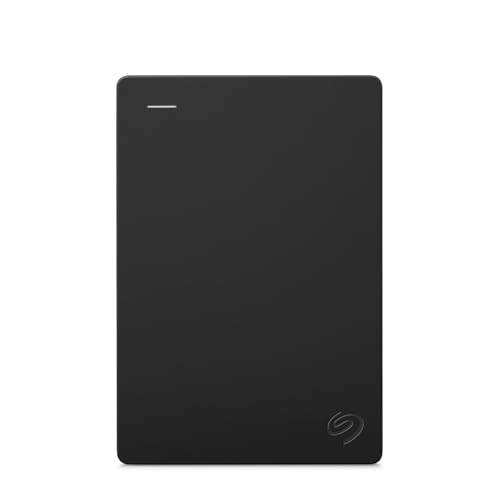
Seagate 2TB Portable Hard Drive (STGX2000400)

SanDisk 4TB Extreme Portable SSD

Seagate Game Drive for PS4 2TB (STGD2000100)
Seagate Portable 4TB External Hard Drive (SRD0NF1)

Seagate Game Drive 4TB for PS4 (STGD4000400)
SanDisk 1TB Extreme Portable SSD
SanDisk 2TB Extreme Portable SSD

Seagate One Touch 8TB Desktop HDD (STNB8000400)
Seagate One Touch 24TB Desktop HDD (STNB24000400)
The Strengths Of Each Pick
The WD 2TB Gaming Drive was built with the PS4 in mind, and that focus shows in everyday use. You plug it in, run a quick format through the console, and your library is ready to offload without wrestling with file systems. Compared to the Seagate 2TB Portable that follows, this one is less of a generalist and more of a console-first tool, which is exactly what most PS4 owners actually need.
For anyone whose PS4 is wheezing under a few dozen installed games, the headroom here is the real story. 2TB holds a large personal library with room to spare, and the slim shell slips behind the console without dominating your entertainment center.
Points In Its Favor
- Designed specifically for PS4, so setup is closer to plug-and-play than cross-platform drives.
- 2TB of storage gives a standard PS4 owner years of headroom before worrying about swaps.
- Compact shell fits next to or behind the console without taking over the shelf.
- USB 3.0 keeps transfer speeds reasonable for a spinning disk, so offloading a 50 GB game doesn’t take all night.
Things To Consider
- HDD-based, so load times won’t match the SanDisk SSDs in this list.
- Less useful outside the PlayStation ecosystem, so PC-only gamers get more from a generalist drive.
Who It Suits Best
PS4 owners whose internal drive is full and who want the path of least resistance to expand.
A Better Fit Elsewhere
The Seagate 2TB Portable Hard Drive (STGX2000400) is the smarter pick for shoppers who split time between console and laptop.
The Seagate 2TB Portable Hard Drive (STGX2000400) is the no-fuss workhorse of the list. It works with both Windows and Mac out of the box, and the included 18-inch USB cable keeps your desk tidy. Where the WD 2TB Gaming Drive locks you into a PlayStation mindset, this one stays portable and flexible, ready to move between a laptop, a console, or a friend’s rig.
For shoppers who just want more space without overthinking the brand, this drive delivers straightforward utility. The 2TB capacity covers most gaming libraries plus general backup needs, so it doubles as both your offload drive and your photo archive.
Bright Spots
- Cross-platform compatibility means the same drive moves between PC, Mac, and console.
- Drag-and-drop setup requires no extra software, which keeps first-timers moving.
- Compact, lightweight build slides into a backpack for LAN parties or travel.
- Often lands at a comfortable price point, making it approachable for casual gamers.
Worth Noting
- Like the WD above, this is a spinning HDD, so file transfers take patience with very large game libraries.
- Not officially licensed for any specific console, so PS4 and Xbox users will still format it manually.
Made For
Students, casual gamers, and anyone who wants a single drive for both backup and occasional console use.
Where Another Pick Suits Better
Console purists who want zero setup friction get more from the Seagate Game Drive for PS4 2TB (STGD2000100).
The SanDisk 4TB Extreme Portable SSD is the heavyweight for gamers who care about speed. Rated for up to 2000 MB/s over USB Type-C, this drive takes a meaningful chunk of the wait out of moving installs, captures, and 4K footage. Compared to the HDDs earlier in this list, it feels like stepping from a bicycle onto a motorcycle: same job, very different pace.
You also get a rugged shell that handles travel better than the typical plastic HDD enclosure. For creators juggling massive OBS captures or competitive players cycling between rigs, 4TB at this speed means fewer compromises.
Positive Takeaways
- Up to 2000 MB/s transfer speeds via USB-C make large file moves feel almost instant.
- 4TB of solid-state storage holds a serious chunk of a modern gaming library.
- Rugged build shrugs off the kind of bumps that would kill a spinning drive.
- Compact form factor slips into a small pocket, making it a strong travel companion.
Trade Offs
- Costs more per terabyte than the HDD options, so budget-focused shoppers should weigh the speed premium.
- To hit the rated speeds, your port needs to be USB 3.2 Gen 2×2 compatible; older ports will cap performance.
Best Suited To
Power users, content creators, and competitive players who transfer large game files or capture footage daily.
Skip It When
Console-only gamers running a PS4 won’t see full benefit; the SanDisk 1TB Extreme Portable SSD covers basic travel needs for less.
The Seagate Game Drive for PS4 Systems 2TB (STGD2000100) is the officially licensed sibling to the WD Gaming Drive you saw first. Where the WD keeps things minimal, Seagate leans into the PS4 aesthetic with the classic black-and-blue shell that matches the console. It’s a small touch, but for shoppers who care about visual consistency next to their entertainment center, it matters.
Setup is genuinely simple: plug into a USB 3.0 port on the PS4, follow the on-screen prompts, and the console handles the rest. You also skip the power cable entirely, which keeps your setup clean.
The Upside
- Officially licensed for PS4, so the firmware handshake is seamless out of the box.
- USB 3.0 connectivity with no external power cable keeps your setup clean.
- Holds 50 or more games at 2TB, which suits most mid-size PS4 libraries.
- Compact, travel-ready form factor for gamers who take their library to a friend’s house.
Room For Improvement
- Spinning-platter speeds still trail SSD options like the SanDisk Extreme drives if you copy between this and an internal SSD.
- Limited appeal outside the PS4 ecosystem, so cross-platform users get more flexibility elsewhere.
Whose Shelf It Belongs On
PS4 owners who want a licensed drive that visually matches their console and won’t fight them during setup.
Another Choice May Suit
Shoppers planning to grow into larger libraries should consider the Seagate Game Drive 4TB (STGD4000400) instead.
The Seagate Portable 4TB External Hard Drive (SRD0NF1) doubles down on capacity without changing the formula. It works across PC, Mac, Xbox, and PlayStation with the same plug-and-play approach as its 2TB sibling, so the jump in storage doesn’t come with a jump in setup complexity. You also get the same 1-year Rescue Service, which is the kind of quiet insurance that matters once your library grows into the terabytes.
For households where one person plays PS4, another plays Xbox, and a third uses the drive for laptop backups, this is the realistic shared-storage answer. You may find it spends most of its life on a single console, but it won’t complain if you swap duties.
Practical Pluses
- 4TB comfortably holds a full console library plus general backup storage in a single drive.
- Cross-platform compatibility across PC, Mac, Xbox, and PlayStation broadens its usefulness.
- 1-year Rescue Service provides a safety net if the drive ever fails.
- USB 3.0 keeps transfer speeds reasonable for an HDD at this size.
Some Limits To Know
- Still an HDD, so speed-sensitive workflows will feel slow compared to the SanDisk SSDs in this list.
- Bulkier than 2TB portables, which can matter for frequent travelers.
Right Fit For
Multi-console households and shoppers who want one drive for gaming storage plus everyday backup.
Reach For A Different Pick When
Speed matters more than raw capacity; the SanDisk 4TB Extreme Portable SSD delivers both but at a higher cost.
The Seagate Game Drive 4TB (STGD4000400) takes the 2TB Game Drive formula and stretches the ceiling. With room for 100+ PS4 titles, it’s the kind of drive you buy once and stop thinking about for years. Owners of large digital libraries who regularly juggle between big single-player epics and online shooters get the most value here.
It also runs through USB 3.0 with no power cable required, which keeps the back of your entertainment center uncluttered. The black-and-blue PS4 styling remains consistent with the 2TB version, so existing fans of the licensed look don’t sacrifice anything by stepping up in capacity.
Benefits That Matter
- 4TB holds 100 or more PS4 games, removing the cycle of delete-and-redownload.
- No-lag gaming performance keeps load times consistent during extended sessions.
- Plug-and-play USB 3.0 setup with no external power brick to manage.
- Long-term peace of mind from the included 1-year limited coverage.
Small Caveats
- Costs more upfront than the 2TB Seagate Game Drive, so casual PS4 owners may not need the extra room.
- HDD speeds still trail the SanDisk SSD options if you move games often.
Who Should Grab It
Dedicated PS4 collectors with deep back-catalogs who want to set-and-forget their storage situation.
Look Elsewhere When
Shoppers split between console and PC benefit from the more flexible SanDisk 2TB Extreme Portable SSD.
The SanDisk 1TB Extreme Portable SSD is the small-but-mighty entry in the Extreme lineup. At 1TB it carries a focused game selection rather than a full library, but the up to 2000 MB/s transfer speeds over USB-C change the daily feel. Moving a 60 GB install feels less like watching a progress bar and more like a coffee break.
Laptop gamers who travel between home, work, and a friend’s setup get the most from this form factor. It’s small enough to live on a keychain pouch, rugged enough to handle a backpack tumble, and fast enough to justify itself as a real working drive rather than just backup.
Notable Upsides
- Up to 2000 MB/s read speeds via USB-C cut down large file transfers.
- 1TB hits a comfortable size for a focused game library plus active project files.
- Rugged build stands up to travel better than typical plastic enclosures.
- Tiny footprint makes it a natural fit for ultraportable laptop gamers.
Points To Note
- 1TB fills up quickly for users with massive Steam or console libraries.
- Reaches rated speeds only on USB 3.2 Gen 2×2 ports, so older laptops may see reduced throughput.
Perfect Match For
Laptop gamers, traveling professionals, and anyone who wants speed in a pocketable form factor.
Where A Sibling Pick Shines
For more storage in the same family, the SanDisk 2TB Extreme Portable SSD doubles capacity with the same speed profile.
The SanDisk 2TB Extreme Portable SSD sits in the sweet spot of the Extreme lineup. You get the up to 2000 MB/s transfer speeds, the same rugged chassis as the 1TB sibling, and enough room to hold a substantial chunk of any modern gaming library. It’s the version most shoppers should actually buy unless they specifically need 1TB or 4TB.
For hybrid users running a gaming laptop plus a console, the 2TB capacity covers a meaningful collection without forcing constant deletion. You also keep the same travel-ready footprint, so it slips into the same pocket of your bag as the smaller version.
Everyday Perks
- 2TB capacity handles a large active game library without forcing constant file juggling.
- Up to 2000 MB/s via USB-C means less waiting and more playing.
- Rugged build survives the rough handling of daily commutes.
- Works across consoles, PCs, and Macs, so one drive covers multiple use cases.
What To Weigh
- Priced higher than equivalent-capacity HDDs like the Seagate Portable 4TB.
- Full speed requires a USB 3.2 Gen 2×2 port, which not every setup has.
Built With In Mind
Hybrid users who want SSD speed and HDD-like capacity in a single pocket-friendly drive.
Swap It Out When
Shoppers who only need maximum storage and don’t care about speed should pick the Seagate One Touch 8TB Desktop HDD instead.
The Seagate One Touch 8TB Desktop HDD (STNB8000400) is a different animal from the portable drives earlier in the list. It’s a desk-bound unit with a single USB-C cable, no wall wart, and enough storage to function as a household backup hub. For gamers who also create content, the 8TB ceiling swallows 4K captures alongside game installs without breaking a sweat.
You also get a 2-year limited warranty and Rescue Data Recovery Services, which is meaningful at this capacity. Once a drive holds this much data, the recovery plan starts to feel less like a nice-to-have and more like a core part of the value.
Reasons It Performs
- 8TB of high-capacity storage holds years of game captures, photos, and project files.
- Bus-powered USB-C means one cable and no extra power brick on the desk.
- Rescue Data Recovery Services and a 2-year limited warranty add meaningful peace of mind.
- Fuss-free design suits a permanent spot on a workstation or entertainment center.
Honest Caveats
- HDD speeds, so it’s better as a backup and archive drive than as an active gaming scratch disk.
- Desktop form factor means it isn’t the right pick for travelers.
Who Will Love This
Home creators, streamers, and gamers who want a stationary backup hub for their growing media library.
Not Your Match When
Shoppers needing portability and speed should step up to the SanDisk 2TB Extreme Portable SSD instead.
The Seagate One Touch 24TB Desktop HDD (STNB24000400) is the library-scale option in this roundup. At 24TB, it steps well beyond gaming libraries into the territory of full household archives, multiple console libraries, and a creator’s worth of 4K footage. Compared to the 8TB version just above, the difference is the kind of headroom that means you stop budgeting storage for a long time.
You keep the same bus-powered USB-C design and the same Rescue Data Recovery Services plan, so the daily experience matches the smaller One Touch. You simply add capacity without adding cables or complexity.
A Strong Showing
- 24TB capacity swallows multiple console libraries, large media archives, and creator projects in a single drive.
- Single USB-C cable setup keeps the desk or media center uncluttered.
- Rescue Data Recovery Services provides a meaningful safety net at this scale.
- Quiet enough to live next to a console or workstation without becoming a distraction.
Things That May Matter
- Costs more than the rest of the roundup combined, so casual shoppers should weigh whether they need 24TB.
- HDD throughput still trails the SanDisk SSDs, so it’s best used for archive and backup, not daily hot storage.
Right Fit For
Power users, media professionals, and multi-console households who want one drive to anchor their entire archive.
A Better Fit Elsewhere
Shoppers with smaller libraries and a need for speed should consider the SanDisk 4TB Extreme Portable SSD.
Picking The Right External Gaming Hard Drive For Your Setup
Choosing an external drive for gaming comes down to three honest questions: what are you plugging it into, how much space do you actually need today, and how often will you move it. PS4 and Xbox One consoles will only see meaningful benefit from HDDs, since the consoles themselves can’t take full advantage of SSD speeds for game loading. PC and laptop gamers, on the other hand, feel every second of extra throughput, which is where the SanDisk Extreme lineup earns its premium.
Capacity First, Speed Second
A 2TB drive covers most casual gaming libraries with room to spare, while 4TB starts to make sense for anyone juggling multiple console libraries or a Steam backlog. Anything above 8TB shifts from gaming into the territory of full household backup, and at that point the Seagate One Touch drives become the natural fit. Shoppers chasing a balance typically land at 2TB to 4TB, where the price per terabyte hits its sweet spot and the capacity doesn’t feel excessive.
Speed Changes The Daily Feel
An HDD delivers transfer speeds in the ballpark of 100 to 130 MB/s over USB 3.0. An external SSD like the SanDisk Extreme hits up to 2000 MB/s over USB-C, which means the difference between waiting on a 50 GB install and barely noticing it. For console gamers, that speed rarely changes load times, so an HDD makes sense. For PC and laptop users who move captures and project files, the SSD premium pays for itself within a few transfers.
Portability And Build
If your drive lives behind a console permanently, an HDD enclosure is fine. If it travels between a dorm, an office, and a LAN setup, an SSD’s ruggedness and lighter weight start to justify the cost. Bus-powered designs also matter for laptops, since you want to avoid carrying an extra power brick just to plug in storage.
Compatibility And Licensing
Officially licensed drives like the Seagate Game Drive for PS4 cut down on setup friction because the firmware is built for the console. Generalist drives like the Seagate Portable 4TB work across platforms but require a manual format on consoles. The trade-off is flexibility versus convenience, and the right answer depends on whether you see yourself switching ecosystems.
Where Shoppers Often Slip Up
Common Shopping Slip Ups
The most common mistake is buying an SSD for a console that can’t use the speed. The PS4 and Xbox One load games at roughly HDD speed regardless of what’s connected, so spending extra on a SanDisk Extreme for a PS4 is paying for performance you’ll never feel. The reverse mistake is buying an HDD for a PC user who regularly moves captures and large project files, then wondering why backups take all afternoon. Match the technology to the host.
When Paying More Pays Off
Higher-tier drives cost more because they deliver more: faster transfers, rugged enclosures, and longer warranty coverage. The Seagate One Touch 24TB justifies its price through sheer capacity and the included Rescue Data Recovery Services. The SanDisk 4TB Extreme justifies its price through 2000 MB/s speeds in a travel-friendly shell. The honest read is that paying more makes sense when the upgrade maps to a real workflow, not when it’s just future-proofing on paper.
Frequently Asked Questions
Do SSDs actually help on a PS4 or Xbox One?
No, current-generation consoles from that era load games at HDD speed regardless of what you plug in, so the extra cost of an SSD only pays off if you also use the drive with a PC or laptop.
How many games does 2TB actually hold?
On PS4, a 2TB drive typically fits around 50 to 100 games depending on the mix of indie and AAA titles, since modern AAA games can run 50 GB or more each.
Can I leave an external drive plugged in all the time?
Yes, most modern drives are designed for continuous connection, though spinning HDDs benefit from occasional rest to reduce wear, and you should always eject the drive through the operating system before unplugging.
Do I need a special cable for USB-C drives?
You’ll need a USB-C cable that matches the drive’s interface, and to reach the highest speeds on the SanDisk Extreme drives, your computer’s port should support USB 3.2 Gen 2×2.
What’s the real benefit of Rescue Data Recovery Services?
It’s a service that attempts to recover data from a failed drive and returns it on a media device or via secure cloud storage, giving you a safety net if the worst happens to a drive holding years of captures and saves.
Closing Remarks
The right external gaming hard drive comes down to honest matching between your gear and your habits. Console-first gamers get the most value from the licensed Seagate Game Drive options or the cross-platform Seagate Portable line, while PC and laptop users chasing speed will feel the difference with the SanDisk Extreme SSDs. Larger-capacity desktop drives round out the list for anyone whose library has outgrown the portable category. Pick the drive that fits the way you actually play, and the rest takes care of itself.


