


Gaming on a laptop or a thin-and-light PC no longer means settling for slideshow frame rates. External graphics enclosures, paired with the right GPU, let you dock your machine and tap desktop-class rendering power on demand. The trick is matching an enclosure to a card that fits your monitor setup, your thermal tolerance, and the kinds of games you actually load. Walk in knowing your resolution target and your bandwidth tolerance, and the right eGPU for gaming becomes a lot easier to spot.
The Essentials At A Glance

Sapphire Pulse AMD Radeon RX 9060 XT 16GB GDDR6 Gaming OC

ZOTAC Gaming GeForce GTX 1660 Ti 6GB GDDR6 Super Compact

Sapphire Pulse Radeon RX 580 8GB GDDR5 OC

ASUS ROG Strix Radeon RX 580 O8G Gaming
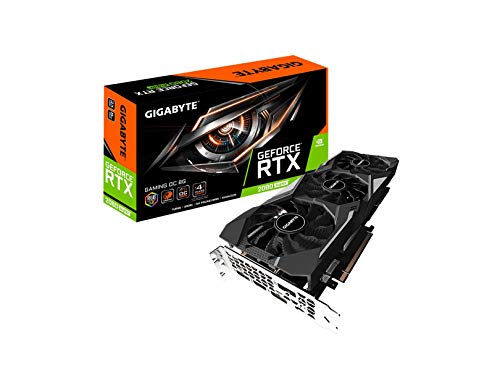
GIGABYTE GeForce RTX 2080 Super Windforce 8G

MSI Gaming RTX 5060 Ti 16G Shadow 2X OC

GIGABYTE GeForce RTX 2070 Windforce 8G

Sapphire Nitro+ Radeon RX 5700 XT 8GB GDDR6 Special Edition

GIGABYTE GeForce RTX 2070 Super Gaming OC White 8G
What Each Pick Brings To The Table
For most people building an eGPU right now, the Sapphire Pulse RX 9060 XT 16GB hits a sweet spot that older Turing cards like the ZOTAC GTX 1660 Ti can’t touch. Built on AMD’s RDNA 4 architecture, it pairs 16GB of GDDR6 with a 128-bit memory interface, so texture-heavy modern games don’t choke on the frame buffer. The dual-HDMI plus DisplayPort layout covers multi-monitor desk setups without needing adapters, and Sapphire’s Pulse cooler is known for staying quiet under load.
Pair this with a Thunderbolt 3 or 4 enclosure and you’ve got a credible 1440p eGPU for gaming, especially in titles that lean on AMD’s upscaling stack. If you’re stepping up from an RX 580-era build like the Sapphire Pulse card further down this list, the jump in efficiency and ray-tracing capability is dramatic.
Positive Points
- 16GB VRAM gives plenty of headroom for modern texture packs at 1440p
- RDNA 4 architecture brings better efficiency than the older Polaris-based RX 580
- 2x HDMI plus 1x DisplayPort covers mixed monitor arrangements out of the box
- 128-bit GDDR6 interface keeps bandwidth respectable for an eGPU enclosure
- Sapphire’s Pulse line is widely reported to run quiet under sustained gaming loads
Things To Consider
- Enclosure bandwidth (Thunderbolt 3 at roughly 40 Gbps) will still throttle raw GPU performance compared to a desktop PCIe slot
- You’ll need a host laptop or mini PC with Thunderbolt 3, 4, or USB4 to actually dock this card
Key Specs
Built With In Mind
Builders putting together a forward-looking 1440p eGPU enclosure with a Thunderbolt 4 host machine and a recent AMD-friendly driver stack.
Consider Something Else When
Shoppers on a tighter budget who mostly play 1080p esports titles should look at the ZOTAC GTX 1660 Ti instead, since it costs less and still handles that resolution comfortably.
The ZOTAC GTX 1660 Ti earns its “Super Compact” name honestly. Its short PCB makes it a natural fit for smaller eGPU enclosures where longer triple-fan cards simply don’t seat, and the Turing architecture (NVIDIA’s generation that introduced dedicated ray-tracing cores on higher-tier cards and improved shading efficiency across the board) still handles 1080p gaming without complaint.
With 6GB of GDDR6 across a 192-bit bus, this card sits in a comfortable spot for esports and older AAA titles. It won’t push the same pixel counts as the Sapphire Nitro+ RX 5700 XT covered later, but it does the job in tighter thermal envelopes where the larger cards run too hot.
The Good Stuff
- Short PCB design drops into compact enclosures that won’t accept longer cards
- 192-bit GDDR6 memory bus gives solid bandwidth for 1080p workloads
- Lower power draw means smaller PSU requirements in your enclosure
Points To Note
- 6GB VRAM is starting to feel tight in newer texture-heavy releases
- No dedicated ray-tracing cores, so RT effects in supported games will be limited
- Commonly reported: the small fan profile spins up noticeably under load
Right Fit For
1080p-focused gamers running a compact eGPU enclosure who play more competitive or older titles than cutting-edge AAA releases.
A Better Fit Elsewhere
Anyone wanting ray tracing or longer card headroom should look at the GIGABYTE RTX 2070 Super Gaming OC White further down this list for similar money.
The Sapphire Pulse RX 580 8GB is the kind of card that keeps showing up in secondhand eGPU builds, and for good reason. It covers the basics: 8GB of GDDR5, dual HDMI plus DVI-D plus dual DisplayPort, and a metal backplate that helps the card stay rigid in an enclosure’s PCIe riser.
For a budget-constrained eGPU setup aimed at 1080p gaming, it remains a credible choice, though the Polaris architecture (AMD’s older GPU design) is showing its age in newer titles. Compare it to the ZOTAC GTX 1660 Ti above, and the 1660 Ti is generally more efficient, but the RX 580 still offers more raw VRAM for the money in many cases.
Points In Its Favor
- 8GB VRAM is generous for budget-tier positioning
- Five total outputs support legacy DVI monitors alongside modern HDMI and DisplayPort
- Backplate adds rigidity for vertical PCIe riser mounting in enclosures
Room For Improvement
- Higher power draw than newer cards, so your enclosure PSU needs to be sized accordingly
- GDDR5 is slower than the GDDR6 found on the ZOTAC card above
- Commonly reported: drivers can require extra configuration for the cleanest eGPU handshakes
Best Suited To
First-time eGPU builders on a tight budget who want a forgiving 8GB frame buffer for 1080p gaming without overspending.
Look Elsewhere When
Anyone prioritizing power efficiency or a quieter-running enclosure should look at the ZOTAC GTX 1660 Ti above, which draws less wattage for similar 1080p results.
ASUS takes the RX 580 formula and dresses it up in the ROG Strix treatment, with Aura Sync RGB lighting, MaxContact GPU cooling, and FanConnect II headers for system-level fan control. The O8G variant carries a 1380 MHz boost clock in OC mode, which is a noticeable bump over reference designs.
Stepping up from the Sapphire Pulse RX 580 above, the Strix version trades a small premium for better thermals and aesthetic touches, a worthwhile swap if your eGPU enclosure has a window or visible shroud.
Benefits That Matter
- MaxContact technology improves the GPU-to-cooler thermal transfer surface
- Aura Sync RGB integrates with broader ASUS ecosystem builds
- Factory OC gives a small but useful clock speed advantage out of the box
Honest Caveats
- Longer PCB may not fit every compact eGPU chassis
- Costs more than the Sapphire Pulse RX 580 for similar raw gaming performance
Who Will Love This
Builders who want a premium-feeling card inside a showcase eGPU enclosure where the RGB and build quality are visible.
Skip It When
Pure value hunters should pick the Sapphire Pulse RX 580 instead and pocket the difference, since the underlying performance is very close.
For shoppers chasing high-refresh 1440p or solid 4K output from an eGPU enclosure, the GIGABYTE RTX 2080 Super Windforce is one of the more capable Turing cards in this lineup. It carries 8GB of GDDR6 across a 256-bit bus, real-time ray tracing support, and GIGABYTE’s triple-fan Windforce cooler with alternate spinning fans to reduce turbulence noise.
The display output layout (1x HDMI, 3x DisplayPort, 1x USB Type-C) is generous, which matters when an enclosure routes video out to multiple monitors. Compared to the Sapphire Pulse RX 9060 XT covered first, this card trades newer architecture for proven ray-tracing maturity and CUDA-accelerated software support.
What Earns Its Place
- 256-bit GDDR6 interface pushes serious bandwidth for high-resolution textures
- Real-time ray tracing support for games that lean on RT effects
- Triple-fan Windforce cooling helps with the heat an eGPU enclosure struggles to vent
Small Caveats
- Large triple-fan design needs a full-sized eGPU enclosure with good airflow
- Turing is now a generation behind the Blackwell architecture in the MSI card further down
Key Specs
Perfect Match For
Gamers running a 1440p or 4K display who want ray-tracing capability and CUDA-accelerated software support out of their eGPU.
Another Choice May Suit
Builders chasing newer DLSS and frame-generation features should consider the MSI RTX 5060 Ti Shadow 2X OC, which runs the latest Blackwell architecture.
The MSI RTX 5060 Ti 16G Shadow 2X OC is the most future-facing pick in this roundup. It runs NVIDIA’s Blackwell architecture (the generation that introduced enhanced AI-driven upscaling and frame generation) paired with 16GB of GDDR7, which is a step up in bandwidth efficiency over the GDDR6 found on most of the other cards here.
DLSS 4 support, SFF-ready enthusiast positioning, and TORX Fan 5.0 blades all point to a card designed for builders who want the latest feature stack. The triple DisplayPort 2.1a plus HDMI 2.1b layout also covers high-refresh 4K monitor setups cleanly.
Noteworthy Benefits
- 16GB GDDR7 gives more bandwidth headroom than the GDDR6 on the GIGABYTE RTX 2080 Super
- Blackwell architecture supports DLSS 4 for AI-driven frame generation
- DisplayPort 2.1a outputs handle high-refresh 4K without compromise
Worth Noting
- Newer architecture means driver maturity may take time to settle across all eGPU host setups
- You’ll want a Thunderbolt 4 or USB4 host to fully exploit the bandwidth this card can push
Key Specs
Who Should Grab It
Tech-forward eGPU builders with Thunderbolt 4 or USB4 hosts who want the latest DLSS features and a multi-year feature runway.
Reach For A Different Pick When
Anyone staying on an older Thunderbolt 3 host will see more usable value from the GIGABYTE RTX 2080 Super covered above, since the bandwidth ceiling is the actual bottleneck.
Slotted between the 2080 Super and the 1660 Ti, the GIGABYTE RTX 2070 Windforce 8G targets the middle of the eGPU pack. It runs 8GB of GDDR6 across a 256-bit bus, brings real-time ray tracing to the table, and uses a two-fan Windforce cooler that fits enclosures where the larger triple-fan cards feel cramped.
Compared to the white-themed RTX 2070 Super covered later, this is the more reserved sibling: same generation, slightly trimmed clock speeds, and a darker shroud. For shoppers who don’t need the visual flash, the practical appeal is real.
Notable Gains
- 256-bit memory bus gives strong bandwidth for 1440p texture streaming
- Two-fan design fits in slimmer enclosures than triple-fan cards
- Ray-tracing support is a meaningful upgrade over the RX 580 generation
Points To Keep In Mind
- Clock speeds trail the Super variants, so head-to-head frame rates are lower
- Commonly reported: the two-fan profile runs warmer than the larger Windforce 3X designs under sustained load
The Right Fit
Builders with mid-sized eGPU enclosures who want ray-tracing capability without paying the Super premium.
Where A Sibling Pick Shines
Anyone with room for a longer card and a taste for white-themed builds should consider the GIGABYTE RTX 2070 Super Gaming OC White further down this list.
The Sapphire Nitro+ RX 5700 XT Special Edition sits in a comfortable mid-range spot. Built on AMD’s RDNA architecture with 8GB of GDDR6 and PCIe 4.0 support, it pushes solid 1440p frame rates in modern titles. Sapphire’s Tri-X cooling solution, addressable RGB fans, and black diamond chokes give this card a premium feel that punches above its tier.
Dual HDMI and dual DisplayPort outputs cover a four-monitor desk comfortably. Compared to the GIGABYTE RTX 2070 Windforce above, the trade-off is real-time ray tracing (which the 5700 XT lacks) in exchange for higher raw rasterization throughput at 1440p.
Strengths Worth Knowing
- Tri-X cooling with three fans and addressable RGB keeps thermals under control
- PCIe 4.0 interface offers more headroom for host systems that support it
- Strong 1440p rasterization performance in modern games
Trade-Offs To Consider
- No dedicated ray-tracing cores, so RT-heavy games are a weaker fit
- Larger triple-fan shroud demands a full-sized eGPU enclosure
- Commonly reported: VRM and memory can run hot without proper enclosure airflow
Key Specs
Whose Shelf It Belongs On
Mid-range eGPU users who prioritize 1440p frame rates in rasterization-heavy games over ray-tracing features.
Swap It Out When
Builders who care about ray tracing should pivot to the Sapphire Pulse RX 9060 XT covered first, which adds RT support with newer architecture.
The white-shrouded GIGABYTE RTX 2070 Super Gaming OC stands out in a category where most cards wear black or gray. It keeps the practical bits of the regular Gaming OC line: 8GB of GDDR6, a 256-bit bus, triple Windforce fans with alternate spinning, and a 1815 MHz core clock.
It performs essentially identically to the standard RTX 2070 Super, so the case for picking it comes down to aesthetics. For themed white builds, a windowed eGPU enclosure, or a desk setup that photographs well, the white shroud earns its premium.
Bright Spots
- White finish stands out in a sea of black and gray cards
- Triple-fan Windforce design keeps noise reasonable under load
- Factory OC gives a small clock speed advantage over reference
Worth Bearing In Mind
- Costs more than the standard-shrouded RTX 2070 Super for the same underlying performance
- Longer PCB may not fit compact enclosures
Made For
Builders running a themed or showcase eGPU enclosure where the card’s appearance is part of the appeal.
Not Your Match When
Value-driven shoppers should look at the GIGABYTE RTX 2070 Windforce covered earlier, which delivers similar performance in a more affordable package.
What To Weigh Before Choosing An EGPU Card
An eGPU setup lives or dies on three things: the host connection, the enclosure’s power budget, and the card you put inside. Thunderbolt 3 (and later 4 and USB4) carries around 40 Gbps of real-world bandwidth, and a faster card doesn’t help if that pipe is saturated. Match the GPU to the connection you have.
Card size matters more than raw spec sheets suggest. Triple-fan cards like the GIGABYTE RTX 2080 Super or Sapphire Nitro+ RX 5700 XT need full-sized enclosures, while the ZOTAC GTX 1660 Ti’s short PCB drops into compact shells. Power draw is the third pillar. An older RX 580 pulls more wattage than a modern RX 9060 XT, so enclosure PSU sizing is a real consideration.
Resolution and refresh rate should drive the choice. 1080p esports play is comfortable territory for the ZOTAC or Sapphire RX 580. 1440p with ray tracing pushes toward the RTX 2070 Super tier and above. If your monitor is a high-refresh 4K panel, the MSI RTX 5060 Ti with DisplayPort 2.1a is the right call.
Driver and host compatibility round out the picture. Some host laptop chipsets (older Thunderbolt 3 implementations) choke on certain cards, and eGPU handshakes can require manual tinkering. Picking a card with widely reported eGPU success saves a weekend of troubleshooting.
Picking Considerations That Come Up Often
Where Shoppers Go Wrong
The most common eGPU mistake is overbuying a card that the Thunderbolt 3 bus can’t feed. Dropping top-tier money on a flagship GPU and then routing it through 40 Gbps leaves real performance on the table. Match the card tier to the connection tier.
Another pitfall is ignoring the enclosure’s PSU. A card like the Sapphire Nitro+ RX 5700 XT needs a robust power supply inside the enclosure, and undersizing it can cause shutdowns under load. Check the enclosure’s rated wattage and the card’s power draw before committing.
When Paying More Pays Off
Stepping up from a 1080p-focused card to a 1440p ray-tracing card brings meaningful gains: more VRAM, wider memory buses, dedicated RT cores. The MSI RTX 5060 Ti and Sapphire Pulse RX 9060 XT earn their premium by extending the useful life of the build and supporting newer display standards like DisplayPort 2.1a.
For shoppers who upgrade GPUs every few years, the premium tier often pays itself back in longevity. For shoppers on a fixed budget, the mid-range picks like the Sapphire Nitro+ RX 5700 XT deliver more frame rate per dollar.
Frequently Asked Questions
Can any of these cards run modern games through an eGPU enclosure?
Yes, though performance depends on the host connection. The Sapphire Pulse RX 9060 XT and MSI RTX 5060 Ti handle modern 1440p gaming well, while older cards like the Sapphire Pulse RX 580 are best suited to 1080p and esports titles.
Do I need Thunderbolt 4 to use these cards?
Thunderbolt 3 works for most cards, but Thunderbolt 4 or USB4 is recommended for higher-bandwidth cards like the MSI RTX 5060 Ti. Older USB-C ports without Thunderbolt certification generally won’t carry a PCIe signal.
Will the RX 580 still hold up for 1080p gaming?
For 1080p esports and older AAA titles, the Sapphire Pulse RX 580 remains usable. Newer demanding games with high-resolution texture packs will push its 8GB GDDR5 frame buffer, though. The ZOTAC GTX 1660 Ti is a more efficient modern alternative for the same resolution target.
Is ray tracing worth prioritizing in an eGPU?
Ray tracing adds meaningful visual fidelity in supported games, but the performance cost is significant at the bandwidth-limited eGPU tier. If you play many RT-enabled titles, the MSI RTX 5060 Ti or GIGABYTE RTX 2080 Super are better fits than the RX 580 or ZOTAC GTX 1660 Ti.
How important is the enclosure’s power supply?
Very important. Cards like the Sapphire Nitro+ RX 5700 XT and GIGABYTE RTX 2080 Super pull meaningful wattage under load, and an undersized enclosure PSU can cause crashes or thermal throttling. Always check the enclosure’s PSU rating against the card’s draw before buying.
Closing Remarks
The right eGPU card comes down to your host connection, your monitor, and the games you actually play. Pair a modern card with Thunderbolt 4, and the MSI RTX 5060 Ti or Sapphire Pulse RX 9060 XT stretch the most out of the setup. Match the card tier to your real resolution target, and the rest takes care of itself.


