


10 Best Corded Gaming Mouses for 2026: Wired Precision That Still Wins
A corded gaming mouse keeps you in the fight without battery anxiety, dropped connections, or added weight pulling your aim off-target. You get instant response, a lighter chassis, and a stable connection that never blanks out mid-clutch.
The picks below mix proven flagships, ultralight speed demons, and budget-friendly workhorses, so anyone from a casual weekend player to a serious ranked grinder can find a comfortable match. A short buying guide breaks down sensor specs, weight, and switch feel so you know exactly what you’re shopping for.
The Picks In Brief

Razer Firefly Hard V2 RGB Gaming Mousepad

SOLAKAKA SM900 Gaming Mouse (White)

Razer Mamba Elite Wired Gaming Mouse
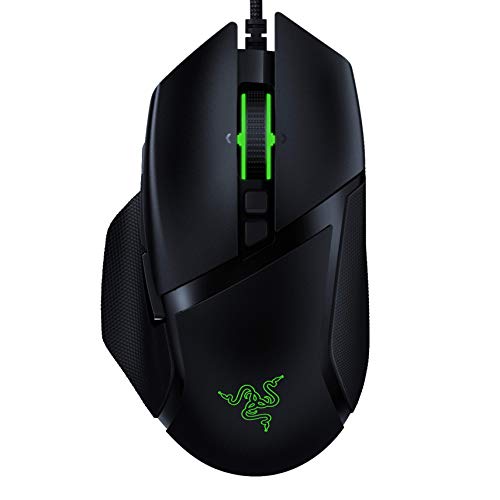
Razer Basilisk v2 Wired Gaming Mouse

SOLAKAKA SM900 Green Honeycomb Mouse

Glorious Model O Wired Gaming Mouse

Redragon M612 Wireless Gaming Mouse

SOLAKAKA SM900 Honeycomb Mouse (Black)
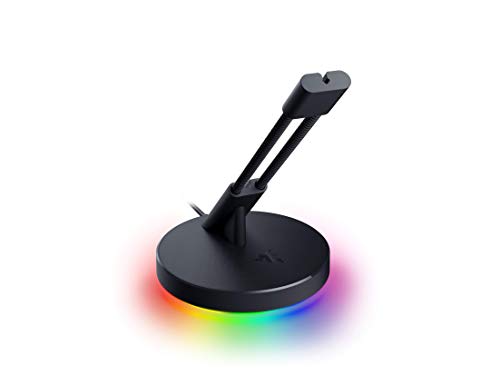
Razer Mouse Bungee V3 Chroma

Razer Viper Mini Ultralight Mouse
Inside Each Recommended Option
The Firefly Hard V2 is less of a mouse and more of the foundation underneath one, which is why it earns the opening slot. Its 15.2 by 12 inch hard surface gives any of the sensors on this list a clean, predictable reading area, and the micro-textured finish works just as well for slow tracking as it does for fast flicks.
Where it stands apart is the underglow: 16.8 million colors, Razer Chroma integration, and syncing with Philips Hue plus 30+ partner ecosystems. You don’t just get a mousepad; you get the centerpiece of a battlestation that reacts to your games, your keyboard, and your kill feed. For anyone already invested in a Razer setup, this pad ties the room together.
Useful Strengths
- Hard polymer surface tuned for both speed and control, so it adapts to twitch shooters and methodical RTS play without swapping pads.
- Chroma RGB underglow brings 16.8 million colors that sync with compatible keyboards, headsets, and smart lighting, adding ambient feedback during long sessions.
- Low-profile chassis keeps the wrist angle flat, which most users find easier on the joints during marathon nights.
- Surface calibration across all major sensor types means whatever mouse you pair it with later, tracking stays consistent.
Trade Offs
- Hard plastic shows fingerprints and smudges quickly, so expect to wipe it down regularly with a microfiber cloth.
- Lacks a wireless charging spot or pass-through USB, which some premium pads now offer.
- Full Chroma experience requires a Razer Synapse install, which adds software overhead for non-Razer households.
Right Fit For
You already own Razer peripherals and want a matching surface that ties your lighting and tracking into a single, cohesive setup.
Consider Something Else When
The Razer Basilisk v2 is the better choice if you want a complete mouse-and-surface pairing and care more about sensor performance than desk lighting.
The white SOLAKAKA SM900 makes sense for a first-time gamer who isn’t ready to spend on a flagship but still wants adjustable DPI (dots per inch, the unit that controls how far the cursor moves per inch of physical movement) and side buttons. Six DPI steps climb up to 12800, which is far more headroom than most casual players will ever need.
Four onboard modes (one office, three gaming) let you flip between spreadsheets and shooters without reconfiguring the software each time. RGB lighting runs across the shell and scroll wheel, and the white finish keeps it visible in a dim room. Compared to the heavier Razers above it, this one trades premium build feel for honest everyday performance at a low cost.
Where It Excels
- Six-step DPI range up to 12800 covers precision aiming in a strategy game and fast swipes in a shooter without swapping hardware.
- Side buttons add thumb shortcuts for push-to-talk, weapon swaps, or browser back and forward, which doubles the mouse’s usefulness outside gaming.
- Plug-and-play USB on Windows laptops and PCs means zero driver setup just to start clicking around.
- Light shell feels comfortable for claw and fingertip grippers during shorter sessions.
Worth Noting
- Plastic body and lighter construction tend to feel hollow compared to the Razer Mamba Elite and Glorious Model O.
- Macro software is required to unlock the three gaming modes, so out of the box you only get the default office profile.
- Solid shell traps heat, which may bother hot-handed players more than the honeycomb SOLAKAKA models.
Best Suited To
You’re building a first gaming setup, sharing the mouse with productivity apps, and want genuine DPI flexibility without paying flagship prices.
Skip It When
The SOLAKAKA SM900 Green honeycomb version is a smarter pick if you run long sessions and your palms tend to sweat through solid plastic.
The Mamba Elite sits in that comfortable middle of Razer’s wired lineup: more capable than the entry-level Basilisk, less specialized than the ultralight Viper. The 16000 DPI optical sensor handles 4K displays without breaking a sweat, and mechanical switches rated for 50 million clicks give the buttons a defined, tactile snap that most MMO players look for.
Nine programmable buttons are enough to bind a full action bar in an MMO or a build rotation in a MOBA, and the extended Chroma lighting zones along the sides turn the mouse into part of your desk’s light show. Onboard memory stores up to five profiles, so you can take your config to a friend’s rig or a LAN party. If the Firefly pad in slot one is the foundation, this is the dependable workhorse that lives on top of it.
Useful Highlights
- 16,000 DPI optical sensor gives you room to crank sensitivity on a 4K monitor without losing the precision needed for low-DPI sniper work.
- Mechanical switches rated to 50 million clicks translate to years of daily clicking before the buttons even start to soften.
- Nine programmable buttons plus Synapse 3 customization let you build a full MMO action bar or a creative app shortcut layer.
- Onboard memory for five profiles means you can bring your setup to a tournament PC without re-installing anything.
Points To Note
- Heavier than the Glorious Model O or Viper Mini, so flick-heavy FPS players may want something lighter for tournament play.
- Full button remapping requires Razer Synapse, which only runs on Windows and macOS.
- Right-handed ergonomic shape won’t suit left-handed users the way the ambidextrous Viper Mini would.
Who It Suits Best
You play a mix of MOBAs, MMOs, and shooters, want one mouse that handles all of them well, and don’t mind a slightly fuller grip.
Look Elsewhere When
The Razer Viper Mini is a better fit if you have smaller hands or you mainly play twitch shooters where weight matters more than button count.
The Basilisk v2 is Razer’s answer to anyone who treats a mouse like a precision tool. Its Focus Plus 20,000 DPI optical sensor tracks movement at the limits of human reaction time, and the optical switches register clicks via a light beam rather than a physical contact, which removes the debounce delay (the tiny pause a switch forces to filter out accidental double-clicks) that holds back older mechanical designs.
Eleven programmable buttons include a customizable scroll wheel resistance dial, a quiet favorite among MMO players who want clicks that don’t echo through voice chat. The Speedflex cable stays flexible enough that you could skip a bungee, and Chroma RGB ties the look into the Firefly pad from slot one. The trade-off is weight: this is a fuller, more planted mouse than the Mamba Elite, so flick-heavy players will want to handle one first.
Positive Takeaways
- Optical switches register presses at the speed of light, which removes input lag (the tiny delay between your click and the action landing on screen) on the most-used buttons and outlasts traditional mechanical switches by a wide margin.
- Eleven programmable buttons and a resistance-tunable scroll wheel let you tailor the mouse to deep MMO macros or detailed creative software.
- Speedflex cable reduces drag without needing a separate bungee, so your desk stays uncluttered.
- On-the-fly DPI cycling through dedicated buttons makes sensitivity shifts mid-game fast and intuitive.
Trade Offs
- Heavier than the Glorious Model O, so it tires the wrist faster in long FPS sessions.
- Right-handed shape with a thumb rest won’t suit left-hand users or those with a strict fingertip grip.
- Full customization depends on Razer Synapse, which doesn’t run on Linux or ChromeOS.
Made For
MMO and MOBA players who bind dozens of actions, value click precision over weight, and want a single mouse that doubles as a creative tool.
Reach For A Different Pick When
The Glorious Model O is the smarter choice if you primarily play FPS titles and want the lightest, fastest glide possible.
The green SM900 leans into the honeycomb shell trend that Glorious pioneered, dropping weight while letting airflow through the chassis. Seven programmable buttons and the same 12800 DPI range as the white SM900 make it a step up in features without stepping into flagship territory.
The ABS plastic shell (a common, lightweight thermoplastic used in most budget peripherals) is perforated for breathability, which means hot-handed players stop feeling like they’re gripping a warm brick by round three. The 14-mode RGB lighting runs along the cutouts, so the mouse glows from the inside out. For new gamers who want ultralight comfort without paying for a name-brand chassis, this is the easy entry.
A Few Highlights
- Honeycomb ABS shell keeps the mouse cool and light, which most users find easier on the hand during long sessions.
- Seven programmable buttons offer a noticeable step up from the white SM900 for binding quick actions or app shortcuts.
- 14-mode RGB lighting adds visual personality that punches above the price bracket.
- Plug-and-play on Windows, macOS, and most Linux distros makes it a hassle-free addition to mixed-OS households.
Honest Caveats
- Honeycomb cutouts collect dust and skin flakes, so the shell needs an occasional blast of compressed air to stay clean.
- Sensor and switch quality don’t match the Razer or Glorious models at this tier, so competitive players may notice the difference.
- Macro software is required to unlock the three gaming modes beyond the default office profile.
Perfect Match For
You’re a beginner or casual player who runs warm hands, plays a mix of genres, and wants ultralight comfort without spending on a flagship brand.
Swap It Out When
The Glorious Model O is the better long-term investment if you want proven sensor performance, a more durable build, and a wider community of compatible accessories.
The Glorious Model O is the mouse that pulled the ultralight trend out of the niche and into the mainstream. At 67 grams with a perforated honeycomb shell, it feels closer to holding a feather than a peripheral, and the Pixart 3360 sensor has been a community favorite for years because it tracks cleanly across a wide range of DPI settings.
The Ascended paracord cable (a soft, woven cable designed to feel nearly weightless against the desk) is light enough that you might not need a bungee, and the ambidextrous shape works for both right and left-hand users. Omron switches inside the buttons are rated for tens of millions of clicks. Compared to the heavier Razer flagships above it, the Model O trades weight and pure speed for fewer programmable inputs.
Useful Touches
- 67-gram ultralight body is comfortable to flick for hours without wrist fatigue, which most users find a real advantage in long ranked sessions.
- Pixart 3360 sensor delivers consistent tracking at any DPI, so your aim stays predictable across different games and surfaces.
- Ambidextrous shape suits both right and left-hand users, which is rare in this weight class.
- Ascended paracord cable reduces drag and stays flexible, so the mouse glides as if it were wireless.
Practical Considerations
- Honeycomb shell collects dust and debris; the cutouts need periodic cleaning with a soft brush or compressed air.
- Fewer programmable buttons than the Razer Mamba Elite or Basilisk v2, so MMO players may want something with more inputs.
- Matte white finish shows scuffs and discoloration over time, especially along the grip zones.
Who Should Grab It
You main FPS shooters, prefer claw or fingertip grip, and want a featherlight mouse that doesn’t fight your flicks.
A Better Fit Elsewhere
The Razer Basilisk v2 is the smarter pick if you need more programmable buttons for MMO macros and don’t mind a heavier chassis.
The Redragon M612 is the odd one out in a wired roundup, but its USB cable works just as well as a wired connection and it offers triple-mode flexibility when you need it. Five onboard DPI levels (500, 1000, 2000, 3000, 8000) cover the practical range most users actually use, and remappable keys let you bind commands without digging through software every time.
The optical sensor tracks reliably for casual play, and the RGB underglow adds personality without screaming. For a household that hops between a gaming PC, a laptop, and a tablet, the ability to switch between Bluetooth, 2.4 GHz wireless, and wired USB means one mouse covers every device. Compared to the dedicated wired flagships above, this is the versatile all-rounder.
Practical Advantages
- Three connection modes (Bluetooth, 2.4 GHz, USB cable) let one mouse serve a desktop, a laptop, and a tablet without re-pairing each time.
- Remappable buttons adapt to FPS loadouts, MMO hotbars, or office shortcuts depending on the day.
- Five DPI presets cover the sensitivity range most players actually need, from slow sniper holds to fast flick work.
- RGB lighting cycles through effects to add visual interest without requiring a software install to change.
Less Ideal Details
- Wireless modes introduce slight input lag compared to the pure wired picks above, so tournament-level FPS players may notice the difference.
- Heavier than the ultralight Glorious Model O and the Razer Viper Mini due to the wireless hardware and battery.
- Software ecosystem is more limited than Razer Synapse, so deep macro work can feel constrained.
Whose Shelf It Belongs On
You split time between a gaming PC, a laptop, and casual couch sessions, and want one mouse that flexes to every device on the desk.
Not Your Match When
The Razer Mamba Elite is the better wired flagship if you play competitive shooters and want zero-latency input without managing batteries.
The black SM900 honeycomb is the version most people probably end up living with. Same 12800 DPI range and four-mode switch as the green variant, but in a finish that hides scuffs, sweat marks, and the dust that inevitably builds up in the perforations. It’s a comfortable middle ground between the entry-level white SM900 and a flagship.
The 3-sided honeycomb shell keeps the mouse light and breathable, and the ABS plastic construction means the chassis can take a few desk-edge bumps without cracking. RGB lighting runs along the cutouts, giving the mouse a soft glow in low light. For a hybrid work-and-play setup, this is the one that disappears into the routine rather than demanding attention.
The Helpful Details
- Honeycomb ABS shell keeps weight down and airflow up, which makes long work-and-play days easier on the wrist.
- Black finish hides fingerprints and minor scuffs better than the white SM900.
- Four onboard modes let you flip between work apps and games without reconfiguring the software each session.
- Cross-platform support covers Windows, macOS, and most Linux distributions for mixed-OS homes.
Worth Bearing In Mind
- Honeycomb cutouts need occasional cleaning to keep dust and skin flakes from building up in the vents.
- Sensor and switch quality don’t match the Razer or Glorious models, so most competitive players will want to look up the tier.
- Macro software must be installed to access the three gaming modes beyond the default office profile.
Built With In Mind
You want one mouse that handles email in the morning, a strategy game at lunch, and a shooter in the evening without swapping hardware or reconfiguring profiles.
Where Another Pick Suits Better
The Glorious Model O is the better long-term bet if you want a stronger sensor, a more proven chassis, and a wider community of compatible accessories.
The Mouse Bungee V3 Chroma is the only non-mouse in the lineup, and it earns its slot honestly. Wired mice still face one universal friction: the cable catches on the desk edge, snags on a monitor stand, or drags across the pad. An adjustable spring arm holds the cable in a consistent arc so the mouse glides as if it were wireless.
The weighted base stays planted during aggressive flicks, and the Chroma lighting ties the bungee into a Razer battlestation alongside the Firefly pad. For anyone who already owns a wired mouse they love but wants to fix the drag, this is the smallest upgrade that makes the biggest day-to-day difference.
Bright Spots
- Adjustable spring arm keeps the cable elevated at a consistent angle, so your mouse glides freely without snagging on the desk edge.
- Weighted base stays put during aggressive flicks, which most users appreciate when their aim gets intense.
- Chroma RGB lighting ties into a Razer ecosystem for a unified desk look.
- Works with any wired mouse on the market, so it’s not a Razer-only investment.
Some Limits To Know
- Takes up a small footprint on the desk next to your mousepad, which matters in tight setups.
- Doesn’t include extra USB ports or pass-through charging, so it stays a single-purpose accessory.
- Full Chroma integration still depends on Razer Synapse running in the background.
The Right Fit
You already own a wired mouse you like but the cable keeps catching on the desk, monitor stand, or pad edge during play.
Where A Sibling Pick Shines
The Razer Mamba Elite is the better choice if you’d rather replace the mouse entirely with one whose Speedflex cable already minimizes drag on its own.
The Viper Mini closes the list by proving that small can still mean serious. At 61 grams and 10 percent smaller than the standard Viper, it fits small and medium hands without forcing a claw grip, and the ambidextrous shape works for left and right-hand users alike. Optical switches keep the clicks crisp, and the 8500 DPI sensor is plenty for the 1080p and 1440p displays most gamers still use.
Six programmable buttons cover a basic FPS loadout or a creative shortcut layer, and the Chroma underglow adds a soft glow underneath the mouse without distracting from the screen. The Speedflex cable stays out of the way, so the Viper Mini glides almost like a wireless mouse. For laptop gamers, students, and anyone with limited desk space, this is the most accommodating option in the lineup.
A Favorable Mix
- 61-gram chassis is one of the lightest in its class, which most users find comfortable for hours of small, controlled flicks.
- Ambidextrous shape works equally well for left and right-hand users, which is rare in this weight class.
- Optical switches register clicks faster than traditional mechanical designs, giving you a small edge in fast-paced games.
- Speedflex cable reduces drag so the mouse moves cleanly across the pad without needing a bungee.
Small Caveats
- Compact body won’t suit large hands using a palm grip, where the standard Viper or Basilisk v2 fit better.
- Fewer buttons than the Mamba Elite or Basilisk v2, so MMO players will want more inputs.
- 8500 DPI ceiling is fine for most monitors but limits headroom on 4K setups where higher DPI helps.
Who Will Love This
You’re a laptop gamer, a student, or anyone with small to medium hands who wants a featherlight mouse that disappears in a bag.
Not Your Match When
The Glorious Model O is the better pick if you have larger hands, prefer a slightly bigger footprint, and want a proven sensor with a long community track record.
What To Weigh Before Choosing A Corded Gaming Mouse
The first thing to settle is grip style, because the same mouse feels completely different in a palm grip versus a fingertip or claw grip. Palm grippers usually want a longer, fuller body like the Razer Basilisk v2 or Mamba Elite. Claw and fingertip players tend to gravitate toward shorter, lighter shells like the Glorious Model O or the Razer Viper Mini.
Sensor quality matters more than headline DPI numbers, since most people play at 400 to 1600 DPI regardless of how high the maximum climbs. A clean Pixart 3360 or Focus Plus 20K sensor tracks consistently at any sensitivity, which is what actually improves aim. Switches also deserve attention: optical switches register faster and last longer than traditional mechanical designs, though both work well for casual play.
Cable drag is the everyday annoyance that most new owners underestimate. A paracord or Speedflex cable, plus a bungee if you want to be thorough, makes a wired mouse feel almost wireless. Weight is the other factor that sneaks up on you, since a 61-gram mouse and a 100-gram mouse feel like different categories after a three-hour session.
Key Considerations Across These Picks
Pitfalls Shoppers Hit
The most common mistake is chasing the highest DPI number, since most players use a fraction of the maximum and the ceiling rarely changes real-world feel. Another trap is ignoring grip style and ordering a mouse based on reviews alone, then discovering the shape fights your hand after a week.
Buying a heavy flagship for FPS play is a third pitfall, because flick-heavy shooters punish extra grams faster than a casual player will notice. A quick way to avoid all three is to test a shape in a store if possible, or to start with a budget option and upgrade only after you know what your hand prefers.
Where The Extra Money Goes
The jump from a budget pick to a flagship pays for a better sensor, optical switches rated for tens of millions of clicks, lighter chassis materials, and tighter software for custom profiles. A premium mouse also tends to use higher-quality plastics that resist the shine and creak that show up on cheaper shells after a year of use.
Whether that upgrade is worth it depends on how often you play. Casual weekend gamers can save with the SOLAKAKA models and never feel shortchanged. Daily ranked players and creative pros who use their mouse for ten hours a day will feel the difference in switches, weight, and tracking within the first session.
Frequently Asked Questions
Do Wired Gaming Mice Outperform Wireless?
For most players today, the difference is small. Wired mice skip battery weight and the occasional wireless hiccup, so they remain popular for competitive play. The everyday gap is narrower than it used to be.
How Long Do Gaming Mouse Switches Last?
Most modern switches are rated between 20 and 50 million clicks, which works out to years of daily use. Optical switches tend to last longer because there’s no metal contact to wear out.
What DPI Should I Actually Use?
Most FPS players use 400 to 800 DPI on a 1080p monitor and 800 to 1600 on a 1440p display. The exact number is less important than finding a setting that lets you cross the screen in one smooth swipe.
Is Mouse Weight Really That Important?
Yes, especially for FPS flick shots. A 10-gram difference can feel noticeable after a few hours, and ultralight mice under 70 grams have become a popular category for exactly that reason.
Do I Need A Bungee For A Wired Mouse?
Not strictly, but a bungee removes the cable catch that breaks your aim mid-flick. Soft paracord cables have reduced the need, though a bungee still helps in heavy cable setups.
Closing Remarks
The best corded gaming mouse is the one that fits your hand, your genre, and the way you actually play, not the one with the flashiest spec sheet. A casual weekend warrior can save with a SOLAKAKA and never feel held back, while a daily ranked grinder will appreciate the Basilisk v2 or the Mamba Elite. Try a shape in person when you can, and trust how it feels after an hour, not how it looks in a photo.


