


Picking the right internal components is the part of PC building that actually decides how your rig feels three years in. The flashiest GPU means nothing if the power supply sags under load or the fans scream at idle. This roundup focuses on parts that quietly do their job well, from cooling to cabling to the small switches that make a mechanical keyboard feel right during a long raid night.
A Snapshot Of The Selections

AsiaHorse AMICI-5GT RGB PC Fans with Infinity Mirror

Corsair RM650 80 Plus Gold Fully Modular PSU

Kailh Butterfly Blue Linear Pre-Lubed Switches
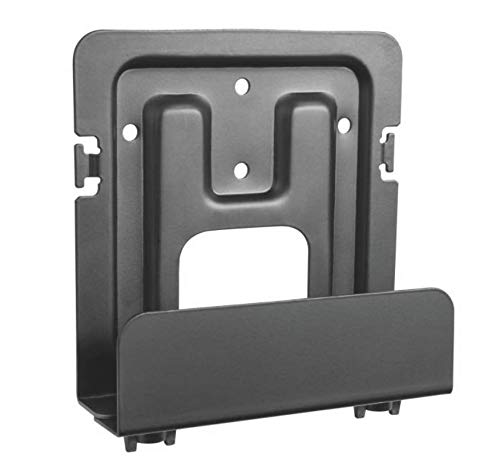
Mount Plus MP-06-02 Adjustable Wall Mount

Mount Plus D-06-03 Super Wide Adjustable Mount

Asiahorse Nyota 120mm ARGB Case Fan
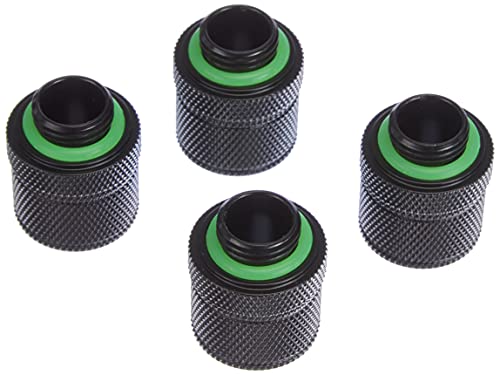
Corsair Hydro X Xf Compression Fittings Four Pack

Mount Plus MP-CPB-2 Wall Mount CPU Holder

Corsair RM650 80 Plus Gold Modular PSU Black
More Details On Our Top Picks
The AsiaHorse AMICI-5GT fans are the kind of component you buy when the inside of your case matters as much as the framerate on screen. Each unit runs an HDB bearing, short for Hydro Dynamic Bearing, which is a self-lubricating design that uses a thin oil film to reduce friction and last longer than a plain sleeve bearing. Speed tops out around 1800 RPM, and the 24 individual LEDs on each fan create a layered infinity-mirror effect that looks deeper than a typical ring of light.
For a tempered-glass build where the interior is part of the furniture, these fans pull double duty as cooling hardware and a centerpiece. The ARGB header plugs into standard motherboard sync, and reverse-blade options help keep the look clean on intake positions.
The Upside
- HDB bearings stay smooth and quiet far longer than entry-level sleeve bearings
- 24 LEDs per fan create a noticeably richer mirror effect than basic RGB
- 1800 RPM ceiling gives solid thermal headroom for mid-range gaming loads
- Motherboard sync compatibility simplifies cable management
- Reverse-blade variants keep the front face of the build visually clean
Things To Consider
- ARGB sync requires a compatible header, so older boards may need a separate hub
- Dust collects on the mirror surface, so a microfiber wipe every few weeks keeps the effect crisp
Feature Snapshot
Best Suited To
Builders who treat the interior of the case as a design statement and want strong airflow without giving up the visual punch.
Look Elsewhere When
Your priority is whisper-quiet operation above all else, in which case the Asiahorse Nyota 120mm fan is a more focused fit.
The Corsair RM650 sits in a sweet spot that most mid-tower gaming builds actually need. 650 watts is enough headroom for a modern GPU and a power-hungry CPU without paying for wattage you will never use, and the 80 Plus Gold rating means less wasted energy as heat. Fully modular cabling means you only plug in the cables your build actually needs, which is a small detail that pays off every time you open the case for a clean-up or upgrade.
The 140mm rifle-bearing fan uses a tuned fan curve to stay near-silent during light tasks, and the 105°C-rated capacitors are the kind of component choice that signals long-term durability. For a single-GPU build, this is the unit most experienced builders quietly recommend.
What Earns Its Place
- 80 Plus Gold efficiency keeps heat and wasted power low under sustained gaming loads
- Industrial-grade 105°C capacitors support years of thermal cycling
- Fully modular cabling makes the first build and future upgrades noticeably tidier
- 140mm rifle-bearing fan with a tuned curve stays quiet during everyday use
Trade Offs
- 650W is plenty for most single-GPU rigs but tight for high-wattage multi-GPU configurations
- Modular cables are an extra cost to replace if one is damaged or extended later
Made For
Mid-range to upper-mid gaming systems running a single modern GPU, where reliability and clean cabling matter more than headline wattage.
Consider Something Else When
Your planned build uses multiple power-hungry GPUs, in which case a higher-wattage tier in the same Corsair family will give you the headroom you need.
The Kailh Butterfly switches are purpose-built for the kind of inputs competitive players rely on, where every millimeter of travel and every gram of force changes the response. A pre-travel of around 1.2mm is short enough that the key registers before your finger has finished its motion, and the 45gf actuation force keeps the press light without feeling accidental. The POM construction on the stem, top, and bottom housings is a polymer known for low friction and a smooth travel feel.
These come pre-lubed, which is the part most keyboard builders spend hours chasing. The 5-pin layout and MX-compatible footprint mean they drop into most hot-swappable boards without modifications.
Where It Helps
- 1.2mm pre-travel gives a measurable edge in fast-paced games
- Factory lubing skips the most tedious part of mechanical keyboard building
- POM housing surfaces produce a smooth, low-friction press
- MX-compatible footprint fits standard hot-swap PCBs
Honest Caveats
- The very short travel is unforgiving for typists who prefer a longer keystroke
- Sold as a 10-pack, so small repairs or experiments require buying in multiples
- Hot-swap compatibility varies by board, so checking your PCB spec prevents a frustrating return
Who Will Love This
Competitive FPS and rhythm-game players who build or refresh a custom keyboard and value trigger speed above typing cushion.
Skip It When
You want a single keyboard for both heavy typing and gaming, in which case a longer-travel linear or tactile switch will feel less tiring across long sessions.
The MP-06-02 is the bracket you grab when your desk is already too full to host a modem, a mini-PC, or a slim console. The adjustable frame accepts devices from 3.5 to 10 inches in length and up to 10 inches in height, which covers a wide spread of common networking and streaming hardware. Drywall screws and anchors come in the box, so installation is essentially a drill, a level, and ten minutes.
Compared to the larger D-06-03 later in this list, the MP-06-02 is the better fit when your gear is on the slimmer side and you do not need the extra depth range.
What Makes Sense
- Adjustable arms handle a useful range of small to mid-size devices
- Wall mounting frees up desk real estate for monitors and accessories
- Included hardware keeps installation to a single trip to the toolbox
- Works for modems, mini-PCs, and slim streaming boxes alike
Points To Keep In Mind
- Drywall anchors are rated for standard walls, so plaster or masonry may need different hardware
- Heavier gaming consoles fall outside the intended size range
Quick Facts
Right Fit For
Anyone running a compact desk where modems, mini-PCs, or streaming boxes are competing for surface area with monitors and peripherals.
Another Choice May Suit
Your hardware is deeper than 67mm, in which case the Mount Plus D-06-03 Super Wide Adjustable Device Wall Mount offers the extra clearance you need.
Where the MP-06-02 is built for slim gear, the D-06-03 handles the deeper, wider boxes that often hide behind a TV or a wide monitor. The depth range stretches from about 2.9 to 4.9 inches, which covers most current-generation consoles, full-size cable boxes, and AV receivers. VESA compatibility at 75×75 and 100×100 patterns means the bracket can mount directly to the back of a compatible display, hiding the gear entirely.
For an entertainment center that has run out of shelf space, this is the bracket that turns a tangle of hardware into a clean, single-screen setup.
Practical Pluses
- 2.9 to 4.9 inch depth range covers modern consoles and AV receivers
- VESA 75×75 and 100×100 mounting lets the gear travel with the display
- Wall-mount option suits setups without a VESA-compatible screen
- Adjustable arms grip irregular shapes that fixed shelves struggle with
Worth Bearing In Mind
- Verify your display’s VESA pattern before assuming a behind-the-screen fit
- Heavier receivers may push the bracket closer to its working limit, so check the rated capacity
Perfect Match For
Living-room gaming setups, AV cabinets, and anyone mounting a console or receiver directly behind a wall-mounted TV.
Swap It Out When
Your hardware is mostly slim modems and streamers, in which case the smaller Mount Plus MP-06-02 Adjustable Wall Mount is a more proportionate choice.
The Nyota 120mm is the fan to reach for when the goal is cooling that disappears into the room. Rated under 29 dB, it sits in the range where most people stop noticing fan noise entirely during normal use. The 800 to 1800 RPM speed control window lets the motherboard ramp the fan up only when thermals demand it, keeping idle and light-task operation genuinely quiet.
For shared rooms, late-night sessions, or any build where the rig sits next to your head, the Nyota delivers cooling without contributing to the room’s background hum.
Notable Gains
- Under 29 dB operation keeps the build quiet enough for shared spaces
- Wide 800-1800 RPM range supports both silent idle and active cooling
- ARGB lighting adds visual appeal without affecting acoustic performance
- 120mm format fits the vast majority of mid-tower cases
Some Limits To Know
- Lower noise ceiling comes with less peak airflow than higher-RPM performance fans
- Like most ARGB fans, the lighting cable needs a compatible header or hub
Feature Card
Who Should Grab It
Builders who care more about a quiet daily-driver experience than headline cooling numbers, and who game or work in the same room as the PC.
Where A Sibling Pick Shines
Your case demands stronger visual impact and you do not mind a slightly more noticeable acoustic profile, in which case the AsiaHorse AMICI-5GT fans deliver the bolder lighting show.
Custom water cooling lives or dies on the quality of its fittings, and Corsair’s Xf compression fittings are designed to match the rest of the Hydro X ecosystem. Sized for 10mm inner-diameter tubing with a 13mm outer diameter (3/8 inch ID and 1/2 inch OD in imperial), they slot into the standard hard-tubing sizes most loop builders already plan around. The four-pack covers a single GPU or CPU block run, or pairs with additional packs for a full loop.
For builders chasing a clean, tool-free compression look that tightens down with a simple hex key, these are a familiar and well-documented choice.
Positive Points
- 10/13mm sizing matches the most common hard-tubing diameters
- Compression design gives a clean finished look without glue or threading
- Four-pack covers a single component or a starting loop section
- Designed to integrate with the wider Hydro X ecosystem
Potential Drawbacks
- Custom loop builds require planning, leak testing, and patience before the system is safe to power on
- Only four fittings per pack, so larger loops need multiple packs and a clear parts list
Built With In Mind
Enthusiasts committing to a full custom water loop who want fittings that match their other Hydro X components and produce a clean hard-tubing aesthetic.
Not Your Match When
You are after simple, reliable air cooling for a standard gaming build, in which case the Asiahorse Nyota 120mm ARGB Case Fan or AMICI-5GT fans will get you the airflow you need without the loop commitment.
The MP-CPB-2 is the bracket that gets a heavy tower off the desk and onto the wall behind it, which is the single biggest space-saver a serious gaming setup can make. The width adjusts from 4.8 to 8.3 inches, which covers most mid-tower cases and a range of UPS units and consoles. Metal construction handles the weight without flex, and a simple tightening system holds the gear firmly once adjusted.
Where a desk stand just rearranges the clutter, a wall mount makes the tower disappear from the working surface entirely, leaving room for your legs, your speakers, or your cat.
The Value In It
- Frees up significant desk and floor space for active use
- 4.8 to 8.3 inch width range covers most mid-tower cases
- Works for towers, UPS units, and supported consoles
- Metal build supports heavier hardware with confidence
Less-Strong Areas
- Wall installation requires locating studs or using anchors rated for the tower weight
- Cable reach to the desk may need extensions once the tower is mounted behind you
Core Details
Whose Shelf It Belongs On
Anyone whose tower currently eats desk space or floor space, and who can locate a stud or use proper anchors to take the weight.
Where Another Pick Suits Better
Your gear is small and slim enough to live behind a TV or monitor, in which case the Mount Plus D-06-03 Super Wide Adjustable Mount handles AV-sized hardware more naturally.
The black-trimmed RM650 listed here is the same core platform as the earlier RM650 in this roundup, dressed in a finish that disappears into dark-themed builds. The 80 Plus Gold efficiency rating, industrial-grade 105°C capacitors, and fully modular cabling all carry over from the proven RM series design. For a daily-driver gaming rig you plan to keep for years, this is the kind of power supply you install and then stop thinking about.
Compared to the RM650 above, the choice is really about color coordination rather than performance. Pick the version that matches the rest of your build and move on.
The Helpful Details
- Black finish pairs naturally with stealth or dark-themed cases
- Identical electrical platform to the proven RM series
- 105°C-rated capacitors support long-term thermal reliability
- Full modularity keeps cable clutter to a minimum
A Few Limitations
- No real performance difference from the other RM650 listed, so paying more for the color is a personal call
- 650W remains limiting for extreme multi-GPU or overclocked configurations
Technical Highlights
Right Fit For
Builders who want a long-life power supply in a black-on-black color scheme, with the same dependable RM series platform underneath.
Skip It When
You do not care about the black trim, in which case the other Corsair RM650 already in this roundup gives you identical performance.
What To Weigh Before Choosing Computer Parts For Gaming Pc
Match The PSU To The GPU, Not The Other Way Around
The single most common mistake in PC building is sizing the power supply around a guess instead of the actual draw of the installed GPU and CPU. A modern mid-range card and a current-generation CPU typically land in the 400-550W range under load, which is exactly the territory where 650W Gold units like the Corsair RM650 give you comfortable headroom. The extra capacity matters during transient power spikes, which are short bursts of higher draw that can trip an undersized PSU mid-game.
If you plan a multi-GPU or heavily overclocked build, step up accordingly. The point is that the PSU protects every other expensive part in the case, so the choice deserves real thought, not a last-minute add to the cart.
Cooling Choices Reflect More Than Temperature
Case fans like the Asiahorse Nyota 120mm and AMICI-5GT are not just about keeping components cool, they shape the acoustic and visual personality of the build. A quiet-focused fan at 29 dB or below suits a bedroom or a shared office, while a higher-RPM performance fan suits a dedicated gaming room where noise is less of a concern. ARGB lighting adds visual flair but also adds a cable to manage and a header to populate on the motherboard.
For most people, a mix works best: quieter fans for the front intake where you sit closest to them, and higher-performance fans exhausting heat out the back or top.
Switches And Fittings Are Long-Term Choices
Mechanical keyboard switches and custom-loop fittings are the parts you do not replace often, so getting them right upfront saves hours later. Linear switches like the Kailh Butterfly suit fast gaming but feel harsh for long typing sessions, which matters if your keyboard pulls double duty. Compression fittings like the Corsair Hydro X Xf require planning the entire loop, including radiator placement, before you buy, because a single miscounted fitting can stall the build for days.
Key Considerations Across These Picks
Pitfalls Shoppers Hit
A common slip is buying fans without checking the motherboard ARGB header count, which leaves a spare fan stuck on default lighting or no lighting at all. Another is underestimating cable reach when wall-mounting a tower or a console, where the included cable may not stretch from the new position to the desk. Finally, choosing a PSU by wattage alone ignores the efficiency rating, the capacitor quality, and the modularity that all shape long-term ownership.
When Paying More Pays Off
The higher tier in this category buys quieter operation, longer-rated components, and clean cable management that makes every future upgrade easier. A Gold-rated modular PSU costs more upfront than a basic 80 Plus Bronze unit, but it runs cooler, quieter, and tends to outlast several build cycles. In cooling, premium bearings and tuned fan curves reduce the noise floor noticeably, which is the kind of difference you feel every day rather than notice once on a spec sheet.
Frequently Asked Questions
How many watts do I really need for a gaming PC?
For most single-GPU gaming systems with a current-generation CPU, 550 to 750 watts of clean, efficient power is the practical range. Going significantly higher only helps with extreme GPUs, heavy overclocking, or multi-GPU configurations.
Are ARGB fans worth it for a non-showcase build?
ARGB fans add a synchronization cable and a header requirement, but they do not change cooling performance. The value is purely visual, so it is worth it if you ever see the inside of your case, and skippable if your case is closed or hidden under a desk.
What is the difference between HDB and sleeve bearings?
A sleeve bearing uses a simple oil-soaked bushing that wears faster, while an HDB (Hydro Dynamic Bearing) uses a fluid film that reduces friction and extends service life. HDB fans generally run quieter for longer and handle heat better, which is why they are common in mid-range and higher PC fans.
Can I mix two different fan brands in one case?
Yes, mixing brands is normal and most motherboards handle several ARGB fan chains through hubs or splitters. Just be aware that different software ecosystems may not sync lighting perfectly across brands without a unified controller.
Do I need compression fittings for a custom water loop?
Hard-tubing custom loops depend on compression fittings (or equivalent barb-and-clip fittings) to seal the tubing to the water blocks, radiators, and reservoirs. Soft-tubing loops can use barbed fittings with clamps, but the clean look most builders want comes from compression hardware like the Corsair Hydro X Xf series.
Bottom Line
Building or upgrading a gaming PC comes down to choosing parts that match how you actually use the machine, from a quiet bedroom rig to a glass-paneled showcase. Lean on dependable mid-range components like the Corsair RM650 for the power supply, pick fans that match your noise and lighting priorities, and do not overlook the small fittings and switches that shape how the build feels every day. The right part list is the one that fits your case, your room, and your habits, not the one with the most aggressive spec sheet.


