


Closed-back cans keep sound in and room noise out, which is exactly the trade-off competitive and immersive players want. A sealed shell also means the bass feels tighter and the headset won’t leak gunfire audio to anyone sitting nearby. The picks below lean heavily on HyperX because that brand dominates the gaming-focused closed-back category right now, with a couple of studio and audiophile alternatives mixed in for variety. Every option here works with at least one modern console or PC setup, and the comfort-first designs hold up across marathon play.
How The Shortlist Stacks Up

HyperX Cloud III Wired Gaming Headset (White)

HyperX Cloud Flight 2 Wireless Gaming Headset (White)

HyperX Cloud III Wired Gaming Headset (Pink)

Audio-Technica ATH-M30x Studio Headphones Bundle
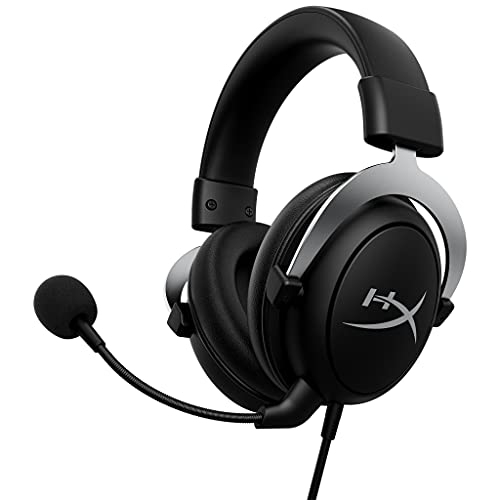
HyperX CloudX Xbox Licensed Gaming Headset

HyperX Cloud Alpha Gaming Headset (Red)

HyperX CloudX Stinger Core Wireless Headset

HyperX Cloud III S Wireless Gaming Headset
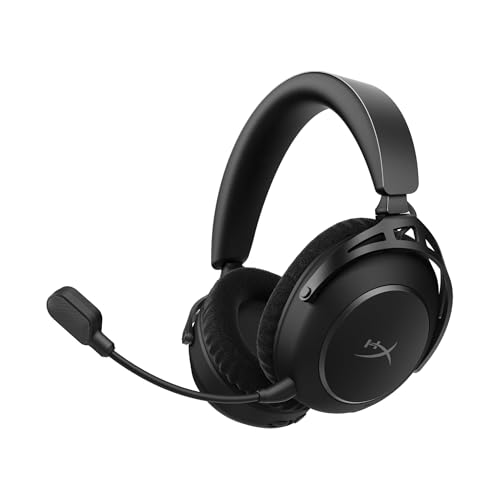
HyperX Cloud Alpha 2 Wireless Gaming Headset
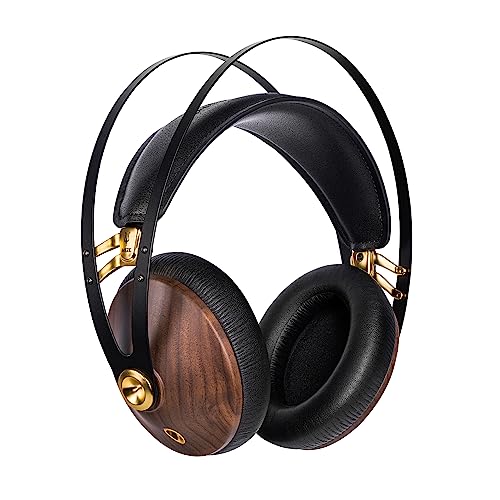
Meze Audio 99 Classics Walnut Gold Headphones
The Strengths Of Each Pick
The white Cloud III takes everything the Cloud II line built a reputation on and tightens it up. Angled 53mm drivers push sound directly at your ears, which gives positional cues a sharper edge in shooters than flat-mounted alternatives. The triple-connection design (USB-C, USB-A, and 3.5mm) means one headset covers a PC, a PS5, and an Xbox controller without adapters. For anyone splitting time between couch and desk, that flexibility alone is a real perk.
HyperX leans on its signature memory foam in both the headband and ear cups, and on a metal internal frame that holds shape after months of daily wear. The 10mm boom mic pulls voice clearly out of background noise, which matters for ranked play and Discord sessions alike. The white finish looks clean but shows scuffs faster than the black version, so owners who toss their headset into a shared backpack should keep that in mind.
Well-Handled Touches
- Triple-connection design swaps between PC, console, and mobile without re-plugging accessories.
- Angled 53mm drivers stage directional audio so footsteps and reloads feel located, not just loud.
- Memory foam across the headband and cups reduces pressure points during multi-hour sessions.
- 10mm detachable boom mic captures team voice cleanly while filtering background hum.
Things To Consider
- Wired only, so movement around a desk is limited by cable length.
- White shell tends to show dust and bag scuffs more visibly than the darker variants.
Who It Suits Best
Cross-platform multiplayer players who plug into a different device almost nightly and want a single headset that survives all of them.
Where Another Pick Suits Better
The HyperX Cloud III S Wireless is a smarter grab for anyone who hates a cable trailing across the desk and wants multi-platform freedom without giving up the Cloud III driver platform.
The Cloud Flight 2 is the most personality-driven pick in this lineup, and the design choices reflect that. Magnetic earcup plates pop off without tools, so swapping a color or replacing a scratched plate takes seconds. The full-panel RGB lighting works through those plates, and an onboard memory slot stores one lighting profile, which means a streamer can match their overlay without re-syncing software every match. It’s a headset that wants to be seen, not hidden.
Underneath the styling, the Flight 2 pairs 2.4GHz wireless with Bluetooth for phone calls or music. That combination is genuinely useful for anyone who games at a desk and takes calls without wanting to swap hardware. Battery life stretches up to 100 hours with lighting off, so most people will charge it weekly rather than daily. The catch is that all the customization adds cost, and a player who doesn’t care about RGB is paying for features they’ll disable.
Practical Advantages
- Magnetic swappable earcup plates let you change the look without tools or downtime.
- Onboard memory holds one lighting profile, so the headset keeps its identity across devices.
- Simultaneous 2.4GHz and Bluetooth connections handle PC gaming and phone audio at once.
- Up to 100 hours of battery (lighting off) covers a full work-and-play week between charges.
Honest Caveats
- Premium pricing tied to RGB and plates that some players will never use.
- Battery estimate drops significantly once lighting is on at full brightness.
Who Will Love This
Streamers and RGB-loving setup builders who want a headset that visually fits a curated battlestation and pulls double duty for phone audio.
Consider Something Else When
The HyperX Cloud III S Wireless is the better value for a player who wants long battery life and a clean look without the swappable-plate concept adding cost.
The pink Cloud III is, mechanically, the same headset as the white and black versions, with the same angled 53mm drivers and the same all-platform cable setup. What changes is the color, and that matters more than it sounds. A growing number of gaming setups lean toward soft pastels, rose-gold peripherals, and warmer wood desks, and a black headset breaks that visual flow immediately. HyperX’s pastel range fills a real niche.
Build quality matches the rest of the Cloud III line, so the memory foam, metal frame, and detachable 10mm mic all carry over. The pink finish is a soft satin rather than a high-gloss coat, which holds up better against fingerprints but still benefits from a soft cloth wipe every few weeks. For a player who already owns one HyperX headset, this isn’t an upgrade, but as a first or color-replacement buy, it slots in cleanly.
What Stands Out
- Soft pink finish pairs naturally with pastel peripherals and warmer desk setups.
- Identical Cloud III driver and comfort platform as the white and black versions.
- USB-C, USB-A, and 3.5mm connections cover every modern console and PC.
Points To Note
- Color-matched cable and headband accents can yellow slightly over years of sun exposure.
- No functional difference over the cheaper black or white variants if aesthetics don’t matter.
Made For
Aesthetic-focused desk owners building a coordinated pastel or warm-toned setup and who want flagship HyperX comfort without a stark black shell.
Look Elsewhere When
The Audio-Technica ATH-M30x bundle is a smarter fit for someone who values a neutral, monitor-style sound signature and a hard travel case over color-coordinated style.
The ATH-M30x leans into a different philosophy than the gaming-focused HyperX line. Where gaming headsets sculpt sound for impact, the M30x is a monitoring tool designed to reproduce audio as honestly as possible. The 40mm drivers with copper-clad aluminum voice coils aim for clean mids rather than exaggerated bass, which is useful for tracking footsteps but also rewarding for music between matches. It’s a closed-back that doesn’t apologize for being a studio reference.
The circumaural (around-the-ear) design isolates sound well in loud rooms, and the collapsible cups fold flat for storage, which the included hard case supports. The cleaning cloth in the bundle is a small but practical touch, since pleather pads collect skin oils faster than fabric alternatives. The M30x ships with a 3.5mm cable and no inline mic, so it works for single-player audio but needs a separate mic for chat, depending on your use case.
Real-World Strengths
- Honest midrange tuning translates well between games, music, and reference listening.
- Circumaural seal blocks ambient noise in shared rooms and open offices.
- Collapsible cups and bundled hard case make transport painless for commuters.
Worth Noting
- No boom mic included, so voice chat requires an add-on or separate solution.
- Pleather pads warm up faster than fabric alternatives in summer gaming sessions.
Best Suited To
Hybrid listeners who game in the evening and edit audio, mix music, or want a flat signature during the day, all without leaving their desk.
Skip It When
The HyperX Cloud Alpha is a better fit for someone who needs a detachable mic in the box and a more bass-forward game-ready tuning.
The CloudX is a classic for a reason. Microsoft tested and approved it for Xbox One and Xbox Series X|S, so the 3.5mm jack just works when you plug into a controller. The aluminum frame under the headband is genuinely rigid for a sub-$100 closed-back, and the memory foam cups are a noticeable step up from the budget-tier pads. The wired connection means no batteries to track, and no dropouts to chase mid-match.
The detachable noise-cancelling mic attaches magnetically with a satisfying click, and the in-line audio control tucks mute and volume into easy reach. That in-line puck is small but practical, and it doesn’t snag the way some controller-mounted modules do. The honest read is that the CloudX is starting to show its age against the newer Cloud III platform, but for a one-console Xbox owner, it remains a clean, no-fuss solution.
Everyday Perks
- Official Xbox licensing guarantees plug-and-play compatibility on One and Series consoles.
- Detachable noise-cancelling mic pulls off cleanly for solo listening and storage.
- Aluminum internal frame holds shape better than the all-plastic alternatives at this tier.
Less Ideal Details
- Older driver platform compared to the Cloud III line, with less refined staging.
- Wired only, which means you’re tethered to the controller at couch distance.
Perfect Match For
Xbox-only console players who want a reliable wired headset, simple in-line controls, and a build that survives regular couch-gaming drops.
Reach For A Different Pick When
The HyperX CloudX Stinger Core Wireless is a better fit for an Xbox owner who wants to cut the controller cable without giving up direct Xbox Wireless connectivity.
The Cloud Alpha introduced HyperX’s dual-chamber driver concept, and it remains a smart piece of audio engineering. Each earcup houses two chambers, one handling bass and the other handling mids and highs. The separation keeps low frequencies from muddying dialogue and footsteps, which translates to clearer positional cues in shooters. For a wired closed-back at this tier, the Alpha still sounds tighter than most competitors that came after it.
Build quality carries the same aluminum frame approach as the rest of the line, with an expanded headband that distributes weight across a wider surface. The detachable braided cable is a long-overdue touch that cheaper alternatives skip, and the in-line audio control covers mute and volume without software. Compatibility stretches across PC, PS4, PS5, Xbox One, Xbox Series X|S, Nintendo Switch, and mobile through a single 3.5mm connection, so it adapts to whatever you own.
Why It Works Well
- Dual-chamber drivers separate bass from mids so explosions don’t smear over footsteps.
- Aluminum frame with expanded headband reduces pressure on the crown during long matches.
- Detachable braided cable resists tangles and survives rougher daily transport.
- Single 3.5mm connection works across PC, PlayStation, Xbox, Switch, and mobile.
Trade Offs
- Wired design means no quick swap to a phone call without unplugging.
- Detachable mic mute is on the cable, not on the earcup, which can be awkward mid-match.
Right Fit For
Multi-platform wired competitive players who want refined audio separation and a build that handles years of daily use.
Swap It Out When
The HyperX Cloud III (white or pink) is a smarter grab for someone who values the latest angled-driver tuning and a more flexible USB-C connection.
The CloudX Stinger Core solves a specific problem: cutting the controller cable on Xbox without dragging in a USB dongle or transmitter. Direct Xbox Wireless pairs the headset to the console with a single button press, no extra hardware required. For someone whose living room is a dedicated Xbox setup, that simplicity is the entire pitch. 40mm drivers handle the audio side, and Windows Sonic support expands the spatial soundstage when the feature is enabled.
Comfort is the Stinger Core’s stronger card. Memory foam under premium leatherette pads holds up across longer sessions, and the earcups rotate to lay flat for couch breaks. Noise-cancelling on the mic pulls your voice forward of background TV or fan noise, which helps in shared rooms. The catch is that on-ear pressure builds faster than over-ear alternatives, so anyone with a larger head or glasses may need to take short breaks between long matches.
Advantages To Know
- Direct Xbox Wireless removes the need for a USB dongle or wired tether.
- Memory foam and leatherette cushions stay comfortable across multi-hour sessions.
- Noise-cancelling mic lifts voice above background room noise for clearer team chat.
Soft Spots
- Clamp force is firmer than the Cloud III line, which can fatigue glasses wearers.
- Xbox-only wireless means PC and PlayStation require a separate wired solution.
Built With In Mind
Cable-free Xbox couch gamers who want a wireless setup that pairs directly to the console without buying a separate transmitter.
A Better Fit Elsewhere
The HyperX Cloud III S Wireless is a smarter choice for someone who plays across multiple platforms and wants 2.4GHz plus Bluetooth in the same package.
The Cloud III S Wireless is the most flexible headset HyperX makes right now. It connects over 2.4GHz for low-latency PC and console gaming, Bluetooth for phone and tablet audio, and Instant Pair with select OMEN laptops for a clean desk setup. Battery life is the headline number: up to 120 hours over 2.4GHz and up to 200 hours over Bluetooth, which translates to roughly a month of nightly play between charges for most people.
The 53mm angled drivers carry over from the wired Cloud III, so the sound signature is familiar if you’ve tried that headset. The detachable mic follows the same 10mm platform, which keeps voice quality consistent across the line. Comfort borrows the Cloud III foam and frame, so multi-hour sessions stay manageable. For a player upgrading from an older wireless set, the III S Wireless is the cleanest path forward without relearning a new fit.
Reasons It Performs
- Up to 120 hours (2.4GHz) or 200 hours (Bluetooth) of battery life covers weeks of play.
- Triple wireless options cover PC, console, phone, and select laptops in one headset.
- 53mm angled drivers keep the directional audio profile of the wired Cloud III.
Worth Bearing In Mind
- Premium pricing sits above the wired Cloud III for the wireless convenience.
- Long charge time from empty compared to quick-charge alternatives.
The Right Fit
Multi-platform players who bounce between a PC, a console, and a phone and want one headset that handles all three without swapping cables.
Where A Sibling Pick Shines
The HyperX Cloud Alpha 2 is a stronger pick for a stationary desk setup where a charging dock and a 250-hour battery matter more than compact portability.
The Cloud Alpha 2 Wireless is the most ambitious headset HyperX ships in this category. Up to 250 hours of battery life means most people will forget where they put the charging cable, and the included RGB base station acts as both a stand and a charger, which keeps the desk organized. The 53mm multi-layer dual-chamber drivers build on the original Alpha’s separated tuning, layering more depth into the bass without bleeding into the mids.
Simultaneous 2.4GHz and Bluetooth connections let you hear a Discord call on your phone while staying connected to a PC or console match, which is genuinely useful for streamers and remote workers who game in off-hours. The Alpha 2 trades portability for the dock-based design, so it’s a stationary desk piece rather than a travel-friendly option. The base station takes up real estate, and a player with a small monitor shelf should measure first.
The Good Stuff
- Up to 250 hours of battery life spans roughly a month of regular play.
- RGB base station doubles as a charging dock and a desk stand.
- Simultaneous 2.4GHz and Bluetooth handle game audio and phone calls at once.
- Multi-layer 53mm dual-chamber drivers refine the original Alpha tuning for cleaner staging.
Some Limits To Know
- Base station footprint is larger than a standard dongle, so small desks need planning.
- Higher tier pricing puts it above the Cloud III S Wireless by a meaningful margin.
Whose Shelf It Belongs On
Stationary battlestation owners who want a flagship wireless headset with a permanent home on the desk and the longest battery life in the category.
Not Your Match When
The HyperX Cloud III S Wireless is a better fit for a player who travels with their headset or works in a smaller space without room for a charging base.
The Meze 99 Classics is the outlier in this list and earns its spot honestly. Genuine walnut wood earcups give every pair a unique grain pattern, which makes the headset feel more like a piece of furniture than a peripheral. The warm, natural tuning leans toward a slightly fuller midrange, which sounds rich in story-driven games and music but lacks the surgical separation the Cloud Alpha’s dual chambers deliver. The 32-ohm impedance means it runs from a phone or laptop without an external amp.
The self-adjusting headband is one of the most comfortable suspension systems in this entire roundup, because there’s nothing to clamp or break in. The trade-off is the lack of a boom mic in the standard package, which makes team chat awkward without a third-party add-on. For a player who games solo, listens to music seriously, and wants a closed-back that looks intentional in a living room, the 99 Classics is a refreshing change of pace from the gaming-focused picks above.
Good Reasons To Consider
- Genuine walnut earcups give every unit a one-of-a-kind wood grain pattern.
- 32-ohm impedance runs cleanly from a phone, laptop, or console controller without an amp.
- Self-adjusting headband removes clamp pressure for long, comfortable listening sessions.
Where It May Fall Short
- No boom mic included, so voice chat requires a separate accessory or modification.
- Wood earcups need gentle care to avoid finish damage from sweat or rough handling.
Who Should Grab It
Mature listeners who want a warm, natural sound signature for music and single-player gaming and who value craftsmanship over competitive specs.
Another Choice May Suit
The HyperX Cloud Alpha is a better fit for a player who needs an integrated mic out of the box and a more game-tuned frequency response for team-based play.
Picking Closed Back Gaming Headphones That Fit Your Setup
Comfort is the first thing to check, because a headset that pinches after an hour ruins the rest of the experience. Look for memory foam in both the headband and ear cups, plus a frame material that holds its shape. Aluminum internals resist flex better than all-plastic builds, which matters for anyone gaming more than a few nights a week.
Driver size and tuning determine how the game actually sounds. Angled drivers (53mm is common in this category) direct audio at the ear canal and tend to widen the perceived soundstage. Dual-chamber designs separate bass from mids, which keeps explosions from drowning out footsteps. For competitive shooters, that separation matters more than raw volume.
Wired vs Wireless Tradeoffs
Wired headsets avoid charging and Bluetooth latency but tether you to the controller or PC. Wireless options add flexibility and clean desk setups but require you to monitor battery life. Direct console wireless (like Xbox Wireless) removes the dongle, while 2.4GHz dongles add a USB port to your device list. The honest read is that both work fine; it depends on whether you move around the room during play.
Platform Compatibility
A 3.5mm jack is the universal connection and works on every modern console and mobile device. USB-C and USB-A add digital audio and inline controls but lock the headset to specific device types. Bluetooth is convenient for phone audio but introduces latency that competitive players usually notice. Match the connection to your primary device first, and check secondary compatibility before committing.
Microphone Needs
Detachable boom mics are easy to remove for solo listening and tend to capture voice more clearly than inline solutions. Inline mics are smaller and travel better but pick up more cable rustle. Audiophile-tier headsets often skip the mic entirely, which is fine for solo play but requires a separate add-on for chat.
Build and Longevity
Aluminum internal frames hold shape longer than plastic alternatives. Braided cables resist tangling and survive rougher handling than rubber-coated ones. Memory foam pads compress over years and are usually replaceable through the manufacturer, which extends the headset’s usable life without replacing the whole unit.
Key Considerations Across These Picks
Common Shopping Slip Ups
The most common mistake is buying for specs alone and ignoring fit. A headset with perfect drivers and the wrong clamp force becomes a shelf piece after two weeks. Another trap is assuming all closed-back designs leak the same amount of sound. Tighter earcup seals block more room noise, which matters in shared spaces. Finally, don’t skip the mic check. A headset with great audio and a weak mic ruins competitive sessions and Discord calls alike.
What The Higher Tier Buys
Premium models in this category invest in driver refinement, battery systems, and wireless flexibility. The jump from a basic wired headset to a flagship wireless one buys longer battery life, dual-connection convenience, and more polished materials. Whether the upgrade is worth it depends on how often you use the headset. A daily gamer feels the difference; a weekend player may not.
Frequently Asked Questions
What does closed back mean on gaming headphones?
A closed-back headset uses sealed earcups that block sound from leaking in or out, which improves bass response and keeps audio private. Open-back designs sound airier but leak sound, which is why competitive and immersive gaming usually leans closed.
Are closed back gaming headphones better for competitive play?
Closed-back designs help with positional audio and noise isolation, which matters in noisy rooms and ranked matches. That said, “better” depends on fit, driver tuning, and personal preference rather than the open-versus-closed split alone.
How long should a gaming headset last?
A well-built closed-back headset typically lasts three to five years with regular use. Replaceable ear pads and detachable cables extend the lifespan, and aluminum frames tend to outlast all-plastic builds in the same price tier.
Can I use a closed back gaming headset for music?
Yes. Many closed-back gaming headsets, especially studio-influenced picks like the ATH-M30x and Meze 99 Classics, handle music well. Gaming-tuned models often emphasize bass, which can color music playback depending on genre.
Do wireless gaming headsets have latency issues?
Modern 2.4GHz wireless headsets have latency low enough for competitive play, often imperceptible from wired connections. Bluetooth introduces more delay and is better suited for music and calls than fast-paced multiplayer.
The Takeaway
Closed-back gaming headphones cover a wide range of needs, from budget wired options to flagship wireless sets with multi-day battery life. Start with your platform and your room, then narrow the list by comfort and microphone needs. Any of the ten picks above will serve a specific type of player well, and the right one depends less on specs and more on how and where you actually game.


