


A solid gaming PC doesn’t require a brand-new chassis. The second-hand market is full of capable towers that handle modern esports, single-player adventures, and creative workloads at a fraction of original cost. The picks below span budget entries with entry-level GPUs all the way to refurbished RTX 5070 Ti rigs, so you can match your wallet to the games you actually play.
A Closer Look At The Lineup

Horizon Autherium Dragon RGB I9 RTX Gaming PC, 64GB RAM, 5TB, RTX 5070 OC
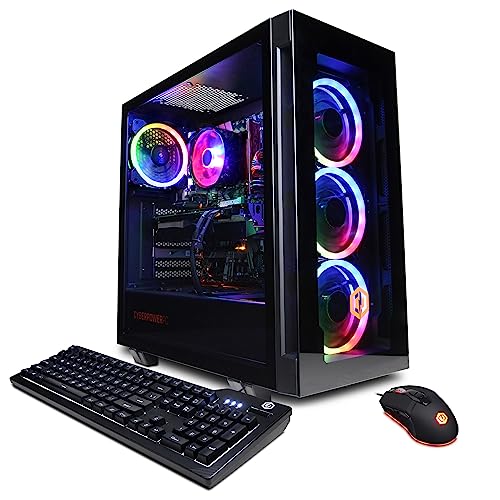
CYBERPOWERPC Gamer Master Gaming PC, Ryzen 5 7600, RTX 4060, 16GB DDR5

Skytech Gaming PC Azure 3, Ultra 7, RTX 5060, 32GB RAM, 1TB SSD

CLX Set Gaming PC, i9 12900KF, RTX 4060 Ti, 1TB SSD + 4TB HDD
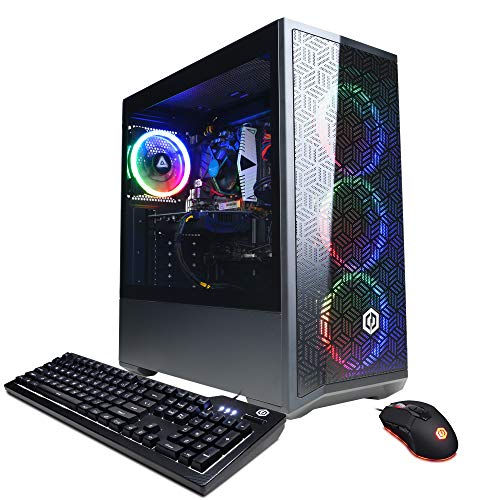
CyberpowerPC Gamer Xtreme VR Gaming PC, i5-10400F, GTX 1660 Super
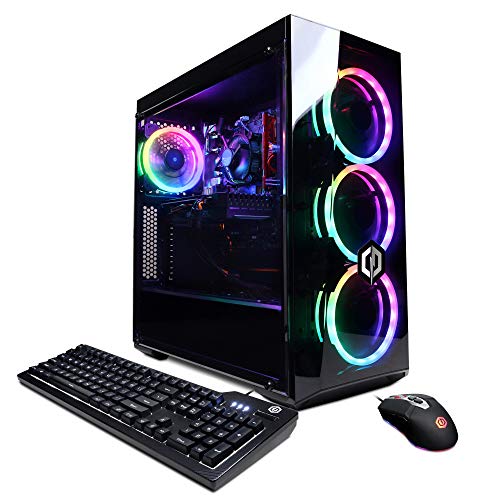
CyberpowerPC Gamer Xtreme VR Gaming PC, i5-10400F, GTX 1660 Super

Skytech Gaming PC Storm, Ryzen 5, RTX 5050, 32GB RAM, 1TB SSD

Skytech Gaming King 95 Gaming PC, Ultra 7 270K, RTX 5070 Ti 16GB

Lenovo Legion Tower 5i, Ultra 7 265F, RTX 5070 Ti, 32GB

ASUS ROG G700 (2025) Gaming Desktop, Ultra 7 265F, RTX 5070, 32GB
A Breakdown Of The Leading Choices
The Horizon Autherium Dragon sits at the top of the budget-conscious enthusiast tier, and on paper it reads like a no-compromise build. With 64GB of RAM, a Core i9 CPU, and an RTX 5070 OC card, it has the muscle for 1440p gaming, heavy multitasking, and streaming at the same time. The 5TB of combined NVMe and HDD storage means you won’t be juggling installs anytime soon.
For shoppers who want near-flagship performance without paying flagship prices, this rig makes a strong case as a daily driver. Compared to the smaller-core picks below, it brings far more headroom for creators who edit video or run virtual machines alongside their games.
Why It Works Well
- 64GB of RAM doubles what most prebuilts ship with, keeping dozens of browser tabs and apps open without slowing your game
- RTX 5070 OC handles modern ray tracing at usable frame rates, where older cards like the GTX 1660 Super would struggle
- 5TB of storage means you can keep a full Steam library plus recorded gameplay without buying an external drive
- 360mm AIO liquid cooling keeps thermals in check during long sessions, which often extends component lifespan
Points To Keep In Mind
- High-end power draw means you’ll want a quality surge protector to safeguard the more expensive components
- RGB lighting can draw extra power and may not appeal to minimalists; some owners disable it in the BIOS
Feature Snapshot
Best Suited To
Streamers, content creators, and enthusiasts who want a refurbished rig with serious headroom for both play and productivity.
Look Elsewhere When
The CyberpowerPC Gamer Master is a smarter pick for casual 1080p gamers who don’t need 64GB of RAM and would rather save on parts they won’t fully use.
The Gamer Master is a sensible middle-ground tower that pairs AMD’s modern AM5 platform with NVIDIA’s RTX 4060. You get DDR5 memory, a PCIe Gen4 NVMe boot drive, and a tempered-glass case with custom RGB lighting. The 16GB of RAM is the right amount for most current titles, and the AM5 socket leaves room for future CPU upgrades.
For a used-market shopper who plays mostly at 1080p and wants a reliable everyday box, this one hits a comfortable sweet spot. It’s noticeably less expensive than the Horizon build above, while still delivering smooth frame rates in modern competitive shooters.
Where It Excels
- Ryzen 5 7600 is a strong six-core chip that punches above its tier, especially in cache-sensitive games
- RTX 4060 supports DLSS 3 frame generation, giving you extra smoothness without a hardware upgrade
- AM5 platform offers a clear upgrade path to Ryzen 7 or Ryzen 9 chips later on
- Tempered glass and RGB add a polished look without inflating the cost dramatically
Worth Noting
- 500GB SSD fills up fast with modern installs; expect to add a secondary drive within a year of heavy use
- 8GB of VRAM on the RTX 4060 can feel tight at 1440p in some newer releases
- The case fans run at noticeable RPM under load; some owners swap them for quieter aftermarket models
Who It Suits Best
1080p and entry-level 1440p gamers who want AM5 longevity and a balanced spec sheet at a used-PC price point.
Swap It Out When
Shoppers prioritizing raw frame rates at high refresh rates will find the Skytech Gaming King 95 a stronger match, thanks to its RTX 5070 Ti GPU.
The Skytech Azure 3 leans on Intel’s Ultra 7 270K and pairs it with the new RTX 5060 and 32GB of DDR5. That’s a forward-looking spec sheet for a refurbished tower, and the 360mm AIO cooler helps the unlocked CPU sustain its boost clocks under load. Wi-Fi 6 keeps wireless lag low, which matters for online play.
Compared to the older Ryzen 5 systems from CyberpowerPC, this one trades a bit of single-threaded efficiency for more cores and newer platform features. You may find the extra RAM particularly useful if you keep a browser, Discord, OBS, and a game running at the same time.
Points In Its Favor
- RTX 5060 brings the latest NVIDIA features, including improved ray tracing and DLSS support
- 32GB of DDR5 handles heavy multitasking without the swap or upgrade you’d face on an 8GB system
- 360mm AIO cooling is a step above the basic air coolers that ship with most budget towers
- 1TB NVMe holds a healthy modern game library without immediate expansion
Honest Caveats
- The Ultra 7 270K runs hot under sustained load; the AIO helps, but airflow in the case matters
- Brand of the GPU may vary, which can occasionally affect bundled software or driver support
Right Fit For
Buyers who want a near-current-generation GPU and CPU combo for 1440p gaming, light streaming, and everyday creative work.
Not Your Match When
Anyone chasing 4K frame rates should consider the Lenovo Legion Tower 5i, which steps up to an RTX 5070 Ti for similar money.
The CLX Set is built around Intel’s 12th-gen i9 12900KF, a 16-core chip that still holds up well for gaming and productivity. The RTX 4060 Ti offers a meaningful step up over the base 4060, especially at 1440p, and the dual-drive storage layout is genuinely generous: 1TB NVMe for the boot and 4TB HDD for everything else.
You trade the very latest platform for capacity and CPU headroom, which is a reasonable swap for shoppers with large existing game libraries. In our view, this rig makes the most sense for a household that wants one machine to handle work files, family photos, and a full Steam collection.
A Favorable Mix
- 16-core i9 12900KF chews through video exports and CPU-heavy simulation games
- RTX 4060 Ti closes the gap to higher-tier cards at 1440p without the price tag
- 5TB of total storage means you can archive years of footage without an external drive
- Four memory slots support upgrades all the way to 128GB if your workflow demands it
Trade Offs
- The 750W PSU is fine for current parts but may limit future high-end GPU swaps
- 240mm AIO is smaller than the 360mm coolers on newer Skytech builds, so case airflow deserves attention
Feature Card
Made For
Shoppers with large media libraries who want strong multi-core performance without overspending on the latest platform.
Reach For A Different Pick When
Buyers chasing the newest features like Wi-Fi 6 and current-gen GPUs should look at the Skytech Azure 3 instead.
The Gamer Xtreme VR is a few generations old, but in the used-PC world that translates to a real value play. The GTX 1660 Super still handles esports titles like CS2, Valorant, and League at well over 100fps at 1080p with medium settings, and the 500GB NVMe keeps load times snappy.
This is the kind of rig you grab for a younger sibling’s first PC, or for a dorm room where you mainly need 1080p performance. It’s not for someone chasing 1440p ultra settings, but for the right scenario, it’s hard to argue with the value.
Key Advantages
- GTX 1660 Super 6GB is a strong esports and indie performer at 1080p
- 500GB NVMe SSD is generous for a budget tower and outpaces hard drives significantly
- Compact mid-tower footprint fits on most desks without dominating the room
Points To Consider
- Only 8GB of RAM means a quick upgrade to 16GB will dramatically improve multitasking
- No dedicated ray-tracing hardware, so newer AAA titles need lower settings to stay smooth
Perfect Match For
Budget-focused shoppers, first-time builders, and anyone playing competitive or older games at 1080p resolution.
Skip It When
Buyers who want current-gen features like DLSS frame generation will get more from the Skytech Gaming PC Storm and its RTX 5050 card.
The GXiVR8060A9 is the sibling of the Gamer Xtreme above, using the same GTX 1660 Super and i5-10400F pairing in a slightly different chassis variant. Functionally, it delivers the same 1080p experience in popular competitive games, with the same 500GB NVMe boot drive and 8GB of DDR4.
For first-time PC shoppers, this is a low-friction entry point: Windows 10 Home is preinstalled, Wi-Fi is onboard, and a basic keyboard and mouse come in the box. The trade-off is the same as its sibling, so it really comes down to which listing is available when you’re ready to buy.
Everyday Advantages
- Plug-and-play setup with Windows preinstalled and accessories in the box
- Same 6GB GTX 1660 Super means strong performance in esports and older AAA titles
- Wi-Fi ready out of the box, so no extra adapter is needed for wireless networking
Small Caveats
- 8GB of RAM is the limiting factor for modern multitasking and should be the first upgrade
- 10th-gen Intel platform is past its prime; no upgrade path beyond a CPU swap on the same socket
- Case airflow is basic, so dust buildup on the GPU fans is worth checking every few months
Who Should Grab It
Casual gamers and first-time PC owners who want a working tower at a low entry cost and don’t mind planning a future RAM upgrade.
Consider Something Else When
Anyone planning to keep the PC for several years should consider the CYBERPOWERPC Gamer Master, which uses the newer AM5 platform and offers a longer upgrade runway.
The Skytech Storm is the smallest Skytech build in this list, but it punches above its size. The RTX 5050 is NVIDIA’s entry-level current-generation card, and pairing it with 32GB of DDR4 RAM and a 1TB NVMe gives you a comfortable everyday machine. The Ryzen 5 5500 handles six threads well enough for most games, though heavy multitasking may show its limits.
Compared to the older CyberpowerPC Gamer Xtreme towers, this rig trades a known quantity for newer architecture at a similar tier. For shoppers who want a current-gen GPU on a tight budget, the Storm is a sensible daily driver.
Where It Delivers
- RTX 5050 brings modern features like DLSS 4 and improved encoding for streamers
- 32GB of RAM is generous at this tier and matches what mid-range builds offer
- 1TB NVMe holds a healthy library of modern games without immediate expansion
- Compact tower format fits comfortably on smaller desks or in shared spaces
Trade-Offs To Consider
- Air cooling is fine for stock clocks but limits headroom for sustained heavy loads
- Wi-Fi 5 is workable but slower than Wi-Fi 6 on the Azure 3 above
Key Specs
Whose Shelf It Belongs On
Casual 1080p gamers and everyday users who want a current-gen GPU and don’t need top-tier CPU performance.
A Better Fit Elsewhere
Step up to the Skytech Gaming King 95 if high-refresh-rate 1440p gaming is the real goal, since its RTX 5070 Ti handles that workload far more comfortably.
The Gaming King 95 is a high-end tower wrapped in a more affordable prebuilt shell. You get an Ultra 7 270K CPU, an RTX 5070 Ti with 16GB of VRAM, 32GB of DDR5-6000 RAM, and a beefy 850W Gold PSU. The 360mm AIO keeps the unlocked Intel chip cool during long sessions, and Wi-Fi 6 means low-latency wireless is ready out of the box.
For shoppers who want to push frame rates on a 1440p or 4K monitor without building from scratch, this is a meaningful jump from the RTX 4060 cards in lower-tier picks. Compared to the Horizon build at the top, the King 95 actually edges ahead in GPU VRAM, which matters for heavily modded games and high-resolution texture packs.
Noteworthy Benefits
- RTX 5070 Ti 16GB is a serious GPU, capable of 4K in many modern titles with DLSS
- 850W Gold PSU leaves headroom for future GPU upgrades without swapping the power supply
- DDR5-6000 RAM matches what most modern motherboards officially support, removing a potential bottleneck
- 360mm AIO cooling handles sustained loads without thermal throttling
Less Ideal Details
- Higher power draw means a quality surge protector is a worthwhile add-on
- The case is on the larger side; measure your desk space before placing an order
The Right Fit
Performance-focused shoppers who play at 1440p or 4K and want a high-end GPU without the cost of a full custom build.
Not Your Match When
Buyers focused on value at 1080p will overspend here; the CYBERPOWERPC Gamer Master is a more sensible match for that scenario.
The Legion Tower 5i brings Lenovo’s mainstream brand reliability to the high-end GPU tier. The Intel Core Ultra 7 265F pairs with an RTX 5070 Ti and 32GB of memory, and Lenovo’s Coldfront cooling design aims to keep both thermals and fan noise in check. The included three months of PC Game Pass is a small bonus for new subscribers.
If long-term ownership and brand support matter to you as much as raw specs, this Lenovo is a thoughtful alternative to boutique builders. In our view, it sits in a similar performance tier to the Skytech King 95, with a more conservative case aesthetic.
Benefits That Matter
- RTX 5070 Ti delivers strong 1440p and 4K frame rates with DLSS support
- Coldfront cooling is designed for sustained loads during streaming and rendering
- Legion brand typically offers a smoother support experience than smaller boutique builders
- 32GB of RAM is comfortable for gaming, work, and creative software side by side
Possible Compromises
- Case styling is more understated, which may disappoint shoppers wanting flashy RGB
- The “F” suffix on the CPU means no integrated graphics, so a GPU failure means no display
Built With In Mind
Buyers who value brand-name support, clean thermals, and balanced specs over flashy customization.
Where A Sibling Pick Shines
Shoppers chasing maximum visual flair and Aura Sync lighting will prefer the ASUS ROG G700, which uses a similar GPU but trades stealth for showcase style.
The ROG G700 closes the list with ASUS’s signature dual-glass-panel chassis, Aura Sync lighting, and the iconic ROG slash design. Inside, the Ultra 7 265F and RTX 5070 make for a capable 1440p gaming rig, and the 1TB Gen4 NVMe is a fast boot drive for Windows and your favorite titles.
Compared to the Lenovo Legion Tower 5i, the G700 trades quiet professionalism for a striking desk-side presence. If your gaming setup is part of the room’s look and feel, this chassis earns its place. If you want a more reserved aesthetic, the Legion is the calmer alternative.
Advantages To Know
- Dual-glass-panel design showcases the build and feels at home in a streamed setup
- Aura Sync RGB coordinates with other ASUS peripherals for a unified look
- RTX 5070 handles 1440p gaming with DLSS frame generation for high-refresh displays
- 1TB Gen4 NVMe loads large open-world games faster than older PCIe Gen3 drives
Things To Weigh Up
- Glass panels attract dust and fingerprints, so a microfiber cloth is worth keeping nearby
- 32GB of DDR5 is plenty now, but heavy multitasking users may eventually want 64GB
Who Will Love This
Buyers who want a premium-feeling chassis and cohesive RGB setup alongside a current-generation GPU and CPU combo.
Wrong Turns To Avoid
Pure performance-focused shoppers should compare this to the Skytech Gaming King 95, which packs the higher-tier RTX 5070 Ti for similar money.
What To Weigh Before Picking A Used Gaming PC
A used gaming PC is only a good deal if the parts inside match the games you actually play. Start with the GPU, since it has the largest impact on frame rates in modern titles. An RTX 4060 or RTX 5050 covers 1080p comfortably, an RTX 4060 Ti or RTX 5060 stretches into 1440p, and an RTX 5070 Ti unlocks 4K in many releases. Step down to a GTX 1660 Super only for esports, indie games, or older AAA titles at modest settings.
CPU matters too, but in a different way. AMD’s Ryzen 5 and Intel’s Core i5 tier handle most gaming workloads without bottlenecking modern mid-range GPUs. For streamers and creators, an i7, i9, Ryzen 7, or Ryzen 9 keeps encoding and gameplay smooth in parallel. Platform age is worth noting: older LGA 1200 or AM4 systems cap your upgrade path, while AM5 and LGA 1851 give you years of headroom.
RAM and storage are easy wins on a used rig. 16GB is the floor for current games, 32GB is the comfortable spot, and 64GB is generous for creators. NVMe SSDs make boot and load times dramatically faster than hard drives, and a second drive for your game library is an affordable add-on down the line. Cooling matters more than most shoppers expect; an AIO liquid cooler typically runs quieter and sustains boost clocks longer than a basic air cooler, which is worth it on a CPU that runs hot.
Key Considerations Across These Picks
Common Shopping Slip Ups
Buying a used gaming PC without checking the GPU model is the most common mistake. Many listings talk up RAM and storage, but the graphics card drives frame rates far more than either. Confirm the exact GPU model and VRAM before committing, and remember that a “gaming” label alone doesn’t guarantee smooth performance. The other frequent slip is ignoring the power supply; an underrated or aging PSU can limit future GPU upgrades and, in extreme cases, become a reliability risk.
Where The Extra Money Goes
Stepping from a GTX 1660 Super rig to an RTX 5070 Ti build isn’t just about bigger numbers. The newer card supports DLSS frame generation, hardware ray tracing, and a longer driver support window, all of which extend the useful life of your purchase. The Ultra 7 and i9 CPUs in the higher-tier picks also bring more cores, so editing, streaming, and running virtual machines feel noticeably snappier. The upgrade pays off most for shoppers who keep a PC for three to four years rather than replacing parts every generation.
Frequently Asked Questions
Are used gaming PCs reliable?
Used gaming PCs can be quite reliable when they come from reputable sellers and have been tested. Look for listings that include component details, any refurbishment work, and a return window so you can verify the system on arrival.
What specs should I look for in a budget used gaming PC?
For 1080p gaming, aim for at least 16GB of RAM, a six-core CPU, and an RTX 3050 or GTX 1660 Super or better. For 1440p, prioritize an RTX 4060 or higher and 32GB of RAM for comfort.
How long do used gaming PCs last?
A well-maintained gaming PC typically lasts four to six years before the GPU becomes a limiting factor. Power supply and cooling quality play a big role in overall longevity, so check those specs carefully.
Can I upgrade a used gaming PC later?
Most prebuilts allow at least RAM and storage upgrades, and many support GPU swaps within the PSU’s wattage limit. CPU upgrades depend on the motherboard socket, so older platforms may not have a clear upgrade path.
Is 8GB of RAM enough for gaming today?
8GB works for older or lighter titles, but modern games and multitasking benefit from 16GB at minimum. Many of the picks above already include 16GB or 32GB, which is a better starting point.
The Takeaway
The right used gaming PC depends entirely on where you play and what you play there. Budget towers like the CyberpowerPC Gamer Xtreme handle 1080p esports with ease, while the RTX 5070 Ti builds from Skytech, Lenovo, and ASUS push into 1440p and 4K territory without the cost of a new flagship rig. Match the GPU to your monitor, the RAM to your multitasking habits, and the platform to how long you plan to keep the system, and the value in the used market speaks for itself.


