


You spend hours inside a game, so the headset you strap on shapes every session, from pinpointing footsteps to surviving a Saturday raid night without your ears screaming. The right pair disappears on your head, the wrong pair makes you rip it off after an hour. This roundup covers ten audio gaming headsets built for the realities of long play, varied platforms, and different budgets, including one refresh option for an existing favorite.
An Overview Of The Picks
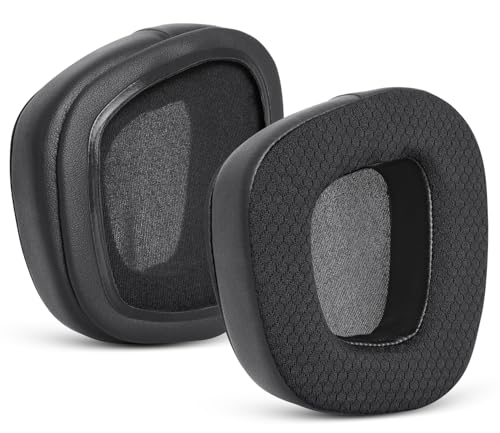
Corsair Void Replacement Ear Pads (Black)

HyperX Cloud III Wired Gaming Headset (White)

HyperX Cloud Flight 2 Wireless Gaming Headset (White)

HyperX Cloud III Wired Gaming Headset (Pink)

Ordtop 2.4GHz Wireless Gaming Headset with Bluetooth 5.4
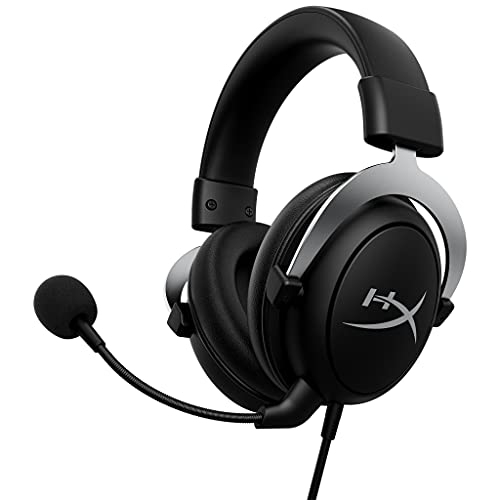
HyperX CloudX Xbox Licensed Gaming Headset

HyperX Cloud Alpha Gaming Headset (Red)

HyperX CloudX Stinger Core Wireless Gaming Headset

HyperX Cloud III S Wireless Gaming Headset (Black)
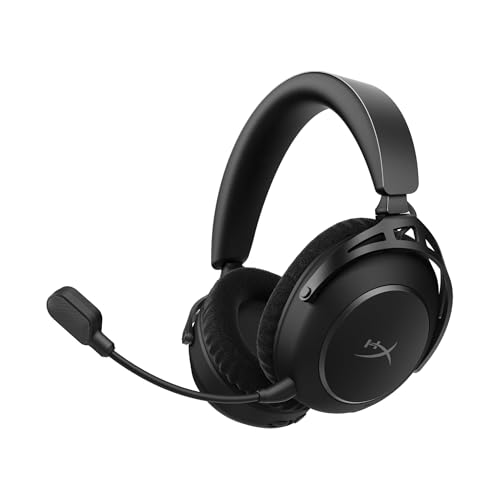
HyperX Cloud Alpha 2 Wireless Gaming Headset (Black)
A Closer Look At Each Pick
If your existing Corsair Void headset still sounds great but the cushions have peeled, flattened, or started trapping heat, a fresh pair of pads can rescue the whole setup. These replacement earpads target the Void, Void Pro, Void Pro RGB, RGB SE, Elite, and Elite Wireless lines, so most owners in that family will find a clean fit.
The combo of a mesh fabric surface with protein leather accents and a memory foam core aims to balance breathability against long-term durability. Installation is a tool-free snap-in, which matters when you are dealing with a worn-out pair mid-session.
Notable Gains
- Wide Corsair Void family compatibility covers several generations at once
- Memory foam interior reshapes around the ear for a more consistent seal
- Mesh panels help reduce the sweaty-ear feeling during long matches
- Snap-in design means no tools, no glue, and no waiting on a repair shop
Honest Caveats
- Only useful if you already own a compatible Corsair Void model
- Protein leather still warms up in very hot rooms
- Does not address broken drivers, headbands, or microphones
Who It Suits Best
Corsair Void owners whose headset still works but whose cushions have started to crack, flatten, or smell.
Consider Something Else When
Gamers who do not already own a Void headset should look at the HyperX Cloud III instead, since it is a complete, ready-to-play option.
The Cloud line has spent years earning its reputation, and the Cloud III doubles down on what made its predecessors a default recommendation. Angled 53mm drivers point audio at your ear from a slightly offset position, which tends to create a wider, more directional soundstage in practice.
You get PC, PS5, and Xbox Series X|S compatibility through USB-C, USB-A, and a 3.5mm jack, so the same headset can ride from your desk to a console and back without adapters. The upgraded 10mm mic is a noticeable step up from older chat mics, especially for teammates who rely on callouts.
Real-World Strengths
- Triple connection options make swapping platforms painless
- HyperX signature memory foam in headband and earcups holds up over multi-hour sessions
- Durable frame supports daily use without flexing under pressure
- Angled driver placement gives positional audio a wider, more believable feel
Points To Note
- Wired design means you stay tethered to your device
- White finish will pick up visible scuffs over time
Feature Snapshot
Made For
Multi-platform players who want one wired headset that can move between PC and console without juggling adapters.
Look Elsewhere When
Cable-free desktop setups are a priority, since this is wired, in which case the HyperX Cloud III S brings the same tuning without the tether.
The Cloud Flight 2 is where HyperX leans into the personality side of gaming hardware. Full-panel RGB pairs with magnetic earcup plates that pop off without tools, so you can swap looks between matches or share the headset with someone who prefers a different vibe.
Beyond the styling, you get up to 100 hours of claimed battery life, plus 2.4GHz wireless and Bluetooth for everything from console play to a quick phone call. Turn the lights off and the headset stretches that runtime even further, which is the kind of detail that matters when you forget to charge.
Strengths Worth Knowing
- Magnetic plate system makes customization genuinely fast
- Onboard profile storage means your lighting setup travels with the headset
- Bluetooth plus 2.4GHz adds flexibility for mixed-device setups
- Long battery life reduces the weekly charging chore
Trade Offs
- RGB adds cost some gamers would rather spend on drivers
- Extra plates are an additional purchase if you want a full set
Best Suited To
Streamers and style-focused players who treat their headset as part of the setup aesthetic.
Swap It Out When
Battery life above 100 hours is the priority, in which case the HyperX Cloud Alpha 2 pushes much further on a single charge.
Functionally identical to the white Cloud III already in this roundup, the pink version targets gamers who want a softer, more distinctive look on their desk. The same angled 53mm drivers, memory foam cushions, and 10mm mic carry over without compromise.
That shared DNA means the comfort story is the same one that earned the Cloud line its reputation, and the triple-connection layout still works across PC, PS5, and Xbox Series X|S. For anyone whose setup already leans pastel, the color match can be a small but real quality-of-life win.
Positive Takeaways
- Same proven acoustic tuning as the standard Cloud III
- Soft color option fits pastel or themed desk setups
- Multi-platform support covers the major consoles and PC
Worth Noting
- Pink finish can stain if it sits against dyed desk mats
- Wired design lacks the freedom of the Cloud III S
Perfect Match For
Setup-conscious gamers who care about both audio performance and a color-coordinated desk.
A Better Fit Elsewhere
Anyone who already owns the white Cloud III, since the hardware is otherwise the same and doubling up is unnecessary.
The Ordtop headset stands out for one simple reason: it works in four different ways. A 2.4GHz USB dongle handles low-latency PC and console play, Bluetooth 5.4 takes over for mobile and tablets, and a wired 3.5mm cable covers the cases where you cannot or do not want to use wireless at all.
At roughly 276 grams, the design is light enough for long stretches on your head, and 40mm drivers with memory foam cushions aim to keep fatigue down. You also get RGB lighting on the earcups for a touch of style, with 7.1 surround support for positional awareness.
Practical Pluses
- Four connection modes cover almost any device you own
- Lightweight build suits marathon sessions
- Memory foam ear cushions stay soft over time
- Bluetooth 5.4 brings a more stable wireless link to phones
Some Limits To Know
- Brand is less established than HyperX, so long-term support is a question mark
- 2.4GHz dongle uses a USB port you might prefer to keep free
Technical Highlights
Whose Shelf It Belongs On
Cross-platform households that move between a PS5, a Switch, a phone, and a PC without buying multiple headsets.
Reach For A Different Pick When
Brand reputation and proven mic quality matter most, since the HyperX Cloud III brings the same multi-platform support with a longer track record.
The CloudX wears its Xbox licensing on its sleeve, which translates into a headset designed to pair cleanly with Xbox One and Series X|S consoles. Memory foam ear cushions keep the fit soft, and the detachable noise-cancelling mic lets you take it off when you are watching a movie or just listening to music.
For console players who never touch a PC, the appeal is the direct plug-and-play relationship with the Xbox ecosystem. Inline audio controls sit on the cable so you can adjust volume or mute the mic without diving into system menus mid-game.
Advantages To Know
- Microsoft-tested Xbox compatibility reduces setup guesswork
- Detachable mic keeps the look clean when you are not gaming
- Inline audio controls keep adjustments within easy reach
Soft Spots
- Wired-only design means you are always tied to the controller or a 3.5mm extension
- No wireless option for couch play further from the console
Right Fit For
Dedicated Xbox players who want a licensed headset that just works with their console.
Where Another Pick Shines
Living room setups that demand wireless freedom, where the HyperX CloudX Stinger Core offers an Xbox-licensed cable-free alternative.
The Cloud Alpha is one of the longest-running members of the HyperX lineup, and its dual chamber driver design remains a smart way to separate bass from mids and highs. That separation tends to make explosions and footsteps feel more distinct rather than muddied together.
An aluminum frame adds a reassuring weight to the build, while the detachable braided cable resists the kind of internal fraying that kills cheaper headsets. Compatibility stretches across PC, PS4, PS5, Xbox One, Xbox Series X|S, Switch, and mobile through a 3.5mm connection, so it fits almost any setup you already own.
The Case For It
- Dual chamber drivers keep low and high frequencies cleaner
- Aluminum frame holds up to years of daily use
- Detachable cable is easy to replace if it ever wears out
Some Limits To Know
- Wired only, with no Bluetooth or 2.4GHz option
- Mic is detachable but not the most adjustable boom in the lineup
- Lacks the wider tuning refinements of the newer Cloud III
Key Attributes
Who Should Grab It
Long-time wired fans who want a tough, no-nonsense headset that works on every platform they own.
Not Your Match When
Wireless freedom is a must, since the Cloud Alpha keeps you tethered, while the HyperX Cloud III S delivers the same HyperX comfort over Bluetooth and 2.4GHz.
The Stinger Core is the entry point into wireless Xbox play, and it leans on a direct Xbox Wireless connection rather than a USB dongle. One button press pairs it with your console, which removes the small but real friction of adapter juggling.
Memory foam wrapped in premium leatherette cushions, plus 40mm drivers tuned for Xbox Series X|S and Xbox One, keep the experience straightforward and comfortable. It is the kind of headset that suits a casual evening in front of the TV more than a tournament setup.
Bright Spots
- Direct Xbox Wireless removes the need for a separate dongle
- Lightweight on-ear design suits laid-back sessions
- Noise-cancelling mic helps keep callouts clear during team play
Practical Considerations
- Limited to Xbox consoles for the wireless connection
- No Bluetooth fallback for mobile or PC
Built With In Mind
Casual Xbox gamers who want wireless audio without paying for features they would never use.
Skip It When
You also game on PC or PS5, since the HyperX Cloud III S covers multiple platforms over 2.4GHz and Bluetooth for similar comfort.
The Cloud III S takes the wired Cloud III formula and cuts the cord, with up to 120 hours over 2.4GHz and up to 200 hours over Bluetooth, depending on how you use it. For streamers and remote workers who keep a headset on for back-to-back meetings and gaming sessions, that runtime is a real lifestyle feature.
Multi-platform support covers PC, consoles, and mobile, and the same 53mm angled drivers and memory foam padding carry over from the wired model. The detachable mic stays out of the way when you just want to listen, which makes the headset easier to live with between sessions.
Everyday Perks
- Multi-day battery life means fewer mid-week charges
- 2.4GHz and Bluetooth cover PC, console, and mobile use
- Familiar Cloud III comfort and sound signature
- Detachable mic keeps the look clean for casual listening
Room For Improvement
- Heavier than the wired Cloud III due to the battery and wireless hardware
- Real-world battery varies with volume and lighting choices
Feature Overview
The Right Fit
Multi-platform streamers and remote workers who split time between meetings, music, and gaming without recharging every day.
Another Choice May Suit
Hardcore marathon players who want even more headroom on a single charge, since the HyperX Cloud Alpha 2 pushes battery life well beyond this mark.
The Cloud Alpha 2 is the flagship of this roundup, and the headline number is the battery: up to 250 hours on a single charge, with simultaneous 2.4GHz and Bluetooth support so you can keep your phone connected while you game on a console or PC. That combination is rare in this category.
Multi-layer 53mm dual chamber drivers continue the family tradition of separating bass from the rest of the sound, which gives shooters and rhythm games more breathing room. The included RGB base station doubles as a charging dock and visual anchor for your desk.
Useful Strengths
- Industry-leading battery life reduces charging to a rare chore
- Simultaneous wireless paths let you mix console play with phone calls
- RGB base station adds a clean, organized home for the headset
Where It May Fall Short
- Higher cost than most entries in this roundup
- Bulkier frame than the lighter Cloud III S
Feature Card
Who Will Love This
Power users and home office gamers who want one headset to anchor their entire audio life for weeks at a time.
Where A Sibling Pick Shines
Tighter budgets are better served by the wired Cloud Alpha, which keeps the dual chamber DNA at a noticeably lower cost.
Matching Headsets To Your Gaming Habits
Sound Signature And Driver Size
Driver size, measured in millimeters, sets the rough ceiling for how much air the driver can move, which influences bass weight and overall volume. Larger drivers, like the 53mm units in the Cloud III family, tend to reach deeper into low frequencies, while 40mm drivers often feel quicker and more controlled. Driver tuning matters just as much as size, since two headsets with the same 53mm driver can sound very different based on chamber design and angling.
Wired Versus Wireless Tradeoffs
Wired headsets, such as the Cloud III and Cloud Alpha, deliver consistent audio with zero charging anxiety and typically cost less for comparable sound quality. Wireless models, including the Cloud Flight 2, Cloud III S, and Cloud Alpha 2, trade that simplicity for freedom of movement and cleaner desk setups. Battery life is now the main differentiator, with the Alpha 2 pushing well past the 100-hour mark.
Platform And Connection Fit
Console purists benefit from officially licensed models like the CloudX and CloudX Stinger Core, since those headsets pair directly with Xbox without a dongle. PC and multi-platform users get the most flexibility from USB and 3.5mm options, while streamers and remote workers tend to value the dual wireless paths on the Cloud III S and Cloud Alpha 2. Anyone juggling a phone, a Switch, and a console will appreciate the four-mode approach of the Ordtop headset.
What To Weigh Before You Commit
Where Shoppers Go Wrong
The most common mistake is buying a headset with a gorgeous spec sheet and a clamp force that turns an hour-long session into a headache. Cushion material, weight distribution, and headband padding matter more than drivers once you cross the two-hour mark. Another slip is ignoring connection type, since a wireless-only headset is a poor match for a PC without a spare USB port or a console without Bluetooth. Always check that the included cable, dongle, or wireless standard matches the device you actually use most.
Where The Extra Money Goes
Higher-tier models invest in longer battery life, stronger frame materials, and more flexible wireless options, rather than dramatic changes in audio quality. The Cloud Alpha 2, for example, costs more than the wired Cloud Alpha mostly because of the wireless hardware, the RGB base station, and the 250-hour battery. If those features fit your routine, the upgrade pays off. If you game at a desk with a cable already waiting, the savings on a wired model can fund a better mouse or a second pair of ear pads instead.
Frequently Asked Questions
How long should a gaming headset last before replacing it?
Most quality gaming headsets last three to five years with normal daily use, though ear pads usually wear out first and can be replaced separately on models like the Corsair Void pads in this roundup.
Does a higher driver size always mean better sound?
Not always. A 53mm driver can move more air, but tuning, chamber design, and materials shape the final sound just as much, which is why two 53mm headsets can sound quite different from each other.
Are wireless gaming headsets good enough for competitive play now?
Modern 2.4GHz wireless audio has latency that most competitive gamers cannot distinguish from wired, especially on headsets with dedicated dongles rather than Bluetooth.
Do I need a detachable microphone?
A detachable mic helps if you use your headset for music or movies between sessions, since removing it keeps the look cleaner and reduces accidental bumps.
Can one gaming headset really work on every platform?
Many modern headsets support PC, PS5, Xbox, Switch, and mobile through a mix of USB and 3.5mm, though Xbox-specific licensing still matters if you want direct wireless pairing without an adapter.
Closing Remarks
The right gaming headset comes down to the platform you favor, the room you play in, and how long a session has to feel comfortable. Match those three honestly and any of the ten options here will serve you well, from the budget-friendly CloudX Stinger Core to the marathon-battery Cloud Alpha 2. Take your time, picture a typical evening with the headset on, and pick the one that disappears into your routine rather than demanding attention.


