


A good gaming headset pulls you into the match, whether you’re creeping through a foggy map at 2 a.m. or sorting party chat between raid pulls. Trouble is, the category gets noisy fast, and a higher sticker doesn’t always mean a better experience for how you actually play. You want clean directional audio, a mic teammates can hear, and a fit that survives a four-hour session without clamping your skull.
This roundup focuses on affordable gaming headphones that hold up in real use, covering wired, wireless, Xbox-tied, and multi-platform picks. You’ll find everything from a tidy desk-mount hanger to marathon battery monsters, with honest trade-offs called out along the way. The goal: help you land on a pair that fits your setup, your platforms, and the way you actually game.
The Main Contenders

6amLifestyle Headphone Headset Holder Hanger

HyperX Cloud III Wired Gaming Headset (White)

HyperX Cloud Flight 2 Wireless Gaming Headset

HyperX Cloud III Wired Gaming Headset (Pink)
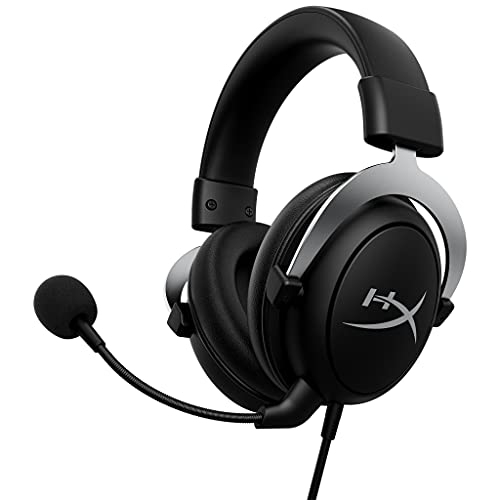
HyperX CloudX Official Xbox Gaming Headset

HyperX Cloud Alpha Gaming Headset (Red)

HyperX CloudX Stinger Core Wireless Gaming Headset

HyperX Cloud III S Wireless Gaming Headset (Black)
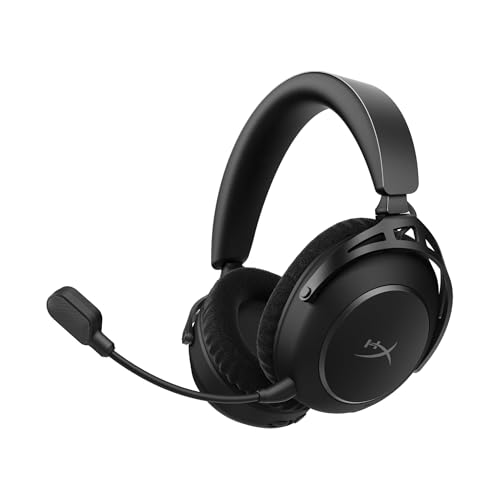
HyperX Cloud Alpha 2 Wireless Gaming Headset
Ordtop 2.4GHz Wireless Gaming Headset
More Details On Our Top Picks
Kicking things off with the one pick in this lineup that isn’t a headset at all, the 6amLifestyle hanger solves a problem every gamer eventually runs into: where do you put the headphones when you stand up? Instead of a clunky desk stand, this metal clamp slides under a desk lip, shelf, or even a glass surface, holding your gear up and out of the way. The 2.95-inch arm leaves room for wide headbands, and depending on your rig, you can sometimes hang a second pair underneath.
It also doubles as a catch-all for anything with a hook-friendly shape, from a heavy studio pair to a backpack strap. Compared to the audio-focused picks further down this list, this is pure desk real estate. For most compact battlestations, that’s exactly the kind of quiet upgrade that makes the room feel calmer.
What Makes Sense
- No drilling required, with a clamp that adjusts to fit surfaces between 2mm and 38mm thick.
- Metal body rated to hold up to 11 pounds, which is more than any headset on this list weighs.
- Anti-slip rubber pad on the contact point helps protect finished wood and glass from scratches.
- Extra-long arm gives a wide parking spot, so the headphones don’t slide off when bumped.
Things To Consider
- Works best on a flat, accessible edge. Thicker tabletops or rounded corners can limit clamp depth.
- Adhesive pads are included as an alternative mounting method, but a clamp-only install tends to feel more secure over time.
Right Fit For
Gamers with limited desk space who’d rather keep their headphones visible and accessible than tossed on a stack of books.
Swap It Out When
You’re after audio quality, in which case the HyperX Cloud III (White) further down the list is the more relevant headset to compare against.
The Cloud III in white is the kind of headset that quietly becomes the default for a reason. It runs on a wired connection through USB-C, USB-A, or a 3.5mm jack, so it slots into a PC, a PS5, or an Xbox controller without ceremony. The 53mm angled drivers are tuned for a wider soundstage, which matters when you’re trying to pick out a reload sound two rooms over.
Comfort is where this model has built its reputation. Memory foam lines both the headband and the ear cups, so long sessions don’t end with the clamping-headache that plagues cheaper builds. Compared to the desk hanger above, this is the actual audio side of your setup, and it shares the same plug-and-play philosophy.
Key Advantages
- Triple connectivity means one cable for PC, console, and mobile, with no dongles to lose.
- 53mm angled drivers help directional cues land where the engine intended, useful for FPS players.
- 10mm detachable microphone focuses on voice clarity, so party chat doesn’t sound like it’s coming from a tin can.
- Memory foam padding in the headband and cups keeps weight distributed over hours of play.
Worth Noting
- Wired only, so you’ll need to manage the cable against your chair or monitor arm.
- White finish shows dust and scuffs more than the darker variants in the line.
Key Specs
Who It Suits Best
Multi-platform players who want one wired headset to cover a PC, a current-gen console, and a phone without juggling adapters.
Consider Something Else When
You want to ditch cables entirely, in which case the HyperX Cloud III S wireless model is a closer match.
Cloud Flight 2 is the headset for the player who treats the desk like a setup, not just a work surface. The magnetic ear cup plates pop off without tools, so swapping colors or cleaning buildup takes seconds. Full-panel RGB lighting wraps the cups, and you can save a lighting profile directly to the headset.
Under the hood it’s a 2.4GHz wireless plus Bluetooth combo, which gives you a low-latency game link on one channel and a phone or tablet on the other. The 100-hour battery claim means you can leave the charging cable in the box for stretches at a time. Compared to the wired Cloud III, this is the same comfort DNA with the leash cut.
What Pays Off
- Tool-free magnetic plates make personalization and quick cleaning a one-handed job.
- 100-hour battery life removes the daily charging habit from your routine.
- Simultaneous 2.4GHz and Bluetooth lets you game and answer a call without swapping inputs.
- Multi-platform support covers PC, console, and mobile from one headset.
Trade Offs
- RGB lighting draws extra power, so leaving it on shortens the already long battery life noticeably.
- Replacement plates are sold as accessories, so a cracked or lost panel is a separate buy.
Built With In Mind
Streamers and setup-focused players who care about both the look on camera and the wireless convenience during long broadcasts.
A Better Fit Elsewhere
You mainly play on Xbox, where the HyperX CloudX (Official Xbox Licensed) headset is purpose-built for that console’s wireless protocol.
Functionally, the pink Cloud III is the same headset as the white version reviewed above, with the same 53mm angled drivers, same triple connectivity, and same memory foam padding. The difference is purely visual. A soft pink finish gives your battlestation a color accent without the loud “gamer pink” of brighter options, and it pairs nicely with neutral or pastel room setups.
You’re not giving up anything in the audio or comfort department to get the colorway. For most buyers choosing between the two finishes, it really comes down to whether your desk leans monochrome or warm tones. Think of it as the same instrument in a different color.
A Strong Showing
- Identical audio hardware to the white Cloud III, so no compromise in sound staging.
- Triple-input cable setup works across PC, console, and phone with the same plug-and-play behavior.
- Detachable 10mm microphone keeps the look clean for solo music or film sessions.
Points To Note
- The lighter pink color can show dye transfer from dark clothing or denim over time.
Made For
Players who want a wired multi-platform headset with a softer, design-forward color that doesn’t look out of place in a tidy home office.
Look Elsewhere When
You’re prioritizing wireless freedom, in which case the HyperX Cloud III S delivers the same driver design without the cable.
The CloudX is officially licensed by Microsoft, which matters more than it sounds. That licensing means it’s been tested against Xbox One and Xbox Series X|S protocols, so it behaves like a first-party accessory when you plug the 3.5mm jack into the controller. No adapter hunt, no compatibility warnings, just press play.
HyperX built it around the same chassis DNA as the rest of the Cloud line, with memory foam ear cushions and a sturdy aluminum frame. The detachable noise-cancelling mic stays out of the way for solo play, and the in-line audio controls let you adjust volume or mute without diving into a system menu. Compared to the multi-platform Cloud III, this is the more focused option if your console of choice is Xbox.
Useful Strengths
- Microsoft licensing ensures a clean handshake with Xbox controllers.
- Aluminum frame adds durability for daily couch sessions and travel between rooms.
- Detachable noise-cancelling mic simplifies the look when you’re just watching a show.
- In-line audio controls skip system menus for quick volume and mute adjustments.
Some Limits To Know
- Wired 3.5mm only, so Xbox players wanting a wireless setup will need to step up to the Stinger Core.
- PC use is possible but unoptimized compared to headsets designed with a USB sound card in mind.
Feature Snapshot
Best Suited To
Xbox-only gamers who want a no-fuss wired headset with a licensed fit and dependable build quality.
Reach For A Different Pick When
You’d rather go wireless on the same console, in which case the HyperX CloudX Stinger Core is the natural step up.
The Cloud Alpha has been around long enough to earn its reputation the hard way, through years of owners putting it through daily use. The standout feature is HyperX’s dual chamber driver design, which separates the bass from the mids and highs inside each cup. The result is cleaner audio with less distortion when explosions, dialogue, and footsteps all hit at once.
It connects through a single 3.5mm jack on a detachable braided cable, with in-line audio controls for quick volume and mic changes. Compatible platforms span PC, PS4, PS5, Xbox One, Xbox Series X|S, Nintendo Switch, and most mobile devices. Compared to the newer Cloud III, the Alpha skips some of the modern connectivity flexibility, but the sound signature has its own dedicated fans.
Real-World Strengths
- Dual chamber drivers reduce muddy bass overlap, useful in chaotic multiplayer matches.
- Aluminum frame keeps the headset light without flexing under rough handling.
- Detachable braided cable is easier to swap or replace than a permanently attached cord.
- Wide platform support means one headset covers nearly every console and device in the house.
Possible Compromises
- 3.5mm only, so there’s no native USB audio processing on PC without an external sound card.
- The 15Hz–25kHz frequency response favors general gaming over bass-heavy music for some listeners.
Quick Facts
Who Should Grab It
Multi-platform gamers who prioritize clean directional sound and a proven chassis over wireless convenience.
A Better Fit Elsewhere
You want wireless freedom with a similar sound profile, in which case the HyperX Cloud Alpha 2 is the modern evolution worth considering.
The Stinger Core Wireless trims the CloudX formula down to the essentials for Xbox players. Direct Xbox Wireless connection means one button press pairs the headset to the console, no separate dongle or USB cable needed. For couch setups where the USB ports are crowded, that direct link is a real quality-of-life win.
Audio runs through 40mm drivers with Windows Sonic spatial sound, which is Microsoft’s virtual surround implementation. The memory foam and leatherette ear cushions carry the same HyperX comfort signature as the rest of the line, just in a lighter package. Compared to the wired CloudX above, this is the freedom-first version for the same audience.
Notable Gains
- Direct Xbox Wireless pairing sidesteps the need for a USB dongle on the console.
- 40mm drivers paired with Windows Sonic give positional audio without extra software.
- Lightweight build makes it a comfortable match for long couch sessions.
- Memory foam ear cushions help reduce ear fatigue during extended play.
Small Caveats
- Xbox-only wireless connection, so PC and PlayStation use will require a wired workaround.
Perfect Match For
Casual Xbox players who want a wireless headset that pairs quickly and stays light on the head for daily gaming.
Where A Sibling Pick Shines
You game on multiple platforms and want a single wireless solution, which is what the HyperX Cloud III S is built to handle.
The Cloud III S is the wireless evolution of the Cloud III, and it carries the same 53mm angled drivers that give the wired version its soundstage. The big addition is connectivity flexibility: 2.4GHz for low-latency gaming, Bluetooth for everyday audio, and an instant-pair option with select OMEN laptops. Battery life is rated up to 120 hours on 2.4GHz and 200 hours on Bluetooth, depending on usage.
The detachable microphone is the same 10mm design, and the memory foam padding carries forward for comfort. In a multi-device household, this headset is the kind of one-pair solution that simplifies a desk. Compared to the Flight 2 above, you trade the swappable RGB plates for a longer battery claim and a slightly more understated look.
What Works In Its Favor
- 53mm angled drivers match the wired Cloud III for consistent audio character.
- 120-hour battery on 2.4GHz stretches across a workweek of mixed gaming without a top-up.
- Dual-wireless design handles PC gaming and phone calls at the same time.
- Detachable mic keeps the look clean when switching to music or video.
Areas To Watch
- Wireless latency can vary in Bluetooth mode, so competitive gamers will want to stick to 2.4GHz.
Feature Rundown
Who Will Love This
Cross-platform players who game on PC, take calls on their phone, and want one headset that can switch between the two without re-pairing.
Not Your Match When
You mostly play on Xbox, where the HyperX CloudX Stinger Core handles that console’s wireless protocol more directly.
The Cloud Alpha 2 takes the dual-chamber driver design from the original Alpha and moves it into a wireless chassis. The 53mm multi-layer drivers preserve the bass-and-mids separation that the Alpha line is known for, while the wireless side handles 2.4GHz and Bluetooth simultaneously. The standout spec is the 250-hour battery claim, which puts charging on a monthly schedule for most users.
It also ships with an RGB base station for a permanent home on the desk, though the headset itself works without it. Compared to the Cloud III S, this is the model to reach for if you care more about pure audio separation than cross-platform flexibility. In most living-room setups, the base station doubles as a tidy stand.
A Few Highlights
- 53mm dual-chamber drivers refine the Alpha sound signature without the cable.
- 250-hour battery claim minimizes charging in the daily routine.
- Simultaneous 2.4GHz and Bluetooth covers gaming audio and phone calls at once.
- RGB base station provides a permanent dock and a touch of desk lighting.
Honest Caveats
- RGB lighting on the base station adds a small amount of desk clutter and power draw.
- Battery life claims assume moderate volume and lighting, so heavy users may see lower numbers.
Whose Shelf It Belongs On
Set-and-forget wireless users who want maximum battery headroom and the Alpha sound profile without managing a charging cable.
Another Choice May Suit
You mostly game on PS5, where the Ordtop wireless headset delivers a more console-focused wireless experience for less.
Ordtop rounds out the list with a budget wireless option for PS5, PS4, and Nintendo Switch players. The 2.4GHz connection runs through a USB dongle, which keeps the setup plug-and-play for most modern consoles. The 45-hour battery claim is shorter than the HyperX flagships above, but it covers a full week of casual sessions without a charge.
RGB lighting on the ear cups adds a visual touch, which is unusual in this part of the market. The headset is best treated as a starter wireless option for console players who don’t need multi-platform hopping. Compared to the higher-priced picks on this list, you trade brand heritage and driver tuning for a simpler, more accessible package.
The Helpful Details
- 2.4GHz USB dongle keeps the connection simple for PS5, PS4, and Switch.
- 45-hour battery covers multiple gaming sessions between charges.
- RGB lighting gives a visual upgrade uncommon at this tier.
- Wireless design removes the cable tangle from couch setups.
Potential Sticking Points
- Driver tuning and microphone quality are likely a step behind premium brands for discerning users.
- Xbox wireless pairing is limited, so Xbox-only players will get less from this headset.
Right Fit For
Console gamers stepping into wireless for the first time, especially PS5 and Switch owners who want a simple dongle-based setup.
Skip It When
You want the comfort and tuning reputation of an established brand, in which case the HyperX Cloud III S is worth the jump in price.
What To Weigh Before Choosing Affordable Gaming Headphones
Wired vs Wireless Freedom
Wired headsets remove any concern about charging, and they tend to cost less for similar audio quality. Wireless models free you from cable management, but they require charging habits and use a wireless protocol that can vary in latency. For couch play or shared-room setups, wireless tends to win. For desk-bound PC gaming where every millisecond matters, wired still has its fans. Most modern wireless headsets, like the HyperX Cloud III S, now use 2.4GHz (a fast, dedicated radio frequency) for low-latency gaming and Bluetooth for everyday audio.
Driver Size and Sound Signature
Driver size, measured in millimeters, hints at how much air the speaker can move. Larger 53mm drivers like those in the Cloud III and Cloud Alpha 2 tend to deliver a wider soundstage and stronger bass, useful for cinematic single-player games and immersive multiplayer. Smaller 40mm drivers in models like the Stinger Core Wireless keep the headset lighter and sometimes more comfortable for glasses wearers, at the cost of a less expansive sound.
Platform Compatibility
A headset that works on PC, PS5, Xbox, and Switch from one cable or dongle saves you from owning multiple pairs. Triple-connectivity 3.5mm designs like the Cloud III cover most cases, while Xbox-tied wireless models require specific licensing. Decide which platform you use most, and let that answer guide whether you need universal compatibility or a single-console focus.
Comfort Over Hours
Memory foam ear cushions, adjustable headbands, and reasonable weight matter more than spec sheets suggest. A headset that’s technically excellent but clamps too hard will end up on a hook after one session. For most people gaming two or more hours at a time, weight under 350g and breathable ear cups are worth prioritizing over flashy features.
Smart Buying Advice
Common Shopping Slip Ups
The most common mistake is buying for specs on paper without considering fit, since a 53mm driver in a too-tight headset just becomes a daily annoyance. Another trap is assuming wireless automatically means better, when a wired connection often delivers cleaner audio at a lower cost. Skipping platform compatibility is also common, with people buying a PlayStation-focused headset and then wondering why Xbox pairing feels half-baked. The honest move is to identify your primary platform first, then weigh the rest.
Where The Extra Money Goes
Higher-tier models in this category buy you three things: better driver tuning, more comfortable materials, and longer battery life on wireless sets. The jump from a budget wireless to a flagship isn’t a leap in features, but a smoothing of edges: less clamp pressure, cleaner microphone capture, and a more reliable wireless link. For casual players, the budget tier genuinely covers the basics. For daily or competitive use, the upgrade tends to pay off in comfort and consistency rather than any single spec.
Frequently Asked Questions
Are affordable gaming headphones good enough for competitive play?
Most modern budget and mid-tier gaming headsets include 40mm or larger drivers with enough positional accuracy for casual ranked play. Competitive players chasing every audio cue may want to lean toward 53mm drivers and a wired connection, both of which reduce latency and broaden the soundstage.
How long should a gaming headset last?
Build quality matters more than any single spec, and metal frames tend to outlast all-plastic builds. With daily use, a well-constructed headset in this category can realistically last two to four years before the ear cushions or headband padding need replacement.
Can I use a gaming headset for music and movies?
Yes, most of the picks here double as solid everyday headphones. The wider frequency response on HyperX’s wired models, like the Cloud Alpha, handles music genres and film soundtracks without sounding thin or over-tuned.
Do wireless gaming headsets have noticeable audio delay?
On a 2.4GHz connection, latency is generally low enough to feel seamless in gameplay. Bluetooth mode, while convenient for music and calls, can introduce a small delay that’s noticeable in fast-paced competitive games.
How important is a detachable microphone?
A detachable mic keeps the headset looking clean for solo listening and makes it easier to pack. It also lets you replace the mic cable without sending the whole headset in for service, which is a practical long-term win.
Closing Remarks
A gaming headset is one of the few pieces of gear you wear for hours at a time, so comfort and platform fit deserve as much attention as audio specs. Match the connection type to your primary console, prioritize driver size and fit over cosmetic features, and you’ll likely end up with a pair that disappears into your routine. The picks above cover most of the common ways people actually play, so trust your setup and your habits, and the rest tends to fall into place.


