


Picking the right living room display shapes every match, raid, and late-night session. You want low input lag, a fast refresh rate, and enough brightness to read the minimap without eye strain. The challenge is that not every 4K screen handles fast motion the same way, and “gaming TV” gets thrown around loosely in spec sheets. This roundup focuses on screens that genuinely suit active play, from compact 50-inch options to larger formats that fill a den. A few extras, like a wall mount or a voice remote, are bundled with certain picks, which can save a separate trip. Read on for the screens that earn their keep when the action heats up.
The Lineup, Simplified

Amazon Fire TV 50″ 4-Series 4K UHD Smart TV Bundle

TCL 55-Inch QM64L Mini LED QLED 4K HDR Gaming TV (55QM64L)
TCL 75-Inch QM64L Mini LED QLED 4K HDR Gaming TV (75QM64L)

TCL 65″ T7 4K QLED Google TV (65T7)

TCL 50-inch Class 4-Series 4K UHD Smart Roku LED TV (50S435)
TCL 85-Inch QM64L Mini LED QLED 4K HDR Gaming TV (85QM64L)

TCL 55″ T7 4K QLED Google TV (55T7)
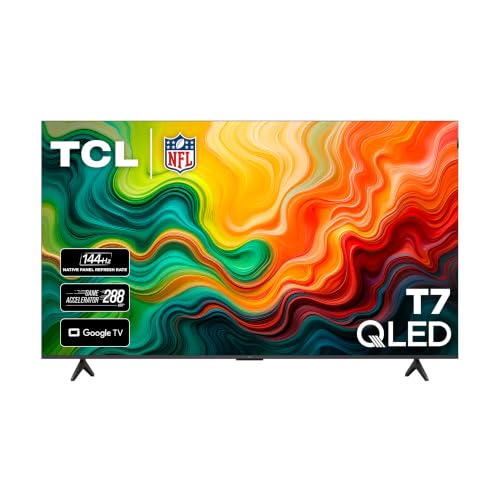
TCL 75″ T7 4K QLED Google TV (75T7)
Taking A Closer Look At The Options
Newer gamers stepping into 4K get a calmer setup path with this Amazon Fire TV 50-inch 4-Series bundle, since the wall mount and remote arrive in the same box. The included tilting mount fits 32 to 55-inch screens and sits roughly two inches off the wall, which keeps the silhouette clean in a small bedroom or den. Setup typically moves through a three-step bracket process with leveling adjustments, and the hardware is listed for wood stud or concrete installs.
The Alexa Voice Remote Pro earns its place on game night too, because the ring-the-remote feature saves those couch-cushion hunts when the controller battery dies. Compared with the larger TCL screens below, this one trades advanced panel tech for a friendlier first-time experience, and that is a fair trade for many households.
Reasons It Performs
- Bundled tilting mount removes a separate shopping trip
- Alexa Voice Remote Pro is findable by voice, which helps when controllers go missing
- Motion-activated backlight keeps button presses clear in dim rooms
- Two customizable buttons let you pin favorite streaming apps
Honest Caveats
- Panel specs trail the higher-tier TCL QM64L options in brightness and refresh
- Mount install assumes a single wood stud, which may not match every wall
Feature Snapshot
Made For
First-time gaming TV shoppers who want a single box that handles the screen, mount, and remote without extra trips.
Where Another Pick Suits Better
Gamers chasing higher refresh rates should consider the TCL 55-Inch QM64L, which targets smoother motion in fast scenes.
Sessions of fast-paced shooters feel more controlled on the TCL 55-Inch QM64L because the 144Hz VRR panel, meaning Variable Refresh Rate that syncs the display to your frame output to cut tearing, keeps motion crisp when the action speeds up. Mini LED backlighting with TCL’s Halo Control System aims to control halos around bright objects on dark backgrounds, which helps in dim cave levels and night maps. Dolby Vision IQ and Dolby Atmos support rounds out the HDR and audio experience for cinematic games.
The Fire TV smart platform and the upgraded Alexa+ Voice Remote sit on top, so voice search and app discovery feel familiar if you already use Fire TV elsewhere. Stepping up from the Amazon Fire TV 4-Series above, this 55-inch TCL trades a smaller screen for far more headroom in brightness and motion handling, and the trade feels right for competitive play.
A Strong Showing
- 144Hz VRR panel targets low-lag, tear-free gaming
- Mini LED backlighting aims to reduce halos around bright objects
- Dolby Vision IQ and Dolby Atmos support for cinematic titles
- Fire TV platform keeps streaming apps in one place
Worth Noting
- Mini LED performance depends on the local dimming zones, and mixed results show up in tricky HDR scenes
- Heavier than entry-level screens, so plan mounting hardware accordingly
Key Specs
Right Fit For
Competitive console players who want low-lag motion and bright HDR without jumping to a 75-inch panel.
Look Elsewhere When
Shoppers needing a smaller 50-inch footprint should consider the TCL 50-inch Class 4-Series instead, which suits tighter spaces.
Large living rooms benefit from the TCL 75-Inch QM64L because the same 144Hz VRR panel found on the 55-inch sibling stretches across a wider canvas, making split-screen and four-player lobbies easier to track. The Mini LED backlight and QLED color layer are designed to keep highlights punchy while preserving shadow detail, which matters during long open-world sessions. Dolby Vision IQ handles HDR scene-by-scene, so the picture adjusts as room lighting shifts from afternoon to evening.
You get the Fire TV interface and the Alexa+ Voice Remote, so navigating between game inputs and streaming apps stays familiar. Compared with the 55-inch QM64L above, the main change is footprint and immersion, since the core panel tech carries over. One thing worth considering is seating distance, since a 75-inch screen can feel close in a smaller den.
The Good Stuff
- 75-inch canvas gives multiplayer lobbies more breathing room
- Mini LED with QLED color targets strong HDR highlights
- 144Hz VRR keeps fast motion smooth during sports and racing
Trade Offs
- Requires a deeper viewing distance to avoid eye fatigue in tight rooms
- Larger panel means heavier mounting hardware and more careful wall planning
Tech Specs
Best Suited To
Multiplayer hosts running four-player nights who want a screen large enough for everyone to read.
Skip It When
Anyone with a tight 50-inch space should consider the Amazon Fire TV 50″ 4-Series bundle, which arrives with a wall mount in the box.
Mixed-use households appreciate the TCL 65-inch T7 because the QLED quantum dot layer (tiny particles that boost color volume) brings richer color alongside a 144Hz native panel, and Google TV ties streaming and live TV together in one menu. The HDR PRO+ package with Dolby Vision supports brighter highlights than a standard HDR set, which is helpful for sports broadcasts and open-world games with bright skies.
Game Mode lowers input lag for twitchy titles, and the wider 65-inch screen fits most living room walls without dominating the room. The T7 differs from the QM64L series reviewed earlier by running Google TV rather than Fire TV, so the platform decision matters if you already lean toward one ecosystem.
Useful Strengths
- 144Hz native panel suits high-frame-rate consoles and PC rigs
- QLED with HDR PRO+ supports richer colors in supported games
- Google TV interface unifies apps, live TV, and watchlists
Points To Keep In Mind
- Color volume falls short of the Mini LED QM64L in very bright scenes
- Google TV recommendations feel cluttered until you tune your profile
Quick Facts
Who It Suits Best
Living-room generalists who game on weekends and stream shows on weeknights, all on one screen.
Not Your Match When
Shoppers who prefer the Fire TV interface should consider the TCL 55-Inch QM64L, which keeps the experience in that ecosystem.
Bedrooms and dorms often work better with a 50-inch screen, and the TCL 4-Series with Roku TV keeps the footprint friendly without skipping 4K resolution. HDR support brings brighter highlights than standard dynamic range, which is useful in casual single-player games. The Roku platform stays simple, with a clean grid of apps and a single remote that does not overwhelm new gamers.
You give up the high refresh rates and Mini LED contrast of the larger TCL options reviewed here, but for solo sessions or a kids’ room, the trade feels reasonable. You may find the 50-inch size pairs well with a desk-mounted second monitor setup if you stream while playing.
Where It Delivers
- 4K resolution in a compact 50-inch frame fits tight rooms
- Roku TV interface is friendly for first-time smart TV users
- Lightweight build simplifies wall mounting and stand placement
Honest Caveats
- 60Hz panel will not match the 144Hz smoothness of the QM64L or T7 models
- HDR brightness is modest, so dark game scenes look flatter
Perfect Match For
Casual gamers setting up a bedroom, dorm, or kids’ playroom with limited wall space.
Another Choice May Suit
Gamers wanting 144Hz motion in a similar size should consider the TCL 55″ T7, which is the next step up in refresh rate.
A dedicated game room or open basement often asks for the biggest screen that still handles fast motion cleanly, and the TCL 85-Inch QM64L steps into that role. The same 144Hz VRR panel and Mini LED backlight found on the smaller QM64L siblings scale up here, so racing games and sports broadcasts feel cinematic without losing frame sync. The larger panel also gives racing dashboards and flight sims the room to display useful detail without feeling cramped.
The Fire TV smart platform and Alexa+ Voice Remote round out the experience, and Dolby Vision IQ handles shifting room light through the day. The honest read is that 85 inches is overkill for apartments, so this pick targets households with the wall space and seating distance to match.
Where It Helps
- 85-inch canvas elevates racing, flight, and open-world games
- Mini LED backlight keeps contrast clean on large HDR scenes
- 144Hz VRR holds up at flagship size without compromise
Where It May Fall Short
- Large panel weight demands reinforced mounting and a sturdy stand
- Power draw rises with screen size, so plan outlet placement
- Reflective surface shows room lights more than smaller screens do
Built With In Mind
Households with a dedicated game room, finished basement, or media wall that can handle an 85-inch centerpiece.
Swap It Out When
Anyone with a mid-size living room should consider the TCL 75″ T7, which keeps the QLED look in a more manageable size.
The 55-inch T7 often lands as the sweet spot in a gaming TV lineup because the screen feels generous without overwhelming a mid-size wall, and the 144Hz panel keeps up with modern consoles. QLED quantum dots lift color volume, so vibrant cartoony games and moody horror titles both look distinct. Game Mode aims to lower input lag, which matters in rhythm games and fighting titles where frame timing decides rounds.
Google TV brings a tidy streaming home screen with cross-device watchlists, and voice search works through the remote. The 55T7 differs from the QM64L series covered above by stepping down to a standard LED backlight, so peak HDR brightness sits below the Mini LED flagships. For most mid-size rooms, the trade feels fair.
Noteworthy Benefits
- 55-inch size balances immersion with everyday room layout
- 144Hz refresh rate suits modern console frame targets
- QLED color boost helps both bright and moody game palettes
A Few Limitations
- Standard LED backlight falls short of the Mini LED QM64L in dimming precision
- Google TV ads on the home screen need occasional clearing
Key Details
Who Should Grab It
Mid-size room gamers who want a 144Hz panel without jumping to Mini LED pricing.
Consider Something Else When
Buyers chasing deeper HDR contrast should consider the TCL 55-Inch QM64L, which adds Mini LED backlighting.
Family game nights and weekend movie marathons both ask for a big, colorful screen, and the TCL 75-inch T7 answers that call with QLED color and a 144Hz panel in one package. Dolby Vision support lifts HDR highlights for animated films, while the higher refresh rate keeps split-screen racing and party games smooth. Google TV brings family profiles and a kids’ section if you want curated content.
The 75T7 sits one tier below the QM64L flagship in backlight tech, so peak brightness is lower, but for mixed gaming and streaming it lands in a comfortable middle. The 75-inch size also helps when grandparents visit and want a clear view from the back of the couch.
Practical Pluses
- 75-inch canvas fits family-room viewing and party games
- QLED color brings animated and stylized games to life
- 144Hz refresh supports modern console frame rates
Some Limits To Know
- Standard LED backlight is dimmer than the Mini LED QM64L siblings
- Larger panel weight needs careful mounting and a wider stand
The Right Fit
Families who split time between multiplayer games, streaming, and weekend sports in one shared room.
A Better Fit Elsewhere
Single gamers chasing top-tier HDR should consider the TCL 75-Inch QM64L, which adds Mini LED control.
What To Weigh Before Choosing Your Next Gaming Screen
Refresh Rate And Variable Refresh Rate
The refresh rate is how many times per second the screen redraws, measured in hertz. A 60Hz panel redraws 60 times each second, which is fine for slower cinematic games but can blur during fast camera pans. Gaming panels that reach 120Hz or 144Hz redraw faster, which sharpens motion and gives competitive players a clearer read on incoming enemies. VRR, or Variable Refresh Rate, lets the screen match the frame rate your console or PC pushes, which reduces screen tearing without adding input lag. For most modern gaming builds, a 120Hz or 144Hz panel with VRR is the practical minimum.
Panel Tech And HDR Handling
LED, QLED, and Mini LED describe different backlight and color approaches. Standard LED uses a single backlight layer, which can wash out dark scenes. QLED adds a quantum dot layer for richer color volume, and Mini LED shrinks the backlight zones for tighter contrast. HDR, or High Dynamic Range, expands the brightness and color range so highlights pop and shadows hold detail, but the effect depends on peak brightness and local dimming. A Mini LED screen with strong HDR support tends to handle dark game scenes more cleanly than a basic LED panel.
Smart Platform And Voice Control
Smart platforms shape daily use as much as the panel itself. Fire TV, Google TV, and Roku each handle app discovery, voice search, and watchlists differently. If you already use a specific phone ecosystem or streaming service heavily, picking a TV that matches that platform can cut down on friction. Voice remotes with backlit buttons are a quiet bonus during dim gaming sessions.
Size, Viewing Distance, And Room Layout
Screen size and seating distance work together. A 50-inch screen feels comfortable from roughly 6 to 8 feet away, while 65- to 75-inch screens benefit from 8 to 10 feet of distance. Larger 85-inch screens really need 10 feet or more so your eyes can take in the whole picture without strain. Measure your seating layout before committing, and check that the chosen mount or stand supports the panel weight.
Key Considerations Across These Picks
Pitfalls Shoppers Hit
Many shoppers focus on resolution alone and overlook refresh rate, which matters more for fast games than a 4K badge. Others ignore viewing distance and end up with a screen that feels too close or too far from the couch. Skipping the panel tech details is another common miss, since a basic LED screen and a Mini LED screen both say “4K” on the box but handle dark scenes very differently. Plan seating distance, refresh rate, and backlight tech together before you decide.
Where The Extra Money Goes
Stepping up to a Mini LED panel like the QM64L series brings finer local dimming, which means darker blacks and cleaner highlights in HDR games. The premium tier also tends to include stronger processing for motion smoothing and better built-in audio support, so you spend less on a soundbar right away. The upgrade pays off most for gamers who play in dim rooms and care about contrast, while casual players in bright living rooms may not notice the gap as clearly.


