


Game installs keep ballooning, patches stack up overnight, and the slowest drive in your rig quietly turns every launch into a coffee break. The right SSD fixes that without forcing a new motherboard, and these ten picks cover the spectrum from M.2 NVMe speed demons to classic 2.5″ SATA workhorses that slide into any build. You’ll find options for tight budgets, handheld upgrades, and big libraries, each one judged on what it actually delivers when you’re loading into a match.
An Overview Of The Picks
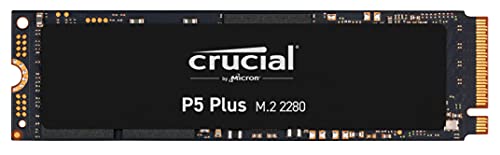
Crucial P5 Plus 2 TB M.2 NVMe Gen4 SSD

WD_BLACK SN850X 2TB NVMe Gaming SSD
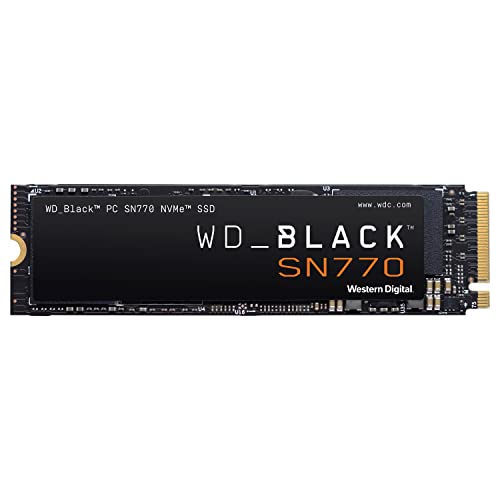
WD_BLACK SN770 2TB NVMe Gaming SSD

Samsung 860 EVO 1TB 2.5″ SATA SSD
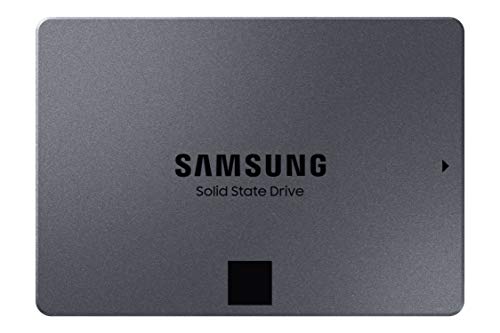
Samsung 870 QVO 2TB 2.5″ SATA SSD

WD_BLACK SN850 2TB NVMe Gaming SSD

Samsung 990 EVO Plus 2TB NVMe SSD

Crucial P3 Plus 2TB PCIe Gen4 NVMe
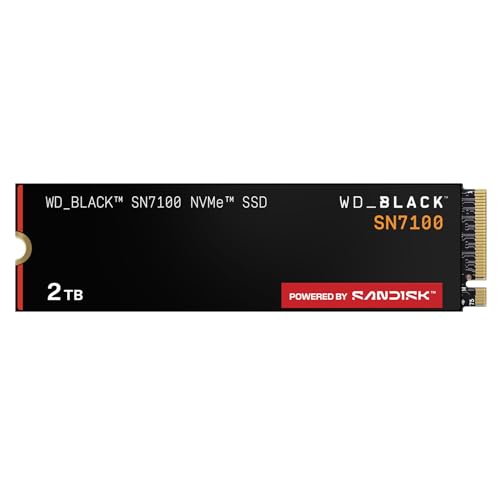
WD_BLACK SN7100 2TB NVMe SSD

Samsung 870 EVO 2TB 2.5″ SATA SSD
Meet The Standout Selections
The Crucial P5 Plus slots into a Gen4 M.2 2280 slot and immediately changes how a game library feels. With sequential reads listed at 6600 MB/s and writes near 5000 MB/s, a 100 GB title that used to take minutes to shuffle from cold storage lands far faster than the SATA drives later in this list. For a builder pairing this with a mid-range Ryzen or 12th-gen Intel CPU, the speed ceiling is high enough to matter but not so extreme that the motherboard becomes the bottleneck.
Two terabytes covers a serious install footprint, so a Steam library plus a few modern AAA releases fits without constant uninstall gymnastics. Heat output is moderate for a Gen4 drive, though slim M.2 slots in compact cases may need a basic heatsink to keep sustained loads comfortable.
Useful Strengths
- 6600 MB/s read speed handles large open-world loads with minimal stutter
- 2 TB capacity swallows most modern game libraries outright
- M.2 2280 form factor keeps cable clutter down inside the case
- Gen4 x4 interface balances speed and broad motherboard support
Points To Note
- No bundled heatsink, so slim builds may need an aftermarket thermal pad
- Full throughput requires a CPU and chipset that support PCIe 4.0
Key Specs
Made For
Mainstream PC builders who want a fast Gen4 drive without overshooting into premium pricing.
Consider Something Else When
The WD_BLACK SN850X suits shoppers chasing top-tier throughput and a heatsink option more than raw value.
WD_BLACK built the SN850X for the upper tier, and the numbers show it. Sequential reads up to 7300 MB/s and writes near 6300 MB/s put it in the conversation with the fastest consumer drives available, while the heatsink version is a clean fit for tight M.2 slots behind a GPU backplate. For a high-end build that already feeds the drive with a Gen4-capable CPU, the difference between this and a budget NVMe is most visible in heavy texture streaming during open-world traversal.
Builds that lean on a custom heatsink will appreciate that the drive ships with thermal considerations already factored in, and the 2 TB capacity lets a heavy game install coexist with a working library. Owners commonly report that sustained performance holds up better than the earlier SN850, though the heatsink version adds a few millimeters of height that some ultra-slim cases may need to clear.
Reasons It Performs
- 7300 MB/s read speed keeps open-world texture streaming responsive
- Heatsink option reduces thermal throttling in cramped M.2 slots
- TLC 3D NAND balances endurance and price-per-gigabyte
- Dashboard software for monitoring drive health on Windows
Trade Offs
- Premium positioning makes it pricier than the P5 Plus or P3 Plus
- Heatsink version adds height, so measure ultra-slim laptop fit first
Right Fit For
Enthusiast gamers building around a PCIe 4.0 platform who want one of the fastest consumer drives they can install.
Skip It When
The Samsung 990 EVO Plus makes more sense if thermal efficiency and modern firmware tuning matter more than absolute peak reads.
The SN770 trades a bit of headline speed for a friendlier cost, landing at 5150 MB/s sequential reads on the 2 TB model. For a builder stretching a budget across a GPU and SSD upgrade, that compromise rarely shows up during actual gameplay, and the drive draws less power than some of its Gen4 siblings, which matters in small-form-factor cases. Compared to the SN850X above, it skips the heatsink option entirely and gives up around 2 GB/s of peak throughput.
Installation is the usual M.2 2280 routine, and the lack of a bulky heatsink keeps it friendly inside thin Mini-ITX builds. Daily operation feels snappy even if synthetic benchmarks trail the premium tier by a noticeable margin.
Notable Upsides
- Lower power draw suits compact and quiet builds
- Gen4 speeds feel like a clear jump from any SATA SSD
- No bulky heatsink, so it drops into slim M.2 slots easily
- 2 TB capacity keeps multi-platform libraries comfortably installed
Things To Consider
- No heatsink included, and adding one is a separate purchase
- Slower than SN850X and 990 EVO Plus in sustained heavy writes
- Marketed as previous generation, so availability may narrow over time
Who Will Love This
Budget-conscious PC gamers who want a clear Gen4 jump from SATA without paying flagship pricing.
A Better Fit Elsewhere
The Crucial P5 Plus is a stronger pick when faster peak throughput and a slightly broader firmware track record matter more than price.
The 860 EVO is the veteran of this list, a 2.5″ SATA drive that earned its reputation through years of consistent behavior in laptops and desktops that never saw an M.2 slot. Read and write speeds land near the SATA ceiling of around 550 MB/s, so compared to the NVMe options above, large open-world loads will feel slower, but everyday responsiveness still feels modern thanks to the move away from spinning disks.
The 1 TB capacity is the smallest in this roundup, and the 2.5″ form factor means it works in older gaming laptops, mini PCs, and PS4-era consoles that lack M.2 entirely. For anyone replacing a failing HDD in a machine that cannot accept NVMe, this is the safe, well-trodden path.
Well-Handled Touches
- Universal 2.5″ SATA compatibility for older laptops and desktops
- Proven controller and V-NAND pairing with a long track record
- Low heat output suits passively cooled enclosures
Honest Caveats
- 1 TB fills up fast with modern AAA installs around 100 GB each
- SATA ceiling makes it feel slow next to the NVMe picks above
- No M.2 footprint, so it cannot slot into modern ultra-thin boards
Best Suited To
Owners reviving an older laptop or compact desktop where SATA is the only option and reliability is the top concern.
Look Elsewhere When
The Samsung 870 EVO makes more sense if the system supports SATA but you also want 2 TB of room for a larger library.
The 870 QVO is Samsung’s high-capacity SATA play, using QLC NAND to push 2 TB into a familiar 2.5″ shell at a lower cost per gigabyte than the EVO line. Sequential reads land around 560 MB/s and writes near 530 MB/s at the SATA limit, so day-to-day game launches feel snappy even if the drive is clearly outclassed by the NVMe drives earlier in this list. The trade-off is in sustained write performance, where the QLC cells can slow down once the SLC cache fills during very large transfers.
For a household that needs one drive to hold dozens of titles without juggling installs, the 870 QVO earns its place. Owners commonly use it as a bulk storage drive paired with a smaller NVMe boot drive in a desktop, which spreads the workload nicely.
Good Reasons To Consider
- 2 TB capacity at a lower cost than most 2 TB NVMe options
- SATA compatibility keeps it usable in older machines and laptops
- Samsung Magician software for health monitoring and firmware updates
Things To Weigh Up
- Sustained writes slow after the SLC cache fills, which matters for big day-one patches
- SATA ceiling means load times trail NVMe drives noticeably
- QLC endurance trails TLC drives, so heavy daily write workloads are worth monitoring
Key Specs
Who Should Grab It
Shoppers building or upgrading a SATA-only system who care more about capacity than peak NVMe throughput.
Reach For A Different Pick When
The Samsung 870 EVO fits better if you want stronger sustained writes and longer NAND endurance at a similar capacity.
The original SN850 established the WD_BLACK gaming line, and the 2 TB version still delivers up to 7000 MB/s reads and 5300 MB/s writes. It fits the same Gen4 ecosystem as the SN770 below it but pushes closer to the SN850X, making it a comfortable middle ground for builds that want flagship-class speed without paying the newest-drive premium. A 2 TB capacity means an M.2 slot can serve as a primary game drive rather than a sidekick to a SATA spinner.
Owners commonly pair the SN850 with a heatsink or motherboard-integrated M.2 shield, since sustained heavy writes can push the controller warm in confined cases. Compatibility with the PS5 expansion slot is a real bonus for console-side storage growth, though the heatsink-equipped version is the one most users grab for that use.
A Favorable Mix
- 7000 MB/s read speed keeps loading screens short in demanding titles
- Heatsink-equipped option suits PS5 expansion use
- 3D NAND with solid endurance for sustained gaming sessions
Some Limits To Know
- Older controller than the SN850X, so efficiency trails slightly under load
- Heatsink version adds height, worth measuring for tight M.2 placements
Perfect Match For
PS5 owners and PC builders who want Gen4-class speed and a heatsink for hot-running slots.
Where A Sibling Pick Shines
The WD_BLACK SN850X is a smarter buy for those who want the newer firmware and slightly higher peak throughput.
The 990 EVO Plus represents Samsung’s current flagship-leaning NVMe, with sequential reads up to 7250 MB/s and the kind of thermal behavior that lets it hold those numbers without aggressive throttling. Intelligent TurboWrite 2.0 helps big file transfers feel fast even when the workload spills past the drive’s SLC cache, and the 2 TB capacity handles a serious catalog of modern titles alongside a working software library. Versus the WD_BLACK SN850X earlier in this list, the 990 EVO Plus trades a small slice of peak read for more efficient thermals and a strong write profile.
For builds pushing the limits of PCIe 4.0 today, the 990 EVO Plus feels like a confident pairing. Owners who tend to leave their PC case closed and rely on passive airflow will likely appreciate how much less heat this drive generates compared to earlier flagship NVMe models.
Strong Points
- 7250 MB/s read speed holds up under heavy texture streaming
- Improved thermal design reduces throttling in confined cases
- Intelligent TurboWrite 2.0 speeds up large file transfers
- Samsung Magician support for firmware updates and health monitoring
A Few Limitations
- Premium pricing above mainstream Gen4 options like the P5 Plus
- Full speed requires a motherboard and CPU that expose PCIe 4.0 lanes
Key Specs
Built With In Mind
High-end gaming and creator rigs where thermal efficiency and top-tier throughput both matter.
Not Your Match When
The Crucial P3 Plus is a friendlier pick for mainstream builds where a lower cost outweighs chasing the fastest benchmarks.
The Crucial P3 Plus takes a relaxed approach to Gen4, offering 5000 MB/s sequential reads in the 2 TB model and staying compatible with Gen3 systems as well. For a household upgrading from a SATA SSD or a hard drive, the jump still feels substantial in everyday use, and the drive is equally at home in a desktop, a thin laptop, or a compatible mini PC. The M.2 2280 form factor keeps installation down to a single screw in most cases.
Compared to the P5 Plus earlier in this roundup, the P3 Plus trades peak throughput for a more accessible price, which suits casual and mainstream gaming workloads where the bottleneck is rarely the drive. Owners commonly report that the drive runs cool enough to skip a heatsink in well-ventilated cases.
A Few Strong Suits
- 5000 MB/s read speed feels fast even outside flagship benchmarks
- Backward compatible with PCIe Gen3 motherboards
- 2 TB capacity holds a full library of mid-size titles
- Cool-running controller, often fine without a heatsink
Where It May Fall Short
- Slower than the P5 Plus and SN850X under sustained heavy writes
- No DRAM cache, so very small random writes can feel uneven
Whose Shelf It Belongs On
Mainstream desktop and laptop shoppers who want a clear step up from SATA without paying flagship prices.
Swap It Out When
The WD_BLACK SN770 fits better if you care about consistent power efficiency and gaming-tuned firmware above a price-focused profile.
The SN7100 leans into the portable gaming category, with sequential reads up to 7250 MB/s and writes near 6900 MB/s in the 2 TB model. Power efficiency is the headline feature, since handhelds like the Steam Deck and various Windows-based portables run on battery and care deeply about watts drawn from the M.2 slot. The M.2 2230-compatible form factor support is a quiet win for builders putting together tiny enclosures where every millimeter and milliwatt matters.
For desktop use, the SN7100 holds its own against heavier drives like the SN850X, though the lack of a bundled heatsink means shoppers will need to factor that in for cramped tower builds. Owners commonly cite the combination of low heat and high throughput as the reason it ended up in a handheld.
Everyday Advantages
- Strong power efficiency suits battery-driven handhelds
- 7250 MB/s read speed matches flagship-tier drives
- Next-gen TLC 3D NAND balances endurance with performance
- Compact-friendly fit for slim laptops and small enclosures
Practical Considerations
- Heatsink sold separately, so factor that in for warm cases
- Handheld form factor support varies by device, so confirm fit before ordering
Who It Suits Best
Steam Deck and handheld gaming PC owners who want fast, efficient storage without draining battery life.
A Better Fit Elsewhere
The Samsung 990 EVO Plus is a smarter pick for desktop-first builds where thermal headroom is less of a concern.
The 870 EVO is the safe choice in this roundup, pairing Samsung’s TLC V-NAND with the SATA III ceiling of around 560 MB/s reads. The 2 TB capacity is generous for a SATA drive, and the 2.5″ 7mm form factor drops into standard laptop bays and desktop mounts without drama. Compared to the 870 QVO earlier in this list, the EVO trades a small amount of capacity-per-dollar for stronger sustained writes and higher endurance, which matters during large day-one patches and frequent reinstalls.
For a system without an M.2 slot, or a build where the SATA controller is the only option, the 870 EVO remains a confident pick. Owners commonly report that the Samsung Magician software makes cloning from an older drive straightforward, which simplifies upgrades for non-technical shoppers.
The Upside
- TLC NAND with stronger endurance than the QLC-based 870 QVO
- 2 TB capacity fits a full modern game library
- Wide compatibility with SATA-equipped desktops, laptops, and external enclosures
Details To Watch
- SATA ceiling leaves noticeable load-time gaps behind any NVMe drive in this list
- No M.2 footprint, so it cannot go into modern ultrabook M.2 slots
Made For
General PC and laptop upgrades where SATA is the available interface and steady reliability matters more than peak speed.
Where Another Pick Suits Better
The WD_BLACK SN770 is a smarter choice if the system supports M.2 NVMe and you want a clear generation-jump in throughput.
What To Weigh Before Choosing 2 5 Inch Ssds For Gaming
Interface And Form Factor Fit
Start by checking what the system actually supports, since NVMe M.2 drives only reach full speed on motherboards with a PCIe Gen3 or Gen4 slot. SATA 2.5″ drives still make sense in older laptops, PS4-era consoles, and desktops without M.2 slots. Picking the wrong interface usually means either leaving speed on the table or buying a drive that physically does not fit.
Capacity For A Real Game Library
Modern AAA installs commonly cross 100 GB, so 2 TB has become a comfortable baseline for gamers juggling multiple platforms. A 1 TB drive like the 860 EVO in this list can still work as a boot drive paired with a larger secondary for games, but the experience is smoother when the primary drive holds everything.
Sustained Write Behavior
Peak read numbers grab attention, but sustained writes matter for large day-one patches and big mod installs. Drives with smaller SLC caches, like the 870 QVO, can slow noticeably once that buffer fills, while TLC drives with larger caches tend to hold steadier speeds.
Thermal And Power Considerations
M.2 NVMe drives can run warm under heavy load, and slim cases without airflow may need a heatsink. Handheld and laptop users should weigh power efficiency alongside raw throughput, which is why the SN7100 stands out for portable gaming rigs.
Key Considerations Across These Picks
Mistakes Worth Dodging
Buying an NVMe drive for a system that only exposes SATA is the most common slip, since the M.2 slot may physically fit but the speed will cap at SATA limits. Skipping a heatsink for a Gen4 drive in a small case is another one, because sustained loads can throttle performance. Lastly, underestimating future game sizes leads to a drive that fills up within a year, so 2 TB is a safer baseline for most gamers.
Why Top Tier Costs More
Premium NVMe drives like the 990 EVO Plus and SN850X cost more because they use newer controllers, more efficient NAND, and firmware tuned for sustained heavy workloads. The extra spend typically shows up in thermals, endurance, and how well the drive holds speed during long sessions, which matters most for power users and creators running the drive hard.
Frequently Asked Questions
What Is The Difference Between NVMe And SATA SSDs?
NVMe drives use the PCIe bus to talk directly to the CPU, which allows multi-gigabyte speeds, while SATA drives top out around 550 to 600 MB/s because of the older interface. For gaming, NVMe reduces load times most visibly in large open-world titles, though SATA still feels much faster than any hard drive.
Do I Need A Heatsink For My M.2 SSD?
A heatsink helps in small or poorly ventilated cases where sustained heavy writes can push the controller warm, and many motherboards include M.2 shields for that reason. In a standard mid-tower with decent airflow, drives like the P3 Plus and SN770 often run fine without one.
Can I Use A PCIe 4.0 Drive In A PCIe 3.0 Slot?
Yes, most PCIe 4.0 NVMe drives are backward compatible with Gen3 slots, though peak speeds will be limited to the Gen3 ceiling. In practice, a 990 EVO Plus in a Gen3 system still feels snappy, just not at its full rated throughput.
Is 2 TB Enough For Modern Gaming?
For most gamers, 2 TB comfortably holds a current library plus a working software stack, though heavy modding or large-scale captures can push that higher. A 1 TB drive still works as a boot drive when paired with a larger secondary for games.
Are 2.5″ SATA SSDs Still Worth Buying In 2026?
Absolutely, especially for older laptops, SATA-only desktops, and PS4-era consoles that lack M.2 slots. A SATA SSD still feels dramatically faster than a hard drive and offers generous capacity at accessible prices.
Closing Remarks
The right SSD comes down to matching the drive to the system, the library, and the kind of gaming you do most. PCIe 4.0 NVMe drives deliver the shortest load times for modern rigs, while 2.5″ SATA options keep older hardware feeling quick and reliable. Pick the one that fits your build today, and your game library will thank you every time you hit launch.


