


Putting together a gaming rig means choosing memory that won’t bottleneck the rest of the build, and 16GB remains a sensible floor for most modern titles. The trick is sorting through nearly identical part numbers to find the kit that actually fits your motherboard, your case height, and your tolerance for RGB. This list breaks down ten 16GB RAM kits worth your attention, with honest notes on where each one fits and where another pick suits you better.
The Lineup, Simplified

Corsair Vengeance LPX 16GB DDR4 3200MHz (CMK16GX4M2B3200C16)

CORSAIR Vengeance LPX 16GB DDR4 3600MHz (CMK16GX4M2D3600C18)
CORSAIR Vengeance LPX 16GB DDR4 3000MHz (CMK16GX4M2B3000C15)

CORSAIR Vengeance RGB PRO 32GB DDR4 3600MHz (CMW32GX4M2Z3600C18)

Netac Shadow S4 DDR4 32GB (2x16GB) 3200MHz
CORSAIR Vengeance LPX 32GB DDR4 3200MHz (CMK32GX4M2E3200C16)
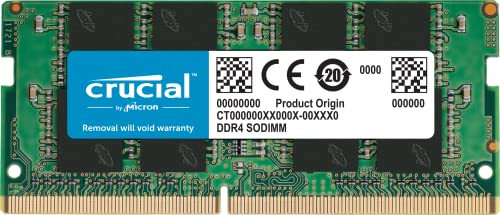
Crucial 16GB DDR4 3200MHz SODIMM (CT16G4SFRA32A)
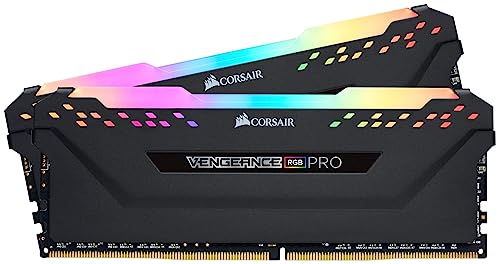
CORSAIR Vengeance RGB PRO 16GB DDR4 3200MHz (CMW16GX4M2C3200C16)
CORSAIR Vengeance RGB PRO 16GB DDR4 3600MHz (CMW16GX4M2D3600C18)

KLEVV Bolt X DDR4 16GB 3200MHz (KD48GU880-32A160U)
More On The Choices That Made The List
The 3200 LPX kit earns its spot at the top of most shortlists for a simple reason: it works in nearly every modern DDR4 build without fuss. Two 8GB sticks running at 3200MHz with CL16 timing hit a comfortable middle ground for both Intel and AMD platforms, and the low-profile heat spreader sits around 34mm tall, so you avoid clearance fights with tower air coolers. The aluminum housing is plain by design, which keeps the kit compatible with cases that demand a clean, no-LED aesthetic.
For most first-time builders pairing a mid-range CPU with a B-series motherboard, this kit removes the trial-and-error phase. XMP 2.0 (an Intel-extensible memory profile that loads your rated speed automatically from the BIOS) gets you to the rated speed with one toggle, and owners commonly report stable overclocks beyond spec on capable boards. Compared to the faster LPX variants below, you trade a bit of bandwidth for tighter latency, which is often the better real-world trade.
The Good Stuff
- 34mm low-profile heat spreader fits under most tower coolers and inside compact cases
- CL16-18-18-36 timings keep latency in check for snappy 1% lows in competitive games
- 1.35V operation stays within spec for a wide range of B550, B660, and Z-series boards
- Plug-and-play XMP 2.0 profile means no manual frequency tuning for first-timers
Things To Consider
- Plain black heat spreader offers nothing for builders chasing RGB coordination
- Pushing past 3600MHz on this IC lottery varies kit to kit
- No included cooling fan, which is fine for most setups but worth noting in poorly ventilated cases
Key Specs
Who Will Love This
First-time builders and mid-range gamers running B550 or B660 boards who want a no-fuss 16GB kit that simply works.
Skip It When
You want integrated RGB lighting, in which case the CORSAIR Vengeance RGB PRO 16GB DDR4 3200MHz (CMW16GX4M2C3200C16) is a better visual match.
Step up to 3600MHz and the silicon really starts to breathe, especially on AMD Ryzen. The Infinity Fabric (AMD’s interconnect that links the CPU cores to the memory controller) is widely happy running at a 1:1 ratio with DDR4-3600, and this LPX kit targets exactly that band. Two 8GB modules at CL18-22-22-42 land at 1.35V, which is the standard XMP voltage for the speed tier.
You’ll notice the difference most in CPU-bound titles like simulation or strategy games, where the extra bandwidth smooths out frame pacing. The heat spreader and footprint mirror the 3200 LPX above, so swapping between them in the same build is essentially free. For Zen 3 and Zen 4 processors, this kit often hits the practical performance ceiling without venturing into premium-priced territory.
The Upside
- 3600MHz speed aligns with AMD’s 1:1 Infinity Fabric sweet spot for Ryzen 5000 and 7000
- Same low-profile heat spreader as the 3200 variant, so cooler compatibility carries over
- Stable at the rated XMP profile on most B550, X570, and B650 boards out of the box
Honest Caveats
- CL18 latency is looser than the 3200 kit, partially offsetting the bandwidth gain
- On older Intel Z170/Z270 boards, the speed often downclocks to 2133 or 2400MHz
Best Suited To
Ryzen builders chasing the 1:1 memory ratio who want a meaningful step up from a 3200 kit without RGB cost.
Look Elsewhere When
You want the same speed with synchronized lighting, which is what the CORSAIR Vengeance RGB PRO 16GB DDR4 3600MHz (CMW16GX4M2D3600C18) covers.
The 3000 LPX kit shows up on older builds and entry-level parts lists, and the reason is straightforward: it offers a tighter CL15 timing than the 3200 sibling for around the same money. Two 8GB modules at 3000MHz with CL15-17-17-35 hand you a sub-11ns real-world latency figure, which is genuinely useful on first-generation Ryzen or older Skylake/Kaby Lake systems where pushing past 3000 gets unstable.
The trade-off sits in raw bandwidth, and in titles that stream heavy textures you’ll see the 3200 kit pull slightly ahead. For most gamers running a GTX 1660-class card or older, that gap is invisible. The aluminum heat spreader and 34mm height are identical to the other LPX kits, so compatibility with mid-tower coolers is a non-issue.
Everyday Perks
- CL15 timing gives this kit lower latency than the newer 3200 variant at the same 1.35V
- Mature, widely compatible XMP profile for legacy 100-series and 200-series Intel boards
Points To Note
- 3000MHz ceiling limits throughput on modern Ryzen CPUs that benefit from 3600
- Older PCB revision may lack tighter secondary timings found on current LPX runs
Made For
Owners of older Intel Z170 or first-gen Ryzen rigs who want maximum stability at 3000MHz with low CAS latency.
Consider Something Else When
Your motherboard supports 3600 and you want headroom, in which case the CORSAIR Vengeance LPX 16GB DDR4 3600MHz (CMK16GX4M2D3600C18) is the natural upgrade.
This is the 32GB version of the RGB PRO family, which lands it slightly outside the 16GB brief but earns its slot for a different reason. Two 16GB sticks at 3600MHz with CL18-22-22-42 give you 32GB of breathing room, useful for streamers running OBS, Chrome, and a modern game simultaneously. Ten individually addressable RGB LEDs per module light up the diffuser bar without the cable clutter of older RGB DIMMs.
The wire-free light bar uses a small conductor strip along the top edge of the PCB, which means no extra power cable to route. You control everything through CORSAIR iCUE software, syncing with compatible fans, coolers, and keyboards. Compared to the 16GB RGB PRO kits below, you trade two RGB-friendly slots for double the capacity.
What Helps Most
- 32GB capacity handles game plus OBS plus a dozen Chrome tabs without paging to disk
- Ten individually addressable LEDs per module allow granular per-stick effects in iCUE
- Wire-free light bar keeps the build clean inside tempered-glass cases
Trade Offs
- Heatsink height around 51mm can interfere with some top-down CPU coolers
- iCUE software has a reputation for being heavier than competitors like SignalRGB
Perfect Match For
Streamers and creators building a showcase rig with iCUE-synced components who want both RGB and 32GB of capacity.
Another Choice May Suit
You mainly game without streaming and want to keep costs in check, in which case the CORSAIR Vengeance RGB PRO 16GB DDR4 3600MHz (CMW16GX4M2D3600C18) saves money for the same look.
Netac’s Shadow S4 is the dark-horse option on this list, and it earns attention by offering 32GB at 3200MHz with a clean aluminum heat spreader and no RGB tax. The kit ships as two 16GB modules running at 1.35V with a CL16 timing, hitting the 3200 sweet spot that suits both modern Intel and AMD platforms. The 288-pin DIMM format follows the standard DDR4 desktop layout, so installation is the usual two-click affair.
The Shadow S4 name hints at the low-profile design language, and the spreader sits short enough to clear most tower coolers. For content creators and streamers who don’t care about lighting but do care about capacity, this is a practical alternative to the CORSAIR 32GB kit above. Owners commonly report clean XMP 2.0 boots on mid-tier motherboards.
What Earns Its Place
- 32GB capacity at 3200MHz without the lighting overhead
- Low-profile heat spreader keeps clearance with most air coolers
Less Ideal Details
- Brand recognition lags behind CORSAIR, so resale value is lower if you upgrade yearly
- CAS 16 at 3200 is solid but not class-leading compared to 3600 alternatives
Right Fit For
Content creators and streamers who want 32GB of headroom for multitasking without paying extra for RGB.
Reach For A Different Pick When
You want the same capacity with a longer warranty track record, in which case the CORSAIR Vengeance LPX 32GB DDR4 3200MHz (CMK32GX4M2E3200C16) is a safer bet.
CORSAIR’s 32GB LPX kit differs from the older 16GB versions in one notable way: it ships with both Intel XMP and AMD EXPO profiles baked into the SPD (the small chip on the module that stores memory configuration data). On AM5 motherboards, you can load the EXPO profile for a one-click 3200MHz boot without manual tuning, which is convenient for builders new to the Ryzen 7000 platform.
Two 16GB modules at CL16-20-20-38 keep latency modest at the rated speed, and the aluminum heat spreader stays under most tower coolers. For a future-proofed build where you might swap CPUs across brands, the dual-profile support is a quiet but meaningful advantage. The capacity also makes it viable for workstation-style workloads on the same PC that games in the evening.
Points In Its Favor
- Dual XMP and EXPO profiles for cross-platform flexibility
- 32GB headroom is comfortable for gaming plus background workloads
A Few Limitations
- CL20 secondary timings are looser than the 16GB LPX variants above
- EXPO support only matters on AM5 boards, making the feature wasted on older AMD systems
Whose Shelf It Belongs On
Owners of AM5 motherboards who want a 32GB DDR4 kit (running via the older DDR4 variant of X670 boards in some regions) with native EXPO tuning.
Swap It Out When
You mainly play games and don’t multitask heavily, in which case the CORSAIR Vengeance LPX 16GB DDR4 3600MHz (CMK16GX4M2D3600C18) saves cash for identical latency performance.
The lone laptop entry on this list, the Crucial 16GB SODIMM is a single 16GB module in the 260-pin small outline DIMM form factor used by most modern notebooks. It runs at 3200MHz, and Crucial lists it as compatible with 13th Gen Intel Core and AMD Ryzen 7000 mobile platforms, which covers most current gaming and content-creation laptops. The single-stick configuration leaves the second slot free for an eventual 32GB upgrade without replacing what you have.
For anyone whose gaming PC travels in a backpack, this is the kit that actually solves the upgrade problem. Crucial maintains a strong compatibility database, so matching the part number to your specific laptop model takes the guessing out of the purchase. Compared to the desktop kits above, you lose the dual-channel benefit unless you install two of these.
Standout Benefits
- Single 16GB module leaves the second slot open for a later 32GB upgrade
- Crucial’s compatibility database makes laptop matching straightforward
Factors To Consider
- Single-stick configuration runs in single-channel mode, which is slower than dual-channel in bandwidth-limited games
- SODIMM form factor will not physically fit a desktop DIMM slot
Built With In Mind
Gaming laptop owners looking to bump from 8GB to 16GB or move to a higher-frequency module for modern titles.
A Better Fit Elsewhere
You have a desktop tower, in which case the KLEVV Bolt X DDR4 16GB 3200MHz (KD48GU880-32A160U) is a desktop DIMM at the same capacity and speed.
The 3200 RGB PRO is the lighting-friendly sibling of the LPX kit that opened this list, and it earns its spot for builders who want the same capacity and speed with a vivid light bar on top. Two 8GB modules at 3200MHz with CL16-18-18-36 hit the same 1.35V XMP profile, so performance sits within a percent or two of the non-RGB LPX. The wire-free light strip avoids the cable mess older RGB kits carried, which simplifies routing inside compact cases.
Where this kit stands out is in the visual payoff. Ten individually addressable RGB LEDs per module create smooth color transitions rather than blocky segments, and iCUE ties the effect to other CORSAIR components for a unified look. For a build that lives behind a tempered-glass panel, the difference is noticeable. The trade-off is the taller heat spreader, which can press against certain air coolers.
Practical Pluses
- Smooth per-LED lighting transitions look more refined than older segmented RGB
- CL16 timings match the LPX kit for near-identical gaming performance
- No extra RGB power cable needed, unlike older Vengeance RGB variants
Possible Compromises
- Heatsink height around 51mm may conflict with some top-down CPU coolers
- iCUE software demands a small footprint of background resources
Right Fit For
Builders designing a tempered-glass showcase rig who want 16GB of 3200 memory with synchronized lighting across iCUE-compatible parts.
Not Your Match When
You’re using a large dual-tower air cooler with limited RAM clearance, in which case the non-RGB Corsair Vengeance LPX 16GB DDR4 3200MHz (CMK16GX4M2B3200C16) avoids the issue.
This is the fastest RGB-equipped 16GB kit on the list, and it pairs the 3600MHz speed band with the same vivid light bar as the 3200 RGB PRO above. Two 8GB modules at CL18-22-22-42 run at 1.35V, which is standard for the speed tier. On Ryzen 5000 and 7000 systems, you get the 1:1 Infinity Fabric benefit while keeping the visual style intact.
For builders who refuse to choose between speed and lighting, this kit lands in a narrow but well-populated niche. The trade-off compared to the non-RGB LPX at the same speed is mostly the height of the heat spreader and the cost of the lighting hardware. In well-ventilated cases with adequate CPU cooler clearance, both concerns fade.
What Makes Sense
- 3600MHz pairs with Ryzen’s 1:1 memory controller ratio for balanced throughput
- Per-LED lighting control through iCUE avoids blocky color segments
Soft Spots
- Higher cost than non-RGB 3600 kits with similar ICs
- CL18 secondary timings are looser than 3200 LPX variants, partially offsetting the speed gain
Who Should Grab It
Ryzen builders who want a 16GB 3600 kit with showcase lighting and don’t mind paying a small premium for the visual layer.
Where Another Pick Suits Better
You want the same 3600 speed without the lighting premium, in which case the CORSAIR Vengeance LPX 16GB DDR4 3600MHz (CMK16GX4M2D3600C18) handles the speed on its own.
KLEVV is a less familiar name in North American retail, but the parent company distributes memory built on SK Hynix ICs, which is a reassuring note for silicon quality. The Bolt X kit ships as two 8GB modules at 3200MHz with CL16 timing at 1.35V, hitting the same basic envelope as the LPX kits above. The understated black heat spreader keeps the visual profile low and the cooler-clearance story simple.
For a quiet secondary PC or an HTPC build where RGB would feel out of place, this kit delivers the same everyday performance as the bigger-name competition without the brand premium. Owners commonly report clean XMP 2.0 boots on mainstream motherboards. Compared to the entry-level 3000 LPX above, you gain frequency while paying attention to the same basic spec sheet.
Notable Gains
- SK Hynix ICs offer consistent quality and good overclocking headroom on capable boards
- CL16 timing at 3200 keeps real-world latency competitive with the LPX family
Worth Bearing In Mind
- Less retail presence means longer RMA (return merchandise authorization) shipping if a stick fails
- No companion software for monitoring or tuning outside the BIOS
The Right Fit
Builders putting together a clean, low-key secondary PC or HTPC who want solid DDR4-3200 without paying for branding.
Where A Sibling Pick Shines
You prioritize mainstream U.S. retail support and an established warranty track record, in which case the Corsair Vengeance LPX 16GB DDR4 3200MHz (CMK16GX4M2B3200C16) is a safer retail bet.
Sorting Through DDR4 Kits That Actually Fit Your Build
Picking 16GB of RAM looks simple on paper, but the difference between a smooth build and a frustrating weekend usually lives in the details. Start with the form factor. Desktop motherboards take full-size DIMMs (the long 288-pin modules), while laptops need SODIMMs (shorter 260-pin modules), and the two will never fit each other’s slots. If your machine is a notebook, the Crucial SODIMM is the only kit on this list that physically applies.
Speed and timing both matter, but they pull in different directions. Frequency (measured in MHz) drives raw bandwidth, while CAS latency (the column address strobe delay, in clock cycles) determines how quickly the memory responds to a request. A 3200 CL16 kit and a 3600 CL18 kit end up with surprisingly close real-world latency once you do the math, which is why the difference in gaming is often a few frames rather than a generational leap.
The platform you’re building on shapes the right target. Intel 12th, 13th, and 14th Gen CPUs run DDR4 or DDR5 depending on the motherboard, and on the DDR4 side anything from 3200 to 3600 hits a comfortable zone. AMD Ryzen 5000 and 7000 prefer 3600 to keep the Infinity Fabric in a 1:1 ratio with the memory clock, which is why several kits on this list target that exact band. AMD’s EXPO profile standard is the equivalent of Intel’s XMP, and the LPX 32GB kit carries both for cross-platform flexibility.
Capacity planning is the last piece. 16GB handles the vast majority of current games at 1080p and 1440p, but if you stream with OBS, run Discord, and keep a browser open, the 32GB kits in this list (Netac Shadow S4 and the 32GB LPX) provide headroom that prevents background processes from stuttering your game. The single 16GB SODIMM works fine for laptops but runs in single-channel mode, which is slower than dual-channel in bandwidth-heavy scenes.
Key Considerations Across These Picks
Common Shopping Slip Ups
The most frequent mistake is grabbing a kit without confirming your motherboard’s QVL (qualified vendor list), the manufacturer’s tested-compatibility roster. Even a kit with the right speed and capacity can fail to boot if the BIOS lacks a matching XMP or EXPO profile. Update the BIOS before installing new RAM, especially on older boards. Another trap is mismatched kits: pairing an LPX 3200 with a third-party 3600 stick can force both to drop to the slower stick’s speed.
What The Higher Tier Buys
Stepping from a 16GB 3200 kit to a 32GB 3600 RGB PRO setup costs more in three directions. You pay for the extra capacity, the faster memory chips capable of stable 3600 with reasonable timings, and the lighting hardware plus the wire-free light bar. For pure gaming without streaming, the visual and capacity premium rarely shows up in frame rates. Where the extra cost earns its keep is in multitasking, future-proofing, and showcase builds where the lighting becomes part of the build’s identity.
Frequently Asked Questions
Is 16GB of RAM still enough for gaming in 2026?
Yes, for most current titles at 1080p and 1440p, 16GB remains adequate. Open too many background applications and the system starts to page, so 32GB is the safer choice for streamers and creators.
What is the difference between XMP and EXPO?
XMP is Intel’s memory overclocking profile standard, while EXPO is AMD’s equivalent for Ryzen platforms. Both are stored on the module and let you load the rated speed with one BIOS toggle.
Does RAM speed really affect gaming performance?
It does, but the gains shrink as CPUs get more efficient. Going from 2666 to 3600 can lift 1% lows (the slowest 1% of frame times) by a noticeable margin in CPU-bound games, but jumping from 3600 to 4000 typically shows diminishing returns on most platforms.
Can I mix two different RAM kits?
Technically possible, but risky. Mismatched speeds, timings, or IC origins often force both kits down to the slower stick’s profile, and some combinations refuse to boot at all. Matching kits is the safer route.
Do I need DDR5 instead of DDR4 for a new gaming PC?
Only if your chosen CPU and motherboard are DDR5-only, which is the case for current Intel Core Ultra and AMD Ryzen 9000 platforms. Older Intel 12th to 14th Gen and AMD AM4 boards still run DDR4, and the kits on this list match those systems well.
Wrap Up
The right 16GB RAM kit depends less on brand and more on the platform you’re building, the case you’re fitting it into, and whether you care about lighting. Match the form factor first, then the speed tier your CPU and motherboard actually support, and pick the heat spreader height that clears your cooler. From there, the choice between RGB and plain, or 16GB and 32GB, comes down to personal taste. Every kit on this list is a sensible option for the build it was designed for.


