


You want to hear grenade pins drop two rooms over, and you also want to enjoy the orchestral score in your favorite single-player campaign without it turning to mud. The catch is that gaming headsets are usually tuned for explosions, not for nuance, while audiophile headphones usually leave you shouting into a missing microphone. The list below covers both ends, plus a few clever middle-ground options, so you can find one that fits your rig, your room, and your tolerance for cables.
A Closer Look At The Lineup

HyperX Cloud III Wired Gaming Headset (White)

beyerdynamic TYGR 300 R Open-Back Gaming Headphones

Ordtop 2.4GHz Wireless Gaming Headset with 7.1 Surround

Skullcandy Crusher Evo Wireless Over-Ear Headphones – Realtree APX

HyperX Cloud III Wired Gaming Headset (Pink)
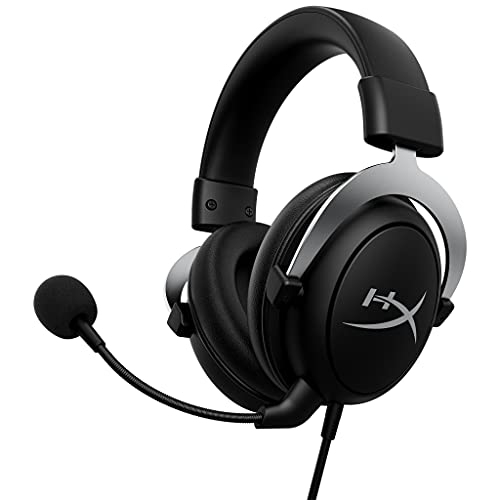
HyperX CloudX Official Xbox Gaming Headset

HyperX Cloud Alpha Gaming Headset (Red)

beyerdynamic MMX 330 Pro Open-Back Gaming Headset

beyerdynamic MMX 300 Pro Closed-Back Gaming Headset

HyperX CloudX Stinger Core Wireless Gaming Headset
What Each Pick Brings To The Table
The Cloud III in white is the headset most people probably should buy first, and that’s a compliment. It pairs angled 53mm dynamic drivers with the kind of plush memory foam ear cushions that make a four-hour raid night feel like a quick match. Connection options cover nearly every rig you’ll see in a living room: USB-C, USB-A, and a 3.5mm jack for older controllers and a flight to Bali.
Versus the pricier beyerdynamic options later in this list, the Cloud III trades pure staging depth for a friendlier midrange that suits chaotic team shooters where callouts matter more than the rustle of a virtual bush. The 10mm mic is detachable, and in practice the team hears you clearly without you sounding like a ham radio operator.
Real-World Strengths
- Plush memory foam in the headband and cups keeps pressure off your temples during long sessions
- Three connection paths (USB-C, USB-A, 3.5mm) cover PC, PS5, Xbox, and Switch without adapters
- Angled 53mm drivers deliver a clean midrange, so dialogue and voice chat sit forward in the mix
- Detachable 10mm microphone makes it easy to swap between gaming and music-only listening
Worth Noting
- The wired design means you’ll manage a cable, especially on a couch setup
- Soundstage is more intimate than the open-back beyerdynamic options, so single-player atmosphere is slightly compressed
Key Specs
Right Fit For
Multi-platform households and streamers who want a comfortable daily driver that just works across PC, PS5, and Xbox.
Look Elsewhere When
You want the airy, open-back staging of the beyerdynamic MMX 330 Pro and play mostly in a quiet, dedicated space.
The TYGR 300 R is the headphone equivalent of a studio nearfield monitor: open-back (a design that lets air pass through the ear cups, creating a wider, more natural soundstage), wired, and tuned with an analytical ear. There’s no microphone in the box, which is a deliberate choice for anyone who treats voice chat as a separate accessory. What you get in return is a wide, breathable presentation that makes single-player environments feel properly dimensional.
Compared with the Cloud III’s closed-back warmth, the TYGR 300 R sounds cooler and more revealing, almost like switching from a comfy sedan to a sports car. In a quiet room at night, that’s a real upgrade for someone who plays narrative games as much as shooters.
The Good Stuff
- Open-back design produces a wide, airy soundstage that benefits single-player and simulation games
- Made for desktop listening, so the imaging helps you pick out subtle positional cues
- Wired-only design avoids battery anxiety for long sessions
Points To Keep In Mind
- No built-in microphone means you’ll need a separate desktop or clip-on mic for team chat
- Open-back construction leaks sound both ways, which can be awkward in shared rooms or late at night
- Lightweight build needs careful handling, and owners commonly recommend storing on a stand to protect the headband
Best Suited To
Gamers with a quiet, dedicated space who want audiophile-grade imaging and don’t mind adding a standalone mic.
Swap It Out When
You need an all-in-one solution for shared living spaces, where the closed-back beyerdynamic MMX 300 Pro is a better neighbor.
The Ordtop headset arrives with an unusually long feature list for its class: a 2.4GHz wireless dongle, Bluetooth 5.4 (the current standard for stable, low-latency wireless audio), RGB lighting, 7.1 virtual surround, and a stated 40-hour battery life, all wrapped in a 276g frame. It aims to be the “do everything” pick for someone bouncing between a PS5, a Switch, a phone, and a laptop.
Side by side with the HyperX Cloud III, the Ordtop trades wired reliability for wireless freedom, and adds lighting you’ll either love or mute within a week. The 40mm drivers lean a touch brighter than audiophile purists might want, but for couch play and casual ranked sessions, the convenience factor carries a lot of weight.
Useful Highlights
- Four connection modes (2.4GHz, Bluetooth, USB, 3.5mm) cover nearly every device on your desk or TV stand
- Stated 40-hour battery life keeps charging interruptions to a minimum during long weekends
- Lightweight 276g build reduces neck fatigue compared to heavier wireless competitors
Small Caveats
- 7.1 virtual surround is a software effect, so it can exaggerate certain frequencies and isn’t a true multi-driver array
- RGB lighting requires power and may need to be toggled off to stretch battery life further
Feature Snapshot
Perfect Match For
Console and PC players who want wireless freedom, multi-device pairing, and aren’t chasing studio-grade detail.
Skip It When
You prefer the natural, open-back sound of the beyerdynamic TYGR 300 R and don’t need wireless at all.
The Crusher Evo is not a subtle headset, and that’s the point. Its signature trick is adjustable haptic bass (low-frequency vibration you can actually feel) that lets you dial in chest-rumbling low end for action games and tone it down for podcasts. Realtree APX camo adds a touch of personality that won’t appeal to everyone, but it stands out from the sea of black and white options.
Next to the more analytical beyerdynamic options, the Crusher Evo is a different beast: less about hearing the exact location of a reload, more about feeling the drop of a heavy weapon. That’s a fair trade for couch gaming and music sessions, and a poor fit for purists chasing flat frequency response (a tuning style that aims to reproduce audio without boosting any part of the frequency range).
Well-Handled Touches
- Adjustable Crusher bass slider lets you tune the low end to your mood or content
- Personal Sound feature builds a custom profile based on a quick hearing check
- Stated 40-hour battery with rapid charge covers most weeks between top-ups
Honest Caveats
- Bass-forward tuning can mask subtle midrange detail, especially in dialogue-heavy games
- Not built primarily for competitive FPS play, where imaging precision matters more than impact
Feature Card
Who Should Grab It
Casual gamers and music lovers who want a fun, bass-rich sound and don’t care about competitive tuning.
A Better Fit Elsewhere
Hardcore FPS players get more positional accuracy from the HyperX Cloud Alpha or the beyerdynamic MMX 330 Pro.
The pink Cloud III is functionally the same headset as the white version at the top of this list, dressed in a different colorway for anyone whose setup needs a softer visual. The 53mm angled drivers, the memory foam comfort, and the three-way connection options carry over unchanged, so the audio profile and ergonomics stay identical.
That makes the buying decision straightforward: pick the white one if you like a clean look, or the pink one if you want a desk that doesn’t look like every other streaming battlestation. Either way, you’re getting the same comfort story we covered in the first review.
Notable Gains
- Soft pink finish offers a refreshing alternative to the standard gaming black-and-red palette
- Same proven memory foam comfort as the rest of the Cloud III line
- Multi-platform support means it travels from PC to PS5 to Switch without drama
Soft Spots
- Light color shows dust and makeup transfer on the ear cushions more readily than darker options
- Lighter finishes can show scuffs over time, depending on how the headset is stored
Made For
Streamers and creators who want the proven Cloud III sound in a color that pops on camera without going neon.
Reach For A Different Pick When
You want wireless freedom, in which case the HyperX CloudX Stinger Core is a sensible step up in flexibility.
The CloudX is the older sibling of the Cloud III line, officially licensed for Xbox One and Series X|S, and built around an aluminum frame that has aged well. In-line audio controls let you skip the on-screen menus, which is the kind of small convenience you only appreciate once you’ve used it.
Against the newer Cloud III, the CloudX loses a little refinement: the drivers feel slightly less retuned, and the microphone setup is a touch more basic. But the core comfort, the 3.5mm simplicity, and the Xbox-first tuning still make it a strong option, especially if you find it at a friendlier price.
Where It Delivers
- Aluminum frame holds up to daily travel between rooms and couch setups
- In-line audio controls keep volume and mute right at your fingertips
- Memory foam ear cushions maintain the HyperX comfort reputation over long sessions
A Few Limitations
- 3.5mm-only connection means no native USB audio, so PC users may need to enable the right output
- Driver tuning feels a step behind the Cloud III, particularly in the upper mids
Whose Shelf It Belongs On
Xbox households that want a wired, no-fuss headset with a familiar HyperX feel and don’t need wireless.
Consider Something Else When
You play mostly on PS5 or PC, where the multi-platform Cloud III is a more flexible choice.
The Cloud Alpha is one of those rare gaming headsets that has a longer shelf life than most. The dual-chamber driver design (which separates bass frequencies from mids and highs to reduce distortion) keeps bass from muddying the midrange, and the aluminum frame has earned a reputation for surviving years of daily use. Red trim adds a bit of visual punch without going over the top.
In a head-to-head with the Cloud III, the Cloud Alpha sounds a touch warmer and a touch less refined, but it still earns its place for anyone who values durability and that classic HyperX fit. It’s the kind of headset you can hand down rather than replace every two years.
Notable Upsides
- Dual-chamber drivers reduce distortion, giving clearer separation between bass and mids
- Aluminum frame offers long-term durability that cheaper plastic builds struggle to match
- Detachable microphone and braided cable make storage and replacement easier
Possible Compromises
- Sound signature is a touch warmer than the Cloud III, which can slightly soften high-frequency detail
- 3.5mm-only design requires a splitter for older PCs without a combo jack
Technical Reference
Who Will Love This
Long-term owners who want a durable, well-built wired headset that still sounds competitive years down the line.
Not Your Match When
You want wireless or a newer driver tuning, in which case the Cloud III or CloudX Stinger Core step in.
The MMX 330 Pro is what happens when a German audio company decides to build a gaming headset the same way it builds studio gear. The Stellar.45 driver (a 48-ohm dynamic driver originally developed for beyerdynamic’s professional headphones) is mounted in an open-back shell, so sound has room to breathe in a way that closed-back designs physically cannot match. Handmade in Germany is a phrase that shows up in the spec sheet, and you can feel it in the build.
Compared to the older TYGR 300 R, the MMX 330 Pro adds a proper condenser microphone and refines the imaging, so it works as a complete gaming solution rather than a headphone-plus-some-other-mic setup. The trade-off, as with any open-back design, is sound leakage in both directions.
A Few Strong Suits
- Open-back design produces an expansive, natural soundstage that benefits competitive and narrative games alike
- Stellar.45 driver delivers precise spatial imaging for footstep and reload cues
- Condenser microphone gives broadcast-style voice clarity without an extra accessory
Things To Weigh Up
- Open-back construction means sound leaks in and out, so it’s not ideal for shared rooms
- Premium build quality commands a higher price, and the value math only works for serious daily listeners
The Right Fit
Competitive and audiophile-leaning players with a quiet, dedicated setup who want open-back imaging plus a proper mic.
Another Choice May Suit
You share a room with others, where the closed-back beyerdynamic MMX 300 Pro keeps the sound contained.
The MMX 300 Pro is the closed-back sibling to the MMX 330 Pro, and it makes a very deliberate trade: a slightly smaller soundstage in exchange for real noise isolation. The Stellar.45 45mm driver still pulls detail out of busy mixes, and the condenser mic keeps your team chat crisp during clutch rounds.
Against the open-back MMX 330 Pro, the MMX 300 Pro feels more focused, almost like moving from a concert hall to a treated studio. In a busy apartment or shared office, that isolation is often the difference between hearing the game and hearing the dishwasher.
Reasons It Performs
- Closed-back isolation keeps room noise out and game audio in, helpful in shared spaces
- Stellar.45 45mm driver delivers esports-grade detail at both low and high volumes
- Condenser microphone offers broadcast-quality clarity for team communication
Trade-Offs To Consider
- Wired design means you’ll manage a cable, similar to the Cloud III
- Soundstage is narrower than the open-back MMX 330 Pro, so single-player atmosphere loses a little space
Feature Rundown
Who It Suits Best
Tournament and apartment-bound players who need isolation and clean voice comms without sacrificing audio detail.
Where A Sibling Pick Shines
For maximum staging in a quiet room, the open-back beyerdynamic MMX 330 Pro pulls ahead in atmospheric immersion.
The CloudX Stinger Core is the most approachable wireless entry in this list, and the only Xbox-licensed wireless option in the HyperX lineup. It connects directly to your console without a dongle, which keeps your USB ports free for controllers and other accessories. Memory foam and leatherette ear cushions keep the fit close to the wired Cloud models.
Against the audiophile-leaning beyerdynamic options, the Stinger Core is a step down in pure detail retrieval, but it more than holds its own for the price, especially for casual ranked play and couch sessions where wireless is the real selling point. It’s the “set it and forget it” pick for Xbox households.
Real Benefits
- Direct Xbox Wireless connection means no extra dongle cluttering your setup
- 40mm drivers paired with Windows Sonic spatial sound give a reasonable sense of space for the price
- Memory foam and leatherette cushions keep long sessions comfortable
Where It Is Less Suited
- Soundstage and detail retrieval fall short of the wired Cloud III and the beyerdynamic options
- Battery life is shorter than the Ordtop’s stated 40 hours, so weekly charging is wise
Built With In Mind
Xbox owners who want official wireless support and a familiar HyperX fit without paying flagship prices.
Where Another Pick Suits Better
Multi-platform players should consider the Cloud III for PS5 and PC, or the beyerdynamic MMX 300 Pro for studio-leaning detail.
Picking The Right Pair For Your Setup
The first question to answer is whether you want open-back or closed-back headphones. Open-back designs, like the beyerdynamic TYGR 300 R and MMX 330 Pro, deliver a wider, more natural soundstage that benefits narrative games and competitive shooters where positional accuracy matters. The catch is sound leakage: they let audio out and ambient noise in, which is awkward in shared rooms. Closed-back designs, like the HyperX Cloud III, Cloud Alpha, and beyerdynamic MMX 300 Pro, isolate you from your environment and keep your audio private, at the cost of a slightly smaller stage.
Driver size tells you how much air the headphone can move, which generally translates to bass weight. The 53mm drivers in the Cloud III push deeper low end than the 40mm drivers in the Stinger Core or Ordtop, though tuning matters more than raw size. Connection type is the next practical filter: wireless via 2.4GHz dongle or Xbox Wireless gives couch freedom, while USB-C, USB-A, and 3.5mm wired options tend to offer more consistent audio quality without battery management.
Comfort and microphone quality deserve real attention for long-session play. Memory foam ear cushions and adjustable headbands reduce fatigue over four-hour raids, and detachable or flexible condenser microphones (like those on the beyerdynamic MMX models) outperform basic boom mics for team clarity. Match the headset to your primary platform, your room, and your tolerance for cables, and the right pick usually emerges from those three answers alone.
Key Considerations Across These Picks
Where Shoppers Go Wrong
The most common trap is choosing a headset purely on driver size or battery claims. A bigger driver doesn’t automatically mean better sound, and a longer battery rating doesn’t help if the headset clamps too tightly for glasses. Another mistake is ignoring open-back leakage: a beautiful-sounding headphone becomes a source of friction the first time it disturbs someone sleeping in the next room. Finally, treating wireless as always better overlooks the audio consistency and zero-latency behavior of a good wired connection.
When Paying More Pays Off
The jump from entry-level gaming headsets to options like the beyerdynamic MMX 330 Pro and MMX 300 Pro buys three things that matter over years of use. First, driver quality, which holds up across music, movies, and games without sounding gamey. Second, build materials, where metal frames and replaceable cables extend the headset’s usable life. Third, microphone fidelity, which keeps team communication clear even when you’re tired and speaking softly. For daily listeners who game several nights a week, those three pay back the premium without much fuss.
Frequently Asked Questions
Do open-back gaming headsets really sound better?
Open-back designs typically deliver a wider, more natural soundstage because the driver isn’t fighting pressure inside a sealed cup. That benefit comes with sound leakage, so the improvement is most noticeable in a quiet, private space.
Can a wireless gaming headset match a wired one for audio quality?
Modern 2.4GHz wireless has closed much of the gap, and options like the Ordtop show how far the format has come. Wired still tends to win on absolute consistency and zero-latency behavior, but for most players the difference is subtle in practice.
What does a condenser microphone do differently?
A condenser microphone uses a charged diaphragm to capture voice with higher sensitivity and clarity than a basic dynamic boom mic. It tends to deliver broadcast-style vocal quality, which is why the beyerdynamic MMX models lean on them.
How important is driver size?
Driver size affects how much air the headphone can move, which influences bass weight, but tuning matters more than raw diameter. A well-tuned 40mm driver can outperform a poorly tuned 53mm one in real listening.
Are these headsets compatible with my console?
Most options in this list cover the major platforms through 3.5mm jacks, USB connections, or Xbox Wireless. The Stinger Core is Xbox-specific, while the Cloud III and beyerdynamic MMX models support PC, PlayStation, Switch, and mobile with the right cable.
Closing Remarks
The right audiophile gaming headset is the one that fits your room, your platform, and the kind of games you actually play. Closed-back comfort seekers land naturally on the Cloud III or MMX 300 Pro, while quiet-room listeners chasing maximum staging will gravitate to the open-back beyerdynamic models. Whatever you choose, prioritize fit and microphone quality over spec sheet numbers; those are the traits that make the difference during your hundredth hour of play, not the first.


