


Gaming sessions hit differently when you can pick out a distant reload through the mix or finally hear the texture in a soundtrack you have replayed a hundred times. Audiophile gaming headphones sit in a small but rewarding category where imaging detail, driver refinement, and a low-noise floor matter as much as comfort during long matches. The challenge is finding a pair that respects your music library without giving up the positional awareness competitive play demands.
This roundup covers ten options built for that balance, from over-ear studio mainstays to wired in-ear monitors with surprising driver counts. Each pick below was selected for a specific use case, so you can match a pair to the way you actually listen and play, not just chase a single spec sheet.
A Quick View Of The Lineup
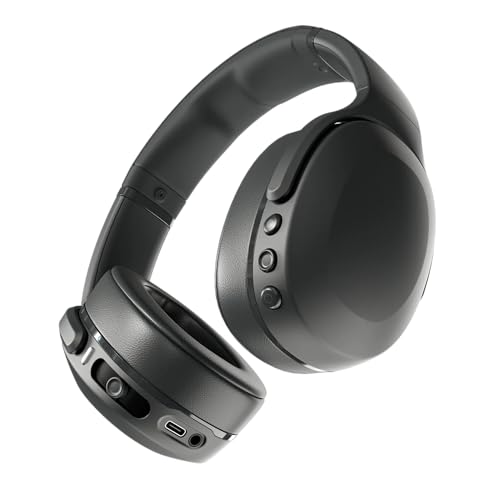
Skullcandy Crusher Evo Wireless Bass Headphones (True Black)

Audio-Technica ATH-M50X Professional Studio Monitor Headphones (Black)

Audio-Technica ATH-M20x Professional Studio Monitor Headphones (Black)

Beyerdynamic DT 770 Pro 32 ohm Studio Headphones (Renewed)

CCA Rhapsody 4-Mode Tuning Switch in-Ear Monitor IEM (2DD+4BA)
Audio-Technica ATH-M20xBT Wireless Over-Ear Headphones (Black)

CCA Phoenix in-Ear Monitor IEM (Dual-Magnet Dynamic Driver)
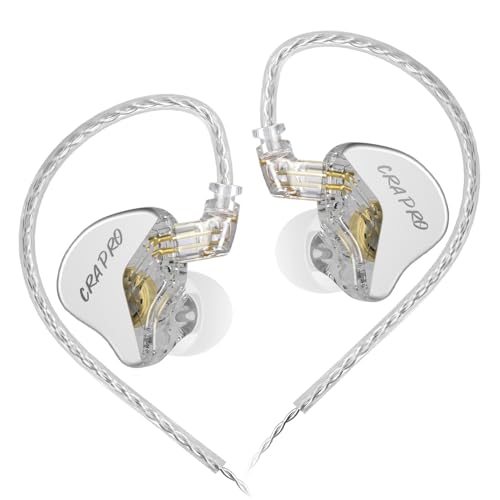
CCA CRA PRO in-Ear Monitor (Ultra-Thin DLC Diaphragm)

CCA Falcon 2 DD in-Ear Monitor (Dual Dynamic Drivers)

CCA Polaris 4-Tone Adjustable in-Ear Monitor IEM
The Picks, Examined More Closely
The Crusher Evo is the outlier of the list, and that is part of its appeal. Where the other picks chase neutrality, this one invites you to dial in a separate bass slider, so explosions and bass-heavy tracks push deeper without permanently bloating the rest of the mix. For couch sessions where a soundtrack matters more than competitive edge, the personality lands well.
Wireless over-ear form factor, a foldable hinge, and a long claimed battery life make it an easy grab-and-go daily pair. Compared with the wired studio picks below, you trade some analytical detail for warmth and immersion. You may find the haptic-style bass more of a parlor trick than a precision tool, but for late-night gaming and casual music, the tuning has real charm.
A Few Strong Suits
- Adjustable Crusher Bass slider lets you shape low-end weight on the fly, useful for switching between quiet music and action games.
- Wireless design removes cable drag during long couch sessions.
- Plush earcup padding reduces clamp pressure over multi-hour play.
- Personal Sound tuning adapts the profile to your hearing through a short in-app test.
Points To Keep In Mind
- Sound signature is colored, so critical mixing or mastering work is not its lane.
- Bass slider is fun, but at the highest settings it can mask subtle midrange details in busy tracks.
Who It Suits Best
Casual gamers and music listeners who want rich, weighty low end without committing to a studio-flat reference tuning.
Skip It When
You want a neutral reference for content creation, in which case the Audio-Technica ATH-M20x is a more disciplined entry point.
The M50x is the kind of pair that quietly outlasts the hype around it. Large-aperture drivers deliver a balanced signature with elevated but controlled bass, clear mids, and treble that flatters long sessions rather than fatiguing them. Closed earcups also give you a useful amount of passive isolation, which helps in shared spaces and loud environments.
For gaming, the M50x’s strong imaging reads footsteps and environmental cues with confidence, even though it was not designed as a gaming headset. Detachable cables are a real practical win, since a worn cable no longer means a retired pair. It sits above the ATH-M20x in build and resolution, and most people stepping up from entry-level gear will hear the difference within minutes.
Real-World Strengths
- Closed-back isolation keeps external noise out during focused play or recording.
- Detachable cable design means a single damaged cable does not end the headphones’ life.
- 90-degree swiveling earcups make single-ear monitoring easy for stage or studio work.
Worth Noting
- Stock earpads are protein leather, which can run warm during hot summer sessions.
- Wired-only design, so anyone needing wireless freedom should look at the ATH-M20xBT instead.
Made For
Listeners splitting time between music production, content work, and immersive single-player gaming who want one reliable pair to do it all.
Look Elsewhere When
Bass impact is your top priority, in which case the Skullcandy Crusher Evo delivers a heavier low end with adjustable control.
The M20x is a smart way into the Audio-Technica M-Series without overspending. The 40 mm drivers with rare earth magnets and copper-clad aluminum wire voice coils deliver a fuller low end than you would expect at this level, which makes RPG soundtracks and cinematic games feel appropriately weighty. The circumaural (around-the-ear) shape gives you a meaningful seal for tracking or quiet listening.
Compared to the M50x above, you give up the detachable cable and a touch of refinement in the treble. The single-side cable exit is a small but real convenience for desk setups, since the cable does not tangle across your lap. For first-time studio monitor owners, this is the kind of honest tuning that trains your ear without flattering bad mixes.
Well-Handled Touches
- Enhanced low-frequency tuning that flatters action and electronic music without bleeding into vocals.
- Circumaural fit blocks a meaningful amount of ambient noise in louder rooms.
- Single-side cable exit reduces desk clutter and tangling.
Honest Caveats
- Fixed cable, so rough handling near the connector is a common failure point over years of use.
- Pads are not as plush as the M50x, which shows up during very long sessions.
Best Suited To
Beginners and students who want a credible monitor-style reference without the cost of the M50x.
A Better Fit Elsewhere
You want wireless convenience for couch gaming, in which case the Audio-Technica ATH-M20xBT carries the same tuning without the cable.
The DT 770 Pro is a long-running studio classic, and the 32 ohm version is friendly to phones, laptops, and modest gaming DACs without needing a dedicated amplifier. The closed dynamic design delivers a detailed, slightly warm signature that handles busy mixes and layered game audio with grace. Velour earpads and the well-cushioned headband earn their reputation for all-day comfort.
This is a renewed listing, so condition varies and you should expect minor cosmetic wear. The single-sided cable keeps the left side clear, which is a small ergonomic win during long editing sessions. Against the Audio-Technica M50x above, the DT 770 Pro leans a touch warmer in the bass and presents a wider soundstage, which some gamers prefer for atmospheric titles.
What Pays Off
- Velour earpads and a deep cushion system keep the fit comfortable across long sessions.
- 32 ohm impedance plays nicely with phones and laptops without an external amp.
- Closed-back isolation helps in shared spaces and noisy environments.
Some Limits To Know
- Renewed condition means cosmetic wear is normal and the included accessories may be limited.
- Bulky build is less travel-friendly than the CCA in-ear options later in this list.
Whose Shelf It Belongs On
Producers, editors, and dedicated gamers willing to accept renewed-condition gear in exchange for serious long-session comfort.
Swap It Out When
You need something compact and travel-friendly, in which case the CCA Rhapsody in-ear monitor is easier to toss in a bag.
The Rhapsody is a hybrid in-ear monitor that pairs two dynamic drivers with four balanced armature drivers per side, a serious driver count for a wired IEM. The four-mode tuning switch lets you shift between bass-forward, vocal, balanced, and treble-focused profiles without changing tips or cables. For gamers who also mix or monitor music, that adjustability is the headline feature.
The 3.5 mm plug keeps the Rhapsody friendly to most controllers, DACs, and audio interfaces. In game use, the wide soundstage and layered instrument separation help with positional reads, and the fit isolates well in noisy rooms. Against the over-ear picks above, this is a very different experience, lighter, cooler, and easier to wear with a headset strap on top.
Everyday Perks
- On-cable tuning switch saves you from swapping pairs when genres change.
- Six-driver-per-side hybrid layout delivers genuine separation between bass, mids, and treble.
- Lightweight shell stays comfortable for full raid nights or long commute playlists.
Less Ideal Details
- Wired only, so a frayed cable eventually becomes a replacement conversation.
- Tip fit matters more than with over-ears, and getting the wrong seal can rob you of bass weight.
The Right Fit
Gamers and creators who want one IEM that flexes between gaming, music, and monitoring without carrying multiple pairs.
Not Your Match When
You strongly prefer a wireless over-ear form factor for couch play, where the Audio-Technica ATH-M20xBT fits the routine better.
The M20xBT is the wireless translation of the wired M20x, and the core M-Series sound travels with it. The 40 mm drivers and a low-latency wireless connection give you a clean, monitor-leaning signature that does not over-flatter compressed game audio. For mobile gamers and laptop players, removing the cable from the M20x recipe is a meaningful upgrade in daily convenience.
Battery life is generous, which makes this a realistic all-day pair for work, commute, and evening sessions. Compared to the Skullcandy Crusher Evo at the top, you give up the adjustable bass slider for a flatter, more honest tuning. The trade-off is fair: you hear what the mix actually contains, which over time sharpens your ear for better games and better music.
Strengths Worth Knowing
- Wireless convenience without abandoning the studio-style M20x tuning.
- Over-ear fit supports longer sessions than most in-ears for full-shift remote work.
- Lower maintenance than wired pairs, since there is no cable to snag on chair arms.
Practical Considerations
- Bluetooth compression still flattens detail compared to the wired M20x, especially with stock codecs.
- Charging routine becomes part of ownership, and a dead battery mid-session is a real risk.
Perfect Match For
Remote workers and casual gamers who want a wireless daily pair with a credible monitor sound signature.
Reach For A Different Pick When
You want to tune the sound on the fly, in which case the wired CCA Rhapsody with its multi-mode switch is a more flexible choice.
The Phoenix is built around a dual-magnet dynamic driver, an arrangement that pushes more controlled low end than a single magnet of the same size, while keeping the mids and treble articulate. The full-metal shell feels substantial in the hand and tends to survive daily commutes better than plastic-only IEMs. With a 3.5 mm plug, it pairs easily with controllers, phones, and entry-level DACs.
For gaming, the Phoenix leans into a slightly warm, bass-anchored presentation that gives explosions and kick drums proper weight without smothering dialogue. It is a more bass-forward flavor than the multi-driver Rhapsody above, but the simpler single-driver-per-side design has its own appeal in coherence. You may find the metal shells run a touch cool in winter, but most listeners consider that a fair trade for the build.
A Strong Showing
- Full-metal housing adds real-world drop resistance compared with typical resin IEMs.
- Dual-magnet driver pushes deeper, tighter bass than single-magnet equivalents.
- 3.5 mm plug works with controllers, phones, and most amps without adapters.
Where It Is Less Suited
- Heavier shell can cause ear fatigue during very long sessions if tip size is not dialed in.
- No detachable cable on this configuration, so cable damage is a long-term ownership risk.
Who Should Grab It
Mobile gamers and musicians who want a durable, bass-rich IEM for travel and stage-adjacent use.
Consider Something Else When
You want a swappable cable for long-term flexibility, in which case the CCA Polaris with its 2-pin detachable cable is the safer upgrade path.
The CRA PRO centers on an ultra-thin DLC (diamond-like carbon) diaphragm, a stiff, light material that snaps back quickly and holds detail at high volume. The high-efficiency magnetic drive system gives the driver strong control, so transients in busy game soundtracks and dense metal mixes stay separated. For detail-focused listeners, the upgrade over a standard dynamic driver is easy to hear on a good source.
Compared with the dual-magnet Phoenix, the CRA PRO trades some bass weight for a faster, more analytical sound that reveals more texture in cymbals, vocals, and game ambience. It still feels musical rather than clinical, but the bias toward resolution is real. As with most wired IEMs, the right tip fit is the difference between hearing that detail and missing it entirely.
Where It Delivers
- DLC diaphragm keeps transients crisp, which helps with both fast music and positional game audio.
- High-efficiency magnetic drive provides better dynamics than typical budget dynamic drivers.
- Clean, low-distortion character at higher listening levels for loud action scenes.
Trade Offs
- Detail-forward tuning may feel lean to listeners used to bass-heavy consumer headphones.
- Wired design means a damaged cable eventually means a replacement or repair conversation.
Who Will Love This
Detail-oriented listeners, drummers, and competitive players who want to hear micro-cues in busy mixes.
Not Your Match When
You prefer a warmer, bass-forward signature, in which case the Skullcandy Crusher Evo is a more indulgent everyday pick.
The Falcon 2 DD uses two dynamic drivers, a 7 mm and an 8 mm, stacked in a series configuration, which gives the IEM more low-end body than a single driver of the same size. The result is a fun, immersive sound that works well for cinematic games, RPGs, and bass-rich music. The in-line mic support (Type-C) is useful for handheld console play and phone calls.
It is one of the more pocketable picks in this list, and that portability does not force a huge sonic compromise. Compared to the multi-driver Rhapsody above, the Falcon 2 DD keeps a simpler signal path and a more cohesive sound, even if it cannot match the Rhapsody’s tuning flexibility. For travelers and commuters, the form factor and isolation are the real story.
Key Advantages
- Dual dynamic drivers add genuine bass depth without needing a balanced armature crossover.
- Compact shell stays comfortable for long wear, including under a hat or headset strap.
- Type-C mic support simplifies handheld console and phone use on the go.
Possible Compromises
- Wired IEMs need periodic cable care, and the stock cable is the most likely failure point.
- Seal-dependent bass, so swapping the included tips may be necessary to find the right fit.
Built With In Mind
Portable listeners, handheld console players, and commuters who want immersive sound in a small, durable package.
Skip It When
You want swappable cables and a tuning switch, where the CCA Polaris offers more room to grow over time.
The Polaris closes the list with a useful combination of features: a 2-pin detachable cable, a four-tone adjustable switch, and a dual-cavity dynamic driver. The detachable cable alone is a real upgrade path, since a worn cable becomes a ten-dollar replacement rather than a retired IEM. The dual-cavity design optimizes airflow, which translates to a wider, more open soundstage than a single-cavity equivalent.
In the hand, the Polaris feels like a meaningful step up from the Falcon 2 DD in build, with similar portability. The tone switch lets you nudge the response toward bass, vocals, or treble depending on the game or genre, which is rare at this tier. For someone starting an IEM collection, that flexibility matters more than chasing a single perfect signature.
A Few Highlights
- 2-pin detachable cable extends the IEM’s life and makes future upgrades easy.
- Adjustable tone switch covers four common tuning preferences in one pair.
- Dual-cavity driver design produces a notably wide soundstage for the price tier.
Worth Bearing In Mind
- Soft ear hooks and snug fit need a short break-in period before they feel natural.
- Tone switch is useful but not a substitute for a proper EQ if your source supports it.
Who It Suits Best
First-time IEM shoppers and budget-conscious tuners who want flexibility and a replaceable cable in one package.
Consider Something Else When
You want a more analytical, detail-first listen, where the CCA CRA PRO with its DLC diaphragm is the better tool.
Matching Audiophile Gaming Headphones To Your Setup
Driver type sets the personality of any pair in this category. Dynamic drivers move air with a single diaphragm, which tends to deliver fuller bass and a coherent, easy-to-listen-to character, so they fit long sessions and bass-friendly genres. Balanced armature drivers, the kind you see in the CCA Rhapsody, use a smaller, faster mechanism that excels at detail and separation but usually needs multiple drivers or a dynamic pairing to cover bass convincingly. Hybrid designs combine both, trading a bit of purity for the best of each world.
Form factor changes the ownership experience more than people expect. Over-ear sets like the Audio-Technica M50x spread weight across your head and seal around the ear, which gives isolation and a wider stage but also adds heat during long summer sessions. In-ear monitors, most of the CCA picks here, sit in the ear canal, isolate passively through tip fit, and travel easily, but they depend on getting the right tip size to sound correct. Choosing between them is really about where and how long you tend to listen.
Impedance and source power matter more for wired picks. Low-impedance drivers, like the 32 ohm Beyerdynamic DT 770 Pro, run happily from phone and laptop outputs, while higher-impedance studio headphones often want a dedicated amp to hit their full potential. For gaming specifically, a positional, well-imaged signature tends to serve better than a hyped one, since clean stereo imaging helps you place footsteps and distant gunfire without leaning on software surround effects.
Key Considerations Across These Picks
Mistakes Worth Dodging
Going purely by driver count is a common trap. A 12-driver IEM with poor tuning will lose to a well-tuned single dynamic driver every time, so prioritize coherence and known tuning over raw numbers. Another common slip is buying a closed-back pair expecting open-back soundstage: closed designs give isolation and bass weight, but the trade-off is a smaller, more intimate stage, which matters for atmospheric single-player games.
When Paying More Pays Off
Higher-tier models in this category tend to buy three things: better driver materials (like the DLC diaphragm in the CCA CRA PRO), more thoughtful tuning switches, and build features that extend the product’s life, such as detachable cables on the Audio-Technica M50x or the 2-pin design on the CCA Polaris. For casual listeners, those upgrades are nice-to-haves. For daily commuters, content creators, and competitive gamers, the extra cost typically shows up in year two and three, when cheaper pairs start failing or feeling limiting.
Frequently Asked Questions
Do audiophile headphones really improve gaming performance?
A more accurate signal helps you pick out subtle cues like distant reloads or footsteps, especially in competitive shooters. The improvement is real but depends on your ears adjusting to a more neutral sound, so expect a short break-in period before the benefits fully register.
Are over-ear or in-ear monitors better for audiophile gaming?
Over-ears typically give a wider soundstage and longer-session comfort, while in-ears isolate more passively and travel easily. The honest answer is that the right pick depends on your environment, your head size, and how long your average session runs.
What is a hybrid driver in an IEM?
A hybrid driver setup combines different driver types in one earpiece, usually a dynamic driver for bass and balanced armature drivers for mids and treble. The goal is to get the body of a dynamic with the detail of an armature in a single pair.
Do wireless audiophile headphones sacrifice sound quality?
Modern wireless codecs have closed much of the gap, but a wired connection still avoids compression and latency entirely. For most casual gaming and music, the trade-off is acceptable, while competitive players often still prefer wired for the lowest possible delay.
How long should a good pair of audiophile headphones last?
With reasonable care, a well-built pair should serve several years of regular use. Detachable cables, replaceable earpads, and metal shells all extend that lifespan, which is why those features are worth prioritizing on wired over-ear and IEM designs.
Bottom Line
The right pair of audiophile gaming headphones depends less on spec sheet drama and more on where you actually listen. Over-ear studio mainstays like the Audio-Technica M50x and Beyerdynamic DT 770 Pro reward long, focused sessions, while the CCA in-ear lineup gives travelers and tuners a flexible, portable alternative. Pick the form factor and feature set that match your routine, and the rest of the listening experience tends to take care of itself.


