


Finding the right 31 5 inch gaming monitor usually starts the same way: a quick scroll that turns into a deep dive into refresh rates, panel types, and curvature numbers. The sweet spot around this size has quietly become the most competitive corner of the gaming display market, with options spanning 1080p speed demons to 1440p workhorses and even a few larger 32-inch siblings worth weighing.
You will likely land somewhere between competitive multiplayer and a long evening of single-player immersion, which means pixel density, motion clarity, and screen shape all matter at once. This shortlist pulls together ten monitors that each solve a different version of that problem, so you can match the panel to the way you actually play.
The Shortlist At A Glance
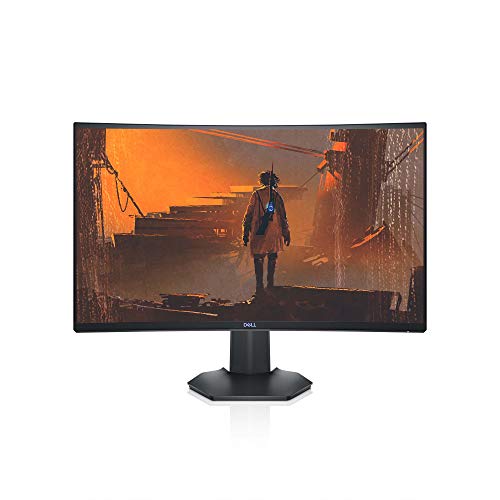
Dell S2721HGF 27 Inch 144Hz Curved Gaming Monitor

KTC H27D9 27 Inch QHD 120Hz IPS Monitor

Sceptre C255B-FWT240 24.5 Inch 240Hz Curved Monitor

Sceptre C248B-FWT168 24 Inch 180Hz Curved Monitor

Sceptre E255B-FWD240 24.5 Inch 240Hz Flat Monitor

Sceptre C275B-1858RN 27 Inch 165Hz Curved Monitor

KTC H32T13 32 Inch 2K 120Hz IPS Monitor
KTC H24T27 24 Inch QHD 100Hz IPS Monitor
KTC H27T27S 27 Inch QHD 144Hz Monitor

KTC H32D6 32 Inch 2K 120Hz IPS Monitor
Inside Each Recommended Option
The Dell S2721HGF wraps a 27-inch FHD (1920 x 1080) panel in a 1500R curve, which is the kind of bend that genuinely fills your peripheral vision during a tense raid boss or a nighttime street race. Refresh rate lands at 144Hz with a 1ms MPRT response time, the combo that most gamers treat as the baseline for smooth motion in fast-paced shooters.
G-SYNC compatibility and AMD FreeSync Premium both work to eliminate the visible tearing that breaks immersion, while the height- and tilt-adjustable stand keeps your neck happy during long sessions. The back-mounted joystick and shortcut buttons make menu navigation far less painful than the old bottom-edge button rows. For anyone upgrading from a 60Hz office panel, the jump to this Dell feels dramatic without requiring a top-end GPU to feed it.
A Few Highlights
- 1500R curvature pulls the edges of the action closer for a more cinematic feel during single-player campaigns.
- 144Hz refresh combined with 1ms response time keeps fast enemies and vehicles readable without obvious smearing.
- Dual adaptive-sync support means the monitor plays nicely with both NVIDIA and AMD graphics cards.
- Adjustable stand helps dial in eye level during long streams or raid nights, which matters more than people expect.
Worth Noting
- At 27 inches, 1080p produces a noticeably softer image than the 1440p alternatives later in this list.
- Owners commonly report that the curve takes a day or two to feel natural if you are coming from a flat panel.
Feature Snapshot
Who Will Love This
Gamers with a mid-tier GPU who want a deeply curved, high-refresh experience without paying 1440p prices will appreciate the Dell S2721HGF most.
Skip It When
Anyone who prioritizes pixel density for productivity or 4K-leaning content should look at the KTC H27D9 instead.
The KTC H27D9 is the flat-panel counterweight to curved gaming screens, built around a 27-inch IPS panel that resolves at 2560 x 1440. That QHD resolution hits a sweet spot where text in spreadsheets, code editors, and game UI elements looks crisp without the GPU demand of full 4K. Color coverage is listed at 123% sRGB, which keeps photos and game art looking lively without requiring a calibration pass.
The 120Hz refresh rate is the lower end of what most current gamers expect, but adaptive sync support keeps motion clean across both FreeSync and G-Sync setups. HDR input is present, giving compatible games and movies a bit of extra punch in highlights. Compare that to the Dell S2721HGF earlier: you trade curvature and 144Hz for a noticeably sharper image and a more work-friendly panel.
Where It Delivers
- 2560 x 1440 resolution makes menus, game HUDs, and document text far more readable than FHD.
- IPS panel produces wide viewing angles, helpful when a friend leans over to watch a match.
- 123% sRGB coverage brings extra vibrancy to colorful indie games and animated films.
- VESA mount compatibility opens up clean monitor-arm setups for clutter-free desks.
Points To Note
- 120Hz feels modest next to the 240Hz options in this lineup for hardcore competitive play.
- IPS panels tend to show mild backlight glow in dark rooms, a common trait of the technology.
Built With In Mind
Hybrid users who split time between spreadsheets, creative work, and evening gaming will find the KTC H27D9 a comfortable daily panel.
Reach For A Different Pick When
Competitive Valorant or CS2 players chasing every frame should pick the Sceptre C255B-FWT240 for its 240Hz ceiling instead.
The Sceptre C255B-FWT240 is purpose-built for the reflex-driven side of gaming, pairing a 24.5-inch 1080p panel with a 240Hz refresh rate and a 1500R curve. That combination is exactly what most competitive FPS players want: small enough that your eyes can take in the whole screen, fast enough that flick shots feel connected, and curved enough to keep the corners from feeling distant.
AMD FreeSync Premium keeps frames aligned with your GPU, and the 1ms response time helps prevent the ghosting that ruins the clarity of fast-moving targets. Two HDMI ports plus two DisplayPort connections give you room to plug in a PC, a console, and a streaming box without constant cable swaps. The smaller size is also a real advantage on a cluttered desk where a 27-inch screen would crowd the keyboard.
What Helps Most
- 240Hz refresh rate delivers the smoothness that competitive FPS players chase.
- 24.5-inch size keeps the entire screen in your natural focal range during long ranked sessions.
- Four video inputs make multi-device setups simple, including console swaps.
- Built-in speakers handle basic audio when a headset is not plugged in, useful for casual use.
Trade Offs
- 1080p at 24.5 inches is noticeably softer than the KTC 1440p options if you sit close to the screen.
- Built-in speakers are fine for system sounds but will not satisfy anyone serious about audio quality.
Right Fit For
Esports-minded players who play a lot of Valorant, CS2, Apex, or Overwatch will appreciate the 240Hz ceiling of the Sceptre C255B-FWT240.
Look Elsewhere When
Single-player fans who want a more cinematic image should pick the Dell S2721HGF for its bigger curved canvas instead.
The Sceptre C248B-FWT168 keeps the footprint small while still bringing a curved 180Hz experience to desks where space is tight. At 24 inches, the 1500R curve wraps just enough to keep the corners from feeling peripheral, which helps when you are running a smaller battle station and your chair sits close to the wall.
Full sRGB coverage means game art and web content look the way the developers intended, and AMD FreeSync support helps match frames to your GPU. The 1080p resolution keeps GPU demand reasonable, so even older graphics cards can push high frame rates. Compared to the larger Dell S2721HGF, this Sceptre trades screen real estate for a smaller desk footprint.
Key Advantages
- Compact 24-inch form factor is ideal for tight desks, dorm setups, and small bedrooms.
- 180Hz refresh gives a clear step up from standard 144Hz without the GPU strain of 240Hz.
- 100% sRGB color keeps the picture looking true during both game and movie sessions.
- Multiple video inputs make swapping between PC and console easy.
Some Limits To Know
- Smaller screen size means less space for multi-window productivity compared to 27-inch options.
- 1080p limits future-proofing for anyone considering a graphics card upgrade down the line.
Made For
Apartment dwellers, students, and anyone running a smaller battle station will find the Sceptre C248B-FWT168 a smart space-saver.
Swap It Out When
Anyone who wants a larger immersive panel should choose the Sceptre C275B-1858RN for its 27-inch curved screen instead.
The Sceptre E255B-FWD240 is the flat-panel sibling to the curved C255B-FWT240, offering the same 240Hz refresh rate without the wraparound shape. For competitive players who find curved screens distracting in tactical shooters, a flat panel keeps the geometry of doorways, sight lines, and pixel peeping perfectly consistent from edge to edge.
At 24.5 inches with 1080p resolution, the panel produces a sharp-enough image at typical desk distances, and 100% sRGB coverage keeps colors honest. AMD FreeSync Premium support reduces tearing when frame rates fluctuate during intense firefights. The 1ms response time is the standard target for this refresh class and helps prevent smearing behind moving targets.
Good Reasons To Consider
- Flat screen geometry avoids the slight distortion some players notice on curved competitive panels.
- 240Hz ceiling matches the fastest gaming monitors available at this size class.
- Multiple DisplayPort and HDMI ports support dual-PC or console-and-PC arrangements.
- Compact 24.5-inch size makes it a strong fit for LAN setups and travel-friendly stations.
A Few Limitations
- Lacks the immersion of a curved panel for cinematic single-player titles.
- 1080p resolution can look slightly soft compared to the KTC 1440p alternatives in the lineup.
Best Suited To
Competitive FPS players who prefer flat-screen geometry and lightning-fast refresh rates will feel at home on the Sceptre E255B-FWD240.
Consider Something Else When
Anyone chasing deep blacks for horror or space games should look at the KTC H27T27S for its high contrast ratio.
The Sceptre C275B-1858RN is one of the more wallet-friendly entries in the curved 27-inch space, packing a 1080p panel with 165Hz support and a gentle 1800R curve. The 1800R bend is softer than the 1500R curve of the Dell S2721HGF, which keeps the screen comfortable for users who want some curvature without the wraparound feel.
AMD FreeSync Premium support reduces stutter when frame rates wobble, and the edge-less bezel design makes multi-monitor setups look cleaner. Built-in speakers add convenience for casual use, though most gamers will plug in headphones or external speakers. Compared to the Sceptre C255B-FWT240, you get a bigger screen and a milder curve but a slightly lower refresh ceiling.
Why It Works Well
- 27-inch curved screen delivers a noticeable upgrade in immersion over 24-inch flat panels.
- 165Hz refresh handles most modern games smoothly without requiring a flagship GPU.
- Edge-less bezel keeps the screen looking modern and clean in single or multi-monitor layouts.
- FreeSync Premium support keeps gameplay fluid across a wide range of frame rates.
Honest Caveats
- 1800R curve is milder than the 1500R options, so immersion feels a bit less dramatic in big games.
- 1080p at 27 inches means some softness in fine text and detailed game UI elements.
Feature Snapshot
Who Should Grab It
First-time curved monitor shoppers and budget-conscious gamers will find the Sceptre C275B-1858RN a sensible starting point.
Not Your Match When
Anyone who wants a sharper 1440p image should pick the KTC H27D9 for its noticeably crisper resolution.
The KTC H32T13 steps up to 32 inches while keeping the 1440p resolution, giving you a noticeably larger canvas for open-world games, flight sims, and racing titles. The IPS panel produces wide viewing angles, which is helpful on a screen this size when you occasionally lean to one side to grab a drink mid-match.
HDR support adds extra pop to bright highlights in compatible games and movies, and the 120Hz refresh rate keeps motion smooth enough for most genres. Thin bezels keep the focus on the picture rather than the frame, which matters on a 32-inch panel where any wasted bezel space feels excessive. Compare that to the KTC H27D9 earlier, and the difference is mainly screen real estate for those who want it.
Standout Benefits
- 32-inch display gives sim racers and open-world players more visible detail in the periphery.
- IPS panel produces consistent color from off-angle viewing positions during group play.
- Thin bezels keep multi-monitor or wall-mounted installations looking clean.
- HDR support gives a clear boost to highlight detail in compatible titles and films.
Things To Weigh
- 32 inches demands a deeper desk or a VESA arm to sit at a comfortable eye distance.
- 120Hz ceiling is modest for hardcore competitive players chasing the smoothest possible motion.
Perfect Match For
Sim racing, flight sim, and open-world RPG fans will appreciate the roomy KTC H32T13 for its big-screen immersion.
Where Another Pick Suits Better
Players chasing the highest refresh rates should pick the Sceptre C255B-FWT240 for its 240Hz ceiling instead.
The KTC H24T27 squeezes 2560 x 1440 resolution into a 24-inch frame, producing one of the sharpest pixel densities in this entire roundup. That density matters for anyone reading dense text, editing spreadsheets, or studying game UI elements where 1080p would feel soft. The 100Hz refresh rate is a step up from standard office monitors without reaching competitive territory.
IPS panel technology brings wide viewing angles and accurate color, which helps during long creative sessions and color-conscious work. Adaptive sync compatibility means FreeSync and G-Sync setups both stay smooth during variable frame rates. Compared to the KTC H27D9, this H24T27 is a smaller, sharper alternative for desks that cannot fit a 27-inch panel.
Strong Points
- 1440p in a 24-inch frame produces very crisp text and detailed game graphics.
- 100Hz refresh gives a clear smoothness upgrade over 60Hz office displays.
- IPS panel keeps colors consistent across the screen, useful for creative work.
- Compact size fits comfortably on smaller desks and dorm workstations.
Less-Strong Areas
- 100Hz feels modest next to the 144Hz and 240Hz options for fast-paced gaming.
- Smaller screen limits multi-window productivity compared to larger 27-inch and 32-inch picks.
Whose Shelf It Belongs On
Students, writers, and productivity-focused users who also game casually will find the KTC H24T27 a great compact companion.
A Better Fit Elsewhere
Anyone who wants a bigger 1440p canvas should look at the KTC H27T27S for a larger 27-inch option.
The KTC H27T27S is the moody, atmospheric pick in this lineup, built around a panel that the brand rates at a 4000:1 contrast ratio. That extra contrast depth is exactly what dark corridors, horror games, and night-time city scenes need to feel properly cinematic instead of washed out.
The 144Hz refresh rate is the modern baseline for smooth gaming, and adaptive sync support keeps frame pacing tight across both FreeSync and G-Sync setups. The 27-inch 1440p format is a comfortable fit for most desks, and the resolution gives game art room to breathe without overwhelming mid-range GPUs. Compare that to the Sceptre C275B-1858RN earlier: you trade a curved 1080p panel for a flat 1440p screen with much deeper blacks.
Well-Handled Touches
- 4000:1 contrast gives dark scenes real depth, which is rare in this price tier.
- 144Hz refresh handles both fast shooters and cinematic adventures comfortably.
- 1440p resolution keeps the image sharp on a 27-inch screen for productivity and games.
- Adaptive sync support keeps gameplay smooth across various GPU brands.
Soft Spots
- Flat panel lacks the immersion boost of curved alternatives in the same size class.
- VA-style contrast panels can show mild color shift at extreme viewing angles.
Feature Snapshot
The Right Fit
Single-player adventure and horror fans will love the deep contrast and sharp 1440p image of the KTC H27T27S.
Not Your Match When
Esports players chasing 240Hz motion should pick the Sceptre E255B-FWD240 for its faster refresh ceiling.
The KTC H32D6 is the all-purpose 32-inch entry in this shortlist, pairing a 2560 x 1440 IPS panel with a 120Hz refresh rate and HDR support. That combination works for office tasks, movie nights, and most gaming genres without forcing you to specialize in any one direction.
The IPS panel produces wide viewing angles and accurate color, which keeps the screen looking good whether you sit centered for work or off to one side for a casual show. Adaptive sync compatibility means FreeSync and G-Sync setups both play nicely, and the 120Hz ceiling is a clear improvement over standard 60Hz panels. Compared to the larger KTC H32T13, this H32D6 leans more toward versatility than absolute screen real estate bragging rights.
The Practical Payoff
- 32-inch 1440p format handles work, streaming, and gaming on a single panel.
- IPS technology keeps colors accurate and viewing angles wide for shared viewing.
- 120Hz refresh is a noticeable smoothness boost over standard 60Hz displays.
- HDR support adds extra punch to compatible movies and modern games.
Where It Is Less Suited
- 120Hz feels modest for serious competitive play compared to 240Hz alternatives.
- 32-inch footprint demands a deep desk or a monitor arm to sit at the right eye distance.
Made For
Shoppers who want one monitor to handle work, streaming, and casual gaming will appreciate the all-around KTC H32D6.
Another Choice May Suit
Anyone who prioritizes faster motion for FPS gaming should pick the Sceptre C255B-FWT240 for its 240Hz refresh ceiling.
What To Weigh Before Choosing Your Next Panel
Panel type sets the tone for everything else. IPS screens (in-plane switching) deliver wide viewing angles and accurate color, making them strong for work and visually rich games. VA panels (vertical alignment) lean into deeper contrast, which makes dark games and movies feel more cinematic. The curved 1500R and 1800R options on this list trade a bit of geometric accuracy for deeper peripheral immersion, which works beautifully in racing and RPG titles but feels less natural in some competitive shooters.
Resolution and refresh rate always pull against each other. 1080p lets mid-range GPUs push 144Hz or even 240Hz frame rates, while 1440p produces a noticeably sharper image at the cost of higher GPU demand. Most gamers in this size class land on 1440p at 120 to 144Hz, which feels like the current sweet spot for balanced builds. For desk depth, a 24-inch screen works at around 60 cm of viewing distance, a 27-inch panel wants around 70 cm, and 32-inch displays feel right at 80 to 90 cm.
Connectivity matters more than people expect. A monitor with two HDMI and two DisplayPort inputs lets you keep a PC and a console plugged in simultaneously, which removes a lot of daily cable swapping. Adaptive sync support across both FreeSync and G-Sync gives you flexibility if you plan to upgrade your graphics card later. VESA mount compatibility opens up clean monitor-arm setups, which is genuinely useful for ergonomics on smaller desks.
Key Considerations Across These Picks
Common Shopping Slip Ups
The easiest trap is chasing the highest refresh rate without checking whether your GPU can actually push enough frames to use it. A 240Hz monitor fed by a 60fps-capable system gives you no real benefit, while a sharp 1440p panel at 144Hz often feels better in daily use. Another common miss is forgetting to measure desk depth. A 32-inch screen crammed against a wall at close range can feel overwhelming and force you to crane your neck.
Where The Extra Money Goes
Spending more in this category usually buys you a sharper resolution, a higher refresh ceiling, or a deeper curve. The step from 1080p to 1440p is the most visible upgrade for mixed use, while 240Hz only matters if you play competitive shooters. Curved 1500R panels cost slightly more than 1800R screens but pull you deeper into the action, which is worth it for cinematic games but optional for everyday play.
Frequently Asked Questions
Is 31.5 inches a good size for a gaming monitor?
A 31.5-inch monitor works well for gamers with a deep desk or a monitor arm, giving you a large canvas for open-world and sim titles. You will need around 80 to 90 cm of viewing distance to avoid neck strain and keep the whole screen comfortable to scan.
What refresh rate should I look for in a gaming monitor?
For most gamers, 144Hz is the modern baseline where motion feels smooth without overloading mid-range GPUs. Competitive FPS players who play Valorant, CS2, or Apex will benefit from 240Hz, while casual players rarely notice the jump past 120Hz.
Do curved gaming monitors help with immersion?
Curved panels in the 1500R to 1800R range do help immersion by pulling the edges of the screen closer to your peripheral vision. The effect is strongest in racing, RPG, and flight sim games, and weakest in competitive shooters where some players prefer flat geometry.
Is 1080p still good enough for a 27-inch monitor?
At 27 inches, 1080p produces a softer image than 1440p, especially during close-up productivity or detailed game UI. It still works well for fast-paced gaming where high frame rates matter more than pixel density, and it keeps GPU demand low.
Do I need FreeSync or G-Sync on a gaming monitor?
Adaptive sync technologies like FreeSync and G-Sync reduce screen tearing and stutter by matching the monitor refresh rate to your GPU output. If you want smooth motion across varying frame rates, adaptive sync is one of the most appreciated features you can have.
Bottom Line
Your best pick depends on what kind of gaming you do most. The Sceptre C255B-FWT240 is the right answer for competitive FPS players chasing every frame, while the KTC H32D6 is the safer all-around pick for a desk that doubles as a workspace. If you want the most cinematic single-player experience on this list, the Dell S2721HGF or the KTC H27T27S will both deliver. Match the monitor to the games you actually play, and the rest of the upgrade tends to fall into place.


