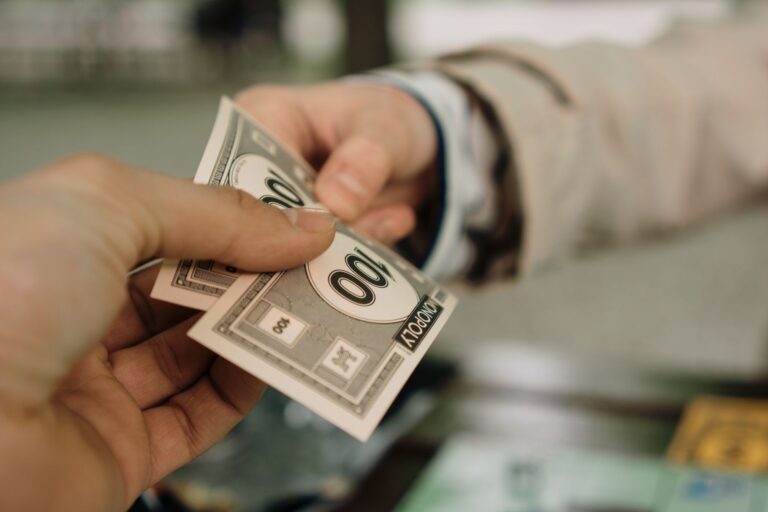
Your dollars in pay-to-win titles translate into raw combat power, while pay-to-progress routes that same cash through time-saving shortcuts rather than direct advantage. Pay-to-win means spending real cash on direct gameplay advantages such as stronger weapons, higher stats, or exclusive abilities that free players cannot match without paying. Pay-to-progress means spending money to skip or shorten a grind that is technically possible to complete for free, saving time without unlocking unreachable power.
Moving beyond the definitions, this article traces how mobile and live-service games shifted from upfront purchases to ongoing monetization, then breaks down where pay-to-win ends and pay-to-progress begins.
How Modern Monetization Moved Past the Boxed Game
One-time purchases used to be the deal: $60, you owned the game forever, and that was that. Free-to-play and live-service models flipped that script in the early 2010s. Now the base download is often free, and revenue flows from microtransactions, season passes, cosmetic shops, and event tickets. In 2023, the free-to-play mobile market alone generated roughly $92 billion worldwide, and top live-service console and PC titles now pull in more annually than many full-price launches ever did.
That recurring revenue funds seasonal roadmaps, server upkeep, and full development teams. EA and Activision Blizzard have pushed their biggest franchises, including Apex Legends and Diablo Immortal, into this continuous-revenue shape. The catch is that not all spending systems are equal, and the gap between cosmetic-only shops and power-selling storefronts is exactly where the difference between pay-to-win and pay-to-progress lives.
From Boxed Games to Live-Service Ecosystems
Live-service design turns a single purchase into a 5-to-10-year relationship built on continuous content drops. Battle passes, weekly challenges, and rotating cosmetic shops have replaced the old expansion-pack model. The Apple App Store alone lists more than 100,000 free-to-play games, most of which lean on in-app spending to keep the lights on.
For you as a player, the real cost rarely matches the $0 download price. The actual price depends on how deep the progression loop goes, how much of it is gated, and whether the items on sale affect power or only appearance.
Defining Pay-to-Win and Pay-to-Progress at Their Core
Pay-to-win and pay-to-progress sound similar on paper, but they reward your wallet in completely different ways. Pay-to-win grants gameplay advantages such as superior weapons, higher stats, or exclusive abilities that money buys outright. Pay-to-progress accelerates advancement that is already reachable through free play, offering time savings rather than raw power. The boundary between the two is often subjective and shifts depending on genre, community, and competitive context.
What Pay-to-Win Looks Like in Practice
Pay-to-win games sell direct, persistent power on their storefronts. A $20 pack might grant a legendary sword with damage values no free drop can match, and a weekly subscription could boost your character’s stats by 25%, stacking above the cap reachable through normal play. In a PvP match, your credit card effectively becomes a weapon stat, which is what gives the term “pay-to-win” its charge.
Free players in these ecosystems are not simply behind on a grind; they are behind in capability. The gap between a paying veteran and a newcomer widens beyond what aim or strategy can close.
What Pay-to-Progress Looks Like Instead
Pay-to-progress, sometimes called pay-to-convenience, sells time. A $5 XP boost might cut a 40-hour unlock down to 20, and a premium currency bundle could let you skip a repetitive farming loop. Everything on the storefront is technically reachable without paying, just slower.
Genshin Impact, Candy Crush, and Fortnite lean toward this model. Spending makes the game easier to advance through, but it does not grant items or stats that free players can never obtain. The competitive layer stays intact because no amount of cash changes your hitbox, damage, or ability cooldowns.
| Feature | Pay-to-Win | Pay-to-Progress |
|---|---|---|
| What money buys | Exclusive stats, gear, or abilities | Time skips, XP boosts, convenience items |
| Free player ceiling | Hard-capped below paying users | Same ceiling, slower path |
| Best fit | Single-player or casual PvE only | Most genres, especially co-op and PvE |
| Competitive integrity | Frequently broken | Usually preserved |
| Player reception | Often negative | Mixed, often tolerated |
Why the Two Models Feel Different to Players
Players sense the contrast long before they read any fine print, because one model hands out victories and the other hands out options. Pay-to-win undermines competitive integrity in PvP environments where purchased power becomes an unbeatable edge. Pay-to-progress converts time-rich, cash-poor players through convenience purchases like XP boosts or battle pass shortcuts, leaving skill and time as the deciding factors.
Psychological incentives drive both systems, but they target different frustrations. Variable reward schedules, randomized drops, and countdown timers work the same way in either economy. What changes is what the reward delivers: a stat that wins matches, or a shortcut that ends a tedious loop.
The Frustration of Skill Versus Spending
Ranked multiplayer is where pay-to-win draws the most heat. When a new player buys the top-tier character pack and starts climbing the ladder, veteran players feel the ground shift. The match outcome, they suspect, was decided at checkout rather than in the arena, and that suspicion corrodes trust quickly.
Cooperative and solo modes absorb pay-to-win more easily because no one is competing head-to-head. Spending $200 to steamroll a single-player RPG only affects the buyer.
Why Pay-to-Progress Lands More Softly
Pay-to-progress only shortens a journey free players can already complete. The psychological load is lighter because spending money feels like a tip for the developer rather than a tax on your time. Fortnite’s battle pass is the textbook example: pay $10, skip two weeks of challenges, and unlock the same cosmetic rewards as someone who ground them out for free.
That balance is fragile. When pay-to-progress systems get greedy and stretch a “reasonable” grind into a 200-hour slog, free players start calling it pay-to-win by another name.
When the line blurs, what players feel shifts, and the community starts assigning labels of its own.
Gacha Mechanics and the Gray Area Between the Two
Gacha systems sit in the middle of the spectrum, and they are where most of the industry’s regulatory headaches come from. Gacha games offer randomized power gains without spending guarantees, blurring the line between convenience and advantage. You might spend $50 on a banner and walk away with nothing, or pull the best character in the game on a single roll. That unpredictability is what makes gacha so profitable and so controversial.
Genshin Impact pulled in over $4 billion in its first three years largely on gacha revenue. The 5-star characters and weapons sold through its wish system are competitive in endgame content, so the spending does affect power, just behind a randomized paywall.
Regulation and the Gambling Question
Belgium and the Netherlands have classified certain loot boxes as gambling, forcing publishers to retool regional economies. Belgium’s Gaming Commission ruled in 2018 that paid loot boxes violated gambling laws, which led several major titles to remove or restructure randomized purchases in that region. The Netherlands issued a similar ruling, and the UK Parliament held hearings on the same question.
For you, that means a game’s monetization can look different depending on where your account is registered. The same title might offer a loot box in the US and a flat-price shop in Belgium, all because of where regulators drew the line.
How Whales Fund Free Players
A tiny slice of users spending thousands each month quietly keeps servers alive, item shops stocked, and balance passes coming for everyone else. Roughly 1% to 2% of mobile game players generate around 50% to 70% of revenue, depending on the title. That spending subsidizes the free experience for everyone else, which is part of why free-to-play games can keep servers running and content rolling out.
The economic reality is uncomfortable: the free game you enjoy is funded by someone else’s $10,000 habit. That fact does not make the system ethical or unethical on its own, but it shapes how publishers design incentives.
What Real Games Reveal About Each Approach
Published examples make the distinction easier to see. Star Wars Battlefront II’s 2017 launch backlash remains the defining moment for player resistance to pay-to-win. EA initially locked heroes like Darth Vader behind a randomized crate system that could cost players thousands of credits or real money. Reddit threads, YouTube videos, and even government officials piled on, and EA pulled the system within weeks.
That reaction set a template. When a major title crosses into pay-to-win territory, the community response is fast, loud, and public, and the financial hit often follows.
The Pay-to-Progress Success Stories
Genshin Impact, Candy Crush, and Fortnite lean toward pay-to-progress or cosmetic-only spending with varying degrees of acceptance. Fortnite’s battle pass and cosmetic shop have been copied across the industry, from Apex Legends to Call of Duty. Spending changes your appearance, not your gun.
Genshin’s resin system limits how much free progress you can make per day, and the primo gem top-ups shorten that wall. Characters pulled from gacha do have variable power, but the PvE endgame leans on team composition and build strategy, so whales do not always win.
Why Context Changes Everything
Context matters: a time-skip in a single-player RPG reads differently from a damage boost in a ranked shooter. Diablo Immortal’s PvE mode feels manageable for free players, but its PvP cycle has been widely criticized as pay-to-win. Same game, two very different experiences based on where you point your character.
Reading the context means asking whether the spend applies in a setting where your wallet competes with another player’s wallet, or whether the game is cooperative, solo, or cosmetic-only by design.
Evaluating a Game’s Monetization Before You Commit
Reading a storefront before you start playing saves months of frustration. A quick scan of a game’s premium currency section, daily login rewards, and PvP ladder usually tells you which side of the line it sits on.
Checklist: Spotting the Model in Five Minutes
- Read the premium shop: If the top items list stats or power, expect pay-to-win. If they list cosmetics, banners, or QoL shortcuts, expect pay-to-progress.
- Search the subreddit: Veteran players are blunt about grind length and whether free play is viable.
- Test the PvP layer: Spend 30 minutes in ranked mode and see whether opponents’ gear outpaces your free loadout.
- Check the daily energy cap: Hard caps on play sessions are a classic pay-to-progress hook designed to pressure refill spending.
- Watch for countdown timers: Limited-time offers and seasonal events are revenue tools, not bonuses, and the pressure they create is the entire point.
Genre Shapes Acceptance
Pay-to-progress is more accepted in cooperative and solo play than in competitive PvP. A $10 XP boost in a Stardew Valley-style farming game feels harmless. The same boost in a ranked hero shooter feels like cheating. Match the model’s reputation to the genre, and your expectations stay realistic.
The Ethical and Design Trade-Offs Developers Must Navigate
Sustainable monetization balances revenue goals with player trust, and pay-to-win is widely viewed as the breaking point. Once a community decides a game is pay-to-win, the label sticks, review scores drop, and long-tail revenue follows. The clearest signal of a healthy model is whether free players can fully enjoy the experience without ever opening their wallet. When that holds true, paying players usually show up anyway, and they keep showing up because the game earned their trust.
Watch for predatory patterns such as artificial grinds, FOMO timers, and paywalls on core content rather than optional extras. A grind designed to frustrate free players into paying is the clearest red flag in modern monetization, and the design decisions that protect player trust usually end up protecting long-term revenue too.
The Bottom Line
Pay-to-win sells power that free players cannot match. Pay-to-progress sells time that free players can save. The first erodes competitive trust the moment it appears; the second mostly works when the free path stays reasonable. Genre, community, and the designer’s restraint decide which one you are actually playing, and reading the storefront before you download is still the fastest way to tell.
FAQ
Is pay-to-progress the same as pay-to-win?
No. Pay-to-progress lets you skip or shorten a grind that free players can complete on their own. Pay-to-win grants power, stats, or items that free players cannot obtain without spending, which breaks competitive fairness in PvP settings.
Why do some gamers consider pay-to-win unfair?
Pay-to-win lets spending override skill, especially in competitive multiplayer. A paying player with better gear, stats, or abilities can win without mastering the game, which feels like buying the outcome rather than earning it.
Can a game be pay-to-progress without being pay-to-win?
Yes. Games like Fortnite, Genshin Impact in PvE, and Candy Crush sell time skips, XP boosts, and cosmetics that do not grant exclusive power. Free players reach the same ceiling, just at a slower pace.
What are examples of pay-to-progress games?
Fortnite, Genshin Impact, Candy Crush, and most battle pass-based live-service titles fit the pay-to-progress model. Their storefronts focus on cosmetics, XP boosts, and convenience items rather than power-locked gear.
How do developers balance monetization and fairness?
Healthy design keeps free players viable in all core content, avoids selling raw power in PvP, and treats premium currency as a convenience layer rather than a paywall. Transparency on drop rates, fair grind pacing, and optional cosmetics keep spending from feeling exploitative.
Are loot boxes considered pay-to-win?
Sometimes. If a loot box can award a weapon, character, or upgrade that outperforms what free players can earn, it leans pay-to-win. Cosmetic-only loot boxes stay in pay-to-progress territory. Gacha systems sit in the gray zone because their randomized power gains are sometimes necessary to stay competitive.