


Gaming laptops pull double duty as your main battlestation, your travel rig, and sometimes your entire library. The problem shows up the moment a 100GB AAA title lands in your downloads folder and your SSD starts sweating. An external drive gives you breathing room, a place to park your Steam backlog, and a safety net for the saves you cannot lose. The picks below cover portable HDDs for the value-minded, rugged SSDs for the speed-obsessed, and desktop bricks for the hoarders. Each one earns its spot by solving a specific problem a gaming laptop actually has.
A Fast Comparison Of The Options
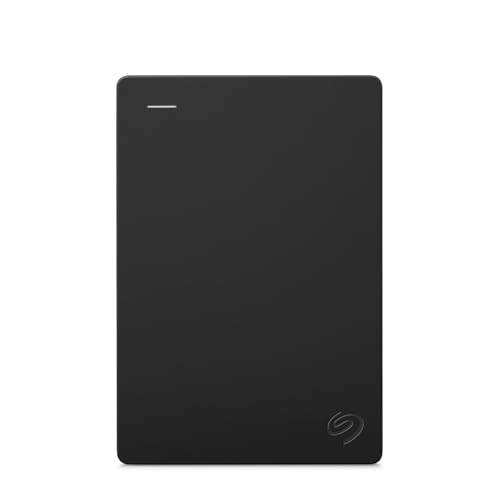
Seagate 2TB Portable Hard Drive USB 3.0

SANDISK 4TB Extreme Portable SSD

Seagate Game Drive 4TB External HDD

WD 2TB Elements Portable External HDD
Seagate Portable 4TB External HDD
SANDISK 1TB Extreme Portable SSD
SANDISK 2TB Extreme Portable SSD

Toshiba Canvio Basics 2TB Portable HDD

Seagate One Touch 8TB External HDD
Seagate One Touch 24TB External HDD
Taking A Closer Look At The Options
The Seagate 2TB Portable is the kind of drive that disappears into a backpack and gets forgotten until you need it. A traditional spinning HDD (hard disk drive, the type with a physical platter inside) at 2TB, it gives you room for a hefty chunk of modern games without the price of an SSD.
Plug it in and your laptop recognizes it right away through USB 3.0, no software dance required. Compared to the rugged SanDisk options later in the list, this one is built more for desk life than rough travel, and that is reflected in its lightweight plastic shell.
Everyday Advantages
- 2TB holds a meaningful game library without the SSD premium
- True plug-and-play recognition across Windows and Mac
- Compact enough to slip into a laptop sleeve
- Bus-powered through USB, so no extra wall adapter to pack
Honest Caveats
- Spinning-platter HDDs run slower than any SSD on this list, so load times on installed games feel heavy
- Plastic shell offers little shock protection, and owners commonly report being careful not to knock it off a desk mid-write
Best Suited To
Casual gaming laptop users who want an inexpensive second library for older titles and indie games.
Look Elsewhere When
Speed matters more than saving a few dollars, in which case the SANDISK 1TB Extreme Portable SSD will feel dramatically faster.
The SANDISK 4TB Extreme is the fastest drive in the lineup and pairs that with serious room. An SSD (solid state drive) means no moving parts and far quicker read speeds, which translates to faster game launches and near-instant file transfers.
With USB Type-C (the small reversible connector) and advertised read speeds up to 2000MB/s, this drive keeps pace with high-end gaming laptops that have Thunderbolt or USB 3.2 Gen 2×2 ports. It is a meaningful step up from the Seagate 2TB that opened the list, both in speed and in how confidently you can toss it in a bag.
Notable Upsides
- 4TB capacity is rare in portable SSDs and fits the largest modern game collections
- Up to 2000MB/s read dramatically shortens load times and transfers
- USB Type-C works with most modern gaming laptops out of the box
- Rugged build handles the daily commute without a second thought
Worth Noting
- You need a USB 3.2 Gen 2×2 or Thunderbolt port to actually hit the top speeds
- Premium pricing puts it well above the HDD options here
Key Product Details
Right Fit For
Enthusiasts with current-generation gaming laptops who refuse to wait on load screens.
A Better Fit Elsewhere
Value-focused shoppers should look at the Seagate 4TB Portable HDD instead and accept the slower speeds for the cost savings.
The Seagate Game Drive wears its purpose on the outside with the black and blue styling that console players recognize. Underneath that shell sits a 4TB HDD that is also perfectly happy to talk to a Windows gaming laptop over USB 3.0.
It is built for plug-and-play convenience, drawing power from the USB cable alone. Compared to the no-frills Seagate 2TB earlier in the list, this one adds themed styling and a higher capacity for similar hassle-free operation.
Where It Helps
- 4TB capacity fits 100+ games for most people, a real library without compromise
- Plug-and-play setup means no formatting headaches
- Compact and travel-ready form factor for LAN parties and dorm moves
- USB bus-powered, so one cable does it all
Trade Offs
- HDD speeds will not match any SSD on this list, so direct-play from the drive is sluggish for newer games
Who It Suits Best
Gaming laptop users who bounce between PC and console and want a single drive that works on both.
Where Another Pick Suits Better
Gamers chasing the fastest possible load times are better served by the SANDISK 2TB Extreme Portable SSD.
The WD Elements 2TB is the textbook mainstream external drive. Western Digital has been making these long enough that the formula feels dialed in: a small enclosure, USB 3.2 Gen 1 (a USB standard delivering up to 5Gbps), and broad compatibility.
It does not try to be exciting, and that is honestly the point. The Seagate 2TB earlier in this list offers a similar experience, but the Elements has a long track record of sitting in laptop bags worldwide without complaint.
Positive Points
- Plug-and-play ready for Windows out of the box
- USB 3.2 Gen 1 keeps transfer speeds sensible for an HDD
- Lightweight enough to ignore in a backpack
Small Caveats
- 2TB fills up faster than most gamers expect with modern titles
- Plastic enclosure has no special drop rating
Feature Snapshot
Made For
Anyone who wants a no-surprises, set-and-forget backup drive for their gaming laptop.
Skip It When
You need 4TB or more for a serious collection, where the Seagate Game Drive 4TB or Seagate Portable 4TB pull ahead.
The Seagate Portable 4TB is the more grown-up sibling of the 2TB drive reviewed earlier. Same general shape, same drag-and-drop simplicity, but double the room and broader cross-platform support that covers PC, Mac, Xbox, and PlayStation.
It is a great fit for households that share one drive between a gaming laptop and a console. Where the Seagate Game Drive leans into PS4 styling, this one keeps a low profile and lets the capacity speak for itself.
The Good Stuff
- 4TB hits a real sweet spot for modern game libraries
- Cross-platform compatibility covers the consoles in your life
- USB 3.0 keeps backups moving at reasonable speeds
- Bus-powered design needs only one cable
Points To Note
- Still a mechanical HDD, so heavy game loads drag compared to SSD options
- Reformatting may be required when switching between Windows and Mac
Perfect Match For
Multi-device households that want one drive to bridge a gaming laptop, an Xbox, or a PlayStation.
Reach For A Different Pick When
You want speed as well as space, in which case the SANDISK 4TB Extreme Portable SSD is the obvious jump up.
The 1TB version of the SANDISK Extreme is the smallest, lightest drive in the SSD half of this list. It slides into a jacket pocket and adds barely any weight to a laptop bag, which makes it a natural pick for commuters and students.
You give up room compared to the 2TB and 4TB siblings reviewed elsewhere, but you keep the same 2000MB/s-class speed. The Seagate 2TB Portable covered earlier trades speed for capacity, while this one flips the balance.
Features That Help
- Up to 2000MB/s read keeps load times short for current games
- Pocketable form factor suits daily commutes and travel
- USB Type-C works with most modern gaming laptops
- Rugged build shrugs off the occasional bump
A Few Limitations
- 1TB fills quickly with modern AAA installs, so you may find yourself rotating games
- Top speeds require a compatible USB 3.2 Gen 2×2 or Thunderbolt port
Quick Facts
Who Will Love This
Gaming laptop users who travel light and want fast storage without bulk.
Consider Something Else When
You have a big enough library to need 4TB, where the SANDISK 4TB Extreme Portable SSD is the right upgrade path.
The 2TB SANDISK Extreme is the middle child of the SSD family here, and for most gaming laptop users it is the most balanced of the three. You get the same 2000MB/s-class speed as the 1TB and 4TB versions, just with capacity that feels more practical for an everyday gamer.
It pairs well with current-generation laptops that have proper USB 3.2 Gen 2×2 or Thunderbolt support. Compared to the WD Elements 2TB reviewed earlier, the experience is faster, tougher, and more travel-friendly, though you pay a real premium for it.
What Stands Out
- 2TB is a sensible size for a current top gaming library
- Up to 2000MB/s read keeps installs and loads snappy
- USB Type-C with broad modern laptop compatibility
- Rugged construction handles the rough side of gaming life
Potential Drawbacks
- Cost is significantly higher than HDD options at the same capacity
- Full read speeds need a USB 3.2 Gen 2×2 or Thunderbolt port
Built With In Mind
Gaming laptop owners who split the difference between the 1TB travel option and the 4TB enthusiast pick.
Swap It Out When
Budget matters more than speed, in which case the Toshiba Canvio Basics 2TB is a calmer alternative.
The Toshiba Canvio Basics is the definition of a no-nonsense drive. The matte black finish, the simple USB 3.0 interface, and the lack of bundled software make it one of the cleanest entry points into external storage for gaming laptops.
It does the same job as the Seagate 2TB and WD Elements covered earlier, often at a more accessible price. Where the SanDisk SSDs above are about speed, the Canvio is about getting a usable backup for as little friction as possible.
Good Reasons To Consider
- Simple plug-and-play operation with no software to install
- Matte finish resists fingerprints better than glossy enclosures
- USB 3.0 keeps backups moving at sensible speeds
- Compact body slips next to a laptop in any bag
Where It Is Less Suited
- HDD load times are slow for direct game streaming from the drive
- Out-of-the-box formatting may need adjustment for Mac users
Whose Shelf It Belongs On
First-time external drive shoppers who want a calm, low-cost entry into game backups.
Not Your Match When
You regularly run games straight from the external drive, where an SSD like the SANDISK 1TB Extreme would feel more responsive.
The Seagate One Touch 8TB is where this list shifts from “laptop bag” to “desk drawer”. This is a desktop HDD, larger and heavier, but the trade-off is a vault-sized 8TB of storage that gaming laptop users can dock next to their setup.
USB-C bus power keeps cabling simple, though a drive this size leans toward permanent desk placement. The 4TB Seagate Game Drive reviewed earlier is far more portable, but this One Touch doubles the capacity at the cost of mobility.
What Works In Its Favor
- 8TB swallows a serious game library plus screenshots, captures, and clips
- Single USB-C cable for both data and power keeps the desk uncluttered
- Cross-platform compatibility with most Windows and macOS laptops
- Includes a two-year warranty for extra peace of mind
Practical Considerations
- Desktop size means it is not a grab-and-go travel drive
- Mechanical HDD speeds are slower than the SSD options in this roundup
Who Should Grab It
Gaming laptop owners with a permanent desk setup who want one drive to hold the bulk of their library.
Another Choice May Suit When
You need to carry games between locations, in which case the SANDISK 4TB Extreme Portable SSD is the travel-ready answer.
The 24TB One Touch is the deep-storage end of this list, built for people whose game libraries have outgrown anything portable. Twenty-four terabytes covers a working collection that most gamers will never fully fill.
Like the 8TB version reviewed just before, it is a desktop drive meant to live next to your laptop. Speed is the obvious trade, since HDDs cannot touch SSDs, but for archival and bulk storage, the 24TB figure is hard to beat.
What Pays Off
- 24TB handles massive libraries, captures, and mod collections in one place
- Single USB-C cable keeps the connection fuss-free
- Works with most modern Windows and macOS gaming laptops
- Two-year limited warranty adds reassurance for a big-capacity buy
Things To Weigh Up
- HDD read and write speeds lag well behind every SSD on this list
- Large desktop footprint, so plan a permanent spot for it
Right Fit For
Library hoarders, streamers, and content creators who want one drive that holds everything.
Where A Sibling Pick Shines
Gamers who want speed plus some space should pick the SANDISK 4TB Extreme Portable SSD instead.
What To Match Between Your Laptop And The Drive
A gaming laptop external drive has to solve two problems at once: it needs to be fast enough that games do not feel sluggish, and it needs to hold enough that you are not deleting a game every time you install one. HDD (hard disk drive) and SSD (solid state drive) are the two main types here, and the difference shows up in everything from load times to how the drive handles being tossed into a bag.
How Much Capacity Actually Fits Your Library
Modern AAA games commonly weigh in at 50 to 150GB each, and a year of releases adds up faster than most people expect. A 2TB drive like the WD Elements or Toshiba Canvio Basics covers a casual collection of 15 to 25 modern titles. A 4TB option like the Seagate Game Drive or Seagate Portable 4TB fits closer to 50. The 8TB and 24TB desktop One Touch drives are for people whose libraries have spilled past a single 4TB.
SSD Speed Versus HDD Affordability
SSDs cost more per terabyte, but the speed difference is real. A portable SSD like the SANDISK Extreme line can reach 2000MB/s read speeds, which makes a direct-from-drive install feel close to running a game from your internal NVMe. HDDs at 100 to 150MB/s feel leisurely by comparison, though they remain the smarter pick for archival and bulk storage. The right answer depends on whether you plan to launch games from the drive or just park them there.
Port And Cable Reality Check
A drive is only as fast as the port it plugs into. Most modern gaming laptops have USB 3.2 Gen 2 or Thunderbolt, and the SANDISK Extreme drives use USB Type-C, which works with both. Older laptops with USB 3.0 only will see the drives work, just not at their top speed. Worth confirming your port situation before paying for a premium SSD you cannot fully use.
Portability Versus Desktop Anchoring
If your gaming laptop moves between dorm, café, and a friend’s place, a bus-powered portable drive (one that draws power through the USB cable) is the only answer. The SANDISK Extreme SSDs and the Seagate 2TB and 4TB portables all fit that life. The 8TB and 24TB One Touch drives are heavier, draw more power, and really want a permanent spot on your desk.
Mistakes Worth Dodging And Where The Extra Money Goes
Pitfalls Shoppers Hit
A common slip is buying a fast SSD and plugging it into an old USB 3.0 port, then wondering why the speeds feel ordinary. Another is underestimating capacity needs and ending up with a 2TB drive that fills within a year. Skipping a backup habit altogether is the bigger risk, since every drive on this list can fail, and a one-off copy is not a backup plan.
When Paying More Pays Off
Premium drives earn their higher cost through speed, durability, and included warranty. The SANDISK Extreme SSDs handle drops, weather, and travel better than any HDD in the lineup. Seagate’s desktop One Touch drives add a two-year warranty and a Rescue recovery option that the budget HDDs do not. For a working library you depend on, the upgrade cost is often worth it.
Frequently Asked Questions
Do I need an SSD or HDD for gaming laptop storage?
A portable SSD is the better fit when you want to launch games directly from the drive and care about shorter load times. An HDD is the more practical pick for budget shoppers, archival storage, or anyone who mostly uses the drive as a parking spot for installs and clips.
Can I play games directly from an external drive?
Yes, but the experience depends on the drive type. SSDs like the SANDISK Extreme line run games with load times close to an internal NVMe, while HDDs add noticeable delays. Faster drives also reduce stutter when games stream texture data on the fly.
How much storage do I realistically need for modern games?
Plan for around 100GB per modern AAA title, more for live-service games that keep updating. A 2TB drive covers a modest library, while 4TB gives most gamers a year of breathing room. Anything beyond 8TB is for people who rarely delete.
Will an external drive slow down my gaming laptop?
The drive itself does not slow down your laptop, but a slow drive can bottleneck load times. SSDs are essentially invisible during play, while HDDs add wait time when the game streams assets. The laptop’s internal performance stays the same either way.
Are rugged portable SSDs worth the extra cost?
For travel-heavy gamers, yes. The SANDISK Extreme line resists drops and weather better than any plastic-encased HDD, which matters when the drive lives in a backpack. For desk-only use, the ruggedness is less important and a standard drive will do the job.
Bottom Line
Your gaming laptop has a fixed amount of internal storage, and modern games will outgrow it within a season or two. The right external drive depends on how you actually use yours: HDDs for budget, bulk, and archival, SSDs for speed and travel, and large desktop drives for the kind of library that justifies a permanent home next to your setup. Pick the one that matches your habits, and you will stop thinking about storage the moment it is plugged in.


