


Mobile gaming has quietly outgrown casual puzzles. Today, Genshin Impact, Wuthering Waves, and Call of Duty Mobile all want sustained frame rates, fast touch response, and a chipset that doesn’t thermal-throttle five minutes into a session. That doesn’t mean you need to spend flagship money. The picks below lean on older flagship silicon and capable mid-range processors (the system-on-chip that runs the phone’s brain, graphics, and connectivity) paired with high-refresh AMOLED panels (screens that redraw the image up to 120 times per second for smoother motion), giving you 90% of the premium experience at a much friendlier outlay. Each one was chosen for a different kind of gamer, so whether you main a battle royale or just want a responsive screen for everything else, there’s a match here.
An Overview Of The Picks

OnePlus 15R Dual-SIM 512GB + 12GB (Charcoal Black)
XIAOMI Redmi Note 14 4G LTE (256GB + 8GB, Ocean Blue)

XIAOMI Redmi Note 14 5G + LTE (256GB + 8GB, Lavender Purple)
OnePlus 15R Dual-SIM 256GB + 12GB (Charcoal Black)

Samsung Galaxy S25 Ultra 512GB AI Smartphone (Titanium Whitesilver)
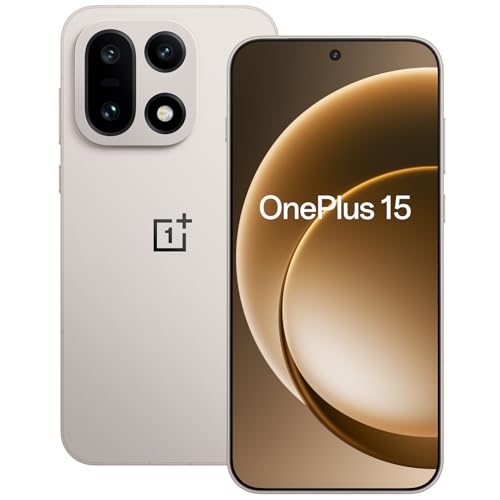
OnePlus 15 Dual-SIM 512GB + 16GB (Sand Storm)
Nothing Phone (3a) Pro 5G (12+256GB, Grey)
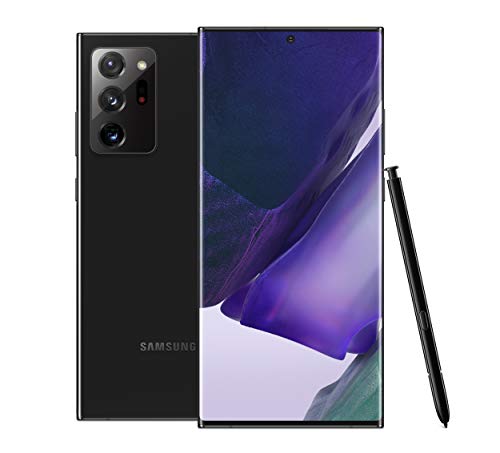
SAMSUNG Galaxy Note 20 Ultra 5G (128GB, Mystic Black)
A Deeper Look At The Lineup
The OnePlus 15R lands as the most balanced entry in the roundup, pairing a Snapdragon 8 Gen 5 chip (Qualcomm’s top-tier processor built on a 3nm process, meaning smaller, faster transistors) with 12GB of RAM and a generous 512GB of storage. In real-world use, that means Genshin Impact stays above 50 frames per second on medium-to-high settings and PUBG Mobile holds a smooth 60fps during firefights.
The 6.83-inch AMOLED panel pushes 1272 x 2800 resolution with rich color depth, so HDR games pop without looking oversaturated. The phone’s 213g weight is noticeable in longer handheld sessions, though the curved edges keep it comfortable. Against the XIAOMI Redmi Note 14 5G below, this is the step up in raw graphical horsepower.
Everyday Advantages
- 512GB storage holds dozens of large game installs without constant cleanup
- Snapdragon 8 Gen 5 handles ray-traced mobile titles at playable frame rates
- 12GB RAM keeps background apps alive when you swap between Discord and a game
- 50MP main camera with OIS (optical image stabilization, which physically counteracts hand shake) doubles as a solid point-and-shoot
- AMOLED panel reaches 1B colors, making supported games visibly more vibrant
Things To Consider
- International version, so check carrier compatibility before committing
- 213g weight may feel dense during marathon handheld play
Who It Suits Best
Competitive mobile gamers who play demanding 3D titles daily and want flagship-class silicon without paying flagship prices.
Look Elsewhere When
Shoppers locked to T-Mobile who want guaranteed network compatibility should consider the XIAOMI Redmi Note 14 5G instead.
The Redmi Note 14 4G punches above its weight for casual players, packing a 6.67-inch AMOLED screen with a 120Hz refresh rate and 2400 x 1080 resolution into a body that costs far less than the OnePlus above. Scrolling through menus, swiping between homescreens, and playing lighter titles like Marvel Snap or Brawl Stars all feel fluid and responsive.
The 108MP main camera is genuinely impressive for the price tier, and the 8GB of RAM is enough to keep a game running while you check a message. Where this phone falls short is heavy 3D workloads, where the chipset shows its budget roots. You may find frame drops during extended Genshin Impact sessions, but for everyday gaming on T-Mobile, Mint, or Tello, it’s hard to argue with the value.
Benefits That Matter
- 120Hz AMOLED display is rare at this price point
- 108MP main camera captures sharp daytime photos
- 256GB internal storage with microSD expansion via the hybrid SIM slot
- Dual-SIM setup lets you separate work and play lines
Trade Offs
- 4G-only modem means no 5G gaming on T-Mobile’s newer bands
- Mid-range chip struggles with the most demanding 3D titles
- GSM-only; won’t work on Verizon or Sprint CDMA networks
Right Fit For
Casual mobile gamers on T-Mobile-family networks who want a smooth 120Hz screen and great battery life without stretching the budget.
Skip It When
Anyone chasing top-tier frame rates in Genshin Impact or Honkai: Star Rail should step up to the OnePlus 15R 512GB above.
Step into the 5G version of the Redmi Note 14 and the differences start to matter for cloud gaming and lower-latency multiplayer. The Dimensity 7025-Ultra chip (MediaTek’s efficient 6nm processor, where smaller nanometer measurements generally mean better power efficiency) handles 108MP camera processing and everyday gaming without breaking a sweat.
The 6.67-inch AMOLED panel is identical to the 4G sibling, so the visual experience carries over. You also get NFC (near-field communication, used for tap-to-pay) for contactless payments, which is a real-world perk that many budget phones skip. The 8GB of RAM is adequate for most games, though heavy multitaskers may want to close background apps before longer sessions.
A Favorable Mix
- 5G support on multiple T-Mobile bands, including n41 and n71
- Dimensity 7025-Ultra balances performance and battery efficiency
- 108MP triple camera system covers wide, ultrawide, and macro
- NFC enables Google Pay and transit cards
Worth Noting
- GSM-only device; no CDMA carrier support in the US
- Camera system tends to over-sharpen in low light, a common budget-phone quirk
Made For
T-Mobile subscribers who want 5G speeds, NFC convenience, and a smooth 120Hz screen at a budget price.
Where Another Pick Suits Better
Gamers wanting premium build and stylus support should look at the Samsung Galaxy Note 20 Ultra 5G later in this list.
The 256GB variant of the OnePlus 15R keeps the same Snapdragon 8 Gen 5 chip and 12GB of RAM as the 512GB model above, trimming only the storage. For gamers who stream rather than store, this is the smarter play. Cloud saves and a healthy library rotation mean most people won’t fill 256GB quickly.
The 6.83-inch AMOLED panel and the same 50MP main camera with OIS carry over unchanged. The Snapdragon 8 Gen 5 handles 3D titles just as well here, with frame rates matching the larger-storage sibling. The trade-off is obvious: you give up 256GB of headroom, and that matters only if you keep many large games installed at once.
The Good Stuff
- Identical Snapdragon 8 Gen 5 performance to the 512GB model
- 12GB RAM keeps aggressive multitasking smooth
- Same 50MP OIS main camera as the larger-storage sibling
- Lower price tier for the same gaming experience
Honest Caveats
- 256GB fills up faster with modern games that exceed 10GB each
- No microSD slot for expanding storage later
Best Suited To
Gamers who rely on cloud saves and rotate between a handful of titles rather than hoarding an entire library locally.
Not Your Match When
Collectors who keep dozens of large games installed should pick the OnePlus 15R 512GB variant instead.
The Galaxy S25 Ultra sits at the top of the Android heap, pairing a Snapdragon 8 Elite chip with Samsung’s polished One UI. The 5000mAh battery is the real headline for gamers, comfortably outlasting the OnePlus 15R in extended sessions, and the built-in S Pen adds a layer of control that no other phone in this roundup can match.
You also get Samsung’s wider US warranty and a US 1-year manufacturer warranty, which matters if anything goes wrong. The 512GB storage and 12GB RAM are generous, and the camera system is best-in-class, if photography matters alongside your gaming habit. This is the priciest pick on the list, and not technically “cheap,” but it’s the natural upgrade target if you want the smoothest experience money can buy.
Bright Spots
- Snapdragon 8 Elite is the fastest Android chip available in 2026
- 5000mAh battery handles all-day heavy gaming
- Built-in S Pen for precision in strategy and drawing games
- AI Night Mode camera excels in low-light conditions
Points To Note
- Premium pricing puts it well above the rest of this list
- Large physical footprint may strain smaller hands
Who Will Love This
Hardcore mobile gamers who want the smoothest possible experience, longest battery life, and don’t mind paying flagship money for it.
Consider Something Else When
Shoppers who want near-flagship gaming performance at half the price should consider the OnePlus 15R 512GB instead.
The OnePlus 15 is the most powerful phone in this roundup, and the spec sheet reads like a wish list. A Snapdragon 8 Elite Gen 5 chip (an even higher-clocked variant of the standard Elite) pairs with 16GB of RAM, a 6.78-inch LTPO AMOLED panel (a display type that dynamically adjusts its refresh rate to save power), and a triple 50MP camera system that includes a 3.5x periscope telephoto for sharp zoomed shots.
The Sand Storm finish gives the phone a textured look that hides fingerprints better than glossy glass. In esports titles like PUBG Mobile and Call of Duty, frame rates stay locked at the panel’s ceiling with minimal thermal throttling (when the chip slows itself down to avoid overheating). You do pay a premium over the 15R, and the international version limits US carrier compatibility, but for raw performance, nothing else in this list comes close.
Why It Works Well
- 16GB RAM handles 10+ background apps without reloads
- Snapdragon 8 Elite Gen 5 is the fastest chip in any phone here
- Triple 50MP camera setup includes 3.5x periscope zoom
- LTPO AMOLED display balances smooth visuals and battery life
Room For Improvement
- International version; no US manufacturer warranty
- Heavier price tag than the 15R siblings
- GSM-only modem won’t work on Verizon’s CDMA network
Perfect Match For
Mobile esports players and live streamers who need maximum sustained performance and the largest RAM pool available.
A Better Fit Elsewhere
Anyone who values US warranty coverage and a built-in stylus should look at the Samsung Galaxy S25 Ultra above.
The Nothing Phone (3a) Pro is the most distinctive-looking entry on the list, with a transparent back and the brand’s signature Glyph interface (a pattern of LED strips on the back that light up for notifications, charging, and custom alerts). For gamers who care about aesthetic, this phone delivers where generic slabs don’t.
Underneath, you get a 5G-capable chipset, 12GB of RAM, and 256GB of storage, which is enough muscle for most modern mobile games. The 50MP periscope camera with 3x optical zoom is a genuine mid-range highlight, and Nothing’s clean Android skin (the custom version of Android that phone makers install over the base operating system) avoids the bloat that clutters many competitor devices. Performance doesn’t match the OnePlus 15R, but the trade-off is a phone that actually looks different on the desk.
A Few Strong Suits
- Glyph LED interface is genuinely useful for notification triage during gaming
- 50MP periscope telephoto is rare at this tier
- 12GB RAM keeps games snappy during multitasking
- Clean, near-stock Android experience with no extra ads
Points To Keep In Mind
- Mid-tier chipset won’t sustain high frame rates in the most demanding 3D games
- Camera processing can be slow in dim indoor lighting
Who Should Grab It
Style-conscious gamers who play a mix of casual and mid-intensity titles and want a phone that stands out from the glass-slab crowd.
Swap It Out When
Hardcore gamers chasing the smoothest frame rates should look at the OnePlus 15R 512GB earlier in this list.
The Galaxy Note 20 Ultra is a few generations old at this point, but it’s the most affordable way to get a flagship Samsung with an S Pen, 5G, and a 6.9-inch Dynamic AMOLED 2X display (Samsung’s marketing term for an AMOLED panel with a variable refresh rate that scales up to 120Hz for smoother motion). For light gaming and stylus-driven titles, it remains a strong pick.
Where this phone shows its age is in the heaviest 3D games, where the older chipset can’t keep up with the OnePlus 15R. But for puzzles, card games, and casual play, the 128GB storage, adaptive battery, and that gorgeous screen are still enjoyable. Owners commonly report that battery health degrades after a few years, so budget for a possible replacement if buying used or refurbished.
Useful Strengths
- 6.9-inch Dynamic AMOLED 2X display is large and vibrant
- Built-in S Pen adds precision control in supported games
- 5G connectivity on major US carriers
- Adaptive battery learns your patterns to extend daily runtime
Smaller Limitations
- Older chipset struggles with modern 3D-heavy releases
- 128GB storage fills up quickly with game installs
- Battery health is a known concern on older used units
Built With In Mind
Casual mobile gamers and stylus enthusiasts who want Samsung quality and an S Pen at the lowest price on this list.
Another Choice May Suit
Gamers wanting modern chipset performance and 5G on a budget should consider the XIAOMI Redmi Note 14 5G instead.
Picking The Right Cheap Gaming Phone For Your Style
Chipset Generation Matters More Than You Think
The biggest performance jump in mobile gaming comes from the system-on-chip, not from RAM or screen size. A Snapdragon 8 Gen 5 (or 8 Elite) chip will run Genshin Impact at noticeably higher frame rates than a mid-range Dimensity 7025, even when both phones share the same 12GB of RAM. For hardcore 3D titles, prioritize the chipset first and storage second. For casual and puzzle games, a budget chip paired with a 120Hz AMOLED display still feels great.
Refresh Rate And Touch Sampling Are The Hidden Specs
Refresh rate (how many times per second the screen redraws, measured in Hz) and touch sampling rate (how often the screen checks for finger input) both shape how smooth a game feels. A 120Hz panel with 240Hz touch sampling responds visibly faster in competitive shooters than a 60Hz panel with 120Hz sampling. Most picks here offer 120Hz, but the OnePlus 15R and OnePlus 15 stand out for higher touch sampling, which matters in ranked play.
Storage And Battery Decide Your Daily Routine
A phone with 128GB fills up fast once you add a few large games, so 256GB or 512GB is the practical floor for serious mobile gamers. Battery capacity is the other half of the equation. The Samsung Galaxy S25 Ultra’s 5000mAh cell comfortably handles long sessions, while the budget Redmi Note 14 models rely on more efficient chips to stretch smaller batteries. Plan around your typical session length.
Carrier Compatibility Deserves A Pre-Purchase Check
Several picks here are international versions, which means GSM-only (the older global cellular standard) and no CDMA (the standard Verizon and older Sprint used). On T-Mobile, Mint, and Tello, they work fine. On Verizon and AT&T, double-check band support before committing. Skipping this step is the most common regret.
Key Considerations Across These Picks
Where Shoppers Go Wrong
The biggest mistake is chasing RAM numbers without checking the chipset. 12GB of RAM paired with a budget chip won’t outperform 8GB paired with a flagship SoC (system-on-chip) in real gaming. Another common slip is ignoring refresh rate. A 60Hz screen makes even capable chips feel sluggish compared to 120Hz. Finally, US shoppers often overlook that “international version” means no domestic manufacturer warranty, which matters if anything goes wrong in the first year.
Where The Extra Money Goes
Spending more in this category buys you three things: a newer chipset with better sustained performance, more RAM for aggressive multitasking, and a brighter, faster-refreshing display. The Samsung Galaxy S25 Ultra and OnePlus 15 deliver the smoothest experience, but the OnePlus 15R 512GB sits in the sweet spot where most gamers won’t notice a real-world difference. The premium tier pays off only for esports players and streamers; everyone else can stay comfortably in the mid-range.
Frequently Asked Questions
What Specs Matter Most For Mobile Gaming In 2026?
The chipset and refresh rate matter most. A Snapdragon 8 Gen 5 or newer paired with a 120Hz AMOLED panel handles nearly every current mobile title at playable frame rates. RAM above 8GB helps with multitasking, and storage above 256GB prevents constant uninstalls.
Are International Version Phones Safe To Buy?
International versions from established brands are generally reliable, but they often lack US manufacturer warranties and may miss certain carrier bands. On T-Mobile-family networks, they work well. On Verizon, check band compatibility before purchasing.
How Much Storage Do Mobile Games Need In 2026?
Popular titles like Genshin Impact, Honkai: Star Rail, and Call of Duty Mobile each take 10–25GB. A 128GB phone fills up after four or five large installs, so 256GB is the practical minimum for serious gamers.
Do Cheap Gaming Phones Overheat During Long Sessions?
Mid-range chips throttle (deliberately slow themselves down) more aggressively than flagships under sustained load, which can cause frame drops in extended sessions. The OnePlus 15R and 15 manage thermals better than the budget Redmi models, but a case with heat dissipation helps across the board.
Is A Higher Refresh Rate Display Worth It?
For mobile gaming, yes. The jump from 60Hz to 120Hz is immediately visible in motion, scrolling, and swipe-controlled games. Most picks in this roundup offer 120Hz, so you don’t need to pay flagship prices for the smoother experience.
The Takeaway
The right cheap gaming phone depends on how seriously you play. Demanding 3D titles justify the OnePlus 15R 512GB, while casual gamers get more than enough from the Redmi Note 14 5G or 4G. If you want every modern game at max settings and a built-in stylus, the Galaxy S25 Ultra earns its place at the top. Pick the one that matches your play style, not just the spec sheet, and you’ll enjoy the upgrade for years.


