


Gaming audio on a tight budget often means picking between muddy sound and uncomfortable housings. The good news: today’s affordable in-ear monitors have grown up, with hybrid drivers, detachable cables, and tuning that suits long sessions just as well as quick ranked matches. This roundup looks at ten wired IEMs that deliver real performance for the money, from casual couch play to studio-style monitoring. Each pick here was chosen for what it brings to your specific setup, whether that’s a crowded PC desk, a Switch dock in the living room, or a phone on the go.
The Choices Worth Comparing
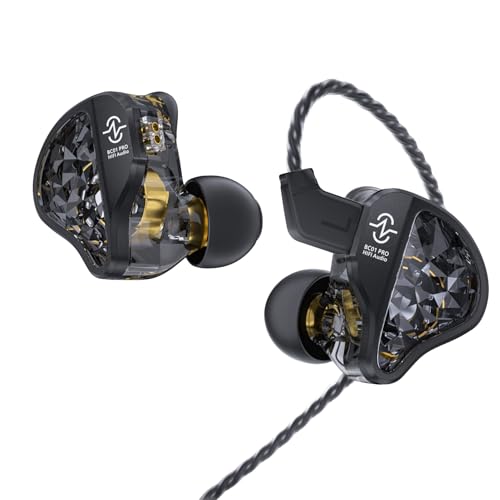
CCZ BC01 PRO Hybrid IEM Gaming Earbuds (Dark Black)

CCA C10 5-Driver Hybrid IEM Earphones
Fosi Audio IM4 Open-Back IEM Earphones

YINYOO KZ-ZST Hybrid 1BA+1DD IEM Earphones

KZ ZSN PRO X Dual Driver Gaming Earbuds

KZ ZSN PRO X Dual Magnetic IEM (Dark Black)

KZ ZSN Pro Hybrid Dual Driver IEM (Gray)
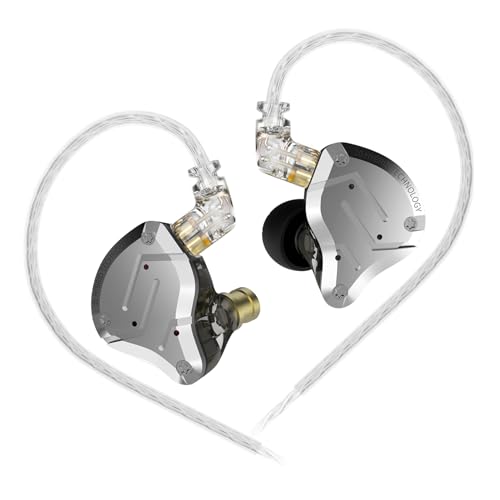
KZ ZS10 Pro 4BA+1DD IEM Earbuds

KZ AS10 5 Balanced Armature IEM

KBEAR KS1 Dual Magnetic Bass IEM
Meet The Standout Selections
The CCZ BC01 PRO opens the list because it leans into the kind of tuning casual players tend to like, with a clear low end that gives explosions and engine roars some weight without drowning out footsteps. The hybrid setup pairs one balanced armature (a tiny, precise driver that handles the high frequencies) with one dynamic driver (a larger driver that produces the bass), and that combination typically delivers a wide, layered sound on a tight budget.
It’s the kind of pick you toss in a bag for a long session at a friend’s place or for late-night ranked play where a full headset feels like too much. Compared to the bulkier options later in this list, the BC01 PRO stays out of the way and stays light.
Advantages To Know
- Hybrid 1BA + 1DD tuning offers clear highs and warm lows for general gaming audio.
- Compact shells reduce ear fatigue during multi-hour sessions.
- Wired connection removes the latency concerns that show up on some wireless sets.
Things To Consider
- Without a built-in mic, voice chat depends on a separate boom or controller mic.
- Sound isolation is passive, so noisy environments may leak in.
Key Specs
Who It Suits Best
Casual players who want a low-profile, wired IEM for desktop gaming and already have a separate mic for chat.
Consider Something Else When
The CCA C10 fits better if you crave more layered detail retrieval for music-heavy titles or competitive shooters.
The CCA C10 stands out for packing four balanced armatures and a single dynamic driver per side, a layout normally seen on pricier IEMs. That extra hardware means cymbals, gunshots, and dialogue tend to land in distinct layers rather than blending into a single wall of sound, which helps during cinematic single-player runs.
Detachable cabling is the other quiet win here. If the cable ever frays, you swap it without retiring the shells, and you can experiment with longer or shorter cords depending on your setup. Gamers who switch between PC, console, and a phone will appreciate the flexibility.
The Helpful Details
- Multi-driver array reveals fine details in busy game mixes and music.
- Detachable cable protects the investment when wear shows up at the connector.
- Noise-isolating fit helps keep distractions out during ranked matches.
Worth Noting
- Larger shells may feel bulky in smaller ears, and the deeper fit takes some adjusting.
- Higher detail retrieval can expose poorly mixed game audio that other IEMs gloss over.
Made For
Players who want extra resolution for both competitive shooters and music-focused sessions, and who don’t mind a larger IEM housing.
A Better Fit Elsewhere
The KZ ZS10 Pro is worth a look instead if you want a similarly layered sound with a slightly different tonal balance.
The Fosi Audio IM4 is a rare budget open-back IEM, meaning its shell vents air outside the ear, which generally gives audio a more spacious, less sealed-in feel. For solo play in a quiet room, that translates into a soundstage (the perceived width and depth of the audio) that feels wider than most closed designs at this level, helping you pick out where distant sounds are coming from in story-driven titles.
Pair that with a beryllium-coated 10mm dynamic driver and a detachable 2-pin cable, and the IM4 is a thoughtful pick for anyone curious about open-back listening without a full-size headphone investment.
Bright Spots
- Open-back design creates an airy soundstage, useful for atmospheric games.
- Beryllium-coated diaphragm aims for cleaner high-frequency response.
- Detachable 2-pin cable supports easy replacement and customization.
Points To Note
- Open-back IEMs leak sound outward, which can disturb others nearby.
- Less passive isolation means loud environments will bleed into the mix.
Right Fit For
Gamers who play alone in a quiet space and prioritize a wide, relaxed sound for RPGs and adventures.
Skip It When
The KZ ZSN Pro makes more sense for shared or noisy rooms, since its closed design keeps sound contained.
The KZ-ZST has been a long-time recommendation for anyone stepping into the IEM world for the first time, and it still earns its place on a budget list. The hybrid 1BA+1DD setup offers a clear upgrade over basic single-driver earbuds, and the colorful resin shells give it a personality that plain black options lack.
For younger players or anyone outfitting a secondary setup (a guest console, a travel rig, a study desk), the ZST hits a price-to-performance ratio that’s hard to argue with. It’s the kind of product you can hand to a friend without worrying.
What It Does Well
- Hybrid driver design at an entry-level price introduces layered sound for newcomers.
- Memory-wire ear hooks help the IEMs stay put during animated play sessions.
- Colorful finish makes them easy to spot in a shared gear bag.
Trade Offs
- No microphone means voice chat requires a separate solution.
- Older cable design is non-detachable, so cable wear is a long-term concern.
Best Suited To
First-time IEM shoppers, parents setting up a young gamer, or anyone who needs a low-cost backup pair.
Not Your Match When
The KZ ZSN PRO X is a smarter pick if you want a detachable cable and a sturdier shell from day one.
The KZ ZSN PRO X has earned its reputation as a go-to wired IEM for everyday gaming, and the upgraded shell design is part of why. A zinc-alloy faceplate paired with a resin cavity strikes a balance between weight and durability, and the result is a pair that holds up to the daily cable yanks of a busy desk.
It also ships with a detachable tangle-free cable, which is the sort of small detail that makes ownership less stressful over time. The 1BA+1DD hybrid inside leans slightly warm, giving bass-forward game audio some extra body without losing vocal clarity in story cutscenes.
The Upside
- Zinc-alloy faceplate adds everyday drop resistance compared with all-resin shells.
- Detachable cable extends the lifespan when connectors wear out.
- Hybrid tuning handles both cinematic single-player and action-heavy multiplayer.
Honest Caveats
- No included microphone, so a separate chat solution is necessary for team play.
Key Specs
Who Should Grab It
Daily gamers who want a sturdy, wired IEM with a replaceable cable and don’t need a built-in mic.
Look Elsewhere When
The KZ ZSN Pro is worth considering if you want a similar shell feel in a slightly different colorway.
This KZ ZSN PRO X variant pushes the original concept further with a redesigned 10mm dual-magnetic dynamic driver, paired with a dedicated high-frequency balanced armature. The dual-magnet approach generally tightens the bass response, so explosions hit with more control and less mush, a real plus in competitive shooters where low-end clarity matters.
It uses a removable C-pin cable, which is one of the more common KZ connector types, and that means replacement cables are easy to source if the original wears out. For long competitive sessions, the deeper fit and tighter bass tend to keep audio fatigue lower than the older ZST-style tuning.
Strong Points
- Dual-magnetic 10mm driver aims for controlled, tight bass response.
- Removable cable reduces long-term replacement cost.
- Hybrid design handles both voice call clarity and game audio effects.
Small Caveats
- No microphone, so chat still depends on an external option.
- Removable C-pin cables can wiggle loose if not firmly seated during heavy use.
Perfect Match For
Competitive multiplayer players who want firm, controlled bass for footsteps and gunfire without spending on a premium tier.
Swap It Out When
The KZ ZS10 Pro fits better if you want even more driver detail for tracking distant sounds in larger maps.
The KZ ZSN Pro sits in the sweet spot between price and refinement, and the gray colorway keeps it visually understated for grown-up desk setups. Its hybrid 1BA+1DD configuration is tuned to highlight the strengths of both drivers, with the dynamic driver handling low frequencies and the armature handling treble detail. That’s the recipe behind a lot of “high-resolution” claims in this category.
The detachable tangle-free cable is a quiet quality-of-life win. Owners commonly report that storing the IEMs in a pocket or pouch stays hassle-free, without the cable knots that plagued earlier budget picks.
Reasons It Performs
- Balanced hybrid tuning gives a clean, detailed sound for both game audio and music.
- Metal-and-resin construction holds up well to everyday desk wear.
- Detachable cable design simplifies long-term upkeep.
Worth Bearing In Mind
- Passive isolation depends heavily on getting a tight seal with the included tips.
- No microphone, so chat requires another solution.
Whose Shelf It Belongs On
Anyone who wants a neutral-looking, durable IEM for daily desk use and isn’t chasing the very latest driver count.
Another Choice May Suit
The KZ ZSN PRO X is the natural step up if you want a more modern shell and slightly tighter bass tuning.
The KZ ZS10 Pro is the upper end of the budget IEM category covered here, and you can hear it in the way each frequency band gets its own driver. Four balanced armatures and a second-generation 10mm dual-magnetic dynamic driver work together, and the result is a layered, clean presentation that benefits complex game mixes with lots of overlapping effects.
It ships with a 6N OFC (oxygen-free copper) cable, which is a higher-purity conductor than the standard copper found on most budget IEMs. For gamers who keep their audio gear for years, that detail tends to matter: it reduces signal loss over longer runs and gives a slightly cleaner top end.
Well-Handled Touches
- Five-driver array separates highs, mids, and bass for clearer in-game layering.
- 6N OFC cable supports cleaner signal over typical copper conductors.
- Detachable 0.75mm 2-pin cable is widely supported by third-party replacements.
Less-Strong Areas
- Physical size is larger than simpler IEMs, which may not suit smaller ear canals.
- Without a mic, you still need a separate chat option.
Feature Card
Built With In Mind
Detail-oriented competitive players who want strong layering and a premium-feeling cable without stepping into full audiophile pricing.
Reach For A Different Pick When
The KZ AS10 is worth considering if you prefer a fully armature-driven sound for vocal-heavy games and music.
The KZ AS10 takes a different approach than the rest of the list: it skips the dynamic driver entirely and uses five balanced armatures to cover the full frequency range. That setup tends to favor clarity and speed over raw bass weight, which is exactly what vocal-heavy games, dialogue-driven RPGs, and acoustic music tracks reward.
For streamers and content creators, the AS10 also makes sense as a monitoring tool for quick audio checks. The fast transient response (how quickly the driver reacts to sudden sounds, like snare hits or sharp dialogue cues) helps catch small audio issues that hybrid IEMs might smooth over.
Features That Help
- All-armature design produces fast, articulate sound for vocals and detail.
- Detachable 2-pin cable supports future replacement and customization.
- Multi-driver configuration reveals subtle audio cues in story-driven games.
Soft Spots
- Less low-end weight than dynamic-driver hybrids, which some players miss in action titles.
- Housing is on the larger side for a fully armature-based IEM.
The Right Fit
Players and creators who want articulate, vocal-forward audio for RPGs, story games, and content monitoring.
Where A Sibling Pick Shines
The KZ ZS10 Pro brings back dynamic-driver bass for anyone who wants more low-end impact alongside detail.
The KBEAR KS1 keeps things simple, and that’s a feature, not a limitation. A single dynamic driver with a dual-magnetic circuit and an independent rear sound cavity (a small chamber behind the driver that helps control air flow and shape bass response) gives the bass some warmth, while the overall tuning stays relaxed enough for long sessions without ear fatigue.
For someone who games casually, listens to music between matches, and doesn’t want to research driver counts, the KS1 is a sensible plug-and-play option. The single-DD (dynamic driver) approach is the most forgiving in this category for varied content.
Standout Benefits
- Single dynamic driver keeps the sound signature cohesive and easy to enjoy.
- Dual-magnetic circuit supports a fuller low end for action games and music.
- Lightweight housing is comfortable for long stretches at the desk.
Potential Sticking Points
- No detachable cable, so cable wear is a longer-term concern.
- No microphone, so chat depends on a separate mic.
Who Will Love This
Casual players and everyday listeners who want a comfortable, bass-friendly IEM without a learning curve.
Where Another Pick Suits Better
The KBEAR KS1 makes a great entry point, but the KZ ZSN Pro offers a hybrid upgrade for those ready for more layering.
Picking The Right Wired IEM For Your Setup
A budget IEM for gaming comes down to a few honest trade-offs, and knowing them upfront saves a return trip. Here’s what to weigh before you commit.
Driver Configuration And Tuning
A single dynamic driver is the simplest route: cohesive sound, easy to enjoy, generally lighter on the wallet. A balanced armature adds precision in the highs, which helps when you want to pick out subtle game cues. A hybrid IEM pairs both, and that combination tends to give you the best of each, at the cost of a slightly more complex sound signature. Your choice depends on whether you value pure simplicity or layered detail more.
Fit, Isolation, And Long Sessions
Comfort over two-hour sessions matters more than spec sheets suggest. Look for shells with an ergonomic shape and multiple ear tip sizes, since getting a proper seal is what unlocks bass response and noise isolation. Passive isolation (the physical blocking of outside sound by the IEM housing and tip fit) is the quiet hero of a focused gaming session, and it depends entirely on fit, not on software tricks.
Cable Design And Long-Term Ownership
Detachable cables are a real advantage on budget IEMs. The cable is the part that wears out first from daily yanks, and being able to swap it without retiring the shells extends the life of your gear. Non-detachable cables are fine for lighter use, but plan on replacing the whole unit if the cable frays.
Open-Back Versus Closed-Back
Open-back IEMs offer a wider, airier soundstage, which is great for atmospheric single-player games, but they leak sound both ways. Closed designs keep audio contained and your mix private, which matters in shared rooms or late-night sessions. Match the design to the environment you’ll play in most.
Key Considerations Across These Picks
Traps First Timers Fall Into
A common misstep is choosing by driver count alone. Five drivers don’t automatically beat one well-tuned driver, especially if the housing doesn’t fit your ears or the cable is the part that fails first. Another trap is ignoring the microphone question. Plenty of budget IEMs ship without a mic, which is fine if you have a separate solution, but a deal-breaker if you expected plug-and-play voice chat. Finally, don’t assume every IEM in this price range fits small ear canals; shells vary, and tip sizing often matters more than advertised.
What The Higher Tier Buys
Stepping up to the upper-budget tier, like the KZ ZS10 Pro or the Fosi Audio IM4, generally buys you more driver count, a better stock cable, and more thoughtful tuning. Those gains matter most in two situations: when you play competitive titles where audio layering translates to real performance, and when you already own a decent DAC or amp (a digital-to-analog converter and headphone amplifier that clean up and strengthen the audio signal) to feed them. For casual single-player or couch play, the lower tier on this list often does the job at a fraction of the cost.
Frequently Asked Questions
Do budget IEMs work well for competitive gaming?
Yes, especially hybrid designs with at least one balanced armature. They reveal mid- and high-frequency cues like footsteps and reloads, which matters in shooters. Match the IEM to your platform’s connection and you’re set.
Why do most of these picks not include a microphone?
Budget IEMs typically separate audio quality from the mic to keep costs focused. If you need voice chat, a standalone boom mic, a controller mic, or a desk mic covers it. Some IEMs in this range do offer mic variants, so check the listing if that’s important.
Is a detachable cable really that important?
It pays off over time. Cables tend to wear at the connector and strain points before the drivers fail, and a $10 replacement cable beats replacing a $40 IEM. For daily desk use, it’s a worthwhile feature.
Can I use these IEMs with a phone or console controller?
Most use a standard 3.5mm jack, which works with most controllers and phones with a headphone port. USB-C phones may need a small adapter, and wireless-only consoles won’t accept a wired IEM directly.
How do I keep budget IEMs in good shape?
Store them in a small pouch or case, avoid yanking by the cable, and wipe ear tips regularly. Swapping tips when they get worn keeps the seal tight and the bass response consistent.
Closing Remarks
The right budget IEM for gaming is the one that matches your space, your mix of games, and how long you usually play. Use this list as a map, then pick the pair that lines up with the scenarios you actually live in. Good audio doesn’t have to be expensive, it just has to fit.


