


Gaming on a tight budget used to mean compromise, but the 2026 crop of affordable notebooks proves that era is mostly behind us. Today’s entry-level machines pair modern entry GPUs, fast-refresh screens, and respectable multi-core CPUs at prices that won’t sting. The trick is knowing which specs actually matter for the games you play, and which spec-sheet extras you can safely skip without hurting your frame rate.
This roundup sorts nine widely available models into honest tiers: a few true gaming-first machines with dedicated RTX graphics, several big-screen everyday laptops that handle light gaming comfortably, and budget ultrabooks that double as study partners for casual titles. The picks below give you a clear read on trade-offs so you can match hardware to your favorite genre.
The Shortlist At A Glance

jumper 17.6 Inch Laptop, N95 CPU, 16GB LPDDR5 640GB Storage, 100% sRGB FHD Display, Windows 11

Apple 2026 MacBook Neo 13-inch Laptop with A18 Pro chip (Indigo)

Apple 2023 MacBook Pro Laptop M3 chip, 14.2-inch Liquid Retina XDR Display (Space Gray)
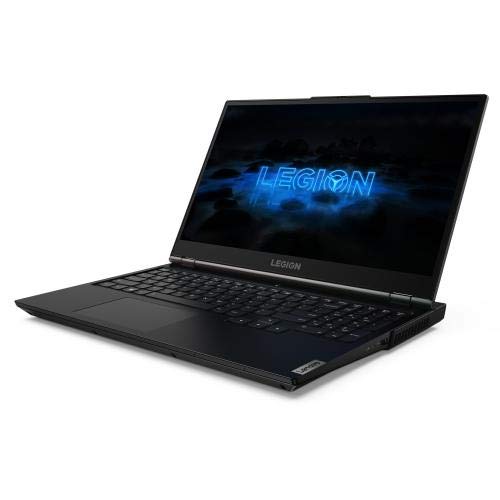
Lenovo Legion 5 15.6″ Gaming Laptop 144Hz, AMD Ryzen 7-4800H, RTX 2060, 16GB RAM, 512GB SSD (Renewed)
HP Victus 15.6″ Full HD 144Hz Gaming Laptop, Intel Core i5-12450H, NVIDIA GeForce RTX 3050, 16GB RAM, 1TB PCIe SSD

acer Nitro 5 AN515-54-51M5 15.6″, i5-9300H, NVIDIA GTX 1650, 8GB, 1TB HDD + 128GB SSD

Morostron 16-Inch Laptop, 8GB DDR, 256GB SSD, Pentium Quad-Core, 9000mAh Battery

MALLRACE 2026 Laptop, Intel N95, 17.3″ IPS FHD, 16GB RAM, 256GB ROM, 6000mAh Battery
MELIUNA 15.6″ AI Laptop with Office 365, 6GB RAM, 128GB SSD
A Breakdown Of The Leading Choices
The jumper 17.6 stands out the moment you open the lid. That oversized panel gives you serious screen real estate, and pairing it with a 100% sRGB color rating means games and videos look closer to what creators intended. For a dorm desk or a cramped apartment, the larger footprint isn’t a problem because you’re not packing it into a tiny bag every day.
Inside, the Intel N95 chip keeps everyday tasks and browser-based games moving along smoothly. Combined with 16GB of LPDDR5 RAM, you can run a Discord call, a spreadsheet, and a lightweight title in the background without choking the system. Where the jumper differs from the gaming-first picks later in this list is the GPU: there’s no dedicated graphics, so newer AAA games stay out of reach.
Points In Its Favor
- 17.6-inch 100% sRGB FHD display offers immersive visuals for the price tier.
- 16GB of fast LPDDR5 RAM handles multitasking without slowdown.
- Backlit keyboard helps late-night study or play sessions.
- Wi-Fi 6 keeps downloads and online play quick on modern routers.
Points To Keep In Mind
- No dedicated GPU means modern 3D games run poorly or not at all.
- Intel N95 is fine for productivity but feels slow under heavy creative loads.
Whose Shelf It Belongs On
Students and casual players who want a big, color-accurate screen for schoolwork, streaming, and light browser or indie games.
Where A Sibling Pick Shines
Gamers chasing real frame rates in current titles should look at the HP Victus 15.6″, which pairs an RTX 3050 with a 144Hz panel for genuine 1080p play.
Apple’s MacBook Neo brings the A18 Pro silicon down to a price tier students can actually consider. The recycled aluminum enclosure keeps weight low while giving the chassis the rigidity you’d expect from a MacBook, and the 13-inch footprint slips easily into backpacks built for textbooks. Indigo is the standout color option, paired with a color-matched Magic Keyboard.
For gaming specifically, the Neo is built around Apple’s ecosystem: Apple Arcade titles and the small library of native Mac games run well, but big Windows-only releases don’t apply. Battery life is the headline feature for most students who carry the Neo from class to coffee shop to library, with up to 16 hours of rated use between charges.
The Case For It
- A18 Pro chip delivers strong single-core performance and AI features.
- Up to 16 hours of battery life removes the daily charger anxiety.
- Recycled aluminum chassis feels premium and built to last.
- Touch ID streamlines logins, app store purchases, and password fills.
Some Limits To Know
- Native Mac game library is smaller than Windows alternatives.
- 8GB of unified memory feels tight for heavy multitasking.
- No support for Windows-only competitive esports titles.
Key Product Details
Right Fit For
Students already in the Apple ecosystem who play Apple Arcade titles, study, and want a long-lasting, portable machine.
Skip It When
If competitive shooters, MMOs, or the latest AAA releases drive your gaming life, the HP Victus 15.6″ or Lenovo Legion 5 15.6″ Gaming Laptop fit better.
The 14.2-inch Liquid Retina XDR display is the reason creative-types gravitate toward this MacBook Pro, and gamers benefit from it too. With 1000 nits of sustained HDR brightness and pro reference modes, supported games look noticeably more cinematic than on standard IPS panels. Apple pairs that with an M3 chip offering an 8-core CPU and 10-core GPU, which is plenty for casual and indie titles.
Battery life is rated up to 22 hours, which is well beyond most Windows competitors in this tier. You can move from a long day of class to an evening gaming session without reaching for the charger. The trade-off versus a true gaming machine like the HP Victus is clear: this is a creator-first laptop that plays games well, not a gaming-first laptop that happens to be portable.
Reasons It Performs
- 14.2-inch Liquid Retina XDR display with Extreme Dynamic Range produces rich, accurate visuals.
- M3 chip with 10-core GPU handles Apple Arcade and Mac-native games fluidly.
- Up to 22 hours of battery life is exceptional for long travel days.
- 1TB SSD provides generous room for game libraries, media, and project files.
Trade Offs
- Native gaming library is narrower than what Windows offers.
- 8GB unified memory is the practical minimum for a Pro-tier machine.
- Priced higher than dedicated entry-level gaming notebooks.
Best Suited To
Creative hobbyists and macOS loyalists who want a stunning display and strong battery life, with casual and indie gaming on the side.
Consider Something Else When
Anyone whose gaming leans heavily on Windows-only competitive titles will find the Lenovo Legion 5 15.6″ Gaming Laptop a more focused match.
Buying a renewed Legion 5 is the kind of move that stretches a budget much further than buying new. You get a real RTX 2060 GPU with 6GB of VRAM, which is a meaningful step up from integrated graphics for ray-traced effects and higher texture settings. The 15.6-inch 144Hz panel keeps motion smooth in fast-paced shooters, where every extra frame can sharpen your aim.
Under the hood, AMD’s Ryzen 7-4800H is an octa-core processor that holds up well to modern gaming and content creation alike. You may find older esports titles running at high frame rates, while newer AAA games land at medium settings with comfortable headroom. The Phantom Black chassis is plain compared to flashier gaming designs, but the thermal headroom inside is what really matters.
The Helpful Details
- RTX 2060 GPU with 6GB VRAM enables ray tracing and high texture packs.
- 144Hz refresh rate display smooths out fast motion in competitive games.
- Ryzen 7-4800H octa-core CPU handles modern games and background tasks.
- 16GB RAM is the sweet spot for current titles without bottlenecking.
Honest Caveats
- Renewed condition means cosmetic wear and shorter remaining lifespan versus new units.
- 512GB SSD fills up quickly with modern game installs.
- Battery life is short under gaming loads, so expect to stay plugged in.
Feature Snapshot
Perfect Match For
Gamers who want a true dedicated GPU at a discounted price, especially if they play competitive shooters or older AAA titles at 1080p.
Look Elsewhere When
Shoppers who want brand-new factory condition and longer coverage should consider the HP Victus 15.6″ instead.
The HP Victus hits a sweet spot that few budget laptops manage: a 12th-gen Intel Core i5-12450H paired with an RTX 3050 graphics card, on a 144Hz Full HD display. That combination is enough to run current 1080p games at medium-to-high settings, with the high refresh rate giving fast motion a cleaner look. Performance Blue is a more reserved color than typical gaming-laptop red-and-black styling.
Storage is where this machine really stands out at the tier: a full 1TB PCIe SSD means you can install a deep library of titles without immediately shuffling files. Wi-Fi 6 keeps online play responsive, and the backlit keyboard helps during late-night sessions. Where it differs from the renewed Legion 5 is the new-unit assurance and a slightly lower-tier GPU, but with more storage room to grow into.
Where It Excels
- RTX 3050 GPU with dedicated VRAM enables DLSS and modern effects at 1080p.
- 144Hz Full HD display delivers noticeably smoother motion in fast games.
- 1TB PCIe SSD holds a sizeable game library out of the box.
- Backlit keyboard supports comfortable late-night use.
Things To Consider
- RTX 3050 sits below the RTX 2060 in raw rendering power for some titles.
- Plastic chassis is functional but not as rigid as metal alternatives.
- Cooling fans can run loud under sustained gaming loads.
Feature Card
Who Should Grab It
Entry-level 1080p gamers who want a new-unit laptop with DLSS support, ample storage, and a high-refresh display without overspending.
Not Your Match When
Shoppers wanting higher-tier ray tracing should consider the Lenovo Legion 5 15.6″ Gaming Laptop with its RTX 2060 GPU.
The Nitro 5 AN515-54-51M5 is a familiar name in budget gaming circles, and this configuration keeps it relevant for the right buyer. The GTX 1650 is older than today’s RTX cards but still pulls decent frame rates in esports and slightly older AAA titles at 1080p. The 9th-gen Intel Core i5-9300H is a quad-core chip that handles everyday gaming loads without much fuss.
Storage is the unusual twist: a 1TB mechanical hard drive paired with a smaller 128GB SSD. The SSD speeds up boot and a few favorite titles, while the HDD swallows your media library. For buyers prioritizing capacity over absolute speed, that balance works, though most modern gaming machines now lean SSD-only. If you can live with the older platform, the price tier is hard to argue with.
Standout Benefits
- GTX 1650 dedicated GPU supports 1080p gaming in esports and older AAA titles.
- Hybrid 1TB HDD + 128GB SSD storage balances capacity and speed.
- Proven Nitro 5 chassis with familiar cooling layout.
- Lower entry cost than current RTX-equipped alternatives.
Worth Noting
- 9th-gen Intel CPU trails newer chips in multi-threaded performance.
- No ray-tracing support, unlike RTX-equipped picks in this list.
- 128GB SSD fills up quickly with modern game installs.
Who Will Love This
Gamers with deep back-catalog libraries who want a dependable dedicated GPU without paying for newer features they won’t use.
Reach For A Different Pick When
Buyers who care about ray tracing and longer platform longevity should step up to the HP Victus 15.6″ with its RTX 3050.
The Morostron 16-inch is one of the most affordable laptops on this list, and the trade-offs are honest. The Pentium quad-core CPU is fine for web browsing, document editing, and lightweight cloud-based games, but it won’t satisfy anyone chasing modern 3D titles. What it does offer is a slim chassis, a generous 9000mAh battery, and a 16-inch screen for a comfortable workspace.
Dual-band Wi-Fi keeps online play stable on compatible routers, and the USB 3.0 port helps with external storage. Owners commonly report that the keyboard feels light under heavy typing, which is worth knowing if you write a lot. As a casual secondary machine or a study laptop, the Morostron covers the basics without overstating its capabilities.
A Few Strong Suits
- 16-inch display offers more room for documents and media than a 14-inch panel.
- 9000mAh battery is generous for the budget tier.
- Expandable storage via TF card slot up to 1TB.
- Slim chassis is easier to slip into backpacks and totes.
Points To Note
- Pentium quad-core CPU struggles with modern 3D games and heavy multitasking.
- No dedicated graphics, so frame rates in newer titles are unplayable.
- Build quality is functional rather than premium.
Made For
Light users who want a large screen and long battery for school, browsing, and streaming, with only casual or browser-based gaming on the side.
A Better Fit Elsewhere
Anyone planning to play current games at decent settings should consider the jumper 17.6 Inch Laptop for a more capable CPU and bigger RAM pool.
The MALLRACE 17.3-inch laptop is a big-screen productivity machine with gaming-friendly RAM. The 1920×1080 IPS panel gives you comfortable viewing angles and color that’s fine for movies, presentations, and casual titles. Where it differs from the jumper 17.6 is a slightly smaller battery and a focus on work-friendly ports like Type-C and HDMI.
With 16GB of RAM, you can keep plenty of browser tabs open while watching streams or running older indie games. The Intel N95 handles everyday tasks, but newer 3D games are largely out of reach without a dedicated GPU. For someone who treats a laptop like a portable living-room display, the size and the port selection are a meaningful upgrade over a 14-inch machine.
Why It Works Well
- 17.3-inch IPS FHD display offers wide viewing angles and comfortable reading.
- 16GB RAM supports heavy multitasking for school and office workflows.
- Type-C and HDMI ports make external monitor hookups simple.
- Built-in webcam covers video calls out of the box.
Factors To Consider
- No dedicated graphics, so modern gaming performance is limited.
- Intel N95 trails dedicated CPUs under heavy creative loads.
- 6000mAh battery is solid but trails the Morostron’s 9000mAh cell.
Feature Overview
Built With In Mind
Students and home-office users who want a big screen, ample RAM, and modern ports for external displays, with light gaming on the side.
Swap It Out When
If you want a dedicated GPU for current games, the HP Victus 15.6″ Gaming Laptop is the better match for genuine 1080p play.
The MELIUNA 15.6″ AI laptop is a study-focused machine first, with gaming tacked on as a light extra. The Celeron J4105 is a modest processor aimed at Office documents, web research, and video calls, so treat gaming expectations accordingly. The headline feature is Office 365, which removes the usual software subscription cost for students who need Word, Excel, and PowerPoint.
At 6GB of RAM and 128GB of SSD storage, you can keep a slim collection of school files and a couple of lightweight games. The 15.6-inch 1080p IPS panel gives comfortable viewing angles for shared study sessions. For someone whose “gaming” leans on browser titles, indie releases, and retro emulators, the MELIUNA covers the basics without overreaching.
Real Benefits
- Office 365 included for school and productivity work.
- 15.6-inch 1080p IPS display with wide viewing angles.
- Compact, lightweight chassis for daily carrying.
Trade-Offs To Consider
- Celeron J4105 CPU is slow for modern games or heavy multitasking.
- 6GB of RAM is the lower comfort threshold for current apps.
- 128GB SSD is tight once Office and school files are installed.
The Right Fit
Students who want Office 365 out of the box, treat gaming as a casual bonus, and prefer a portable 15.6-inch form factor.
Where Another Pick Suits Better
For real gaming alongside productivity, the MALLRACE 2026 Laptop offers a larger screen and more RAM for a modest price step up.
Picking The Right Gaming Laptop On A Tight Budget
Choosing a budget gaming laptop is mostly about matching hardware to the games you actually play. Esports titles like CS2, Valorant, and League of Legends are far less demanding than Cyberpunk 2077, and the laptops in this list reflect that split clearly.
CPU And GPU Pairing The processor and graphics card matter most, in that order, for most gamers. A modern Intel Core i5 or AMD Ryzen 5 paired with an RTX 3050 or better is the practical floor for current 1080p gaming. Older GTX cards like the 1650 still hold up in esports but struggle with newer AAA releases.
Display Refresh Rate A 144Hz panel changes the feel of competitive games more than raw resolution does. If you play shooters or racing games, that extra smoothness is worth prioritizing over a slightly stronger GPU at 60Hz.
RAM And Storage 16GB of RAM is the current sweet spot, with 8GB as a workable minimum for light gaming. SSD storage speeds up load times dramatically, so even a smaller 256GB SSD is a better experience than a large HDD.
Real-World Usage A budget gaming laptop often doubles as a work or study machine, so keyboard feel, battery life, and port selection deserve real attention. Picking a machine that handles both responsibilities means you won’t feel stuck when you need to write a paper between matches.
Key Considerations Across These Picks
Pitfalls Shoppers Hit
The most common mistake is choosing a laptop with no dedicated graphics and expecting modern games to run well. Integrated GPUs handle browser titles and older indie releases, but they choke on current 3D games at any reasonable setting. Another trap is underestimating storage: modern game installs balloon quickly, and a 128GB SSD fills up within weeks of regular play.
Where The Extra Money Goes
Higher-tier gaming laptops invest in three places that genuinely matter: a dedicated GPU with VRAM, a faster CPU with more cores, and a higher-refresh display. The jump from integrated graphics to an RTX card is the most dramatic upgrade, often doubling frame rates in the same title. For competitive players, the 144Hz panel difference is the next biggest leap in everyday feel.


