


Long sessions on Discord, ranked climbs, and story-driven campaigns all demand audio you can trust without babysitting a cable. A solid wireless headset keeps up with marathon weekends and noisy households, and the picks below cover every common PC setup. Use the table to scan quickly, then dive into the individual reviews for the trade-offs that matter to your rig and your habits.
The Picks In Brief

HyperX Cloud III Wired Gaming Headset (White)

HyperX Cloud Flight 2 Wireless Gaming Headset (White)

HyperX Cloud III Wired Gaming Headset (Pink)

Ordtop 2.4GHz Wireless Gaming Headset with Bluetooth 5.4
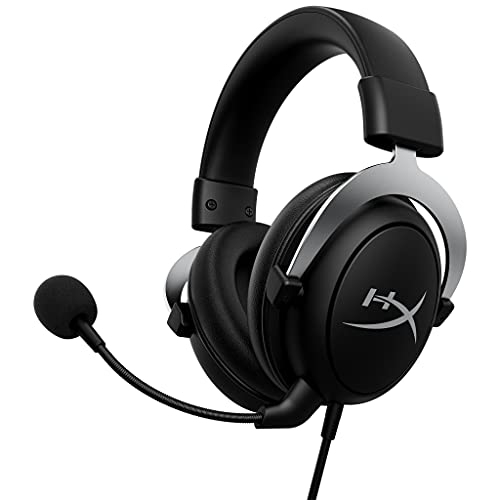
HyperX CloudX Official Xbox Licensed Gaming Headset

HyperX Cloud Alpha Gaming Headset (Red)

Aenllosi Hard Storage Case for SteelSeries Arctis

HyperX CloudX Stinger Core Wireless Headset

HyperX Cloud III S Wireless Gaming Headset (Black)
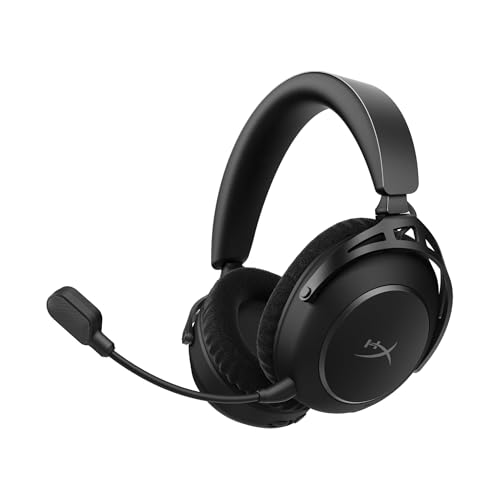
HyperX Cloud Alpha 2 Wireless Gaming Headset
A Deeper Look At The Lineup
The white HyperX Cloud III is the wired anchor of this list, and for good reason. It borrows heavily from the Cloud II lineage that made HyperX a household name in PC gaming, then reshapes the drivers and microphone into something more modern. The 53mm angled drivers are tuned to give directional cues more room, which translates into clearer footsteps in shooters and a wider sense of space in open-world RPGs.
Connection options include USB-C, USB-A, and a 3.5mm jack, so the same headset works across a gaming PC, a PS5, and an Xbox controller without adapters. In a household where the rig changes every few years, that kind of flexibility saves money. The memory foam ear cushions are the real sleeper feature: gamers who wear glasses will likely notice the difference on night three of a raid weekend.
Everyday Perks
- Cross-platform support through USB-C, USB-A, and 3.5mm covers PC, PS5, and Xbox in one cable set.
- Angled 53mm drivers help positional audio feel more spacious than flat ear-direct designs.
- The upgraded 10mm mic captures voice cleanly, cutting down on the “sorry, repeat that” moments in Discord.
- Memory foam in the headband and ear cups keeps the fit forgiving over six-hour sessions.
Worth Noting
- Wired design means you’ll be managing cable routing near your desk.
- Owners commonly report the white finish shows smudges faster than darker colorways.
Feature Snapshot
Right Fit For
PC and console players who want a reliable wired daily driver and don’t mind a cable in exchange for zero charging fuss.
Skip It When
You specifically need wireless freedom, in which case the HyperX Cloud III S (covered later) is a better match for cable-free play.
Where the wired Cloud III keeps things simple, the Cloud Flight 2 leans into personality. The big draw is the magnetic earcup plates, which pop off without tools so you can swap the look to match a stream setup, a tournament, or just your mood. Full-panel RGB lighting ties the look together, and onboard memory stores a saved lighting profile so your settings follow the headset to any PC.
Battery life is the headline number here: up to 100 hours per charge, with the option to dial lighting down to stretch it further. Dual wireless modes cover 2.4GHz (low-latency, ideal for gaming) and Bluetooth (handy for phone calls or music on the couch). For streamers and aesthetic-focused PC users, it checks the boxes the Cloud III deliberately ignores.
Features That Help
- Up to 100 hours of battery means most people will charge it weekly rather than daily.
- Simultaneous 2.4GHz and Bluetooth support lets you game and take a phone call without swapping.
- Tool-free magnetic earcup plates make changing the look genuinely quick.
Trade Offs
- RGB lighting adds a slight cost premium over non-lit wireless siblings.
- The detachable plates are magnetic, so they can shift if the headset gets knocked around in a bag without a case.
Made For
Streamers, content creators, and RGB-loving PC builders who want a wireless headset that also functions as desk decor.
Look Elsewhere When
Battery life matters more than RGB, in which case the HyperX Cloud Alpha 2 later in this list offers significantly longer runtime.
The pink Cloud III shares its bones with the white version covered above, so the audio and comfort story is identical. What changes is the finish, and for shoppers building a setup around a specific color theme, that single difference can decide the cart. It is the same 53mm angled drivers, same memory foam, same tri-mode cable setup.
You might pick this over the white version simply because your desk setup, keyboard, or mouse already runs pink accents. There is no performance penalty for the colorway, which isn’t always the case with “designer” editions in other categories. For a clean, themed battlestation, that’s a meaningful reason to choose one over the other.
Bright Spots
- Same proven Cloud III driver and comfort platform as the white version.
- Pink finish lets you match a coordinated setup without compromising audio quality.
- Tri-mode connection still covers PC, PS5, and Xbox in one headset.
Points To Note
- Lighter colorways may show makeup or skin oils around the ear cushions faster than darker options.
- Wired-only design is a trade-off for anyone who has already gone wireless elsewhere on the desk.
Best Suited To
Buyers who want Cloud III audio and comfort, but want their headset to blend into a pink or pastel-themed setup.
Another Choice May Suit
Color matching matters less than wireless freedom, in which case the HyperX Cloud III S delivers the same drivers without the cable.
The Ordtop entry is the wildcard of the roundup, and the spec sheet is unusually long for the price. You get 2.4GHz wireless through a USB dongle, Bluetooth 5.4, USB wired, and a 3.5mm fallback, so the headset can move between a PS5, a Switch, a phone, and a PC with minimal fuss. The 40mm drivers are smaller than the HyperX units above, but the marketed 7.1 surround aims to compensate in spatial immersion.
At roughly 276 grams, it’s noticeably lighter than most wireless gaming headsets, which matters for people who game on the couch or wear the headset for calls. Memory foam cushioning and around 40 hours of battery per charge round out a travel-friendly package. If you rotate between console gaming, mobile music, and the occasional laptop session, this kind of flexibility is hard to match in a single pick.
The Upside
- Four connection modes cover nearly every modern gaming and audio source.
- Lightweight 276g build reduces neck strain during long couch sessions.
- Bluetooth 5.4 generally means a more stable link to phones and tablets than older Bluetooth revisions.
A Few Limitations
- Smaller 40mm drivers may not deliver the same bass depth as the larger HyperX options above.
- Surround sound implementation varies by platform and game, so results aren’t always consistent.
Feature Rundown
Whose Shelf It Belongs On
Multi-platform households where one person might game on PS5 one night and take a phone call the next morning.
Reach For A Different Pick When
You game exclusively on Xbox and want a first-party-licensed connection, where the HyperX CloudX is a more focused choice.
The CloudX is the simplest pick on the list, and that’s its strength. It carries official Xbox licensing, which means it’s been tested and approved for Xbox One and Xbox Series X|S use. The aluminum frame adds a reassuring weight in hand, while memory foam ear cushions and a detachable noise-cancelling mic cover the long-session basics.
The 3.5mm jack means the same headset plugs into a controller without adapters, which is convenient for living room setups. In-line audio controls sit on the cable, so volume and mic muting happen without diving into system menus. For someone whose main gaming happens in front of a TV, that’s the kind of convenience that defines daily use.
Useful Strengths
- Official Xbox licensing gives confidence in cross-generation compatibility.
- Aluminum frame generally holds up better to drops and yanks than all-plastic builds.
- Detachable mic lets you use the headset as plain headphones when you’re not gaming.
Less Ideal Details
- Wired-only and 3.5mm-focused, so PC users will need to confirm their controller or audio setup supports that connection.
- Older design means it lacks some of the newer driver refinements of the Cloud III line.
Perfect Match For
Xbox-only living room gamers who want a comfortable, no-fuss headset that pairs instantly with a controller.
Consider Something Else When
You want wireless freedom on Xbox, in which case the HyperX CloudX Stinger Core is the wireless sibling for the same ecosystem.
The Cloud Alpha has earned its reputation by being the headset that keeps showing up in streams and tournaments years after launch. The standout feature is the dual-chamber driver design, which separates bass frequencies from mids and highs in the physical driver housing. The result is cleaner audio with less distortion when explosions, footsteps, and voice chat happen all at once.
Build quality leans on an aluminum frame and a detachable braided cable, both of which tend to outlast plastic equivalents in everyday use. Frequency response spans 15Hz to 25,000Hz, which is wider than most casual headsets and useful for music production dabbling too. In a category that refreshes constantly, the Alpha’s longevity says something about its underlying design.
Real Benefits
- Dual-chamber drivers reduce audio muddiness during chaotic in-game moments.
- Aluminum frame plus detachable braided cable generally outlast cheaper all-plastic builds.
- Wide 15Hz to 25,000Hz frequency response covers gaming, music, and even light content work.
Practical Considerations
- Wired-only, which is a deliberate trade-off for build quality over wireless convenience.
- Red colorway is striking, so it may not blend into every setup as cleanly as black or white.
Quick Technical Notes
Who It Suits Best
Long-time PC and console gamers who prioritize audio clarity, durability, and a wired connection over wireless features.
A Better Fit Elsewhere
Wireless is essential for your setup, in which case the Cloud Alpha 2 covered near the end of this list offers dual-chamber audio without the cable.
Most of this list covers headsets, but accessories matter too, and the Aenllosi hard case fills a real gap for SteelSeries Arctis owners. The shell is rigid and water-resistant, with a velvet-lined interior that prevents the headband and ear cushions from scuffing during transport. An internal mesh pocket holds dongles, cables, and replacement ear pads.
Compatibility spans the Arctis 1, 3, 5, 7, 7X, 7P+, 9, and 9X Pro, which covers most of the recent lineup. A hand strap on the side makes grabbing it from a backpack simple, and the compact size fits in carry-on luggage for LAN trips. For anyone who’s already invested in a premium SteelSeries set, a $20-ish case is sensible insurance.
Advantages To Know
- Hard waterproof shell protects against drops, spills, and rough backpack conditions.
- Velvet interior cushions the headset against scuffs during travel.
- Internal mesh pocket keeps dongles and cables organized in one place.
Where It May Fall Short
- Only fits SteelSeries Arctis models, so it has no use for owners of other brands.
- Adds bulk to a backpack compared to carrying the headset loose or in a soft pouch.
Who Should Grab It
SteelSeries Arctis owners who travel to LAN parties, game at friends’ houses, or just want to protect a premium headset from everyday accidents.
Swap It Out When
You don’t own a SteelSeries Arctis headset, in which case this case offers no value over a generic pouch.
The Stinger Core is the entry point into HyperX’s wireless Xbox lineup. It connects directly through Xbox Wireless, the same protocol the controller uses, so pairing happens with a single button press and no extra dongle cluttering the USB ports. The 40mm drivers and Windows Sonic spatial sound aim to give directional cues that feel wider than the spec sheet suggests.
Comfort comes from memory foam paired with leatherette ear cushions, a step up from basic foam pads in the same price range. For a younger gamer’s first wireless headset, or a household adding a second Xbox setup, the Stinger Core covers the essentials without overcomplicating things. It’s also a useful backup for the times your main headset is charging.
What Works In Its Favor
- Direct Xbox Wireless pairing means no dongle to lose or block a USB port.
- Memory foam and leatherette cushions feel more premium than the price suggests.
- Windows Sonic spatial sound adds positional depth without requiring extra software.
Potential Drawbacks
- Smaller 40mm drivers don’t deliver the same bass weight as the larger Cloud III or Cloud Alpha designs.
- Xbox-focused connection means PC and PlayStation use is limited compared to multi-platform picks above.
Key Product Details
Built With In Mind
First-time wireless headset shoppers and households needing an affordable secondary Xbox headset for the guest room.
Where A Sibling Pick Shines
You want the same Xbox Wireless ease with a richer driver, where the CloudX Stinger 2 might be worth investigating, or you want multi-platform support, where the Cloud III S is the stronger match.
The Cloud III S is the wireless evolution of the Cloud III wired models covered earlier, and it leans heavily on battery life as its main pitch. Up to 120 hours on 2.4GHz, and up to 200 hours on Bluetooth, means most people will charge this headset monthly rather than weekly. The Instant Pair feature with select OMEN laptops is a nice bonus for owners of that ecosystem.
It still uses the 53mm angled drivers from the Cloud III, so the audio character is familiar if you’ve tried the wired version. The detachable mic, multi-platform compatibility, and similar memory foam comfort round out the package. For travelers, busy professionals, and forgetful chargers, battery life of this magnitude changes how you think about the headset entirely.
What Makes Sense
- Up to 120 hours of 2.4GHz wireless play reduces charging to roughly once a month for typical users.
- Up to 200 hours of Bluetooth playback covers long flights and road trips.
- Familiar 53mm angled drivers keep audio consistent with the wired Cloud III line.
Honest Caveats
- Battery claims depend on volume levels and lighting settings, so real-world numbers can vary.
- Instant Pair works only with select OMEN laptops, so most PC users still rely on the standard 2.4GHz dongle.
Right Fit For
Travelers, busy households, and forgetful chargers who want the Cloud III audio experience without the cable or daily charging routine.
Not Your Match When
You want absolute maximum battery life per dollar, where the Cloud Alpha 2 reviewed next pushes even further at 250 hours.
The Cloud Alpha 2 is the top-tier wireless pick in the HyperX family, and the numbers reflect that. Up to 250 hours of battery life on a single charge is the kind of stat that makes charging anxiety disappear, and simultaneous 2.4GHz plus Bluetooth means you can take a phone call mid-game without swapping sources. The 53mm dual-chamber drivers carry over the audio separation that made the original Alpha famous.
The RGB base station is a small touch with a big convenience factor: the headset sits on a dock that handles charging and visual status at a glance, so the headset always has a clear home on the desk. For multi-platform households that want one premium headset for PC, console, and phone, this is the most complete wireless package in the roundup.
Key Advantages
- Up to 250 hours of battery life on a single charge, far beyond typical wireless headsets.
- Simultaneous 2.4GHz and Bluetooth means gaming audio and phone calls run side by side.
- RGB charging base station doubles as a visual status indicator and a tidy desk anchor.
- 53mm dual-chamber drivers carry over the Alpha line’s signature audio separation.
Where It Is Less Suited
- Premium positioning means a higher cost than most picks on this list.
- RGB base station takes up more desk real estate than a simple USB charging cable.
Who Will Love This
Hardcore multi-platform gamers and busy households who want one premium wireless headset that covers PC, console, and phone without compromise.
Where Another Pick Suits Better
Budget matters more than battery life, in which case the wired HyperX Cloud Alpha delivers similar dual-chamber audio at a noticeably lower cost.
Choosing The Right Bluetooth Gaming Headset Pcs For Your Setup
Driver Size And Soundstage
The driver is the speaker element inside each ear cup, and its size affects both the soundstage and bass response. Most gaming headsets cluster around 40mm to 53mm, with larger drivers generally delivering a wider, more cinematic feel. For competitive shooters where footstep direction matters, a wider soundstage can be a real advantage.
Connection Type And Latency
Wired headsets offer zero-latency audio and skip charging entirely, which is why so many esports players still prefer them. Wireless options split into 2.4GHz (low-latency, great for gaming) and Bluetooth (convenient, slightly higher latency, ideal for phone calls and music). Some picks above support both at once, which is useful if you game on PC but take calls on mobile.
Comfort For Long Sessions
Memory foam ear cushions, headband padding, and overall weight matter more than spec sheets suggest once you’re four hours into a raid. Heavier headsets can cause neck fatigue, while lighter ones sometimes compromise on driver size. Trying to match weight and cushioning to your typical session length is a small step that pays off every night.
Platform Compatibility
Not every headset works with every console out of the box. Xbox-licensed picks pair directly with the controller, while PS5 and PC tend to be more flexible through USB or 3.5mm. If you own multiple systems, a multi-platform wireless option can save you from owning three separate headsets.
Key Considerations Across These Picks
Pitfalls Shoppers Hit
The most common mistake is chasing driver size without checking weight, ending up with a headset that’s too heavy for marathon sessions. Another is assuming Bluetooth works the same as 2.4GHz wireless for gaming, then noticing audio lag during competitive play. Confirming the connection type and intended use saves a return trip.
Why Top Tier Costs More
Premium pricing in this category typically funds longer battery life, dual wireless modes, and higher-quality drivers like the dual-chamber designs. Build materials also improve, with aluminum frames and braided cables replacing plastic alternatives. For gamers who use a headset daily for years, the upgrade usually shows up in longevity and comfort more than raw audio specs.
Frequently Asked Questions
What Is A 2.4GHz Wireless Connection?
2.4GHz is a low-latency wireless protocol that uses a USB dongle to connect the headset to a PC or console. It generally feels as responsive as a wired connection, which is why it’s preferred for gaming over standard Bluetooth.
Do Bluetooth Gaming Headsets Have Audio Delay?
Bluetooth introduces a small amount of latency, usually noticeable in rhythm games or competitive shooters. For most single-player and casual multiplayer games, the delay is barely perceptible, but competitive players usually prefer 2.4GHz.
How Long Do Gaming Headset Batteries Actually Last?
Manufacturer battery claims assume moderate volume and disabled lighting. Real-world life is often close to the spec, but heavy use at high volume or with RGB enabled can drop runtime by 20-30%. Charging habits also affect long-term battery health.
Can One Headset Work On PC And Console?
Many modern gaming headsets support multiple platforms through USB, 3.5mm, 2.4GHz, or Bluetooth. The Ordtop and HyperX Cloud III S picks in this list are good examples of headsets designed to move between systems without extra adapters.
Is A Hard Case Worth It For A Headset?
For premium wireless headsets with non-replaceable batteries, a hard case protects the headband, hinges, and ear cushions during travel. It’s especially useful for anyone who attends LAN parties or takes their setup to a friend’s house regularly.
Wrap Up
The right headset comes down to where and how you game. Wired picks like the Cloud III and Cloud Alpha deliver reliable audio with zero charging, while wireless options like the Cloud III S and Cloud Alpha 2 add freedom and serious battery life. Match the connection type and comfort profile to your setup, and you’ll stop thinking about the headset entirely, which is the goal.


